Posts in sustainability
From Yard Waste To Compost: How Removal Services Recycle Naturally

As sustainability becomes a global priority, communities are rethinking how they handle organic waste. What was once seen as a burden—piles of leaves, grass clippings, and branches—is now being transformed into nutrient-rich compost. 


Across neighborhoods and cities, eco-conscious companies are finding smarter, greener ways to turn waste into renewal. Among the most impactful innovations are professional yard waste removal services that focus on recycling nature itself.

These services don’t just clear clutter from your garden—they help close the loop in the natural ecosystem. By transforming organic debris into compost, they reduce landfill waste, cut carbon emissions, and return valuable nutrients to the soil. It’s an elegant, sustainable cycle that benefits everyone—from homeowners to the planet.

In this article, we’ll explore how professional yard waste removal services are revolutionizing natural recycling. You’ll discover how these services reduce landfill waste, support soil health, and contribute to a more sustainable future. Whether you're a homeowner looking to clean your garden responsibly or a city planner seeking scalable green solutions, this guide will illuminate the powerful role composting plays in environmental stewardship.

No. 1

The Growing Role of Yard Waste Removal in a Sustainable World

The global shift toward environmental responsibility has reshaped how people think about outdoor cleanup. Instead of dumping garden debris into landfills, modern waste removal services ensure that organic materials are repurposed and reused. This approach not only saves space in already overflowing dumpsites but also prevents harmful methane emissions that occur when yard waste decomposes in tightly packed landfill environments.

Professional services handle everything from collection to composting, ensuring the waste is processed properly and safely. Many even collaborate with local composting facilities to transform leaves, grass, and branches into valuable soil enhancers. Here’s how sustainable yard waste programs make a difference:

  • Collecting leaves, branches, and grass clippings for composting.

  • Preventing harmful gases from being released in landfills.

  • Reducing transportation emissions through efficient routes.

  • Converting organic waste into nutrient-rich soil.

  • Supporting eco-friendly gardening and landscaping efforts.

This green approach not only keeps communities cleaner but also contributes to a healthier, more resilient environment.

No. 2

From Waste to Worth: The Power of Natural Recycling

Composting is one of nature’s most efficient recycling systems. 

Through controlled decomposition, organic materials like leaves, twigs, and food scraps break down into humus—a rich, earthy material packed with nutrients. When spread over lawns, gardens, or farms, compost improves soil structure, boosts plant growth, and reduces the need for chemical fertilizers. The process is both simple and powerful. 

Once collected by removal services, organic waste is shredded, aerated, and left to decompose under carefully monitored conditions. Microorganisms work their magic, breaking down materials naturally until what remains is fertile, sustainable compost.

This transformation reduces dependence on synthetic soil enhancers and promotes biodiversity. It also helps combat climate change by locking carbon into the soil rather than releasing it into the atmosphere. Composting, in many ways, is nature’s way of giving back. Benefits of composting include:

  • Enriching soil with vital nutrients.

  • Reducing landfill waste and methane emissions.

  • Enhancing water retention in soil.

  • Supporting plant growth without chemicals.

  • Creating a closed-loop environmental system.

No. 3

How Composting Services Are Changing Urban Landscapes

Urban areas are often the biggest contributors to waste buildup—but they’re also where innovation thrives. Many cities have adopted municipal composting programs that partner with private companies to handle organic waste more efficiently. 

By integrating composting into waste management systems, these cities are reducing landfill dependency while supplying local gardens, parks, and farms with eco-friendly fertilizer.

For residents, this means easier cleanup and a chance to participate in a larger environmental mission. Businesses benefit too, as sustainable practices often enhance their public image and reduce disposal costs.

Modern composting services now use advanced sorting and tracking technologies to ensure every load of organic material is processed responsibly. Whether for residential neighborhoods or large-scale landscaping projects, these initiatives help keep cities cleaner and greener. Examples of urban composting success stories include:

  • Citywide compost bins for residents to dispose of organic waste.

  • Community gardens are supplied with locally produced compost.

  • Partnerships between municipalities and green waste companies.

  • Reduction of urban landfill overflow and pollution.

  • Educational programs teaching citizens how to compost at home.

Through collaboration, cities are showing that sustainability and modern living can thrive side by side.


hellolovelyliving crowd farming

Crowd Farming

Adopt a tree to support a farmer and receive your harvest at home throughout the season.


No. 4

The Science Behind Turning Waste into Compost

Behind the seemingly simple act of composting lies a fascinating scientific process. When organic waste is gathered and properly managed, natural bacteria, fungi, and insects begin breaking it down. Heat, moisture, and oxygen accelerate the process, resulting in a nutrient-dense product that can be used to enrich soil and promote plant health.

Unlike landfill decomposition, which happens without oxygen and releases methane, composting occurs in aerobic conditions. This ensures a cleaner, faster, and more sustainable outcome. The result is a soil enhancer that supports carbon capture, water filtration, and long-term fertility.

Composting success depends on maintaining a balanced mix of “greens” (like grass clippings and vegetable scraps) and “browns” (like leaves and branches). The right balance ensures healthy microbial activity and prevents unpleasant odors. Scientific benefits of composting include:

  • Decreasing greenhouse gas emissions through aerobic decomposition.

  • Supporting microbial diversity in the soil.

  • Improving soil structure for better water absorption.

  • Reintroducing carbon and nutrients into the ecosystem.

  • Reducing reliance on chemical fertilizers.

No. 5

Why Natural Recycling Matters

When we think of recycling, we often picture glass, plastic, or paper. Yet, natural recycling through composting is equally crucial. Organic matter makes up a large portion of household waste, and when not managed properly, it can have severe environmental consequences.

By choosing composting services, homeowners and businesses can significantly reduce their ecological footprint. Every bag of leaves or bundle of branches that’s composted instead of trashed contributes to a cleaner, more sustainable planet.

These small, everyday choices make a big difference. When multiplied across thousands of homes and businesses, they can lead to meaningful environmental change and a reduction in global waste.

Takeaways

Sustainability starts in our backyards—literally. Every homeowner who participates in responsible garden cleanup contributes to a larger cycle of renewal and regeneration. By working with eco-conscious services, you can ensure that your organic waste doesn’t just disappear—it transforms into something valuable.

Through composting, natural materials return to the earth as nourishment, closing the loop in an endless cycle of growth and renewal. Choosing professional waste removal isn’t just about keeping your property clean; it’s about making a small yet powerful choice for a sustainable planet.

In the end, embracing environmentally responsible removal is a step toward a cleaner tomorrow. When we recycle naturally, we don’t just manage waste—we create life from it, turning what’s unwanted into something the earth can celebrate once again.

This post is sponsored.

Looking for Home resources?

Looking to enhance your living space and create a sanctuary that supports your well-being? Explore our home partners who offer a wide range of resources to elevate your home environment.

Learn more


home, sustainabilityHLL x Editor


Eco-Friendly Junk Hauling: How Companies Help Reduce Waste

In a world increasingly focused on environmental preservation, waste management has become more than just a necessity—it’s a responsibility. As individuals and businesses look for greener solutions, one industry is quietly leading the charge: hauling junk. Eco-friendly junk hauling services are redefining how we handle waste, emphasizing recycling, repurposing, and responsible disposal over traditional dumping practices.


hellolovelyliving eco-friendly junk removal


From decluttering homes to clearing commercial properties, these companies are proving that cleaning up can be done with a conscience. The shift toward sustainability is not only better for the planet but also beneficial for local economies and communities.

In this article, we’ll explore how eco-conscious junk hauling companies are leading the charge toward a greener future. You’ll discover how these businesses are reducing landfill waste, supporting local communities, integrating innovative technologies, and helping customers make environmentally responsible choices. Whether you're a homeowner, business owner, or sustainability advocate, this guide will show you how the right junk hauling service can make a meaningful impact on both your space and the planet.

No. 1

Sustainable Practices That Define Modern Hauling Junk Companies

Today’s environmentally conscious consumers demand more than just efficiency—they expect responsibility. Modern hauling junk companies have responded by transforming their business models to reduce environmental impact while maintaining top-tier service standards.

Rather than simply collecting and discarding items, these businesses focus on sustainable disposal methods that minimize waste and maximize reuse. Their efforts are shaping a cleaner future and helping individuals adopt eco-friendly habits in their everyday lives. Here’s how they’re making a difference:

  • Sorting materials to identify items that can be recycled or reused.

  • Donating functional furniture, electronics, and appliances to charities.

  • Partnering with recycling centers for safe material recovery.

  • Reducing landfill contributions through strategic waste diversion.

  • Using fuel-efficient trucks to cut down on carbon emissions.

Each of these initiatives plays a critical role in reducing the environmental footprint of waste management while encouraging a circular economy where resources are continually reused and repurposed.

No. 2

Turning Trash into Treasure: The Recycling Revolution

One of the most impactful ways junk hauling companies are supporting sustainability is through recycling. Items that were once destined for landfills—like metal, plastic, wood, and paper—are now being given a second life through innovative recycling programs.

Recycling not only conserves natural resources but also reduces the energy needed to produce new materials. For example, recycling metals and plastics uses significantly less energy than creating them from raw resources. This results in fewer emissions and less pollution.

Junk hauling professionals understand the importance of sorting and processing waste correctly. Their expertise ensures that recyclable materials end up in the right places, reducing contamination and improving recovery rates. Key recycling benefits include:

  • Conserving raw materials and reducing deforestation.

  • Cutting down on energy consumption across industries.

  • Lowering greenhouse gas emissions.

  • Extending the lifespan of valuable resources.

  • Supporting a cleaner and healthier planet.

By prioritizing recycling, these companies prove that waste management can align with global sustainability goals while still delivering exceptional service.

No. 3

The Community Impact of Eco-Friendly Junk Hauling

Beyond environmental benefits, green hauling initiatives have a direct, positive effect on local communities. When junk hauling companies commit to sustainable practices, they not only reduce landfill waste but also contribute to local charities, small businesses, and social causes.

Instead of disposing of reusable goods, many companies donate them to families in need or organizations that refurbish and redistribute them. This simple act of giving back fosters a cycle of goodwill that strengthens community ties and reduces overall waste. Community-driven hauling efforts often include:

  • Donating furniture, appliances, and electronics to shelters.

  • Partnering with schools for recycling education programs.

  • Supporting nonprofit organizations through reusable goods collection.

  • Hosting neighborhood clean-up drives and awareness events.

  • Encouraging customers to participate in sustainable practices.

Through these initiatives, eco-friendly junk hauling businesses not only clean up spaces but also help build stronger, more connected communities.


hellolovelyliving retold

Retold Recycling

Declutter sustainably with Retold Recycling – your easy solution for textile recycling.


No. 4

Technology and Innovation in the Junk Hauling Industry

Technology plays an increasingly vital role in making junk removal more sustainable. 

From route optimization software that reduces fuel consumption to digital tracking systems that monitor recycling progress, innovation is helping companies refine their operations for efficiency and eco-friendliness.

These advancements are also improving transparency. 

Many businesses now provide customers with detailed reports showing where their waste goes—how much was recycled, donated, or responsibly disposed of. This level of accountability fosters trust and encourages more people to choose green alternatives. Examples of technology-driven sustainability include:

  • GPS tracking for efficient fuel usage and reduced emissions.

  • Data analytics to measure recycling and waste diversion rates.

  • Online booking systems that reduce paper waste.

  • Smart sorting technologies that improve recycling accuracy.

  • Electric or hybrid vehicles are replacing older gas-powered models.

By investing in innovation, junk hauling companies are ensuring that sustainability remains at the forefront of their growth strategies.

No. 5

Why Choosing the Right Partner Matters

Not all junk hauling services are created equal. 

While many companies advertise eco-friendly practices, only a few truly commit to sustainability in every aspect of their operations. As a consumer, choosing the right provider can make a world of difference—not just for your property, but for the planet.

A responsible partner will handle your unwanted items with care, ensuring that reusable goods are donated and recyclable materials are processed correctly. This approach not only aligns with ethical values but also supports the greater environmental good. When selecting an eco-conscious junk removal service, consider these factors:

  • Verify that they partner with certified recycling centers.

  • Ask about their donation and community programs.

  • Review their fuel efficiency and sustainability policies.

  • Check for transparency in disposal reporting.

  • Read reviews to confirm their environmental credibility.

Making an informed choice ensures that your cleanup contributes to sustainability rather than waste.

Takeaways

As global waste continues to grow, the importance of sustainable junk removal cannot be overstated. Through recycling, community involvement, and innovative technology, eco-friendly hauling companies are proving that cleaning up doesn’t have to mean harming the environment.

Their commitment to green practices helps reduce landfill waste, conserve energy, and create stronger, more sustainable communities. By working with a professional hauling junk company, individuals and businesses alike can take an active role in protecting the planet while maintaining clean, organized spaces.

In the end, sustainability starts with small choices that add up to big change. Partnering with an environmentally responsible hauling provider allows you to declutter your life while contributing to a cleaner, brighter, and greener future for generations to come.

This post is sponsored.

Looking for Business resources?

Are you seeking ways to elevate your business to new heights? Dive into the array of resources provided by our esteemed business partners designed to empower your ventures.

Learn more


How Junk Removal Companies Promote Recycling And Sustainability

As global awareness of climate change and environmental preservation continues to grow, more industries are finding ways to align with sustainability efforts. One unexpected but impactful contributor to this movement is the modern junk removal service. These businesses are not only helping homeowners and companies declutter their spaces—they’re also playing a crucial role in recycling, waste reduction, and environmental responsibility.


hellolovelyliving sustainable junk removal


In this article, we’ll explore how modern junk removal companies are embracing sustainability through eco-friendly operations, recycling initiatives, and community engagement. You’ll learn how these businesses are reducing landfill waste, supporting the circular economy, and empowering individuals and organizations to make more environmentally conscious choices. Whether you're a homeowner, business owner, or sustainability advocate, this guide will show you how junk removal services are helping clean up the planet—one load at a time.

No. 1

The Evolution of the Junk Removal Service Industry

Gone are the days when junk removal meant tossing everything into a landfill. Today, the industry has evolved into a sophisticated and environmentally responsible system that emphasizes sustainability at every level. With the rise of recycling technology and growing consumer demand for greener options, companies are transforming the way waste is handled.

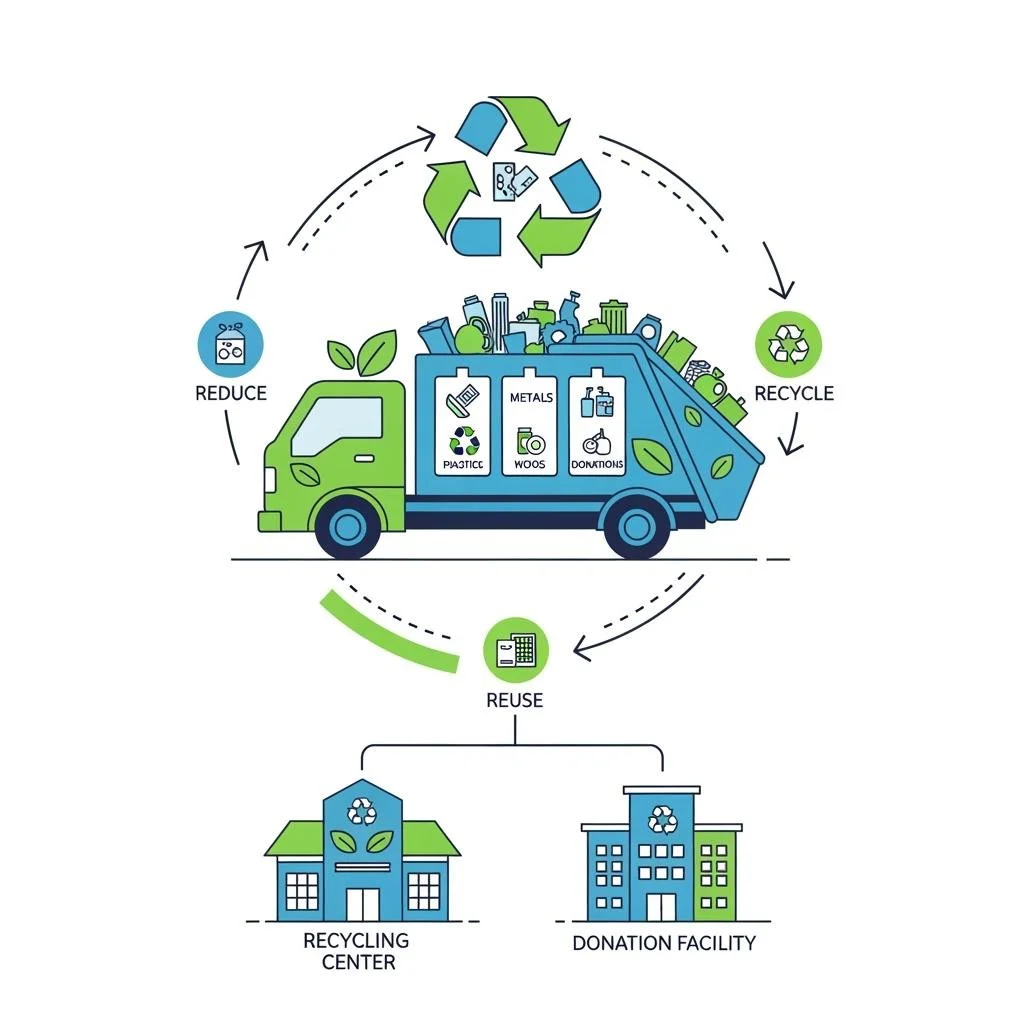
A professional junk removal service now focuses on reusing materials, reducing carbon footprints, and forming partnerships with local recycling centers and donation facilities. The goal is simple but powerful—to minimize waste while maximizing value.

Here are the main ways modern junk removal companies promote sustainability: 

  • Sorting and categorizing items for donation, recycling, or disposal.

  • Collaborating with nonprofit organizations to donate reusable goods.

  • Utilizing fuel-efficient vehicles to reduce emissions.

  • Implementing digital systems to minimize paper waste.

  • Training teams in eco-friendly disposal and recycling practices.

These small operational changes have a significant collective impact, helping to reduce landfill waste while supporting communities in need.

No. 2

Recycling Made Simple and Effective

Recycling is one of the cornerstones of sustainability, but for many individuals, it can be confusing or time-consuming. Junk removal professionals simplify the process by managing recycling on behalf of their clients. They have the expertise and connections to ensure that materials are processed correctly and efficiently.

The process typically includes identifying recyclable materials such as metal, glass, electronics, paper, and plastics. Once sorted, these materials are sent to approved recycling centers for proper treatment. This organized system ensures that valuable resources are recovered and reintroduced into the production cycle instead of being discarded.

Through consistent recycling efforts, junk removal companies help conserve natural resources and reduce energy consumption across industries. They make sustainability accessible and achievable for everyone, from homeowners to large corporations.

Key recycling practices:

  • Collecting electronics and ensuring safe e-waste disposal.

  • Recycling construction debris like wood, metal, and concrete.

  • Reusing furniture and appliances through community programs.

  • Reducing contamination by educating customers about recycling best practices.

  • Supporting circular economy initiatives that promote reuse over waste.

These practices show how eco-friendly business models can thrive while also protecting the planet.

No. 3

Building Sustainable Communities Through Responsible Action

A truly sustainable business model doesn’t just focus on operations—it focuses on people and communities. Junk removal companies are increasingly becoming advocates for local sustainability initiatives, helping neighborhoods build cleaner, greener environments.

They work closely with municipalities, charities, and businesses to establish programs that encourage responsible waste management. 

By supporting community clean-ups, organizing donation drives, and raising awareness about recycling benefits, they empower people to make environmentally conscious decisions.

Here’s how these companies support community sustainability:

  • Partnering with local governments for recycling events.

  • Offering discounts for eco-friendly disposal choices.

  • Creating educational campaigns about waste reduction.

  • Donating refurbished furniture and goods to families in need.

  • Promoting environmental awareness in schools and local organizations.

These efforts demonstrate that sustainability is not just a corporate responsibility—it’s a community commitment.


hellolovelyliving the container store

The Container Store

Your ultimate destination for innovative storage and organization solutions for home or office—offering everything from stylish bins and shelves to custom closet systems.


No. 4

The Business Benefits of Going Green

While environmental impact is the primary goal, adopting sustainable practices also brings significant business advantages. Customers today are more likely to support brands that share their values, and environmental responsibility has become a major differentiator.

Eco-conscious junk removal businesses attract a loyal client base by emphasizing transparency, ethical practices, and environmental care. This trust builds long-term relationships and a positive brand reputation. Furthermore, sustainable operations often lead to cost savings through reduced waste disposal fees, better fuel management, and resource efficiency.

By integrating green initiatives, businesses can simultaneously protect the environment and strengthen their profitability. It’s a win-win scenario that ensures long-term success.

Notable business benefits include:

  • Enhanced brand reputation through environmental responsibility.

  • Reduced operational costs from efficient resource management.

  • Increased customer loyalty from eco-conscious consumers.

  • Opportunities for partnerships with green organizations.

  • Compliance with evolving environmental regulations and standards.

These advantages prove that sustainability and success go hand in hand in the modern junk removal industry.

No. 5

Investing in a Greener Tomorrow

Sustainability isn’t a passing trend—it’s a movement that continues to shape industries across the globe. For junk removal companies, it’s an opportunity to lead by example, turning what was once considered waste into valuable, reusable resources.

As more businesses and consumers prioritize environmental stewardship, the role of junk removal companies will only grow. Their contributions to recycling, waste reduction, and education create ripple effects that benefit both the planet and future generations.

When customers choose an eco-conscious provider, they’re not just clearing out clutter—they’re taking part in a much larger mission toward a cleaner, more sustainable world.

TAkeaways

Choosing a Junk removal company today means supporting a business that values environmental responsibility as much as customer satisfaction. Through recycling initiatives, community engagement, and sustainable operations, these companies are proving that efficiency and eco-friendliness can coexist.

Their dedication to greener practices ensures that the waste of today becomes the resource of tomorrow. By working together—businesses, homeowners, and environmental advocates alike—we can create a future where responsible waste management is second nature.

So, the next time you declutter your space, remember that the right partner can make a big difference. With a professional removal service, you’re not just cleaning up—you’re contributing to a cleaner planet and a brighter future for generations to come.

This post is sponsored.

Looking for Business resources?

Are you seeking ways to elevate your business to new heights? Dive into the array of resources provided by our esteemed business partners designed to empower your ventures.

Learn more


Agricultural Pest Control Methods For Sustainable Farming

A pest infestation is one of the most devastating things that can occur on a farm. When unchecked, it’s capable of laying waste to an entire field of crops. For this reason, farmers commit a great deal of resources to agricultural pest control, hoping to limit the spread of harmful insect species.


However, many of the most common pest control methods have an extremely adverse impact on the local environment. This is particularly true when it comes to the application of toxic pesticides, which can kill off pollinators and other beneficial insect species, while also harming local wildlife and even putting nearby human populations at risk.

Fortunately, new and more advanced agricultural pest control techniques are continually being developed, all with an eye toward improving farming sustainability. Below, we’ll provide an overview of some of the most effective of these modern methods, helping farmers to reduce their environmental footprint while also generating a greater output.

In this article, we explore advanced, eco-friendly pest control techniques that support both agricultural productivity and environmental sustainability. From biological controls to integrated pest management systems, these methods empower farmers to reduce their chemical footprint while maintaining healthy, high-yielding crops.

No. 1

The Dangers of Pesticides

The chemicals most commonly used as pesticides are effective at eliminating harmful insect species. However, they are frequently overused and often end up entering the local ecosystem in large amounts as a result. Chemical pesticides do not discriminate between harmful insects, such as aphids and grasshoppers, and beneficial ones, such as bees and ladybugs.

Runoff also carries these chemical pesticides into surrounding watersheds, where they accumulate in both animal and plant life. While in smaller amounts, pesticides are not harmful to humans, they can travel up the food chain and accumulate in fish and other human food sources. In larger quantities, this has been shown to put people at risk of diseases such as cancer and Parkinson’s.

To mitigate the environmental impact and improve the sustainability of crop growth, it’s necessary for farmers to scale back on their pesticide use. There are multiple ways this can be done, including crop monitoring to track the life cycles of pests. This method ensures that pesticides are only applied when absolutely necessary, rather than continuously.

No. 2

Crop Rotation

One of the key methods farmers use to improve the sustainability and efficiency of their agricultural processes is crop rotation. Traditionally, the same crops are grown in a plot, season after season. Pests thrive on this predictability: They create nesting patterns and are able to seek the same food sources regularly. With crop rotation, however, farmers switch out what is grown in each area, and this disrupts the life cycles of pests and makes it more difficult for them to take hold.

Crop rotation also improves the sustainability of agriculture in other ways, particularly by providing a boost to the health of the soil. Different crops have different nutritional needs. When the same ones are planted in the same soil over and over, they tend to deplete that soil of critical nutrients. Other plants, however, use different nutrients and help to recycle the soil, allowing it to remain productive for far longer. This ensures that plots of land remain viable for much longer than they otherwise would.

No. 3

Biological Controls

Biological methods of effective agricultural pest control also exist. Farmers can defeat harmful species by introducing natural predators to plots of land. This method is referred to as biological control. For example, aphids are a famously destructive insect whose natural predator is the ladybug. By introducing ladybugs to an area, farmers can eliminate aphids while also reducing chemical use by avoiding pesticides.

The population of ladybugs can also become established, meaning that they will breed and reproduce naturally as they feed on the pest species. This makes biological control one of the most cost-effective and sustainable methods of eliminating pests.

Besides natural predators, other methods of biological control include the use of microbes as a natural pesticide. These can kill off pests without harming the environment. Farmers have experimented with many different biological techniques to control pests; pathogens and bacteria have also been used.

Note that it’s important that only approved and tested biological methods are used to control pests, because invasive species and untested methods may actually make the problem worse.

When used correctly, biological control is one of the safest ways to reduce pest populations because it does not introduce toxins into the environment.


hellolovelyliving chelsea green publishing

Chelsea Green Publishing

Since 1984, Chelsea Green has been the leading publisher of books about organic farming, gardening, homesteading, integrative health, natural building, sustainable living, socially responsible business, and more.


No. 4

Integrated Pest Management

The true key to reducing pesticide use and improving sustainability on a farm is to use not just one method but several together to ensure a healthy farm. When utilized holistically, these methods are referred to as Integrated Pest Management (IPM). IPM has been pioneered by groups of farmers who are committed to sustainability, such as the Washington State Potato Commission.

The crop monitoring process mentioned above is the foundation of IPM in farming. Using advanced technology, including custom software and AI processes, farmers can track pest activity and predict their life cycles accurately. This ensures that any pesticide chemicals applied will directly target the harmful insect populations and spare harmless or beneficial species.

The next step in the process is to begin implementing the other methods listed above, with the goal being to disrupt and eliminate pests in the least environmentally harmful way possible. Besides crop rotation and the introduction of predators, farmers may place physical barriers to block pest movement and grow non-cash crops that can attract birds and other wildlife that may prey on the pest insects.

For More Information

To begin implementing the methods listed above, it’s necessary to research the most common harmful insect species in your area. When you understand what you’re up against, you can then develop an action plan to address the issue. Visit the US EPA website to learn more about the topic and how you can begin to reduce pesticide usage and contribute to a more sustainable and more profitable agricultural enterprise.

Looking for Business resources?

Are you seeking ways to elevate your business to new heights? Dive into the array of resources provided by our esteemed business partners designed to empower your ventures.

Learn more


Building Resiliance In Farming: What You Need To Know

Farming has never been for the faint of heart. It’s a profession defined by uncertainty—where one year might bring too much rain, the next not enough, and another might see pests or shifting markets wreak havoc on your hard work. If there’s one constant in agriculture, it’s that nothing stays the same. That’s why resilience isn’t just a buzzword in farming—it’s the job description.


The most successful farms today aren’t just reacting to seasonal changes; they’re building systems that can bend without breaking. From soil health to crop diversity and smart irrigation, resilience is rooted in proactive planning. But here’s the truth: resilience doesn’t begin at harvest—it starts much earlier, right down to the seed.

In this article, we explore key strategies and practical insights designed to help you build resilience and sustainability in your farming practices from the ground up.

No. 1

Healthy Soil: The Foundation of Resilient Farming

Healthy soil; it's the foundation of resilience in farming. Everything begins with the soil. One of the most effective ways to build soil health is by planting cover crops between your cash crops. Options like rye, clover, or even radish help keep living roots in the ground and protect your topsoil from wind erosion.

This simple practice leads to:

  • Reduced erosion

  • Improved soil structure

  • Increased moisture retention

In addition to cover cropping, adopting no-till or low-till farming methods minimizes soil disturbance. This further enhances structure, reduces erosion, and promotes better water infiltration. Over time, these practices can significantly increase your soil’s organic matter, which improves fertility and resilience.

And don’t underestimate the power of organic inputs. Adding compost or manure boosts soil biodiversity, enhances water retention, and increases nutrient availability. This not only supports healthier crops but also reduces your dependency on synthetic fertilizers.

No. 2

Diversify Crops and Crop Rotation

If you're relying on just one or two crops to carry your farm through the year, you're essentially gambling with nature. Diversification is key to spreading risk and building resilience.

Incorporating a wider variety of crops—such as legumes, grains, and forages—into your rotation can:

  • Reduce disease pressure

  • Improve soil health

  • Stabilize income streams

Beyond rotation, consider intercropping (growing multiple crops together) or agroforestry (integrating trees into your system). These methods increase biodiversity, improve nutrient cycling, and can even open up new revenue opportunities.

The goal is to create a more dynamic and flexible system that can better withstand environmental and economic shocks.

No. 3

Seeds Matter More Than You Think

You can’t control the weather, but you can choose seeds that are bred to withstand stress. Selecting the right seed varieties is one of the most strategic decisions you can make on the farm.

Companies like Agrigold invest heavily in testing traits such as:

  • Heat tolerance

  • Drought resistance

  • Disease resistance

Choosing resilient seed varieties helps ensure that your crops can stand strong when conditions get tough. It’s not about chasing record-breaking yields—it’s about achieving consistent performance year after year. In an unpredictable climate, that consistency is invaluable.


hellolovelyliving Chelsea Green Publishing

Chelsea Green Publishing

Since 1984, Chelsea Green has been the leading publisher of books about organic farming, gardening, homesteading, integrative health, natural building, sustainable living, socially responsible business, and more.


No. 4

Leverage Technology to Work Smarter

You don’t need every shiny new gadget on the market, but investing in the right technology can significantly improve your farm’s efficiency and resilience.

Practical Tech Tools That Make a Difference:

  • GPS-Guided Tractors: Reduce overlap, save fuel, and create straighter rows with fewer passes—meaning more time and better sleep during planting.

  • Drones: Identify stressed areas, drainage issues, or pest infestations early, allowing you to take action before yield losses occur.

  • Soil Sensors: Monitor moisture levels and nutrient availability in real-time, helping you make data-driven decisions.

  • Automated Weather Stations: Provide hyper-local weather data to guide irrigation and spraying schedules.

  • Mobile Apps: Log field data, track inputs, and monitor crop performance from your phone or tablet.

These tools help you work smarter, not harder. They allow you to react quickly and efficiently to changing conditions, improving your ability to manage risk and maintain productivity.

Takeaways

Resilience in farming isn’t built overnight. It’s the result of thoughtful planning, smart choices, and a willingness to adapt. From nurturing healthy soil and diversifying crops to selecting the right seeds and leveraging technology, every decision you make contributes to the long-term strength of your operation.

In a world where the only constant is change, building a farm that can bend without breaking isn’t just wise—it’s essential. And it all starts long before the harvest, right down to the roots.

Looking for resources?

At Hello Lovely Living, we aim to empower you to earn and save money and time while benefiting from our expansive network of home, life, wellness, travel, work-from-home, career, and business resources and opportunities. Discover a wealth of tools to support your journey.

Learn more


Demolition With Purpose: How Conscious Contractors Are Transforming The Industry

Finding a reliable residential demolition contractor in today's market can feel like searching for a needle in a haystack. The demolition industry faces significant workforce challenges, yet the demand for skilled commercial demolition contractor services continues to grow as urban renewal and sustainable building practices gain momentum.


This fascinating intersection of challenge and opportunity is transforming how companies approach recruitment, training, and retention in ways that align perfectly with conscious living principles. In this article, we explore how forward-thinking demolition companies are embracing innovation, inclusivity, and intention to not only meet growing demand but also attract a new generation of skilled workers who care about purpose, impact, and progress.

No. 1

The Hidden Wisdom of Deconstruction

There’s something deeply symbolic about demolition work that resonates with personal growth journeys. Just as we sometimes need to clear away old thought patterns to make room for new perspectives, buildings occasionally require removal to create space for fresh beginnings. The demolition contractor serves as a guide through this transition, turning what could be a chaotic process into a methodical transformation.

The industry is evolving from the stereotypical “wrecking ball” approach to a more thoughtful deconstruction methodology that prioritizes material recovery and environmental stewardship. This shift mirrors our own wellness journeys, where we learn that dismantling old habits works best when done with intention and care.

No. 2

Attracting a New Generation of Talent

The demolition field offers surprising benefits that appeal to today’s conscious workforce. For starters, the work provides immediate visual feedback and tangible results—a rarity in our increasingly digital world. There’s something deeply satisfying about witnessing physical transformation, whether it’s clearing space for a new community garden or preparing a site for sustainable housing.

Companies that communicate these meaningful aspects of the work are finding success in attracting people who might never have considered demolition as a career path. By highlighting the environmental impact, community renewal aspects, and the blend of physical and technical skills required, demolition contractors are reframing their industry narrative.

“We’re not just taking buildings down,” shares one industry veteran. “We’re facilitating urban renewal, historical preservation through salvage, and material recycling. Our team members see themselves as environmental stewards as much as demolition experts.”

No. 3

Creating Inclusive Pathways to Meaningful Work

Innovative demolition companies are partnering with community organizations to create training programs that welcome diverse participants. These programs often include mentorship components, technical education, and hands-on experience with increasingly sophisticated equipment.

The skills developed through these programs—problem-solving, spatial awareness, safety consciousness, and teamwork—transfer well to many life situations. This holistic skill development appeals to individuals seeking work that contributes to both personal growth and community well-being.

Some forward-thinking contractors have implemented apprenticeship models that make entry into the field accessible without requiring extensive prior experience or education. These structured learning paths provide stability and clear progression—important factors for those seeking career changes or entering the workforce.


hellolovelyliving Chelsea Green Publishing

Chelsea Green Publishing

Since 1984, Chelsea Green has been the leading publisher of books about organic farming, gardening, homesteading, integrative health, natural building, sustainable living, socially responsible business, and more.


No. 4

Technology as a Bridge, Not a Barrier

Rather than positioning technology as a replacement for human workers, the most successful demolition contractors integrate technology as a complementary tool that enhances human capabilities. Drones for site surveys, remote-controlled demolition robots for hazardous areas, and virtual reality for training create safer working environments while requiring new and interesting skill sets.

This approach to technology parallels healthy uses of wellness tech—the tools should support and enhance our human experience, not replace the fundamentally human elements of the work.

Companies that invite their teams to participate in technology selection and implementation find greater buy-in and enthusiasm. When workers see technology as something that makes their jobs safer and more interesting, rather than threatening their livelihood, innovation becomes a team effort rather than a top-down mandate.

No. 5

The Well-Being Advantage

In an industry historically known for tough working conditions, demolition contractors focusing on worker well-being are gaining a competitive edge in recruitment and retention. Initiatives like flexible scheduling (where project timelines allow), mental health support, and physical wellness programs demonstrate a commitment to team members as whole people.

Like tending a garden, nurturing a workforce requires consistent attention to creating the right conditions for growth. The contractors seeing the greatest success recognize that addressing labor shortages isn’t just about filling positions—it’s about creating an environment where people want to stay and develop.

No. 6

Community Connection as a Recruitment Strategy

Demolition work happens in communities, affecting local residents and businesses. Companies that approach their work with community sensitivity not only build better local relationships but also create natural recruitment channels.

By participating in community events, offering educational site tours (when safe), and communicating proactively about project impacts and benefits, demolition contractors build local goodwill. This community presence naturally attracts interest from residents who might not otherwise consider the field.

Some companies take this a step further by specifically hiring from the communities where they work, creating employment pathways that keep economic benefits local. This approach resonates deeply with conscious consumers and workers who prioritize local impact.

No. 7

Cultivating Leadership From Within

Like a well-tended perennial garden, sustainable workforce solutions require planning for continuous renewal. The most resilient demolition contractors implement deliberate leadership development, identifying team members with potential and providing mentorship, additional training, and gradually increasing responsibilities.

This “grow your own” approach to leadership creates institutional knowledge continuity while providing advancement opportunities that keep valuable team members engaged. It also ensures that future leaders understand both the technical aspects of the work and the company culture, maintaining consistency through inevitable industry changes.

No. 8

Embracing the Circular Nature of Growth

The demolition industry’s evolution toward greater sustainability perfectly illustrates the circular nature of growth—endings create beginnings, and what appears to be destruction can actually be the first step in creation. By embracing this philosophical perspective and communicating it clearly, demolition contractors are finding resonance with a workforce increasingly motivated by purpose and meaning.

This approach aligns beautifully with the personal growth journey, where we continually reassess, remove what no longer serves us, and create space for new possibilities. Perhaps there’s no better metaphor for conscious living than thoughtful demolition—clearing away the old with intention to make room for something better.

Takeaways

In a world that’s rethinking what it means to build, grow, and thrive, demolition is no longer just about destruction. It’s about intention. It’s about making space for possibility.

The contractors leading this shift are doing more than meeting demand—they’re creating careers, restoring communities, and aligning their work with values that matter.

For job seekers, community leaders, and conscious consumers alike, the message is clear: demolition done right is a powerful force for good.

So the next time you see a building coming down, look a little closer. You might just be witnessing the first step in something beautiful.

Looking for Business Resources?

Are you seeking ways to elevate your business to new heights? Dive into the array of resources provided by our esteemed business partners designed to empower your ventures

Learn more


Living Green: How Solar Energy Supports A More Sustainable Home And Lifestyle

Sustainable living isn’t just a trend; it’s becoming a vital shift in how we build, power, and live in our homes. More people are looking for practical ways to reduce their environmental footprint while saving money and enjoying a comfortable lifestyle.


Solar energy offers one of the most accessible and impactful solutions. It transforms how we power our homes, making clean energy a part of daily life. From cost savings to reducing carbon emissions, solar technology plays a powerful role in reshaping our relationship with energy.

But how exactly does solar energy lead to a greener lifestyle? In this article, we explore the significant ways in which solar energy can support a more sustainable home environment and promote a lifestyle that is aligned with eco-conscious principles.

No. 1

Reducing Household Energy Consumption

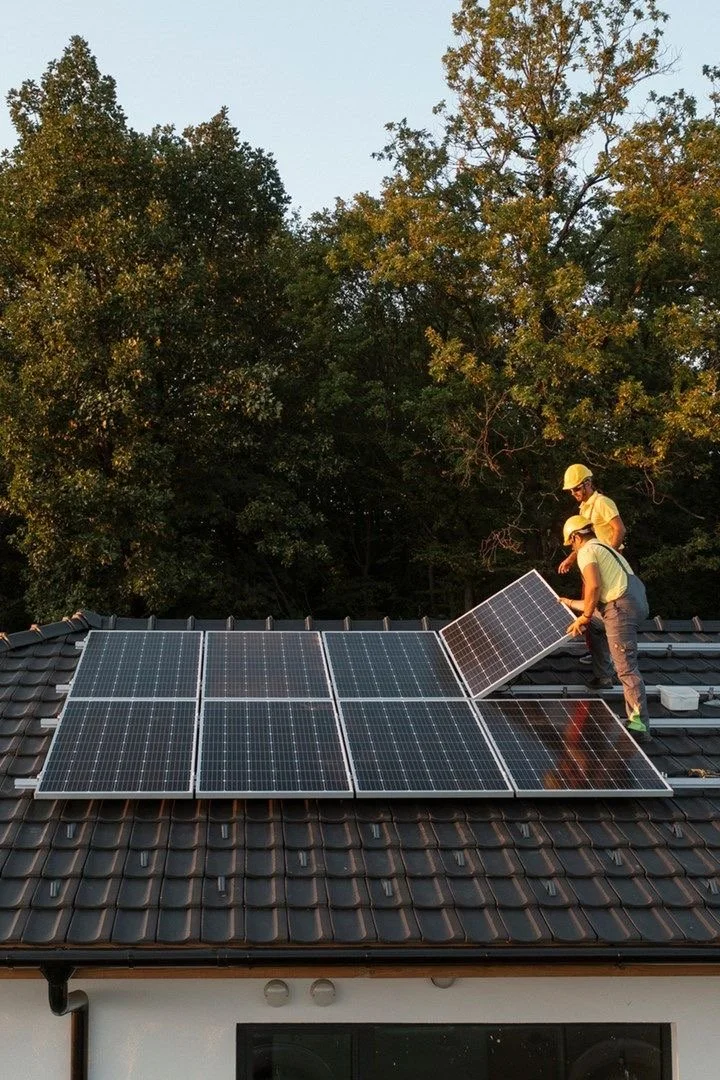
Lowering your household energy usage is one of the first steps toward sustainable living. When you install solar panels, you’re generating your own power, which means you rely less on the national grid. And if you add spray insulation into the mix, you can save even more on energy costs and improve your home’s overall comfort—it’s definitely worth investigating further to understand all the benefits and potential savings.

This not only saves you money but also limits the amount of fossil fuels burned for electricity. When you power your appliances, lighting, and heating systems with solar energy, you directly reduce your carbon footprint.

Energy-efficient habits paired with solar power can drastically reduce household consumption. It’s a shift that makes a real difference, especially over time, without compromising your comfort or daily routine.

No. 2

Making Eco-Conscious Decisions Easier

Adopting solar energy simplifies many decisions in your home. When you generate your own electricity, you become more aware of how much energy you use and where you can cut back.

This creates a ripple effect that encourages smarter, greener choices. Whether it’s investing in LED lights, using energy-efficient appliances, or timing your energy usage around sunlight hours, the solar mindset promotes sustainability.

A company like Tarven Solar Energy helps homeowners make the switch with ease by offering tailored solutions that suit their energy needs. This guidance turns going solar into a practical, rewarding decision for the long term.

No. 3

Cutting Long-Term Costs While Saving the Planet

Solar panels come with an upfront cost, but the long-term savings far outweigh the initial investment. Once installed, solar panels start generating free electricity that immediately reduces your energy bills. Over time, the savings grow, especially as energy prices continue to rise.

You also benefit from financial incentives like feed-in tariffs or smart export guarantees. These add another layer of savings, making solar energy an economically smart choice.

More importantly, while you’re saving money, you’re also contributing to a healthier planet by cutting down on pollution and lowering demand for energy from non-renewable sources.


hellolovelyliving rock solar energy solutions

Rock Solar

Eco-friendly portable power solutions for commercial use, homes, RVs, and campers and cabins. Harness clean energy, reduce your carbon footprint, and power your life sustainably.


No. 4

Creating Energy Independence for Homeowners

One of the major perks of solar power is gaining control over your energy supply. By generating your own electricity, you reduce dependence on utility companies and protect yourself from fluctuating prices.

You can also add battery storage systems that store excess energy for night-time use or during cloudy days. This means you always have access to clean, renewable power when you need it.

In emergency situations, solar-powered homes are less vulnerable to blackouts. That level of independence brings peace of mind while strengthening your household’s resilience. It’s a smart step toward energy autonomy and long-term security.

No. 5

Supporting a Cleaner Local Environment

Solar energy doesn’t just benefit individual homes—it also improves the surrounding community. By choosing solar, you reduce air pollution caused by burning fossil fuels.

Cleaner air leads to fewer health issues and creates a better quality of life for everyone. Local ecosystems thrive when greenhouse gas emissions drop, and water sources remain cleaner without industrial contamination.

Additionally, as more neighbors install solar panels, it builds momentum toward widespread, sustainable change. You’re not just powering your home; you’re inspiring others to consider renewable solutions, too. It’s a powerful, collective move toward a cleaner, healthier local environment.

No. 6

Increasing Property Value with Green Technology

Homes equipped with solar energy systems often stand out in the property market. Buyers recognize the long-term savings and environmental benefits solar panels offer, making solar-powered homes more attractive.

Adding solar technology isn’t just a personal investment; it’s a smart property upgrade. Potential buyers value homes that come with lower energy bills and a reduced carbon footprint.

Studies show that properties with solar panels sell faster and at higher prices than comparable homes without them. As more people prioritise sustainability, integrating green technology boosts your home’s market appeal and reflects a future-forward approach to living.

No. 7

Enhancing Daily Comfort with Smart Energy Use

Solar energy works quietly in the background, yet it transforms how you live each day. You can heat your water, power your devices, and run your home without worrying about escalating utility costs.

With smart systems and energy-efficient appliances, you maximize the energy your panels produce. Many solar setups now pair with home automation, allowing you to monitor and adjust your energy usage in real time.

This balance between comfort and conscious living empowers you to enjoy your home fully while staying aligned with sustainable goals. It’s a lifestyle that puts comfort and responsibility side by side.

No. 8

Encouraging Community-Wide Sustainability Efforts

One solar-powered home might not change the world, but it can spark change across a community. When neighbors see the benefits—lower bills, increased comfort, and a smaller footprint—they often consider making the switch, too.

Solar adoption tends to spread, encouraging schools, local businesses, and public buildings to follow suit. Shared solar programmes and community energy projects become more viable when interest grows.

Your decision to go solar can influence broader habits, helping create a local culture rooted in environmental awareness and practical action. Together, communities can drive sustainable development in a real and measurable way.

Takeaways

Living green doesn’t require grand gestures—it starts with smart, consistent choices. Solar energy offers one of the most practical and powerful tools to support a sustainable home and lifestyle.

From slashing energy bills to promoting cleaner air and inspiring community change, its benefits stretch far beyond the panels on your roof. Companies like Tarven Solar Energy make the transition smooth and accessible, empowering homeowners to take control of their energy and future.

By choosing solar, you’re not just improving your own life—you’re helping build a cleaner, healthier world for everyone. That’s the true power of living green.

Looking For Home Resources?

Looking to enhance your living space and create a sanctuary that supports your well-being? Explore our home partners who offer a wide range of resources to elevate your home environment.

Learn more


Exploring The Environmental Benefits Of Commercial Solar PV Installation

As sustainability becomes a central focus for businesses worldwide, commercial solar photovoltaic (PV) installations are gaining popularity as a practical solution to help achieve environmental goals. By transitioning to solar energy, companies can take significant steps toward reducing their environmental impact while benefiting from long-term savings and enhancing their corporate image.


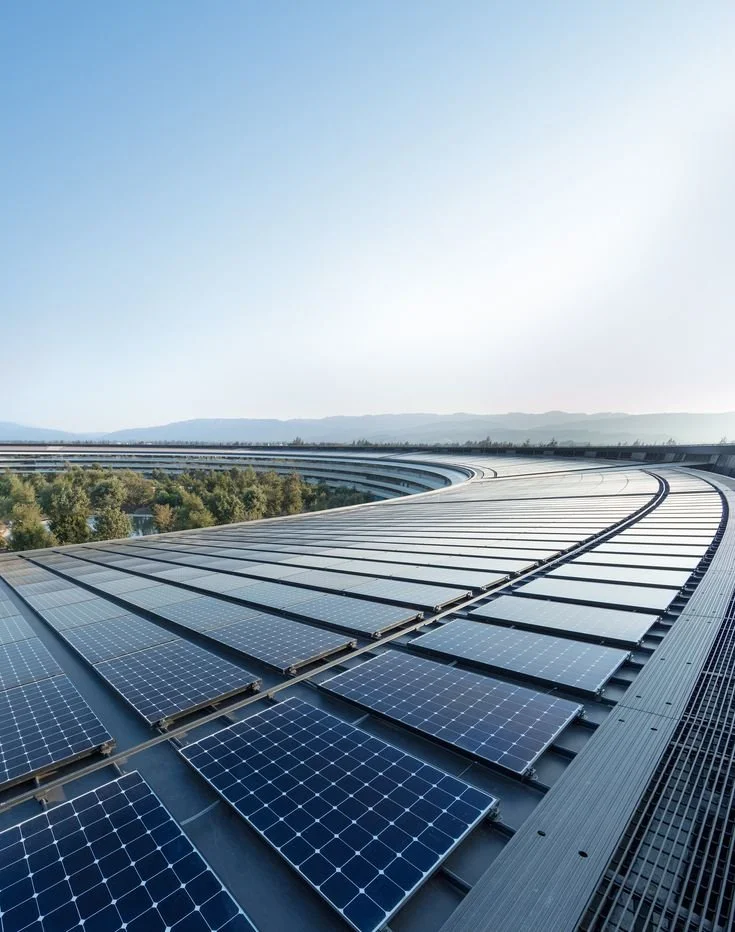
Designed to encourage innovation, this solar-powered building is wrapped in large, glazed panels that let in an ample amount of natural light and panoramic views of the surrounding countryside. inhabitat.com


In this article, we take a deeper dive into the various ways commercial solar PV installations contribute to environmental protection.

No. 1

Promoting Energy Independence

A major advantage of solar energy is its ability to help businesses become less reliant on traditional grid power. Many commercial properties depend on local or national energy suppliers that may still be heavily reliant on fossil fuels.

By generating their own solar energy, businesses can reduce their reliance on these external sources, leading to greater energy independence. This energy autonomy not only shields businesses from rising energy costs but also enhances their resilience to power outages or disruptions in the energy grid.

As more businesses adopt solar PV, this shift promotes greater decentralization of energy generation, helping to create a more sustainable and reliable energy system. By investing in commercial solar PV installation, businesses can significantly reduce their environmental impact while benefiting from a reliable, sustainable energy source.

No. 2

Reducing the Urban Heat Island Effect

Urban areas are known to absorb and retain heat more than rural areas, a phenomenon known as the “urban heat island effect.” This occurs as buildings, roads, and other surfaces absorb sunlight and radiate it as heat. Solar panels can help mitigate this effect by absorbing sunlight and converting it into energy instead of allowing it to heat the surrounding environment.

Installing solar PV systems on rooftops or other surfaces helps reduce the overall temperature in urban areas, contributing to cooler cities and a more comfortable environment. This can result in lower demand for air conditioning, which in turn decreases the use of energy and lowers greenhouse gas emissions.

To explore how solar panels can contribute to energy savings and environmental benefits for your property, EnergyBillCruncher offers resources to compare options and connect with local installers.

No. 3

Enhancing Biodiversity Conservation

By reducing dependence on traditional energy sources, solar PV installations contribute indirectly to the conservation of biodiversity. Fossil fuel extraction and the associated infrastructure can cause habitat destruction, leading to the displacement of wildlife and the disruption of ecosystems. Solar energy, however, has a much smaller physical footprint, particularly when deployed on existing structures like commercial rooftops.

In addition to its minimal land use, solar energy production does not result in water pollution or habitat disruption, making it a much more eco-friendly alternative for businesses looking to protect biodiversity and reduce their environmental footprint.


hellolovelyliving houzz find solar installation

Houzz

Looking for professional solar panel installation? Discover top-rated experts on Houzz today!


No. 4

Supporting Green Supply Chains

Solar PV installations also have a positive ripple effect across the supply chain. By switching to solar energy, companies encourage suppliers and partners to explore their own renewable energy options. This can promote broader industry-wide shifts towards sustainability, encouraging a culture of eco-consciousness in all areas of business operations.

Moreover, by investing in renewable energy, businesses can demonstrate their commitment to environmental responsibility. This often leads to stronger relationships with customers who prioritize sustainability, and can result in the company being viewed as a leader in corporate responsibility.

No. 5

Minimizing Waste Through Sustainable Technology

The materials used in solar panels are becoming increasingly sustainable, with many manufacturers now prioritizing recycling and the use of eco-friendly components. The solar industry is working toward reducing the environmental impact of solar panel production, ensuring that solar technology itself contributes to a circular economy.

This means that not only does a commercial solar installation help reduce environmental harm, but it also supports responsible material management and waste minimization throughout its lifecycle. Panels are now being designed to last longer, with better efficiency and fewer toxic chemicals used in their construction, which leads to a cleaner and more sustainable product overall.

No. 6

Long-Term Commitment to the Planet

While the immediate benefits of solar energy are evident, the long-term environmental impact of commercial solar PV installations should not be underestimated. Over their lifespan, solar systems continue to provide clean energy with little ongoing maintenance, allowing businesses to reap the environmental benefits year after year.

This long-term commitment to renewable energy can be a key part of a company’s broader sustainability strategy, demonstrating a genuine, lasting commitment to environmental stewardship. For businesses looking to enhance their eco-credentials and future-proof their operations, solar PV offers an impactful solution that continues to deliver environmental benefits for decades.

Takeaways

Commercial solar PV installation is more than just a technological upgrade—it’s a commitment to reducing environmental impact, conserving resources, and promoting sustainability across industries. From fostering energy independence to supporting biodiversity and reducing waste, the environmental advantages of solar energy are significant and far-reaching. 


Looking for Business Resources?

Are you seeking ways to elevate your business to new heights? Dive into the array of resources provided by our esteemed business partners designed to empower your ventures.

Learn more


How Vertical Solar Panels Are Transforming Urban Installations

The world of home aesthetics has expanded far beyond traditional decor elements, with innovative vertical solar panel installation options now seamlessly blending renewable energy with sophisticated design sensibilities. Urban dwellers previously excluded from sustainable upgrades due to limited roof access are discovering creative facade solar panel installation possibilities that transform vertical surfaces into both energy generators and striking architectural features.


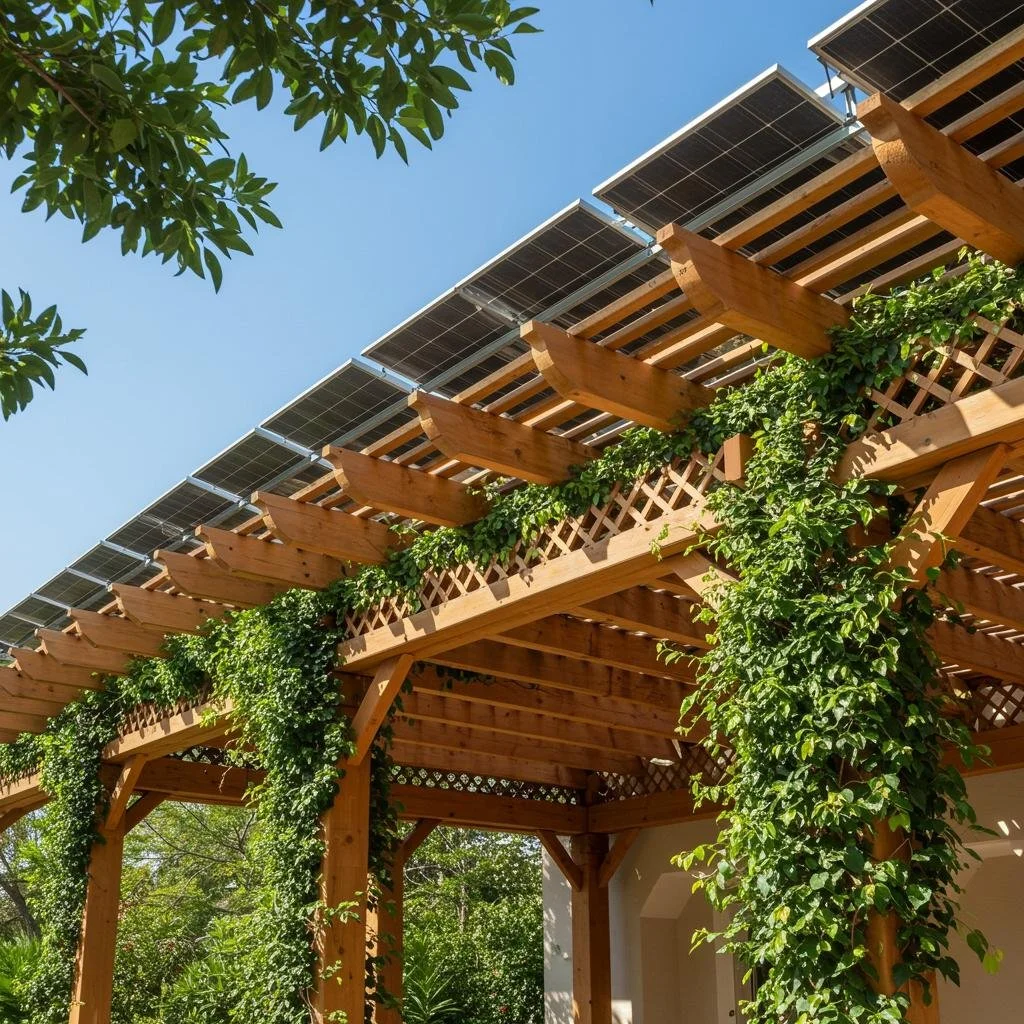
hellolovelyliving vertical solar panels on pergola with plants


These beautiful energy solutions are reimagining how clean power integrates with thoughtful living spaces, proving that sustainability and style can brilliantly coexist in even the most space-constrained urban environments.

In this article, we explore how vertical solar panels are dramatically transforming urban installations and reshaping the landscapes of our cities. By harnessing the sun's energy more efficiently, these innovative structures are becoming a pivotal component of sustainable urban development.

No. 1

The Vertical Solar Revolution: Beauty Meets Function

Gone are the days when solar energy required vast, unobstructed roof space and resulted in utilitarian-looking installations. The latest vertical solar applications have evolved into something that might be described as functional art – panels that serve an essential purpose while simultaneously enhancing a home's visual appeal.

Like the shift from bulky tube televisions to sleek wall-mounted screens, vertical solar has undergone a stunning design transformation. Today's options include subtle glass balcony railings that generate electricity while maintaining views, fence panels that create privacy while harvesting sunlight, and facade elements that add architectural interest while powering homes.

This evolution mirrors how pendant lighting evolved from purely practical fixtures to statement pieces that anchor a room's design. Vertical solar installations now serve as conversation-starting design elements that express a homeowner's values while performing an essential function.

No. 2

The Design Palette: Vertical Solar Options

The range of vertical solar applications has expanded dramatically, offering solutions for various urban living situations:

Window-Integrated Systems

The latest solar window technologies transform ordinary glass into power-generating surfaces without sacrificing transparency. These installations function much like transitional eyeglasses that adapt to changing light conditions – they appear nearly transparent from the inside looking out while absorbing energy from sunlight.

Perfect for apartments and condos with limited exterior modification options, these systems can be incorporated into existing window openings or specified for renovations. The visual effect resembles slightly tinted glass while silently generating electricity throughout the day.

Balcony Transformations

Urban balconies represent prime real estate for vertical solar installations.

Modern systems include:

  • Glass balustrades with integrated photovoltaic cells

  • Decorative privacy screens that double as solar collectors

  • Pergola structures with solar panel roofing

  • Planter boxes with integrated solar edges

These multifunctional elements transform previously underutilized vertical spaces into energy-generating zones without sacrificing the aesthetic appeal or functionality of outdoor living areas.

Facade Systems as Architectural Features

Perhaps the most visually striking application, vertical facade installations can transform an ordinary building exterior into a distinctive architectural statement. These systems range from subtle integrated panels that blend with existing materials to dramatic full-facade treatments that become the building's defining characteristic.

Like statement wallpaper that transforms an interior space, these installations change how a building presents itself to the world while harvesting clean energy. The visual impact can be subtle or bold, depending on the homeowner's preferences and the building's architectural context.

No. 3

The Styling Approach: Making Vertical Solar Shine

Integrating vertical solar into a cohesive design vision requires thoughtful consideration:

Complementary Color Palettes

The expanded color options for solar cells and framing materials now extend well beyond traditional blue-black.

Consider:

  • Terra cotta tones that complement Mediterranean-inspired exteriors

  • Sleek monochromatic panels for contemporary urban settings

  • Colorized cells that coordinate with exterior paint schemes

  • Customized frame finishes that match existing window treatments

This variety allows vertical solar to enhance rather than contradict established color schemes, much like selecting cabinet hardware that complements rather than competes with kitchen design.

Texture and Visual Interest

Vertical installations offer opportunities to introduce textural elements through:

  • Varied panel arrangements that create rhythm and pattern

  • Mixed materials that combine solar surfaces with complementary finishes

  • Light and shadow play as sun angles change throughout the day

  • Visual layering that adds depth to flat facades

These textural elements transform utilitarian energy production into a design feature that adds visual interest to exterior spaces.

Integration with Landscaping

Vertical solar particularly shines when thoughtfully combined with greenery:

  • Climbing plants that partially frame solar elements

  • Green walls that alternate with solar panels in a coordinated pattern

  • Container gardens positioned to complement rather than shade solar surfaces

  • Strategic placement that enables winter sun exposure while providing summer shade

This harmonious relationship between plants and panels demonstrates how technology and nature can enhance rather than oppose each other.


hellolovelyliving houzz home design

Houzz

Make your home project a reality. Find inspiration, products, and the pros to make it happen - all in one place.


No. 4

The Installation Experience: What to Expect

Understanding the practical aspects of vertical solar installation helps homeowners prepare for this significant design upgrade:

The Design Consultation

The process begins with a collaborative design approach focused on both aesthetics and performance:

  1. Assessment of available vertical surfaces and their solar exposure

  2. Discussion of design preferences and integration with existing elements

  3. Customized renderings showing how the installation will look upon completion

  4. Performance estimates based on orientation and local climate conditions

This consultative approach ensures the final installation enhances rather than detracts from the home's design integrity.

The Installation Choreography

The actual installation typically progresses more quickly than many other home renovations:

  1. Structural assessment and reinforcement if needed

  2. Mounting system installation following architectural lines

  3. Panel placement with attention to visual alignment

  4. Electrical connection and system testing

  5. Final adjustments for optimal appearance and performance

Many homeowners are pleasantly surprised by how quickly vertical installations transform from concept to completion, often requiring just 2-3 days for the entire process.

The Finishing Touches

After installation, thoughtful details maximize both function and beauty:

  • Discreet cable management that preserves clean design lines

  • Strategically placed lighting that highlights the installation after dark

  • Smart home integration allows monitoring from design-friendly interfaces

  • Weatherproofing details that ensure long-term performance without compromising aesthetics

These finishing elements ensure vertical solar enhances the home's design story rather than creating a visual distraction.

No. 5

Styling Around Your Vertical Solar

Once installed, vertical solar becomes part of your home's design narrative, offering new opportunities for complementary elements:

Coordinating Exterior Finishes

Consider refreshing surrounding surfaces to harmonize with new solar elements:

  • Paint colors that complement panel framing

  • Exterior lighting that highlights solar features after dark

  • Window treatments that coordinate with panel aesthetics

  • Door hardware that echoes solar mounting details

These thoughtful touches create a cohesive exterior that feels intentionally designed rather than haphazardly assembled.

Interior Design Responses

The interior spaces adjacent to vertical solar installations benefit from thoughtful coordination:

  • Window treatments that work with rather than against solar windows

  • Furniture placement that capitalizes on changing light patterns

  • Color schemes that respond to the quality of filtered light

  • Decor elements that subtly reference sustainability themes

This inside-outside connection creates a harmonious transition between interior comfort and exterior technology.

No. 6

The Social Dimension: Conversations Around Vertical Solar

Beyond their functional and aesthetic benefits, vertical solar installations often become catalysts for meaningful social interactions:

The Neighborhood Conversation Starter

Distinctive vertical solar installations naturally attract attention and questions, creating opportunities to:

  • Share sustainable living insights with interested neighbors

  • Inspire others to consider creative energy solutions

  • Build a community around shared environmental values

  • Showcase how beauty and functionality can coexist

Many homeowners find these social connections become unexpected but welcome byproducts of their design decisions.

The Instagram-Worthy Upgrade

In an age of social media sharing, unique vertical solar features often become popular content that:

  • Generates positive engagement around sustainable design choices

  • Connects homeowners with like-minded design enthusiasts

  • Provides opportunities to showcase personal style philosophy

  • Positions homeowners as trendsetters in sustainable living

These digital conversations extend the impact of vertical solar beyond immediate physical surroundings.

Takeaways

The integration of vertical solar installations into urban homes represents a beautiful convergence of design sensibility and environmental responsibility. No longer limited to sprawling roof surfaces, solar energy has evolved to embrace the vertical dimension, turning previously unused spaces into both power generators and design statements.

For urban dwellers seeking to create homes that reflect their values while delighting the eye, vertical solar offers a compelling solution that transcends the traditional limitations of renewable energy aesthetics. These installations prove that sustainability need not require design compromise – instead, they demonstrate how thoughtful integration of technology can actually enhance a home's visual story.

As vertical solar continues evolving, the line between energy technology and architectural art will likely blur further, creating even more possibilities for homes that are as beautiful as they are responsible. The future of solar isn't just bright – it's vertically expansive and aesthetically inspiring.

Looking For Home Resources?

Looking to enhance your living space and create a sanctuary that supports your well-being? Explore our home partners who offer a wide range of resources to elevate your home environment.

Learn more


Surfing in Hawaii: Its Evolution and Why You Should Try It

Surfing isn’t just a pastime in Hawaii—it’s woven into the very fabric of the islands. It’s more than catching waves; it’s a deep connection to nature, culture, and the rhythm of the ocean.


hellolovelyliving travel hawaii surfing lessons ocean sunset


For centuries, the sport has evolved, from its origins in ancient Polynesian traditions to the modern-day surfing we know today. If you’ve ever wondered what it feels like to harness the power of the Pacific beneath your feet, Hawaii is where it all began. And if you’re serious about learning, in this article, we share why a Kauai surf school might be the perfect place to start your journey.

No. 1

Ancient Hawaiian Roots

Surfing has a long history in Hawaii, with roots dating back over 1,500 years. The ancient Polynesians, who arrived on these shores, didn’t view surfing as merely a sport—it was a spiritual practice.

The waves were not just something to ride but something to honor. These traditions have shaped how surfing is viewed and practiced on the islands to this very day.

No. 2

The Duke Kahanamoku Era

Fast forward to the early 20th century, and surfing made a dramatic comeback, thanks largely to the iconic Duke Kahanamoku. Kahanamoku, a Hawaiian Olympic swimmer, is often credited with introducing the sport to the world.

Soon after, the sport began to evolve—shorter boards, bigger waves, and a competitive edge changed the game forever. From here, surfing exploded across the globe, inspiring new generations of athletes and enthusiasts.

No. 3

Modern Surfing Culture in Hawaii

Today, surfing is as much a part of Hawaii’s identity as the beaches themselves. Whether you’re chasing the big waves of Waimea Bay or just dipping your toes in the water for the first time, there’s a spot for everyone.

For beginners, enrolling in a Kauai surf school is a great way to get started. With local instructors who know the waters like the back of their hand, you can learn proper techniques, safety measures, and gain confidence on the waves. It’s the perfect way to begin your adventure in one of the most famous surf destinations in the world.


hellolovelyliving travel swimwear minimalist monday

Monday Swimwear

Monday is designed especially for the stylish girl who is minimalistic, confident, and carefree. The range offers swimwear for women up to an E/F cup so you find a size that you can truly feel confident in.


No. 4

The Surge of Surf Tourism

Surfing has seen a massive surge in popularity, particularly in Hawaii, with thousands of visitors flocking to the islands each year.

The sport is no longer just for locals or competitive athletes—it’s become a cultural experience for tourists seeking to connect with the spirit of the ocean.

No. 5

Why Surfing in Hawaii is a Must-Do

Still unsure why you should try surfing in Hawaii? Here’s the thing: it’s more than just riding waves.

Surfing in Hawaii connects you with something ancient and primal, a feeling you can’t find anywhere else. It’s about understanding the ocean’s rhythm, respecting its power, and becoming one with the elements.

Plus, there’s nothing quite like the freedom you feel when you finally catch your first wave. The experience is unlike any other, and it’s waiting for you.

Takeaways: Take the Leap—Try Surfing Today

So, why wait?

If you’ve ever considered learning to surf, Hawaii is the place to do it. Whether you’re exploring the North Shore of Oahu or enjoying the sunny beaches of Maui, the surf is calling your name.

Start with a Kauai surf school, where you can learn the ropes from seasoned pros who’ve been riding these waves their whole lives. Trust me—once you catch your first wave, you’ll never look at the ocean the same way again.

Looking for Travel resources?

Looking to embark on a transformative journey to discover new cultures, expand your horizons, and reconnect with yourself?Explore, learn, and awaken your wanderlust with our travel partners designed to support you on your next getaway.

Learn more


Why Custom Window Screens Are A Smart Business Investment

When it comes to managing a business property, details matter. While the focus is often on big items like security systems, signage, or interior design, smaller elements like window screens often get overlooked.


However, custom window screens can play a crucial role in enhancing the functionality, comfort, and appearance of your business space. They’re more than just an accessory—they’re a valuable investment.

Whether you own an office building, retail shop, or restaurant, in this article, we share why custom window screens can significantly benefit your business property.

No. 1

Improved Comfort for Employees and Customers

The comfort of everyone inside your business property is vital for productivity and satisfaction. Custom window screens help regulate indoor temperatures by reducing the amount of sunlight entering the space. This means a cooler environment during the summer months, leading to lower energy bills and a more pleasant atmosphere for employees and customers.

Additionally, these screens improve airflow, allowing fresh air in while keeping out unwanted insects or debris. Whether it’s a waiting area, workspace, or dining patio, enhanced comfort can leave a lasting impression on customers and create a better environment for employees.

No. 2

Energy Efficiency and Cost Savings

Energy efficiency is a top priority for businesses aiming to reduce overhead costs. Custom window screens act as an extra barrier against heat and UV rays, minimizing the need for air conditioning during hot weather. This can significantly lower electricity bills over time.

Moreover, the energy savings contribute to a greener, more sustainable business operation, appealing to eco-conscious customers and partners. By investing in custom screens, you’re not just saving money—you’re aligning with modern sustainability goals.

No. 3

Protection Against UV Damage

The sun’s UV rays can cause more damage than you might realize. Over time, they can fade furniture, carpets, and even merchandise displayed near windows. For businesses like retail stores or showrooms, protecting products from sun damage is crucial to maintaining their quality and value.

Custom window screens with UV-blocking technology help reduce the harmful effects of the sun, extending the lifespan of your furnishings and inventory. This means fewer replacements and repairs, saving you money in the long run.


hellolovelyliving business retail scent machine

Aroma Retail

The Scent Machine Pro is an efficient whole-home and whole-business solution for safe aromatics—ready to diffuse free-standing or ported into HVAC.

Scent your entire home or business up to 10,000 sq. ft. on a timer and on-demand via an app in less than 5 minutes.


No. 4

Enhanced Security

Security is a major concern for any business property, and custom window screens can add an extra layer of protection. High-quality screens are designed to be durable and difficult to tamper with, deterring potential break-ins.

Some advanced options even include security features like stainless steel mesh, which provides added resistance against forced entry. For businesses located in high-traffic areas or regions prone to vandalism, investing in these screens offers peace of mind while maintaining the property’s aesthetic appeal.

No. 5

Improved Aesthetic Appeal

First impressions matter, and the appearance of your business property plays a significant role in how customers perceive your brand. Custom window screens can be tailored to match the style and architecture of your building, giving it a polished and professional look.

From modern designs to more traditional aesthetics, custom screens can complement your property’s exterior while maintaining functionality. This attention to detail reflects positively on your business, showing that you care about creating an inviting and well-maintained environment for clients and visitors.

No. 6

Reduced Maintenance and Durability

Standard window screens are often prone to wear and tear, requiring frequent replacements or repairs. Custom window screens, on the other hand, are designed with high-quality materials to ensure durability. This means they can withstand daily use, weather changes, and accidental impacts much better than off-the-shelf options.

By investing in custom screens, you’ll reduce maintenance costs and enjoy a longer lifespan. This makes them a cost-effective solution for any business looking to minimize upkeep without compromising on quality.

No. 7

Increased Property Value

Adding custom window screens to your business property is an investment that can boost its overall value. Potential buyers or tenants see these screens as a practical and desirable feature that enhances the building’s functionality and energy efficiency.

Whether you plan to sell the property in the future or lease it out, custom window screens can make your space more appealing and competitive in the market. They’re a small upgrade that adds significant value.

Takeaways

Custom window screens are more than just an aesthetic upgrade for your business property—they’re a practical, cost-effective solution that offers numerous benefits. Investing in custom window screens shows attention to detail and a commitment to providing the best experience for employees and customers alike. So, whether you’re renovating an office space or upgrading a retail storefront, consider the lasting advantages of custom screens for your business property.

Looking for Business Resources?

Are you seeking ways to elevate your business to new heights? Dive into the array of resources provided by our esteemed business partners designed to empower your ventures.

Learn more


10 Must-Have Eco-Friendly Products For A Green Home

The increasing awareness about climate change is slowly but gradually motivating people to live more sustainable lifestyles. For some, this means making a lot of changes to how they live under their roof. For others, it translates to tiny modifications to their existing approach to life. 


No matter which group you fall into, you can make a big difference by taking a look at products you use at home and finding eco-friendly replacements for them. This can reduce your carbon footprint, lower the waste on the planet, and contribute to the fight against climate change. 

To help you take these important steps, in this article, we share 10 eco-friendly products for a sustainable home. 

No. 1

Zero Waste Toiletries

Even the deodorant, shampoo, and conditioner that you use can create a massive burden on the planet due to the presence of plastic and harmful chemicals. But the good news is that a lot of businesses are switching to eco-friendly products, which can help you easily find environmentally-friendly alternatives to your regular toiletries. 

No. 2

Sustainable Baby Products

Children are the purest forms of joy for their parents, but the products that you use for their care may leave behind a significant carbon footprint. By looking for eco-friendly options like bamboo diapers, natural shampoo, and environmentally-friendly lotion, you can take care of your babies without harming the planet. 

No. 3

Reusable Straws

You must have heard a lot about reusable straws that help you take care of the planet. But this is for a good reason: Plastic straws add to the pollution in landfills and harm ocean life among other organisms. When you use reusable options like stainless steel straws, you steer clear of exacerbating these problems. 


hellolovelyliving-sustainability-green-living

Chelsea Green Publishing

Since 1984, Chelsea Green has been the leading publisher of books about organic farming, gardening, homesteading, integrative health, natural building, sustainable living, socially responsible business, and more.


No. 4

Reusable Bags

Getting reusable bags for your shopping can make a world of difference for the planet. By eliminating your use of plastic bags, you can reduce the planet’s pollution one small step at a time. This can also help inspire others in your social circle to adopt this habit, especially if you go to farmers' markets together. 

No. 5

Compost Bin

If you don’t want your food waste to contribute to the production of greenhouse gases and increase the planet’s temperature, you might want to invest in a home compost bin. Besides helping you design a sustainable home, it could allow you to support your community by creating organic fertilizer for their gardens. 

No. 6

Home Garden

Speaking of gardens, you can also create your very own home garden, which could benefit from your home compost. You can start by getting a home garden kit or building your little greenhouse. Alternatively, you may contribute to your community garden project and grow your own produce for healthier and more sustainable living practices. 

No. 7

Travel Bottle

Many homes invest in water tank solutions for sustainable living. But if you rent your home or do not have that much money to spend on these improvements, you can take the small step of using a travel water bottle instead of buying plastic bottles. This can help you stay hydrated at work and during travels without affecting the planet’s health.


No. 8

Eco-Friendly Coffee

Everyone wants to wake up and smell the coffee, but not a lot of people want to ensure that their cup of joe comes from environmentally friendly resources. You can make a difference by buying your home coffee through sustainable providers, which cuts down your carbon footprint by a wide margin.

No. 9

Sustainable Home Textiles

Buying home textiles in addition to furniture made of eco-friendly materials helps your home look stylish, but purchasing them from the wrong vendors can cause massive repercussions for the planet. To solve this problem, try looking for eco-friendly products like a sustainable throw blanket that is mindful of the impact manufacturing processes can have on Earth’s resources and survival. 

No. 10

Environment-Friendly Cleaning Products

Every home needs cleaning products to keep its surfaces, walls, and floors clean. But if your cleaning products are made from harmful chemicals and practices, they can take a toll on the planet’s health. To ensure that you don’t contribute to this issue, find providers who sell environmentally-friendly cleaning products

With these suggestions, you can turn your safe haven into a protective space for the planet. This can help you lead a sustainable lifestyle that caters to your values while leaving behind a better Earth for future generations.

Looking for resources?

At Hello Lovely Living, we aim to empower you to earn and save money and time while benefiting from our expansive network of home, life, wellness, travel, work-from-home, career, and business resources and opportunities. Discover a wealth of tools to support your journey.

Learn more


How Hydraulic Cylinders Revolutionize Modern Farming Equipment

Farming isn't what it used to be. Technology is now driving the way fields are managed, and one of the key players in this transformation is hydraulics. If you've ever wondered how modern farming equipment operates so smoothly, the answer lies in hydraulic systems. These systems are doing more than just making tasks easier—they're changing how farming is done entirely.


From lifting heavy loads to providing precision control, hydraulic cylinders are at the heart of today's agricultural machinery. But how exactly are these powerful components revolutionizing farming? In this article, we explore everything you need to know about how hydraulic cylinders reshape modern agriculture and why they matter more than ever.

No. 1

Improving Efficiency in Farming Equipment

Hydraulic cylinders are at the core of many modern farming machines. They convert fluid pressure into mechanical force, making it possible to move heavy parts of equipment easily. Tractors and loaders use hydraulic cylinders to lift and lower large attachments, such as plows and buckets.

This efficient use of power helps farmers complete tasks more quickly and with less effort. Hydraulics make it possible to lift and move materials that would otherwise be difficult or time-consuming to handle manually.

Key Benefits of Hydraulic Efficiency

  • Faster task completion: Hydraulic systems reduce the time needed to perform labor-intensive tasks.

  • Reduced manual labor: Heavy lifting and moving are simplified, decreasing the need for physical effort.

  • Increased productivity: Farmers can accomplish more in less time, improving overall farm output.

No. 2

Durability and Reliability in Harsh Farming Conditions

Farming is tough work, and the equipment used must withstand extreme conditions. From dust and mud to heavy loads and constant use, hydraulic cylinders are built to last. These components are made from durable materials that resist wear and tear, making them reliable in the long term.

Hydraulic cylinders are designed to handle high pressure, with many able to withstand up to 3,500 PSI. This strength is especially important when dealing with heavy loads or rough terrain.

For example, clevis hydraulic cylinders are favored in agriculture because they can endure the stress of continuous use without breaking down. This durability reduces the need for frequent replacements or repairs, saving farmers time and money.

Why Durability Matters

  • Withstands harsh environments: Hydraulic cylinders are built to perform in muddy, dusty, and wet conditions.

  • Fewer breakdowns: Durable construction reduces the likelihood of equipment failure.

  • Cost savings: Long-lasting components mean fewer repairs and replacements, lowering overall maintenance costs.

Pro Tip: Always choose a reputable seller that provides high-quality hydraulic components. This ensures you're investing in cylinders that can withstand agricultural work demands and keep your equipment running smoothly.

No. 3

Precision in Agricultural Tasks

Precision is key in modern farming. Farmers need equipment that can make exact movements, whether planting, plowing, or harvesting. Hydraulic cylinders provide this precision by allowing operators to control the speed and position of the machinery. This level of control is vital for tasks like planting seeds in evenly spaced rows or lifting heavy materials without damaging crops.

With hydraulic systems, farmers can make adjustments on the go, ensuring that every movement is accurate. This precision leads to better crop management, higher yields, and less waste.

Precision Benefits

  • Accurate planting: Ensures seeds are placed at the correct depth and spacing.

  • Controlled movements: Reduces the risk of damaging crops or equipment.

  • Optimized resource use: Precision reduces waste, leading to more efficient use of materials and labor.


hellolovelyliving-lifestyle-sustainability-farming-adopt-a-tree

Crowd Farming

Adopt a tree to support a farmer and receive your harvest at home throughout the season.


No. 4

Cost-Effectiveness of Hydraulic Systems

Hydraulic systems offer a practical balance between performance and cost for farmers. While the initial investment may be higher than some alternatives, these systems significantly reduce labor and operational costs over time. Hydraulic cylinders make tasks easier, often replacing the need for manual labor or more expensive machinery.

Their durability also means fewer repairs and replacements, keeping maintenance costs down. Built to handle heavy use, hydraulic systems minimize breakdowns. Additionally, hydraulics are energy-efficient, using only the power needed for the task, which helps control energy costs. Overall, hydraulic systems provide long-term value by improving efficiency and lowering operational expenses.

Cost-Effective Advantages

  • Reduced labor costs: Hydraulics reduce the need for manual labor, saving on wages.

  • Lower maintenance costs: Durable components mean fewer repairs and replacements.

  • Energy efficiency: Hydraulics use less energy, reducing fuel or electricity expenses.

No. 5

Safety Enhancements in Farming

Hydraulic systems offer important safety benefits on the farm. One key feature is their smooth, controlled movements. Unlike mechanical systems, which can be jerky or unpredictable, hydraulics allow for gradual lifting, lowering, and adjusting of heavy equipment. This reduces the risk of accidents caused by sudden shifts or movements.

Additionally, modern hydraulic systems often include safety components like pressure relief valves. These valves automatically release excess pressure, preventing overloading or system failure. This feature is especially important when working with heavy loads, as it reduces the chances of equipment breakdowns that could lead to injury.

Hydraulic systems also improve safety by reducing the manual handling of heavy materials. Farmers can control large equipment from a safe distance, minimizing physical strain and lowering the risk of personal injury. Overall, the precision, control, and safety features built into hydraulic systems help create a safer working environment, ensuring that farming tasks are completed efficiently and safely.

No. 6

Safety Features to Look For

  • Pressure relief valves: Prevent overloading and system failure.

  • Smooth operation: Reduces the risk of accidents from sudden movements.

  • Remote control: Allows operators to manage heavy equipment from a safe distance, minimizing physical strain.

Takeaways

Hydraulic cylinders have revolutionized modern farming, enhancing efficiency, precision, and durability in the toughest conditions. These components are now essential in agricultural machinery, helping farmers handle heavy tasks with ease and reliability.

If you're looking to upgrade your equipment or improve your farm's productivity, now is the time to explore your options. Do your research, and choose a trusted supplier for high-quality hydraulic cylinders to meet your farming needs. By investing in hydraulic systems, you’ll not only streamline your operations but also ensure your farm is equipped to handle the demands of modern agriculture.

By incorporating hydraulic cylinders into your farming equipment, you’re embracing a technology that’s transforming the industry—one that offers lasting benefits in terms of efficiency, cost-effectiveness, and safety.

Looking for Business Resources?

Are you seeking ways to elevate your business to new heights? Dive into the array of resources provided by our esteemed business partners designed to empower your ventures.

Learn more


Water Tank Solutions For Sustainable Living

Seeking a sustainable way to meet your water needs? Your solution could be right beneath your nose—harnessing the power of rainwater. From reducing environmental impact to relying on a renewable resource, water tanks are becoming increasingly prevalent in modern homes. Choosing water tank solutions for sustainable living is choosing a more responsible and secure future for us all.


Catering to your home's water demands can seem daunting, but with more people recognizing the importance of sustainable living, there’s no need to panic! In this article, we share a variety of innovative water tank solutions designed specifically for promoting sustainable living practices.

The Water Tank Factory believes in offering concrete solutions that match your specific needs. Their range of tanks fits seamlessly into your domestic setup, allowing you to live sustainably without compromising efficiency. Let’s explore how these systems can enhance efficiency and conservation in your daily life.

No. 1

Challenges of Water Storage

Water storage is crucial for sustainable living, but it presents multiple challenges. You need to consider these when devising efficient and practical water tank solutions.

Common Challenges

  • Stale or Contaminated Water: Long-term storage can lead to water becoming stale or contaminated. Regular cleaning and inspection of the storage container are necessary to maintain water quality and safety.

  • Size and Type of Tank: The size and type of container you choose play a significant role in the durability, accessibility, and maintenance of your water supply.

  • Water Quality: Ensuring the water stored is safe for consumption is essential. Regular testing is vital to check for pathogens or pollutants.

  • Maintenance: Consistently monitor tanks for signs of damage or leakage. An improperly maintained tank can lead to water wastage.

  • Tank Size: When choosing a tank size, consider both your water needs and available space. A too-small tank may not meet your needs, while a too-large one may be unwieldy.

  • Tank Type: Pick a tank type that suits your context and climatic conditions. For instance, underground tanks may not be suitable for areas prone to flooding.

Considering these factors ensures that your water storage solutions are long-lasting, practical, and contribute positively toward sustainable living.

No. 2

Innovative Tank Designs

As interest in sustainable living grows, so does the demand for advanced and efficient water tank designs. These innovations transform how you manage precious water resources.

Types of Innovative Water Tanks

  • Rainwater Harvesting Tanks: These tanks allow you to accumulate and store rainwater runoff, which can be used for gardening, irrigation, or domestic use.

  • Collapsible Water Tanks: These flexible structures offer a great solution for temporary water storage. They're easy to install and move and perfect for on-demand water requirements.

  • Underground Water Tanks: Aiming for minimal visual impact? Underground water tanks blend seamlessly into your landscape without compromising utility or capacity.

  • Modular Tank Systems: Modular systems provide flexibility, allowing you to expand your water storage as needed. Their innovative design ensures efficient use of available space.

  • Solar-Powered Water Tanks: Solar-powered tanks optimize energy usage while providing hot water. This eco-friendly solution reduces your energy footprint and lowers utility costs.

No. 3

Rainwater Harvesting Solutions

Adopting rainwater harvesting solutions is an eco-friendly choice for sustainable living. It utilizes nature’s gift, reduces your water bill, and lowers your dependence on municipal supplies.

Installation Choices

  • Rooftop Systems: These systems collect rainwater from your roof and direct it into storage tanks.

  • Surface Runoff Systems: These systems capture rainwater from the ground and filter it before storing it in tanks.

  • Advanced Systems: More elaborate setups can integrate pumps, diverters, and pressure regulators, allowing you to link your harvested rainwater directly to your domestic piping system.'

Choosing the Right Tank Size

The appropriate tank size depends on your locale’s rainfall, roof area, and water consumption pattern. Consulting an expert can help you choose the right tank to meet your needs.

By adopting rainwater harvesting, you contribute to sustainable living while securing a reliable water source. It’s an excellent solution, especially in areas with less reliable public water supplies.


hellolovelyliving-home-sustainability-water

Kangen Water

From cooking and cleaning to laundry and self-care, as well as gardening and caring for your pets, utilize the remarkable power of antioxidant-rich alkaline water to promote optimal health and green your home.


No. 4

Efficient Irrigation Systems

An efficient irrigation system paired with a water tank can significantly reduce water consumption, making it ideal for sustainable living. These systems use water judiciously, minimizing wastage.

Smart Watering Solutions

  • Weather-Based Adjustments: Smart watering solutions automatically adjust water use based on weather forecasts and soil moisture levels, ensuring plants receive the right amount of water.

  • Even Water Distribution: These systems are designed to distribute water evenly, avoiding over-watering or under-watering.

  • High-Efficiency Nozzles: High-efficiency nozzles emit water in a uniform pattern, ensuring accurate hydration without over-saturating your garden.

For more details on efficient irrigation systems, visit the Irrigation Association website.

No. 5

Fire Protection Strategies

When building a sustainable home, integrating fire protection measures is crucial. Water tanks play an integral role in this process, storing invaluable reservoirs for emergency situations.

Key Considerations

  • Tank Materials: Steel tanks are durable but may rust over time, while poly water tanks resist rust but can degrade in sunlight.

  • Tank Location: Position your tank strategically for emergency accessibility, ensuring it’s far enough from your home to prevent heat damage.

  • Tank Capacity: Ensure your tank holds enough water for both domestic use and emergencies.

By applying these strategies, you’re not just preparing your household for potential fires but also fortifying its overall resilience.

No. 6

Harvesting Rainwater for Potable Use

Clean, drinkable water is a crucial resource for every inhabitant on Earth, yet it remains inaccessible to some people. That’s where water tank solutions come in.

Rainwater Harvesting for Potable Water

  • Simple Setup: A straightforward setup of gutters, pipes, and tanks can help you harvest rainwater for potable use.

  • Water Treatment: After appropriate storage and treatment, harvested rainwater can serve various use cases, including drinking.

Gray Water Recycling

  • Reuse Lightly Used Water: Gray water recycling involves collecting lightly used water (e.g., from washing machines) for reuse in gardening or flushing toilets, reducing the consumption of fresh water.

Purifiers and Filters

To ensure safe consumption, implementing purifiers and filters is essential for removing impurities and potential health hazards from the water.

No. 7

Stormwater Management Tactics

If you’re focused on sustainability, proper stormwater management is key. By tactically locating water tanks, you can capture, filter, and store runoff from your rooftop, turning potential waste into an invaluable asset.


hellolovelyliving-home-sustainable-living


These methods not only conserve water but also benefit your finances. An investment in sustainability is a wise move for the future.

No. 8

Sustainable Aquaculture Practices

Turning to sustainable aquaculture practices is essential for conserving resources and protecting the environment. Efficient use of water tanks helps reduce the immense amount of freshwater used for fish farming.

Key Practices

  • Recycling Water: Recycling water conserves valuable resources and reduces waste.

  • Maintaining Optimal Temperature: Keeping the tank at the right temperature reduces power usage and supports fish health.

  • Feeding Wisely: Overfeeding leads to waste and contamination. Feed only the necessary amount for cleaner water.

  • Adequate Oxygen Levels: Providing sustained oxygen levels boosts sustainability by improving fish health and reducing losses.

No. 9

Thermal Storage Techniques

Thermal storage techniques are integral to sustainable living. These systems store excess heat during peak hours, reducing the need for grid power.

How Does a Thermal Storage Tank Work?

A thermal storage tank accumulates excess heat produced during the day, storing it for use during colder periods, which reduces overall energy waste.

Benefits of Thermal Storage Tanks

  • Energy Efficiency: Thermal tanks optimize energy usage by storing surplus heat energy for later use.

  • Compatibility with Solar Panels: When combined with solar panels, thermal storage tanks can store excess solar energy, contributing to a more energy-efficient household setup.

Takeaways

Adapting to water tank solutions supports your sustainable living goals. Utilizing innovative designs, effective systems, and sustainable practices is a step toward self-sufficiency. Whether it’s rainwater harvesting, efficient irrigation, or fire protection, water tanks provide a reliable and eco-friendly solution for modern homes.

By choosing sustainable water management practices, you’re not just saving water—you’re reshaping your lifestyle toward a sustainable future. It’s a decision that protects the environment and enriches your daily living experience.

Explore these products to kick-start your journey toward a more sustainable home.

Looking For Home Resources?

Looking to enhance your living space and create a sanctuary that supports your well-being? Explore our home partners who offer a wide range of resources to elevate your home environment.

Learn more


home, sustainabilityHLL x Editor


Die-Casting Technology In Auto Manufacturing: Enhancing Efficiency And Quality

Die-casting technology has emerged as a pivotal method in the automotive manufacturing industry, significantly enhancing both efficiency and product quality. This process involves forcing molten metal into a mold cavity at high pressure, resulting in precision-engineered components that meet the rigorous demands of modern vehicles.


As automakers strive for increased productivity and cost-effectiveness while balancing the need for lightweight materials and robust structural integrity, die-casting offers an innovative solution. In this article, we explore the advancements in die-casting technology, its impact on automotive design and production, and how it is reshaping the industry's landscape by facilitating faster turnaround times, reducing waste, and improving the overall performance of vehicles.

No. 1

Overview of Die-Casting in the Automotive Industry

Die-casting plays a key role in making car parts. It helps create strong, light pieces that are used in many areas of vehicles. The process has changed over time to meet new needs in the auto world.

The Role of Die-Casting in Automotive Manufacturing

Die-casting is essential for making car parts. You can use it to create engine pieces, brackets, and even parts for electric cars. It's great because it can create complex shapes that are not only tough and durable but also visually appealing.

When you use die-casting, you can make lots of parts really fast. This is perfect for car makers who need to build many vehicles quickly. The parts come out very accurate, which means they fit together well.

Some common car parts made by die-casting are:

  • Engine parts like cylinder heads

  • Brackets for motors

  • Gear cases

  • Body parts

Die-casting is also good for making parts that help manage heat in cars. This is extra helpful for electric vehicles.

Advancements in Die-Casting for Automotive Technology

Die-casting keeps getting better to meet new car needs. One big change is high-pressure die-casting (HPDC). This method makes parts even stronger and lighter.

Car makers now use die-casting for bigger parts, too. Some companies can make whole car frames this way. This helps make cars lighter and safer.

New die-casting tech also helps with electric cars. It can make special parts for batteries and motors. These parts help electric cars run better and go further.

Die-casting is also getting greener. New methods use less energy and materials. This approach helps car manufacturers become more eco-friendly.

No. 2

Materials and Properties in Die-Casting

Die-casting uses various metals to make car parts. Each metal has unique traits that make it good for different uses. Let's look at the main materials used in auto die-casting.

Aluminum and Aluminum Alloys

Aluminum is a top choice for car parts. It's light but strong, which helps make cars use less fuel. You'll find aluminum in engine blocks, transmission cases, and wheels.

Aluminum alloys can be even better. They mix aluminum with other metals to improve its quality. These alloys resist rust and conduct heat well. This makes them great for radiators and heat sinks.

Car makers love aluminum die-casting because:

  • It's quick to make parts

  • The parts come out smooth and exact

  • You can make complex shapes easily

Other Metals in Die-Casting

Magnesium is another star in car die-casting. It's even lighter than aluminum. You might see it in steering wheels and seat frames. Magnesium parts help cars be lighter and use less gas.

Zinc alloys are good for small, detailed parts. They flow well when melted, so they can fill tiny spaces in molds. Zinc parts often go in door handles and trim pieces.

Some car parts need copper's strength. It's used in bearings and bushings. Copper conducts electricity well, so it's also in some electrical parts.

Each metal brings something special to car making. Choosing the right one helps make cars better, safer, and more fun to drive.

No.3

Die-Casting Machines and Techniques

Die-casting machines come in different types and use various techniques to create metal parts. These machines and methods have evolved to meet the changing needs of car makers at investment casting foundry.

Cold Chamber vs. Hot Chamber Processes

Cold chamber die-casting works well for metals with high melting points. You'll find it used for aluminum and copper alloys in car parts. The machine keeps molten metal separate from the injection system.

Hot chamber die-casting suits metals that melt at lower temperatures. It's great for zinc and magnesium alloys. The melting pot is part of the machine, which speeds up the process.

Both methods have their place in making car parts. A cold chamber is better for larger, more complex pieces. Hot chamber shines in the high-volume production of smaller parts.

Innovations in Die-Casting Machinery

New die-casting machines are getting bigger and smarter. Some can now make whole car body parts in one go. This cuts down on the need for welding lots of small pieces together.

Automation is a big deal in modern die-casting. Robots can load dies, remove parts, and even trim excess metal. This makes production faster and more precise.

Computer controls help manage the whole process. They track things like temperature and pressure to make sure each part comes out just right.

These advances mean car makers can create lighter, stronger parts. It's all part of making cars more fuel-efficient and eco-friendly.


hellolovelyliving-business-sustainability-tesla-technology

Tesla Accessories

Wholesaler of Tesla accessories—providing quality products at great prices for an optimal driving experience


No. 4

Applications and Components in Automotive Die-Casting

Die-casting plays a big role in making car parts. It helps create strong, light pieces that make cars better. Let's look at some key parts made this way and how Tesla uses it.

Key Automotive Parts Made by Die-Casting

Engine parts are often made by die-casting. You'll find engine blocks and cylinder heads made this way. These parts need to be tough and precise.

Gearboxes also use die-cast parts. They help your car shift gears smoothly. Die-casting makes sure these parts fit just right.

Electronic covers protect delicate car parts. Die-casting creates covers that keep out water and dirt.

Other common die-cast parts include:

  • Stators for electric motors

  • Brake parts

  • Steering components

Die-casting helps make these parts lighter. This can make your car use less fuel.

Case Study: Tesla's Die-Casting Progressive Use

Tesla has changed how cars are made with die-casting. Their Model Y uses big die-cast parts. This makes the car body simpler and stronger.

Tesla's "Giga Press" makes huge car parts in one go. This machine can make a car's rear body in just one piece. It used to take 70 parts!

This new method has big benefits:

  • Faster to make

  • Fewer parts to put together

  • Stronger car body

  • Less chance for mistakes

Tesla plans to use this for more car models. It shows how die-casting can change car making. You might see more carmakers follow Tesla's lead soon.

No. 5

Efficiency and Environmental Impact

Die-casting helps make cars better for the planet. It creates parts that are light but strong. This helps cars use less fuel and pollute less.

Fuel Efficiency and Lightweighting

You might wonder how die-casting makes cars more eco-friendly. It's all about weight. Die-cast parts are lighter than parts made in other ways. This means the whole car weighs less.

A lighter car needs less fuel to move. This saves you money at the gas pump. It also cuts down on CO2 coming out of your car's exhaust.

Car makers use die-cast parts to meet tough fuel economy rules. These parts include engine blocks, transmission cases, and body panels.

Die-casting lets you make parts that are thin but strong. This is perfect for electric cars. They need to be light to go far on one charge.

Die-cast parts last a long time, too. This means you don't need to replace them as often. Less waste is good for the environment.

When a die-cast part does wear out, you can recycle it. This saves energy and raw materials. It's a win for you and the planet.

No. 6

Quality, Cost, and Production Aspects

Die-casting offers advantages for automakers in quality, cost, and production. It allows for precise parts with consistent quality at scale. Let's explore how this technology balances these key factors.

Maintaining High Quality in Die-Cast Parts

Die-casting produces high-quality auto parts with excellent dimensional accuracy. You can count on consistent results across large production runs. The process creates smooth surface finishes that often need minimal post-processing.

Parts made this way have good dimensional stability. This means they keep their shape well over time and use. Die-cast components also offer great performance in areas like:

  • Strength-to-weight ratio

  • Corrosion resistance

  • Heat dissipation

Quality control is easier with die-casting. Automated systems can check parts quickly as they're made.

Balancing Costs and Production Scale

Die-casting shines when it comes to cost-effectiveness at high volumes. The initial mold costs are high, but per-part prices drop as production increases. This makes it ideal for mass-produced auto components.

You save on manufacturing costs in several ways:

  • Fast production cycles

  • Less material waste

  • Reduced need for assembly and welding

Die-casting is often more environmentally friendly than other methods. It uses less energy and creates less scrap. You can also recycle most die-cast materials easily.

The process works well for both small parts and larger components. This flexibility helps you optimize your production line. With die-casting, you can make complex shapes in one step that might need multiple processes otherwise.

Takeaways

Die-casting technology has revolutionized auto manufacturing by significantly enhancing both efficiency and quality in the production process. By allowing for the creation of complex shapes with tight tolerances, this method minimizes material waste and reduces the need for extensive post-processing, leading to faster production cycles.

Additionally, the consistent and reliable nature of die-casting ensures that manufacturers can meet the increasing demand for durable and lightweight components, ultimately contributing to improved vehicle performance and sustainability. As the automotive industry continues to evolve, embracing advanced die-casting techniques will be crucial in achieving higher standards of innovation and competitiveness.

Looking for resources?

At Hello Lovely Living, we aim to empower you to earn and save money and time while benefiting from our expansive network of home, life, wellness, travel, work-from-home, career, and business resources and opportunities. Discover a wealth of tools to support your journey.

Learn more


Optimizing Production Lines: Essential Machinery For Modern Factories

The manufacturing world is more competitive than ever, and modern factories are constantly seeking ways to improve efficiency and output. One of the most effective ways to achieve this is by optimizing production lines with the right machinery. 


It can help streamline processes, reduce waste, and enhance product quality. However, with so many options available, it can be overwhelming to know where to start. From cutting-edge surface grinders to high-tech conveyor systems, each piece of machinery uniquely improves overall productivity.

Thus, having the right tools and equipment in place can make all the difference in achieving optimal efficiency. With this in mind, in this article, we explore essential machinery that every modern factory needs to implement to successfully optimize its production line, ensuring smoother operations and increased productivity.

No. 1

Surface Grinders for Precision Work

Surface grinders are essential for achieving high precision in metalworking and other industries. These machines use a rotating abrasive wheel to smooth flat surfaces, ensuring products meet exact specifications. Whether you’re working with metal, wood, or other hard materials, surface grinders help improve the accuracy and quality of your final product.

Factories in the automotive, aerospace, and medical industries rely on surface grinders to meet tight tolerances. The machine removes small amounts of material to ensure a flawless finish. Additionally, common accessories for surface grinders, such as magnetic chucks and a wheel dresser, can further enhance performance and productivity.

Investing in a surface grinder, be it new or old, will ensure consistency across your production line and reduce defects, ultimately improving efficiency and output.

No. 2

CNC Machines for Versatile Manufacturing

Computer Numerical Control (CNC) machines are another essential piece of equipment for modern factories. These programmable machines use pre-set codes to control various manufacturing processes, including cutting, drilling, and milling. 

The major advantage of CNC machines is their versatility. They can be used for a wide range of tasks, making them highly efficient and cost-effective for factories with diverse production needs. These machines ensure precision and consistency in every task, allowing manufacturers to produce complex parts with minimal error. 

This technology is precious for aerospace, automotive, and electronics industries, where precision is key. With the ability to operate continuously and produce the same quality every time, CNC machines can significantly improve the productivity of any production line.


No. 3

Industrial Robots for Automation and Flexibility

Automation is reshaping modern manufacturing, and industrial robots are at the forefront of this transformation. These robots can perform repetitive tasks with unmatched speed and accuracy, helping factories increase their production output while maintaining consistent quality.

In fact, industrial robots can handle everything from welding and assembly to packaging and palletizing, reducing the need for human intervention in repetitive tasks. This improves efficiency and minimizes the risk of workplace injuries caused by repetitive motion or hazardous materials. 

At the assembly stage, ensuring reliable electrical contacts is as important as precise mechanical placement, and innovations such as hyperboloid connector technology help maintain consistent connectivity in high-cycle automated environments. These connectors employ wire-wrapped contact paths to create multiple independent contact points, lowering contact resistance and reducing insertion force so robot-mounted fixtures and test probes can engage components repeatedly without degrading performance.

Modern robots are also highly flexible, allowing them to be easily reprogrammed to perform new tasks as production needs evolve. By integrating industrial robots into your production line, you can achieve faster turnaround times and reduce production costs while maintaining a high level of quality control.


hellolovelyliving-business-productivity-efficiency-tools

UPwork

Finding talent doesn’t have to be a chore. Post a job and hire the best—without breaking the bank


No. 4

Automated Conveyor Systems for Efficiency

Optimizing a production line requires efficient material handling, and automated conveyor systems are the backbone of this process. They move materials and products from one production stage to the next, reducing manual labor and speeding up the overall workflow.

Automated conveyor systems are highly customizable, allowing factories to adjust them according to specific production needs. From lightweight components to heavy-duty materials, conveyors ensure a smooth, continuous flow of goods. 

They also minimize the risk of errors and damage caused by manual handling, ensuring products reach each stage of production in top condition. In other words, by integrating automated conveyor systems into your production line, you can boost output while keeping labor costs low, making them a critical investment for modern factories.

No. 5

Quality Control Systems for Consistent Output

Lastly, modern factories increasingly rely on automated quality control systems to ensure consistent output. These systems use advanced sensors, cameras, and software to inspect products for defects, measure dimensions, and ensure that items meet specified tolerances.

By catching defects early in production, quality control systems help factories avoid costly rework and product recalls. These systems are particularly useful in industries such as electronics, pharmaceuticals, and food processing, where product quality is critical to safety and compliance.

Implementing a quality control system allows you to maintain high standards while increasing the speed and efficiency of your production line, ensuring that every product that leaves your factory meets the desired specifications.

Takeaways

The machinery discussed in this article represents a small fraction of the vast array of tools available to modern factories. However, they are undeniably essential for optimizing production lines and achieving peak performance. By investing in the right machinery and staying abreast of technological advancements, factories can streamline their operations, enhance productivity, and deliver high-quality products.


Looking for Business Resources?

Are you seeking ways to elevate your business to new heights? Dive into the array of resources provided by our esteemed business partners designed to empower your ventures.

Learn more


How To Pick A Reliable Solar Car: A Sunlit Guide To Eco-Friendly Driving

Choosing a reliable solar car is an important step toward embracing eco-friendly driving and reducing your carbon footprint. In this article, we navigate the essential factors to consider when selecting the right solar vehicle for your needs—from performance and efficiency to battery life and manufacturer reputation.


This guide aims to empower you with the knowledge necessary to make informed decisions, ensuring that your investment aligns with your values of sustainability. By understanding the unique benefits and challenges associated with solar cars, you can embark on a journey toward the ultimate in environmentally conscious living.

No. 1

Understanding Solar Car Basics

Solar cars harness the power of sunlight to efficiently drive their motors. These innovative vehicles provide a clean and sustainable way to travel without the reliance on traditional fossil fuels such as gas. In this exploration, we will delve into how solar cars operate, examining their essential components and the technology that makes them a viable option for eco-friendly transportation.

What Is a Solar-Powered Electric Car?

A solar-powered electric car operates efficiently by harnessing energy derived from the sun. It features strategically placed solar panels on its sleek body that effectively catch and absorb sunlight throughout the day. The car converts this captured light into electricity, which it then uses to power its electric motor, allowing for a clean and sustainable mode of transportation.

These cars are remarkably quiet and do not produce any visible smoke, making them an excellent choice for environmentally conscious consumers. They are beneficial for the health of our planet because they operate without the need for gasoline. You can drive them confidently, knowing that you are contributing to a reduction in air pollution and promoting a cleaner, healthier environment for everyone.

Some solar cars can also plug in to charge their batteries, just like regular electric cars that many people use today. This feature is particularly helpful on cloudy days when there isn't much sun available to power the solar panels effectively.

The Role of Photovoltaic Cells in Solar Cars

Photovoltaic cells are the main parts of solar panels on cars. These cells do the important job of changing sunlight into electricity.

Here's how they work:

  • Sunlight hits the cells

  • The cells absorb the light

  • They create an electric current

The more cells a car possesses, the greater the amount of power it can generate. Engineers diligently strive to incorporate as many cells as possible onto the car's surface area to optimize its energy production and overall efficiency.

These cells need to be very efficient in order to work optimally and deliver the best performance. Car manufacturers are continuously striving to develop and innovate better cells that can effectively convert a greater amount of sunlight into usable power for the vehicle.


hellolovelyliving-lifestyle-solar-powered-car-vehicle-tesla-accessories

Tesla Accessories

Wholesaler of Tesla accessories—providing quality products at great prices for an optimal driving experience


No. 2

Evaluating Solar Car Performance

Solar car performance significantly depends on how effectively the vehicle turns sunlight into sustainable driving power. To ensure you find a reliable solar car that meets your needs, you'll want to carefully consider a few key factors that influence its efficiency and overall effectiveness.

Analyzing Efficiency and Power Output

The quality of solar panels is incredibly crucial for maximizing overall efficiency in energy conversion. Panels that are designed with superior materials and technology convert significantly more sunlight into usable energy, making them far more effective. When considering solar-integrated cars, it is essential to look for those that feature high-grade solar cells to ensure optimal performance and sustainability in energy harnessing.

The car's weight also matters significantly in terms of performance and efficiency. Lighter cars typically require less power to move, which allows them to travel farther on the same amount of energy compared to heavier vehicles. Therefore, it is essential to check the car's weight, as well as the materials used in its construction, to understand how these factors contribute to its overall efficiency and performance.

Power output is typically measured in watts, a unit that reflects the amount of energy being utilized. A higher wattage generally indicates more energy available for driving performance or functionality. It is beneficial to compare the wattage specifications of different models to see which ones provide you with greater power and efficiency for your specific needs.

The Importance of Range and Charging Capabilities

Range tells you how far the car can go on a single charge before needing to be recharged. This aspect is super important for effectively planning trips and ensuring a smooth travel experience. Therefore, it is wise to look for cars with longer ranges if you frequently drive long distances.

Charging options are indeed key to maximizing the convenience and efficiency of solar cars. Some models can charge from standard household outlets, which proves to be incredibly handy for users who may not have access to dedicated charging stations.

Additionally, the ability to utilize solar panel charging while parked is a significant advantage, allowing drivers to harness the sun's energy effortlessly during their downtime. This multifaceted approach to charging enhances the overall user experience and underscores the practicality of solar-powered vehicles.

Trickle charging utilizes the power of sunlight to gradually and consistently add energy to your vehicle’s battery, even when you’re not actively driving it. This method can significantly extend your range over time, allowing you to maximize your vehicle's efficiency. Be sure to check if your car is equipped with this beneficial feature, as it can enhance your overall driving experience.

Fast charging stations can be incredibly helpful for longer road trips, providing a convenient way to recharge your electric vehicle and continue your journey without significant delays. It is essential to check whether your car is compatible with the various charging networks available in your area to ensure a smooth travel experience.

No. 3

Choosing the Right Solar Car Model

When picking a solar car, it's crucial to carefully consider top brands and examine how they're constructed. This thorough evaluation helps you identify a vehicle that will perform effectively and reliably for many years to come, ensuring that you make a wise investment in your transportation needs.

Comparing Market Leaders like Tesla, Lightyear, and Sion

Tesla, Lightyear, and Sion are big names in solar cars. Tesla is known for its sleek designs and long ranges. Lightyear focuses on using solar power to extend driving distance. Sion stands out with its body covered in solar cells.

Each brand has its strengths:

  • Tesla: Fast charging and a wide network of stations

  • Lightyear: Can gain up to 70 km of range per day from the sun

  • Sion: Affordable price and unique look

Think about what matters most to you. Do you want speed, extra solar range, or a lower cost?

Understanding the Impact of Design and Manufacturing on Reliability

How a solar car is designed and built affects how well it works over time. Look for cars with:

  • Strong, lightweight materials

  • Well-placed solar panels

  • Good battery life

Cars made with care tend to last longer. Ask about where the car is made and how it's put together. Good makers use high-quality parts and test their cars a lot.

Solar panel placement is super important. Panels should be:

  • Tough enough to handle weather

  • Angled to catch the most sun

  • Easy to fix if needed

Remember, a well-made solar car can save you money on fuel for many years.

No. 4

Solar Car Battery Charging Essentials

Solar car battery chargers keep your vehicle's battery topped up using clean energy. They come in different types and use special technologies to protect your battery.

Solar Battery Chargers and Maintainers

Solar battery chargers for cars use sunlight to generate electricity. They're great for keeping your battery charged when you're not using your car often. Most work with 12-volt batteries found in cars, trucks, boats, and motorcycles.

You can find chargers with different power outputs. Some give 4 watts, while others provide up to 10 watts or more. More watts mean faster charging, but even small chargers can keep your battery healthy.

These chargers often come with easy ways to connect. You might see options for plugging into your car's 12V socket or attaching directly to the battery with clamps.

The Mechanism of Trickle Chargers and Charge Protection

Trickle chargers provide your battery with a slow and steady charge over an extended time. This gentle approach is especially beneficial as it helps keep your battery in good shape and maintains its overall health without the risks associated with overcharging it. By utilizing this method, you can ensure more reliable performance from your battery for an extended duration.

Many solar chargers come equipped with advanced built-in charge protection. This intelligent feature automatically stops the charging process when your battery reaches its full capacity. This proactive measure helps prevent potential damage caused by overcharging, ensuring longevity and optimal performance.

Some chargers utilize a specific component known as a charge controller. This vital part monitors the charging process, informing the charger when it should cease sending power to your battery. This functionality is not only essential for maintaining battery health but also serves as a crucial safety feature, preventing overcharging and potential damage.

When selecting a solar charger, it is essential to look for models that feature reverse charge protection. This important mechanism prevents your device's battery from draining back into the solar panel during times when there is insufficient sunlight or when it is completely dark outside. By ensuring that your solar charger has this functionality, you can protect your battery life and enhance the overall efficiency of your solar energy system.

No. 5

Accessorizing Your Solar Car for Enhanced Performance

Adding the right accessories to your solar car can boost its efficiency and make your driving experience more enjoyable. Let's look at some key upgrades to consider.

Selecting High-Quality Solar Accessories

Solar battery chargers are a must-have for your solar car. They help keep your battery topped up, even when sunlight is limited. Look for chargers from trusted brands like Eco-Worthy or Allpowers.

Choose a charger that features an LED indicator. This handy feature lets you easily see when your battery has reached a full charge, providing you with reassurance and peace of mind during the charging process.

Amorphous solar panels are known for their excellent performance in low light conditions, making them especially effective in a variety of environments. They can serve as a fantastic addition to your car's main solar array, enhancing its overall energy efficiency and capability.

Make sure any solar accessories you purchase are fully compatible with your car's DC current system to ensure optimal performance and safety. This compatibility is crucial for maximizing the efficiency of your solar setup and avoiding any potential electrical issues down the line.

A cigarette lighter adapter is a convenient device that allows you to charge small electronic devices while you are on the go. This feature can be especially handy during long road trips, ensuring that your gadgets stay powered up and ready for use whenever you need them.

Convenience Features and Monitoring Tools

A solar panel charging monitor is an incredibly useful tool that assists you in tracking precisely how much power your electric car is generating during each charge. This valuable information can significantly help you plan your trips more effectively by allowing you to optimize your routes and make informed decisions about when and where to stop for charging.

Installing a state-of-the-art GPS system specifically designed for solar-powered cars can be incredibly beneficial. This advanced technology will help you identify the sunniest routes available while also directing you to nearby charging stations, ensuring that you make the most of your solar energy.

An energy consumption display is a valuable tool that shows you exactly how efficiently you're using your car's power in real time. This information can help you make informed decisions and adjust your driving habits to optimize performance and save energy in the process.

Consider adding a small solar-powered fan to your vehicle. This handy device can help keep your car cool and comfortable without draining the main battery, making it an excellent addition for those hot days when you want to maintain a pleasant environment inside your vehicle.

A solar-powered phone charger is another incredibly useful add-on that can enhance your outdoor experience. It conveniently allows you to charge your devices without relying on your car's main power supply, which can deplete your battery while you're on the go. This sustainable option ensures you stay connected to your loved ones or navigate your journey, all while being mindful of your energy consumption.

Takeaways

In conclusion, selecting a reliable solar car involves careful consideration of various factors that ensure both performance and sustainability. Start by evaluating the car's solar panel efficiency, as this directly impacts its energy conversion and overall range.

It's essential to assess the manufacturer's reputation and customer feedback, which can provide insights into long-term reliability and maintenance support. Additionally, consider the vehicle’s battery technology, weight, and design, as these elements contribute to efficiency and driving experience.

By prioritizing these factors and staying informed about advancements in solar technology, you can confidently choose a solar car that aligns with your eco-friendly values while supporting your commitment to a sustainable future on the road.

Looking for resources?

At Hello Lovely Living, we aim to empower you to earn and save money and time while benefiting from our expansive network of home, life, wellness, travel, work-from-home, career, and business resources and opportunities. Discover a wealth of tools to support your journey.

Learn more


Energy-Efficient Pool Equipment To Lower Your Utility Bills

Owning a pool is a great way to enjoy the outdoors and enhance your property, but it can also lead to higher utility bills if your pool equipment isn’t energy-efficient. Fortunately, there are many ways to reduce energy consumption and lower costs while still enjoying a clean and comfortable pool. In this article, we explore the benefits of energy-efficient pool equipment and how it can help you save money on your utility bills while also being kinder to the environment.


No. 1

The Importance of Energy Efficiency in Pool Equipment

Pools require a variety of equipment to maintain water quality, temperature, and cleanliness. This equipment, including pumps, heaters, and lighting, can be significant energy consumers if not properly managed. By upgrading to energy-efficient pool equipment, you can:

  • Reduce Energy Costs: Energy-efficient equipment uses less electricity to operate, which directly reduces your monthly utility bills. Over time, the savings can add up, making it a smart financial investment.

  • Lower Environmental Impact: Reducing energy consumption not only saves money but also decreases your carbon footprint. Energy-efficient equipment uses less power, which means less demand on power plants and a reduction in greenhouse gas emissions.

  • Improve Pool Performance: Energy-efficient equipment is often designed with advanced technology that improves overall performance. For example, variable-speed pumps can be adjusted to run at optimal speeds, maintaining water quality more effectively than single-speed models.

By focusing on energy efficiency, you can enjoy all the benefits of a pool without the high operating costs.

No. 2

Variable-Speed Pool Pumps

One of the most effective ways to reduce energy consumption in your pool is by upgrading to a variable-speed pool pump. Traditional single-speed pumps run at a constant high speed, which can lead to excessive energy use. In contrast, variable-speed pumps allow you to adjust the pump’s speed to match the specific needs of your pool, resulting in significant energy savings. Here’s how they work:

  • Customizable Speeds: Variable-speed pumps can be programmed to run at lower speeds for regular filtration and higher speeds when more power is needed, such as during pool cleaning or when using a water feature. This flexibility allows the pump to use only the energy necessary for each task.

  • Longer Lifespan: Because variable-speed pumps often run at lower speeds for extended periods, they experience less wear and tear, leading to a longer lifespan compared to single-speed pumps.

  • Quiet Operation: Variable-speed pumps operate more quietly than traditional pumps, reducing noise levels around your pool area and creating a more peaceful environment.

While variable-speed pumps may have a higher upfront cost, the energy savings they provide can quickly offset the initial investment. In some regions, utility companies even offer rebates for upgrading to energy-efficient pool equipment, making it an even more attractive option.

No. 3

Solar Pool Heaters

Heating your pool can be one of the largest energy expenses associated with pool ownership, especially if you rely on electric or gas heaters. Solar pool heaters offer a cost-effective and environmentally friendly alternative, using the sun’s energy to warm your pool water. Here’s why solar heaters are a great choice:

  • Low Operating Costs: Once installed, solar pool heaters have minimal operating costs, as they rely on free, renewable solar energy. This can lead to substantial savings on your utility bills, particularly during peak swimming seasons.

  • Extended Swimming Season: Solar heaters can extend your swimming season by maintaining a comfortable water temperature even during cooler months. This allows you to enjoy your pool for a longer period each year without the high energy costs associated with traditional heaters.

  • Environmentally Friendly: Solar heaters produce no emissions, making them a clean and sustainable choice for heating your pool. By reducing your reliance on fossil fuels, you’re contributing to a healthier environment.

  • Low Maintenance: Solar pool heaters have fewer moving parts than traditional heaters, which means they require less maintenance and have a longer lifespan.

While the initial cost of installing a solar pool heater can be higher than other heating options, the long-term savings and environmental benefits make it a worthwhile investment.


hellolovelyliving-lifestyle-home-outdoor-pool-eco-friendly-energy-savings-swimply-rental

Swimply

Swimply is an online marketplace for hourly rentals of pools, courts, entire homes, and many other amenities.

Host or rent a pool in your area. Get $25 off when you book a private pool, or join as a host and list your pool to earn thousands of dollars a month.

SIGN UP FOR A FREE GIFT


No. 4

LED Pool Lighting

Lighting is another area where you can achieve significant energy savings by switching to energy-efficient options. LED (Light Emitting Diode) pool lights are a popular choice for illuminating your pool while keeping energy consumption low. Here’s why LED lights are a smart upgrade:

  • Energy Efficiency: LED lights use up to 80% less energy than traditional incandescent or halogen pool lights, resulting in lower electricity bills. Despite their lower energy use, LED lights provide bright, high-quality illumination.

  • Long Lifespan: LED lights have a much longer lifespan compared to traditional bulbs, often lasting up to 25,000 hours or more. This means fewer replacements and lower maintenance costs over time.

  • Color and Customization Options: LED pool lights come in a variety of colors and can be programmed to create different lighting effects, from soft ambient lighting to vibrant color displays. This allows you to customize the look and feel of your pool area to suit any occasion.

  • Durability: LED lights are more durable and resistant to impact, making them ideal for outdoor use in and around your pool.

Upgrading to LED pool lighting not only reduces energy consumption but also enhances the aesthetic appeal of your pool, creating a beautiful and inviting atmosphere for evening swims and outdoor gatherings.

No. 5

Pool Covers

A pool cover might not be the first thing that comes to mind when thinking about energy efficiency, but it can be a powerful tool for reducing energy consumption. Pool covers help maintain water temperature, reduce evaporation, and keep debris out of the pool, all of which contribute to lower energy use. Here’s how:

  • Heat Retention: A pool cover acts as an insulator, trapping heat in the water and reducing the need for additional heating. This is especially beneficial during cooler nights or in regions with cooler climates, where heat loss can be significant.

  • Reduced Evaporation: Water evaporation not only lowers the water level in your pool but also causes heat loss. By covering your pool when it’s not in use, you can reduce evaporation by up to 90%, which helps maintain water temperature and conserves water.

  • Lower Chemical Use: By keeping debris out of the pool, a cover reduces the need for chemicals to maintain water quality. This can lead to lower chemical costs and less strain on your pool’s filtration system.

  • Safety: In addition to energy savings, a pool cover provides an added layer of safety by preventing accidental falls into the pool, especially for households with children or pets.

Investing in a high-quality pool cover can lead to significant energy savings while also providing added safety and reducing maintenance.

No. 6

Smart Pool Controls

Smart technology has made its way into pool equipment, offering homeowners the ability to control and monitor their pool systems remotely. Smart pool controls allow you to optimize energy use and enhance convenience with features such as:

  • Remote Monitoring and Control: With smart pool controls, you can adjust your pool’s temperature, lighting, and pump operation from your smartphone or tablet. This allows you to manage your pool’s energy use more effectively, even when you’re not at home.

  • Scheduling and Automation: Smart systems can be programmed to run your pool equipment during off-peak hours when electricity rates are lower, further reducing your energy costs. You can also automate tasks like filtration, heating, and lighting to ensure your pool operates efficiently without constant manual intervention.

  • Energy Use Tracking: Many smart pool systems provide real-time data on energy consumption, allowing you to monitor and adjust your pool’s energy use to maximize savings.

By integrating smart controls into your pool system, you can achieve greater energy efficiency and enjoy the convenience of managing your pool from anywhere.

Takeaways

Investing in energy-efficient pool equipment is a smart way to lower your utility bills, reduce your environmental impact, and enhance the performance of your pool. From variable-speed pumps and solar heaters to LED lighting and smart controls, there are numerous options available to help you achieve significant energy savings.

By making these upgrades, you’ll not only enjoy a more cost-effective and eco-friendly pool but also create a more comfortable and enjoyable outdoor space for you and your family. Consider making the switch to energy-efficient pool equipment today and start reaping the benefits of lower energy costs and a more sustainable pool.

LOOKING For HOME RESOURCES?

Looking to enhance your living space and create a sanctuary that supports your well-being? Explore our home partners who offer a wide range of resources to elevate your home environment.

Learn more


How Selling Your Old Car Is A Smart Eco-Friendly Move

Have you ever looked at your old car sitting in the driveway and thought, "What am I going to do with that thing?" It's been a reliable companion on countless road trips, late-night snack runs, and mundane commutes. But now, it’s just taking up space and gathering dust (or even some rust).


So, before you shrug and think about dumping it at the junkyard, it’s not just a great move for your wallet but also a fantastic way to contribute to a greener planet. Yes, that rusty hunk of metal can help you do your bit for Mother Earth. But how exactly?

In this article, we dive into how selling your car can be a great eco-friendly move.

No. 1

The Environmental Perks of Rehoming Your Ride

Selling your old car is like giving it a second lease on life.

Just think about it for a moment: instead of letting it languish in a landfill, where it would rust away and contribute to environmental pollution, you’re ensuring it gets used to its full potential. When it comes to any of our waste, we have to be smart about how we remove it, yes, cars included. For the most part, cars are built to last, and even if yours has seen better days, there’s likely someone out there who can still get some good miles out of it.

Just think about it: there are cars from fifty years ago that people are still driving (granted, they’re not considered luxury cars). So, when you sell your car, you’re not just transferring ownership; you’re facilitating the recycling of resources. The steel, aluminum, and other materials that make up your car can be repurposed and reused, significantly reducing the need for new raw materials.

So, of course, it depends on the condition of your car and where you’re selling it, too. For example, there may be a company that buys gently used cars, so if it’s still in great condition, this could be a great option. But is that all? Well, you could always sell it for parts, and since it’s being sold for parts, it still gets a second life.

No. 2

Reducing Waste and Promoting Sustainability

By selling your old car, you can reduce waste and promote sustainability.

Here's a profound idea to reflect on: Consider the immense magnitude and heaviness of a car. Now envision all that metal, plastic, and glass simply being discarded. It truly paints a disturbing image, doesn't it?

By selling your old car, you’re actively contributing to waste reduction efforts. Not only does someone else get the opportunity to use the car, but its parts can also be recycled into new products, effectively diverting a significant amount of material from ending up in landfills. The primary objective is to minimize landfill accumulation by rejuvenating and repurposing items whenever feasible.

No. 3

You’ll Get an Upgrade

To create space for new beginnings, sell your old car and embrace a new model with innovation and sustainability in mind.

Other than the planet, how can you benefit from switching to a newer vehicle? Well, newer cars are generally more fuel-efficient and produce fewer emissions than older models, leading to a cleaner environment. So, by selling your older, less efficient vehicle, you’re not only reducing your carbon footprint but also promoting the adoption of eco-friendly cars on the roads. It’s a win-win situation: you get to upgrade to a more sustainable ride while providing someone else with an affordable vehicle.

No. 4

There’s a Domino Effect of Eco-Conscious Choices

Embracing eco-conscious practices is essential for creating a sustainable future.

You might not have considered this yet, but there is a powerful possibility that making the eco-friendly decision to sell your old car can have a ripple effect on the environment and society. It goes beyond just the transaction; it encourages a culture of sustainability and responsible consumption, setting a positive example for others to follow. When you share your experience and decision with friends and family, you not only declutter your life but also inspire those around you to reflect on their own choices, fostering a mindset shift towards more environmentally conscious living.

Takeaways

Selling your old car is a positive decision in contributing to sustainable practices. By parting ways with your older vehicle, you are taking a step towards reducing carbon emissions and minimizing environmental impact. Older cars tend to have lower fuel efficiency and higher emissions, whereas newer models are designed with more eco-friendly features. Additionally, selling your old car can lead to it being recycled and reused, preventing automotive waste from ending up in landfills. Embracing this change not only benefits the environment but also promotes a greener future for generations to come.


The Future Of Interior Design: Trends In Solid Surface Materials

Solid surface materials have revolutionized interior design, offering versatile and durable options for various applications, such as kitchen countertops and bathroom vanities. Known for their seamless appearance and ease of maintenance, these materials are a staple in modern design. As the industry evolves, so do trends in solid surface materials, driven by technological advancements and shifting consumer preferences.



In this article, we explore the future of solid surface materials, highlighting emerging trends shaping interior design. KKR Stone, the leading solid surface manufacturer and fabricator, is at the forefront of these innovations.

No. 1

Current Market Overview

The solid surface materials market is growing robustly, driven by the demand for durable, aesthetically pleasing materials in residential and commercial spaces.

Reports project significant expansion, with a strong Compound Annual Growth Rate (CAGR) over the next five years. Technological advancements in manufacturing processes, such as improved casting and molding, have enhanced the quality and variety of solid surface materials. These innovations enable intricate designs and greater customization, catering to diverse consumer preferences.


The market is also shifting towards sustainable practices, with more companies focusing on eco-friendly materials and production methods. This aligns with increasing consumer demand for environmentally responsible products, further propelling market growth.

Overall, the market is poised for continued expansion, driven by technological progress, sustainability initiatives, and evolving consumer preferences.

No. 2

Emerging Trends in Solid Surface Materials

Sustainability and Eco-Friendly Materials

A significant trend in the solid surface materials market is the emphasis on sustainability.

Consumers and businesses are increasingly seeking eco-friendly options that reduce environmental impact without compromising quality or aesthetics. This demand has led to the development of materials made from recycled content and sustainable resources. Manufacturers, like KKR Stone, are adopting greener production processes to minimize waste and energy consumption. Sustainability is a consumer preference and a response to stricter environmental regulations and the global movement towards greener building practices.

Technological Innovations

Technological advancements continue to reshape and revolutionize the market landscape, changing how industries operate and evolve.

Innovations in manufacturing techniques, such as improved casting and molding processes, enhance the durability and versatility of solid surface materials. Advances in digital fabrication and 3D printing enable intricate, customized designs, fostering creativity in interior design. Smart technology integration is also rising, with surfaces incorporating wireless charging capabilities and embedded sensors. These enhancements make solid surface materials more adaptable and versatile, meeting modern interior needs.

Aesthetic and Functional Trends

Aesthetic preferences in interior design are constantly evolving, leading to changes in trends and styles.

Minimalist designs with clean lines and seamless finishes remain popular, offering a sleek, modern look. However, there's a growing trend towards bold colors and unique patterns, allowing striking design statements. Functional aspects like antimicrobial surfaces gain attention, especially in health-conscious environments like kitchens and bathrooms. These surfaces not only look good but also enhance hygiene and safety.

Multifunctional Surfaces

The demand for multifunctional surfaces increases as space optimization becomes a priority in urban living.

Solid surface materials are designed for multiple purposes, such as countertops that double as cutting boards or integrated sinks. This trend maximizes utility without sacrificing design integrity, making solid surface materials ideal for modern, space-efficient interiors.

The future of solid surface materials in interior design looks promising, driven by sustainability, technological advancements, and evolving aesthetic and functional trends. These trends are set to redefine how solid surface materials are used, making them integral to innovative and sustainable design solutions.

Challenges and Opportunities

The market faces challenges, including high production costs and competition from materials like natural stone and engineered quartz.

Maintaining eco-friendly production processes while keeping costs low is also challenging for manufacturers. However, these challenges present opportunities for innovation and differentiation. Companies investing in sustainable practices and cutting-edge technology can capitalize on the demand for eco-friendly, multifunctional surfaces. Expanding into emerging markets and developing new applications can drive growth and open new revenue streams, positioning businesses for long-term success.

Takeaways

Solid surface materials are poised to play a pivotal role in the future of interior design. The market is driven by sustainability, technological advancements, and evolving consumer preferences. While challenges such as high production costs and competition exist, they create opportunities for innovation and market expansion. Embracing eco-friendly practices and cutting-edge technology will be crucial for competitiveness.

As trends evolve, solid surface materials will be valued for their versatility, durability, and aesthetic appeal, ensuring their place at the forefront of interior design solutions. KKR Stone, with its commitment to quality and innovation, is well-positioned to lead the market in this transformative era.

Explore More

Why Businesses Are Switching To Eco-Friendly And Sustainable Office Products

5 Ways To Live A More Sustainable Lifestyle

5 Eco-Friendly Appliances For A Sustainable Home

Sustainable Sanctuaries: Designing Eco-Conscious Spaces

Online Shopping: Future Trends Transforming Women's Fashion

Looking For Home Resources?

Are you looking to enhance your living space and create a sanctuary that supports your well-being? Explore our home partners who offer a wide range of resources to elevate your home environment. From innovative cleaning solutions to interior and exterior additions to creating a mindful living space, our partners are here to support you on your journey toward a harmonious and nurturing home.

Learn more