Creative Ideas For Hosting A Mindful Gathering With Friends
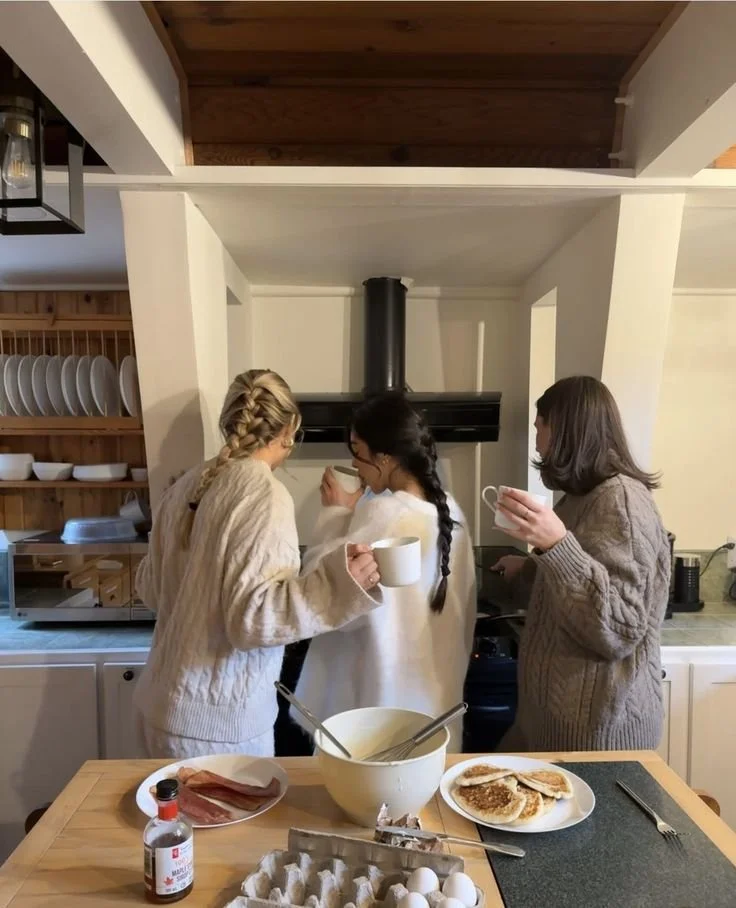
Hosting friends at home can be one of the most restorative ways to feel grounded, joyful, and connected. A mindful gathering is less about entertainment and more about intention: creating a relaxed space where people can slow down, put distractions aside, and enjoy each other’s presence.

In this article, we will explore practical, creative ideas for hosting a mindful gathering with friends, from setting the atmosphere and choosing an activity to serving nourishing snacks and closing the evening with gratitude. You do not need an expensive setup or elaborate plans to make it special; you simply need a welcoming environment, a simple structure, and the confidence to let the night unfold naturally.
No. 1
Set Up a Cozy and Calm Space
The atmosphere you create shapes how your guests feel the moment they arrive. A calm environment encourages people to exhale, settle in, and engage more openly with each other. The goal is not perfection; it is comfort, warmth, and ease.
Declutter for emotional breathing room
Clutter can be visually loud, even when you do not consciously notice it. Clearing a few key areas helps the room feel more spacious and calming.
Tidy the surfaces people will use most, such as the coffee table, kitchen counter, and entryway
Put away non-essential items on floors and chairs to reduce “visual noise”
Set up a simple drop zone for bags and coats so your space stays relaxed throughout the evening
Use soft, flattering lighting
Lighting is one of the fastest ways to shift mood. Harsh overhead lights can make an evening feel formal or rushed, while warm light encourages slower conversation.
Turn off bright ceiling lights if possible
Use lamps, fairy lights, or battery-operated candles for a gentle glow
If you have dimmers, lower the light slightly as guests arrive to signal a slower pace
Make seating feel effortless and inclusive
A mindful gathering works best when everyone can see each other and feels physically comfortable.
Arrange seating in a loose circle to encourage conversation
Add floor cushions, throw pillows, and blankets for a relaxed feel
Ensure at least one supportive chair option for guests who may not be comfortable sitting on the floor
Choose supportive background sound
Silence can feel intimate, but it can also feel awkward at first. Gentle background music helps people settle without competing with conversation.
Pick instrumental playlists, acoustic tracks, or nature sounds
Keep the volume low enough that no one needs to raise their voice
Avoid music with heavy lyrics if you want the focus to stay on connection
Add a light natural scent (optional)
Scent can deepen the feeling of coziness, but it should never overwhelm.
Open a window briefly for fresh air before guests arrive
Use a subtle scent like lavender, vanilla, or citrus
Avoid strong fragrances if you are unsure about sensitivities or allergies
No. 2
Welcome Everyone with an Unwinding Moment
People often arrive carrying the momentum of the day: work stress, errands, traffic, or nonstop notifications. A mindful welcome creates a gentle transition from “doing” to “being.”
Create a simple arrival ritual
A short, consistent routine helps everyone settle quickly, even if they came in feeling scattered.
Greet each guest warmly and invite them to get comfortable
Encourage phones to be placed out of sight or switched to silent mode
Offer a drink immediately so people have something soothing in hand
Try a two-minute group reset
This is easy, non-intimidating, and surprisingly effective at changing the mood in the room.
Invite everyone to sit comfortably and relax their shoulders
Take three slow breaths together: inhale through the nose and exhale through the mouth
Suggest a simple intention for the night, such as “ease,” “presence,” or “connection”
Serve a calming welcome drink
Warm and comforting beverages signal a slower pace.
Herbal tea such as chamomile, peppermint, or rooibos
Fruit-infused water with citrus and fresh mint
Hot cocoa for a cozy, nostalgic feel
Warm apple cider with cinnamon sticks for a seasonal touch
No. 3
Share a Heartfelt Group Activity
A mindful gathering benefits from one main activity that gives the evening structure without making it feel rigid. Creating something with your hands reduces social pressure, keeps conversation flowing naturally, and encourages everyone to relax into the moment.
Host a vision board night
If your group enjoys reflecting on goals and dreams, a vision board party can become the central experience of the evening. It is creative, optimistic, and surprisingly bonding.
Set out simple supplies:
Poster boards or thick paper
Old magazines, catalogs, or printed images
Scissors, glue sticks, tape, and markers
Optional extras like stickers, washi tape, or colored paper
How to guide the activity:
Invite everyone to choose a theme, such as wellness, career, travel, relationships, or home
Encourage guests to include both images and words that feel energizing
Provide time at the end for anyone who wants to share what they made, with no pressure to explain everything
Vision boards are especially powerful because they transform vague hopes into visible reminders. They also invite supportive conversation, where friends can encourage each other and offer ideas that feel exciting rather than stressful.
Offer alternative mindful activities (choose one)
If vision boards are not your group’s style, you can pick an activity that matches your friends’ personalities and energy.
Gratitude jar
Give everyone small strips of paper and pens. Ask them to write three things they are grateful for today, then place the notes in a jar to read aloud or save for later.Kindness cards
Provide blank cards, markers, and stickers. Invite guests to write encouraging notes to someone who could use a boost.Painted kindness stones
Use paint pens to write uplifting words like “Breathe,” “Hope,” or “Peace” on small rocks. Guests can keep theirs or place them later as gentle surprises.Mini book or poem swap
Ask each person to bring a short passage, poem, or quote that has helped them recently. Read a few aloud and discuss why they resonate.Mindful crafting table
Set up an unstructured station with simple materials such as colored paper, stamps, or collage items and let creativity lead.
Keep the tone supportive and low-pressure
The point of the activity is presence, not performance.
Emphasize that there is no “right way” to create
Allow quiet moments while people focus
Keep conversation gentle and inclusive so no one feels left out
No. 4
Keep the Food Simple and Nourishing
Food naturally brings people together, but mindful hosting is not about cooking a complex meal. The best approach is to offer easy-to-serve snacks that feel wholesome, colorful, and comforting.
Build a simple snack spread
Aim for a mix of fresh, crunchy, warm, and sweet options so everyone can find something they enjoy.
Fresh fruits and vegetables
Sliced apples, berries, grapes, carrot sticks, bell peppers, cucumber slices, and cherry tomatoesDips and spreads
Hummus, yogurt-based dip, guacamole, or a simple olive oil and balsamic dipCrunchy snacks
Popcorn, pretzel twists, pita chips, whole-grain crackers, or lightly salted nutsWarm, cozy additions
A small pot of soup, mini grilled sandwiches, or a baked appetizer you can keep warmSweet treats
Dark chocolate squares, oatmeal cookies, mini muffins, or fruit skewers
Make serving feel relaxed and communal
How you present food affects how people interact with it.
Place snacks in the center of the room on boards or simple bowls
Use smaller plates so people can nibble without feeling committed to a “meal”
Provide napkins, water, and a clear place for used dishes to reduce mess stress
Support mindful eating without being strict
You do not need to announce “mindful eating,” but you can encourage it subtly.
Offer a short pause before eating to appreciate the smell and taste
Keep portions flexible so no one feels pressured to eat more than they want
Include at least one option that accommodates common needs (vegetarian, gluten-free, dairy-free) if you know your group
No. 5
Ask Questions That Lead to Meaningful Conversations
Mindful connection often comes from better questions, not more talking. Instead of defaulting to stressful topics, invite the group into stories, reflections, and light-hearted memories.
Use conversation starters that feel safe and genuine
What made you laugh out loud this week?
What is one small win you are proud of lately?
What is something you are looking forward to this season?
What is a comforting routine that helps you feel like yourself?
What is a favorite memory you have with someone here tonight?
Make space for mindful listening
A mindful gathering is not a performance; it is a shared experience. As the host, you can gently model the tone.
Let people finish their thought without interrupting
Avoid immediately “fixing” someone’s problem unless they ask
Ask follow-up questions that show care, such as “What did that feel like?” or “What helped most?”
Leave natural pauses so quieter guests have time to speak
Include a low-pressure sharing format (optional)
If your group is larger, a structure can prevent side conversations and help everyone feel included.
Go around the circle with one question at a time
Invite guests to say “pass” if they do not want to answer
Keep answers short so the energy stays light and engaged
No. 6
End the Evening with Gratitude
Closing matters. A mindful ending helps the gathering feel complete and leaves guests with a lingering sense of warmth, rather than the abrupt feeling of “it’s late, we should go.”
Choose a simple closing ritual
Keep it short, sincere, and easy.
One-word checkout
Ask each person to share one word for how they feel as the evening ends.Favorite moment reflection
Invite each guest to share one moment they enjoyed, such as a conversation, a laugh, or something they created.Appreciation round
Encourage guests to thank someone in the room for something specific, even if it is small.
Offer a tiny take-home token (optional)
A small keepsake can extend the feeling of the gathering into the next day.
A kindness stone from the activity
A handwritten note or a favorite quote on a small card
An herbal tea bag for the next morning
A small bundle of lavender or a simple snack for the ride home
Takeaways
Mindful gatherings are about intention, not perfection, and a calm environment sets the tone before anyone even sits down. When you reduce clutter, soften the lighting, and create comfortable seating, guests naturally relax and connect more easily.
A simple arrival ritual and one heartfelt activity give your gathering structure without making it feel rigid. Nourishing snacks, warm drinks, and meaningful conversation prompts help people stay present and engaged without relying on constant entertainment.
The most memorable evenings usually end with a gentle closing, such as a gratitude round or a one-word checkout. When guests leave feeling seen, welcomed, and restored, you have succeeded at mindful hosting.
Looking for resources?
At Hello Lovely Living, we aim to empower you to earn and save money and time while benefiting from our expansive network of home, life, wellness, travel, work-from-home, career, and business resources and opportunities. Discover a wealth of tools to support your journey.