How To Experience Live Music Without Sensory Burnout
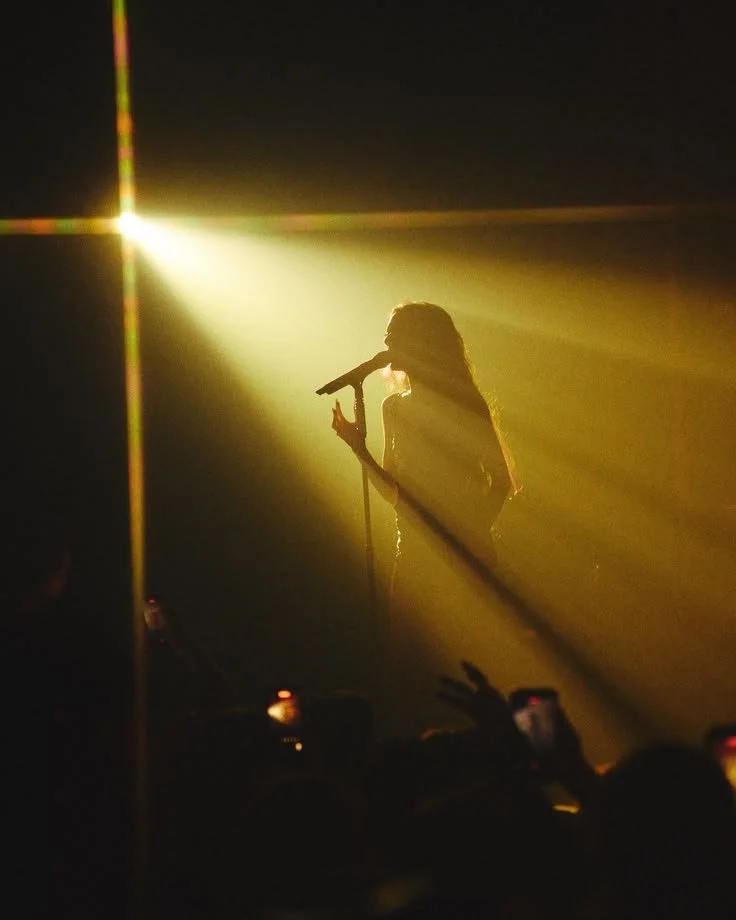
Live music should leave you energized, not drained by ringing ears, a headache, or the urge to hide somewhere silent. A few intentional habits can help you enjoy the show while reducing the physical and sensory strain that builds during a long performance.
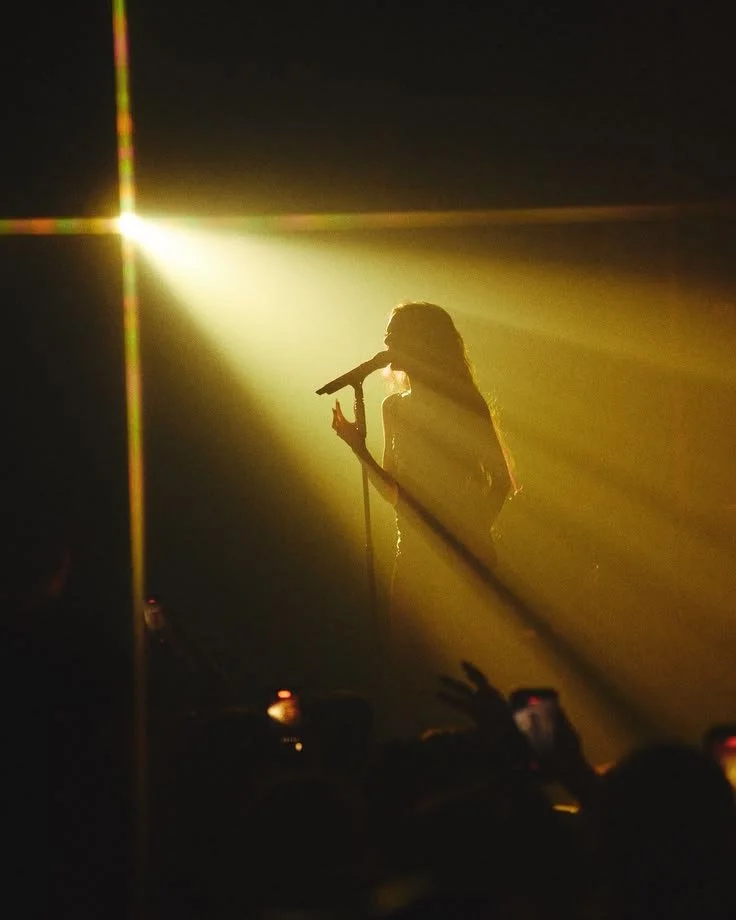
A balanced concert routine starts before the first song and continues after the venue lights come up. These practical tips complement our guide to finding a healthier live music balance, especially if you attend festivals, standing-room shows, or back-to-back events.
In this article, we will explore what sonic fatigue is and why it happens. We'll also cover how to choose and use hearing protection, how to build quiet breaks into a show, how to stay hydrated and steady on your feet, and how to recover once the music ends.
No. 1
The Hidden Toll of Sonic Fatigue
Sonic fatigue is the mental and physical exhaustion that can follow long exposure to loud sound. It often builds slowly, so many concertgoers don't notice it until the show is nearly over.
Common Signs of Sensory Overload
Sonic fatigue can show up in several ways, including:
Irritability or a short temper
Poor concentration or mental fog
Muffled or dull hearing
Ringing, buzzing, or hissing in the ears
Headaches or pressure behind the eyes
Unusual exhaustion that feels out of proportion to the activity
Crowds, flashing lights, and limited personal space can add to that overload. You might notice the effects midway through a show, or they may hit once you reach a quiet car or hotel room.
Why Volume and Time Both Matter
Sound intensity and exposure time work together. The NIOSH exposure guidance recommends limiting time around elevated noise levels because the safe exposure period shrinks as volume rises.
NIOSH sets its recommended limit at 85 decibels averaged over eight hours. For every 3-decibel increase, the safe exposure time is cut in half, so 100 decibels allows only about 15 minutes. Many concerts reach or exceed that level, especially near the stage.
When to Pay Attention
Ringing, buzzing, or dull hearing after a performance are signs that your ears have been under stress. These symptoms often fade within a day, but repeated exposure can lead to lasting damage.
Give yourself a quiet recovery period after any loud event. If symptoms last more than a day or two, or if you notice sudden hearing loss, see a hearing care professional promptly.
No. 2
Prioritize Modern Hearing Protection for Concerts
Hearing protection is the single most effective way to reduce sonic fatigue. Today's options are far more comfortable and better-sounding than older styles.
Put Them In Early
Pack earplugs before you leave home, then put them in when the music begins. Don't wait until your ears feel uncomfortable, because the stress has already started by then.
Compare Your Options
Each type of earplug offers different benefits:
Foam earplugs are inexpensive and widely available. They reduce volume effectively, though they can make a performance sound muffled.
High-fidelity earplugs lower volume more evenly across frequencies. This helps preserve vocals and instrumental detail, so the music sounds natural, just quieter.
Custom-fit earplugs are molded to your ears for comfort and a secure seal. Many offer selectable filter strengths, which makes them a smart investment for frequent concertgoers and musicians.
Explore current hearing protection for concerts when comparing fit, sound clarity, and volume reduction. The best earplug is the one you'll actually wear for the whole show.
Get the Fit Right
A poor fit can cut an earplug's effectiveness sharply. Follow these tips for a better seal:
Roll foam plugs into a tight, narrow cylinder before inserting them.
Gently pull the top of your ear up and back to open the ear canal.
Hold the plug in place for a few seconds while it expands.
Check the fit by cupping your hands over your ears; the sound shouldn't change much if the seal is good.
Test and Store Them Properly
Test new earplugs at home with recorded music before your next show. This helps you get used to the fit and the sound.
At the venue, keep them in a small case attached to your keys or bag. That keeps them clean and easy to reach if you take them out between sets.
No. 3
Create Moments for Quiet Grounding
Short quiet breaks can keep sensory strain from piling up over several hours. Even a few minutes away from the noise can reset your energy.
Scout Your Quiet Spots
Look for a calm area soon after you arrive. Good options include:
A lobby or concourse
An outdoor patio or smoking-free courtyard
A low-traffic hallway near the restrooms
A designated sensory or quiet room, which some venues now offer
Use Breaks Wisely
During a long opening set or changeover, step away for about five minutes and let your eyes and ears rest. Use that pause to relax your jaw, lower your shoulders, and take several slow, deep breaths.
These small physical cues signal your nervous system to settle. You'll often return to the crowd feeling more alert and present.
When You Can't Leave the Floor
If stepping away isn't practical, you can still reduce strain where you stand:
Turn away from bright stage lighting for a moment.
Focus on one steady visual point instead of moving lights or screens.
Move farther from speaker stacks to reduce direct sound exposure.
Close your eyes briefly and breathe slowly through a song.
Plan Recovery Gaps at Festivals
Festivals can stretch across many hours or several days. Schedule recovery gaps between the artists you most want to see.
Missing part of a less important set may help you stay fully present for the performance that brought you there. Think of rest as part of the lineup, not a break from it.
No. 4
Stay Hydrated and Physically Present
Your body works hard during a concert, even if you're simply standing. Heat, crowds, and hours on your feet can drain energy and make sensory discomfort worse.
Drink Steadily
Drink water steadily throughout the event instead of trying to catch up once you feel thirsty. Your body loses fluid through sweat in warm venues, especially when you're dancing or standing in a dense crowd.
General hydration recommendations encourage regular fluid intake during physical activity and hot conditions. If you drink alcohol, alternate each drink with a glass of water to avoid dehydration.
Prepare Before You Arrive
A little planning helps you stay comfortable all night:
Check the venue's policy on refillable bottles.
Locate water stations when you arrive.
Eat a balanced meal or snack before the show.
Wear supportive, broken-in shoes.
Dress in breathable layers you can adjust as the room heats up.
Eating ahead of time matters more than many people realize. Low energy can amplify dizziness, nausea, and sensory discomfort.
Mind Your Stance
Pay attention to how you're standing, especially during long sets. Unlock your knees, shift your weight from foot to foot, and stretch your calves during breaks.
Locked knees can restrict circulation and contribute to lightheadedness. Small, regular movements keep blood flowing and reduce fatigue.
Know When to Step Out
If you feel faint, confused, or unusually weak, move to a cooler area right away. Ask venue staff or on-site medical teams for help instead of pushing through the set.
These symptoms can signal heat exhaustion or dehydration. No song is worth risking your health.
No. 5
Recover After the Show
Your concert routine doesn't end when the encore does. How you spend the next few hours can affect how quickly your ears and body bounce back.
Give Your Ears a Rest
After a loud event, give your hearing a quiet period to recover. Try these habits:
Skip loud music in the car on the way home.
Avoid earbuds and headphones for the rest of the night.
Choose calm activities, such as reading or stretching, before bed.
Plan a quieter day afterward if you attended a long festival.
Restore Your Energy
Rehydrate with water and eat a nourishing snack if you haven't had a meal in several hours. A good night's sleep helps your body and mind recover from the sensory load.
If you have back-to-back events, protect your rest between them. Recovery time helps you enjoy every show, not just the first one.
Do a Final Check During the Encore
A comfortable concert experience may come down to one small check during the encore. Make sure your earplugs are still secure, your water bottle isn't empty, and your body feels steady enough to enjoy the final song.
Takeaways
Sonic fatigue builds from loud volume, long exposure, crowds, and bright lights, and it can leave you drained after a show. Ringing or muffled hearing is a warning sign, so rest your ears and seek care if symptoms persist.
Wear well-fitted earplugs from the first song, and consider high-fidelity or custom-fit options for clearer sound. Short quiet breaks, distance from speakers, and planned festival gaps help prevent sensory overload.
Drink water steadily, eat before the show, and keep your body moving to stay steady on your feet. After the music ends, give your ears and body quiet time to recover so you're ready for the next show.
Looking for resources?
At Hello Lovely Living, we aim to empower you to earn and save money and time while benefiting from our expansive network of home, life, wellness, travel, work-from-home, career, and business resources and opportunities. Discover a wealth of tools to support your journey.