Hotel Accident Victims: Rights, Duties, And Next Steps
Hotels are designed to feel safe, effortless, and welcoming, but even well-managed properties can hide preventable risks. A slick lobby tile, a loose handrail, poor lighting in a parking lot, or an unmarked step can turn a routine stay into a medical emergency and a legal dispute. In this article, we will explore the role of a victim in a hotel accident, including the legal standing of guests, how negligence is established, how a victim’s actions can strengthen or weaken a claim, and the practical steps that protect both health and rights after an injury.

Understanding victim responsibilities is not about shifting blame to the injured person. It is about recognizing how hotel injury claims are evaluated in the real world, where evidence, timing, documentation, and credibility often determine whether compensation is fair, reduced, or denied.
No. 1
The Legal Standing of a Hotel Guest
When a person checks into a hotel, they typically become a lawful guest under premises liability principles. Hotels are commercial properties that invite paying members of the public onto the premises, which usually places guests in a protected category of visitors. With that invitation comes a duty of care: the hotel must take reasonable steps to keep the property safe and to address hazards it knows about or should know about.
A hotel’s duty of care commonly extends across the entire guest experience, not just the room.
Areas where hotels must maintain reasonably safe conditions
Guest rooms and bathrooms
Hallways, stairwells, and elevators
Lobbies, restaurants, lounges, and conference areas
Parking lots, drop-off zones, and sidewalks
Pools, spas, gyms, and recreational facilities
Back-of-house access points that guests might reasonably enter, such as service corridors near meeting rooms
Slip-and-fall incidents are among the most frequently reported types of hotel injuries. These often occur in transitional areas such as entryways during rain, pool decks, recently mopped corridors, or bathrooms where water and smooth flooring meet.
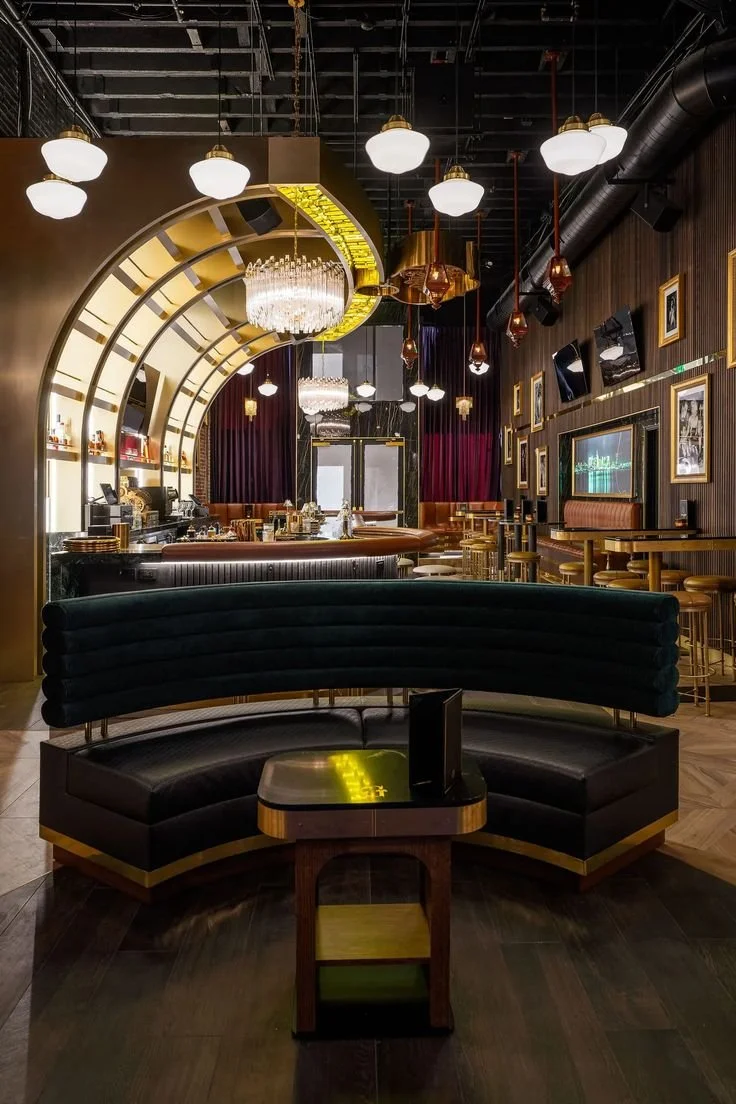
For instance, a guest who tripped at hotel lounge seating due to a poorly marked step elevation would need to document the scene, notify staff promptly, and seek medical attention if necessary. These steps are not merely procedural formalities; they form the evidentiary backbone of any claim that may follow.
Common hotel hazards that lead to guest injuries
Wet floors with insufficient signage
Uneven carpeting, torn rugs, or curled mats
Broken steps, loose tiles, or damaged thresholds
Poor lighting in corridors, staircases, or parking areas
Unstable furniture, such as chairs with loose legs
Faulty locks or doors that create impact injuries or security-related harm
No. 2
How Negligence Is Established in a Hotel Accident
For a hotel to be legally responsible, it is typically not enough that someone was injured on the property. The central question is whether the hotel was negligent, meaning it failed to act as a reasonably careful hotel would under similar circumstances.
Negligence is usually evaluated through a combination of facts, documentation, and predictable safety expectations in the hospitality industry.
What a victim generally must show to support a claim
A dangerous condition existed
Example: a spill, broken handrail, or uneven flooring
The hotel knew or should have known about the hazard
This is often discussed as actual notice or constructive notice
The hotel failed to fix, clean, repair, or warn in a reasonable timeframe
Timing can be critical, especially for spills or temporary hazards
The dangerous condition caused the injury
Medical documentation and prompt evaluation often matter here
The victim suffered damages
Such as medical bills, missed work, and pain-related impacts
Evidence that commonly supports or undermines negligence
Maintenance logs and housekeeping schedules
Surveillance video from hallways, elevators, lobbies, or parking areas
Prior complaints or incident reports involving the same hazard
Photographs of the hazard and the surrounding environment
Testimony from staff, other guests, or first responders
Constructive notice is a key concept in many premises cases. If a hazard existed long enough that a reasonable inspection would have found it, a hotel may be treated as if it knew about it, even if no employee admits direct knowledge.
No. 3
The Victim’s Conduct and Comparative Fault
In many jurisdictions, the victim’s own actions are evaluated alongside the hotel’s conduct. This does not mean the injured person “caused” the accident, but it can affect how responsibility is allocated and whether compensation is reduced.
Comparative negligence systems generally reduce compensation in proportion to the victim’s share of fault. That means victim behavior, decision-making, and awareness can become major dispute points.
Examples of conduct that can reduce compensation
Ignoring a clearly visible warning sign
Running, roughhousing, or behaving recklessly in a known high-risk area
Walking while distracted, such as texting in a dim stairwell
Entering restricted areas marked for staff only
Wearing unsafe footwear for a slippery environment, depending on local legal standards
Examples of conduct that usually does not eliminate a claim
Failing to anticipate an unmarked hazard
Walking normally in an area open to guests
Using a hotel facility as intended, such as a pool deck or gym walkway
Noticing a hazard only after the injury occurred
Victim conduct becomes especially important when the hotel argues that the hazard was open and obvious. Even in those cases, the analysis can be nuanced because hotels may still have a duty to mitigate foreseeable harm in areas where guests must walk or where alternative routes are not practical.
No. 4
Immediate Steps After a Hotel Injury
The minutes and hours after an injury can shape the entire claim. The most important goals are to protect health, preserve evidence, and create a clear timeline. Victims who delay action often face disputes about what happened, whether the hazard existed, and whether the injury is connected to the incident.
Step 1: Get medical attention promptly
Seek on-site assistance if available
Visit urgent care or an emergency department when symptoms warrant it
Follow medical advice and keep copies of discharge notes and diagnoses
Prompt evaluation helps document causation, especially for injuries that may worsen over time, such as head trauma, back injuries, or soft-tissue damage.
Step 2: Report the incident to hotel management
Request that an incident report be created
Ask for a copy or, at minimum, the report number and the manager’s name
Provide factual details without speculating about blame
Hotels may respond quickly by cleaning, repairing, or changing signage. That can improve safety for others, but it can also erase critical evidence, which is why reporting and documentation should happen as soon as possible.
Step 3: Document the scene thoroughly
Photograph the hazard from multiple angles
Capture lighting conditions, nearby signs, and the surrounding walkway
Photograph footwear and any visible injuries if appropriate
Note the date, time, and exact location
Step 4: Collect witness information
Names and phone numbers of guests who saw the fall or hazard
Staff names and job roles if they assisted
Any statements made spontaneously, such as “that’s been like that all day,” should be written down immediately
Step 5: Preserve records and receipts
Medical bills and treatment plans
Travel disruption costs if relevant
Proof of missed work and wage loss documentation
Notes about pain levels, mobility limits, and daily impacts
A short, accurate timeline written the same day can be extremely helpful later when details become harder to recall.
No. 5
The Emotional and Financial Dimensions of Victimhood
A hotel injury is rarely confined to physical pain. It can also cause trip disruption, anxiety, and loss of independence, particularly when injuries limit movement or require follow-up care far from home.
Financially, even “moderate” injuries can snowball into large costs.
Common categories of damages in hotel injury matters
Medical treatment and rehabilitation
Prescription costs and assistive devices
Lost wages and reduced earning capacity
Out-of-pocket travel changes, depending on circumstances
Pain and suffering and loss of enjoyment, where allowed
A major practical risk is delay. Every jurisdiction has time limits for filing personal injury claims, and missing the statute of limitations can bar recovery entirely. Victims also risk losing evidence as surveillance footage is overwritten and witnesses become unreachable.
No. 6
Communicating With the Hotel and Insurers
After a report is made, hotel management or an insurer may contact the victim quickly. The goal may be to obtain a statement, gather information, or propose an early settlement.
Victims benefit from staying organized and careful in communication.
Best practices for communication after an injury
Keep statements factual and consistent
Avoid guessing distances, times, or causes if uncertain
Do not minimize symptoms, especially early on
Ask for key details in writing, such as claim numbers and contact emails
Keep copies of every email, letter, and report
A fast settlement offer is not always fair, particularly if the victim’s medical prognosis is uncertain. Injuries can evolve, and complications sometimes appear days later.
No. 7
When Professional Guidance Becomes Important
Premises liability cases can become technical. Hotels may rely on internal documentation, vendor contracts, surveillance footage, and insurance teams experienced in reducing payouts. In more serious injuries, professional guidance can help balance the information gap and ensure evidence is gathered before it disappears.
Situations where victims often seek legal help
Fractures, head injuries, spinal injuries, or surgery-related outcomes
Disputes about whether the hazard existed or was marked
Claims involving security failures, such as assaults due to broken locks or inadequate lighting
Cases where the hotel alleges significant victim fault
Situations involving multiple responsible parties, such as a cleaning contractor
Professional support can also help victims understand realistic compensation ranges, negotiate effectively, and avoid common documentation mistakes.
No. 8
How Hotels Can Reduce Risk and Why It Matters to Victims
While the focus here is the victim’s role, prevention matters. Hotels reduce injuries and claims by adopting clear inspection routines and prioritizing fixes before hazards cause harm. When hotels take safety seriously, victims are less likely to face disputes because the documentation and procedures are clearer.
Safety practices that reduce guest injuries
Scheduled inspections of walkways, stairs, and high-traffic flooring
Clear wet-floor protocols and rapid spill response
Lighting audits in parking areas and corridors
Routine maintenance of railings, thresholds, and elevators
Staff training on incident response and accurate reporting
For victims, stronger hotel safety programs can mean fewer hazards in the first place and clearer records when something does go wrong.
Takeaways
Victims play an active role in hotel accident outcomes, not because they control the hazard, but because their actions after the injury shape the evidence and timeline. Prompt reporting, medical care, photos, and witness details often determine whether negligence can be proven.
Hotels generally owe guests a duty of reasonable care across rooms, common areas, and exterior spaces. To succeed in a claim, it is usually necessary to show the hotel knew or should have known about the danger and failed to address it reasonably.
Victim conduct can affect compensation under comparative negligence rules, so careful, consistent documentation matters. For additional peace of mind, travel insurance can help cover unexpected medical expenses or trip disruptions while a claim is being evaluated.
Looking for resources?
At Hello Lovely Living, we aim to empower you to earn and save money and time while benefiting from our expansive network of home, life, wellness, travel, work-from-home, career, and business resources and opportunities. Discover a wealth of tools to support your journey.