How Your Home Environment Boosts Daily Wellbeing
You begin and end most days at home, so its design, comfort, and functionality shape your energy, focus, and mood more than you may realize. This is especially true in London, where compact layouts, shared living arrangements, and constant city stimulation can make it harder to create a space that feels calm and restorative. In this article, we will explore practical, realistic ways to make your home support your wellbeing, from improving layout and storage to maximizing light, airflow, and connection to your neighborhood.
The best part is that meaningful improvements rarely require major renovations or a bigger postcode. Small shifts in how you use space, reduce friction in daily routines, and create moments of calm can have an outsized impact on how you feel day to day.
No. 1
How Space and Layout Influence Mood, Focus, and Stress
A home that works against you can turn simple tasks into repeated micro-stressors. When you are constantly stepping around clutter, struggling to find a place to work, or feeling boxed in by poor furniture placement, your brain stays in “problem-solving mode,” which can quietly drain your energy.
A wellbeing-focused layout is less about aesthetics and more about function: making it easy to live, rest, and move through your day.
Identify how you actually use each room
Before moving anything, take a realistic look at how your space operates right now:
Where do you naturally sit when you want to relax?
Which area becomes a dumping ground for bags, laundry, or paperwork?
Where do you work best, and where do you get distracted?
Which items do you reach for every day, and which ones rarely get used?
Once you map your habits, you can adjust your environment to support them rather than fighting them.
Create zones to reduce mental clutter
Even in a studio or one-bedroom flat, dividing one space into “zones” can make daily life feel more organized and less chaotic.
Working zone
Place a desk near natural light where possible
Keep cables, chargers, and supplies contained in one area
Resting zone
Face seating toward a calming view or a focal point like art or a plant
Avoid placing work items within your direct line of sight
Transition zone
Use a small shelf, hook rail, or tray near the door for keys, post, and essentials
This reduces the frantic morning search that starts the day on edge
Use furniture placement to improve flow
When rooms feel cramped, the goal is to create clear pathways and reduce obstacles.
Pull furniture slightly away from radiators and door swings
Avoid blocking natural walking routes with side tables or stools
Consider slimline furniture that gives function without visual heaviness
Use rugs to define areas without adding physical barriers
For shared accommodation, small layout decisions can also protect privacy and reduce friction between housemates.
No. 2
Smart Storage Solutions That Reduce Clutter and Decision Fatigue
Clutter is not only visual. It creates background noise for the brain, which makes it harder to focus and relax. In smaller London homes, storage is not a luxury feature; it is a daily wellbeing tool.
The aim is to give every frequently used item a reliable home, so you spend less time searching, moving piles, or feeling behind.
High-impact storage upgrades for small spaces
Vertical shelving to free up floor space
Under-bed storage for off-season clothing and spare linens
Over-door hooks for coats, bags, and towels
Furniture with concealed compartments, such as storage ottomans
Stackable containers in wardrobes to create “shelves within shelves”
Shared living: protect calm with defined personal space
If you live with others, boundaries make a major difference to comfort.
Set up personal storage that is clearly yours
Agree on shared zones and household “reset routines”
Use baskets or bins to keep communal items organized
Keep high-traffic spaces like the kitchen counters as clear as possible
A simple rule that helps in shared homes is to reduce “surface living,” meaning fewer items left on counters, tables, and windowsills. This can instantly make the space feel calmer, even if the home is small.
No. 3
Light and Fresh Air: Let Your Home Breathe
Light and air quality influence how you feel in a room within minutes. Natural light can support alertness and mood, while stale air and damp conditions can make a home feel heavy and uncomfortable.
London properties, particularly older buildings or converted flats, may be more prone to issues like limited cross-ventilation or bathroom moisture, so these upgrades are especially useful.
Practical ways to increase natural light
Keep windows unobstructed by furniture where possible
Choose lighter window treatments that still preserve privacy
Place mirrors opposite or adjacent to windows to bounce daylight deeper into the room
Use lighter wall colours and reflective surfaces to reduce gloom
Keep window sills clear to maximize incoming light
Ventilation habits that improve comfort
Fresh air is often an overlooked element of wellbeing, but it can change how a space feels immediately.
Open windows daily, even briefly, to refresh airflow
Use extractor fans in kitchens and bathrooms to reduce moisture build-up
Avoid drying laundry in unventilated rooms when possible
Address condensation early to reduce the risk of damp
Houseplants can make a home feel more alive and can support a calming atmosphere, but they should complement ventilation, not replace it.
If you are moving rather than improving, consult with experienced estate agents in London to help you identify homes with features such as larger windows, outdoor space, or practical layouts.
No. 4
Sound, Privacy, and Calm in Busy Urban Settings
City noise is a form of stress many people normalize, but it still affects rest and concentration. Sirens, traffic, neighbors, and thin walls can make it difficult to fully switch off, particularly if you work from home.
You do not need to fully soundproof your flat to reduce the impact of noise. A few targeted adjustments can help.
Easy ways to reduce noise and improve privacy
Add thick curtains or layered window coverings
Use rugs to absorb sound, especially in rooms with hard flooring
Place bookcases against shared walls where possible
Use a white noise machine or a fan at night to mask sudden noises
Create a bedroom routine that limits stimulating sound late in the evening
If you live with others, privacy is also emotional safety. Small boundaries, like a designated quiet hour or a clear “do not disturb” signal during work calls, can reduce tension and improve everyone’s experience of the home.
No. 5
Personalize Your Space Around Your Real Routine
Personalization is not about copying a trend. It is about creating a home that reflects your life, supports your habits, and feels like it belongs to you. This matters for wellbeing because it increases comfort, reduces friction, and strengthens your sense of control and identity.
Personalization ideas that create warmth without clutter
Display a curated set of photographs rather than scattering many frames
Choose artwork that makes you feel grounded or energized
Keep a small rotating selection of meaningful objects rather than filling shelves
Add textiles for comfort, such as cushions and throws
Use scent intentionally, such as candles or essential oil diffusers, if tolerated
Design for daily life, not occasional life
A home that supports wellbeing removes barriers from your day.
If you work from home, turn an alcove into a defined workstation
If you cook often, reorganize your kitchen around the tools you use most
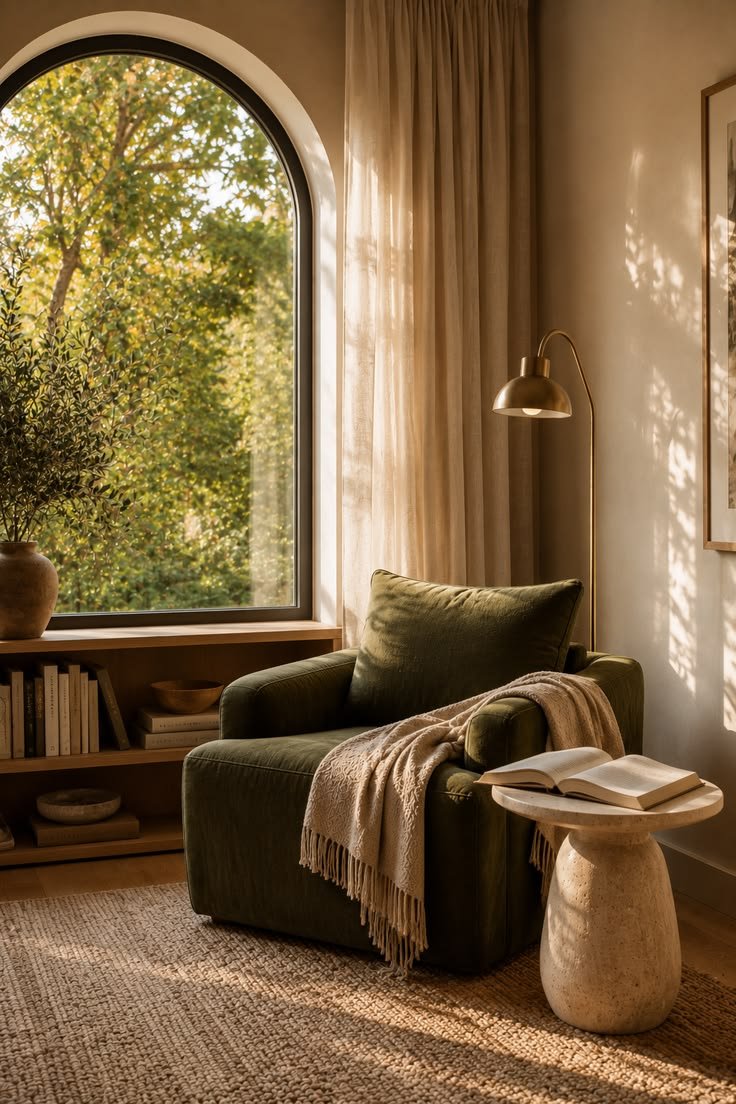
If you struggle to unwind, create a small reading or tea corner
If mornings feel rushed, set up an easy “launch pad” near the door
The theme is simple: design for how you actually live, not how you think you should live.
No. 6
Neighborhood and Community: Wellbeing Beyond Your Front Door
Wellbeing does not stop at the threshold. Your daily experience is shaped by what is accessible outside your home and how connected you feel to your local area.
In a city as dynamic as London, neighborhood routines can provide stability and a sense of belonging, which directly supports mental wellbeing.
Neighborhood features that make daily life easier
Parks and green space for movement and decompression
Reliable transport links that reduce commuting stress
Shops, cafés, and services within walking distance
Libraries, markets, and community spaces that encourage routine
Safe, well-lit streets that support evening walks
Simple ways to build connection locally
Join a community group, sports club, or class
Become a regular at a local café and build small familiar interactions
Use local markets and speak with stallholders
Chat to neighbors during walks or in communal areas
These small points of connection can turn an area from “where you live” into “your community,” which changes how home feels on an emotional level.
No. 7
Create a Home That Helps You Feel Your Best
Urban living will continue to evolve, and the importance of a wellbeing-supportive home will only increase as more people work remotely, share housing, or live in smaller spaces for longer. The goal is not perfection. It is to reduce daily friction and increase daily restoration through practical design choices.
Start small and focus on the changes that you will feel immediately: better light, clearer zones, improved storage, and more breathable air. Over time, those choices build a home that supports energy, calm, and confidence in everyday life.
Takeaways
Your home environment shapes wellbeing through layout, light, air quality, and daily functionality, often in ways that are subtle but cumulative. When your space supports your routines, it reduces stress and frees up energy for the rest of your life.
Small homes can still feel restorative when you use zoning, smart storage, and thoughtful furniture placement to reduce clutter and improve flow. In shared living, clearly defined personal areas and simple household systems can also protect privacy and comfort.
Wellbeing is also influenced by what happens beyond your front door, including access to parks, services, and a sense of neighborhood connection. A few intentional changes inside the home, paired with local routines outside it, can make city living feel significantly more supportive and enjoyable.
Looking for Home resources?
Looking to enhance your living space and create a sanctuary that supports your well-being? Explore our home partners who offer a wide range of resources to elevate your home environment.