How To Choose A Local Flooring Company You Can Trust
New floors are one of the biggest changes you can make to a home. They affect how every room looks, how it sounds when you walk across it, and how easy it is to keep clean. Picking the right company matters as much as picking the right material.
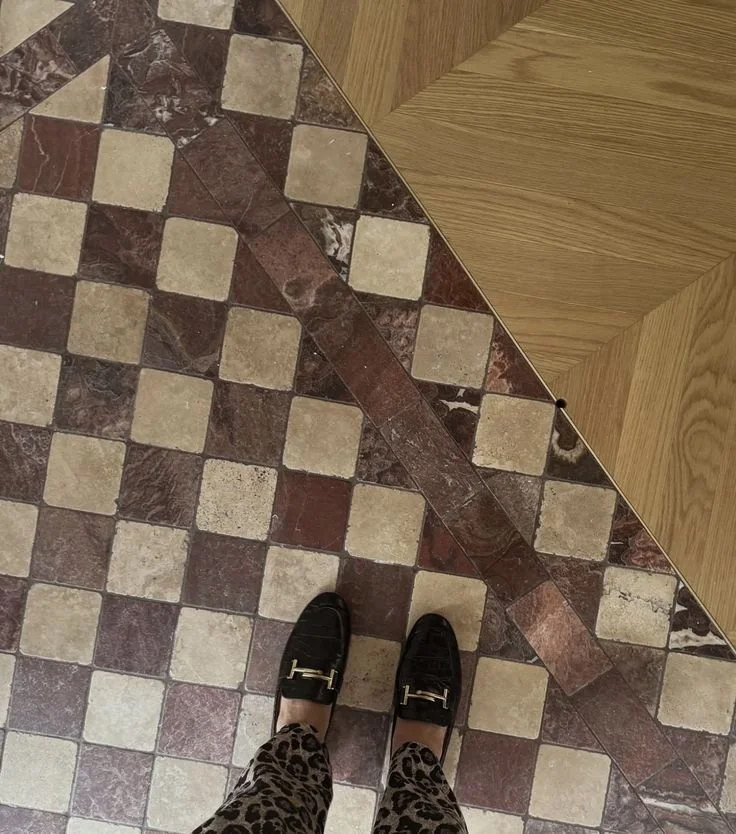
A beautiful product can still fail if it's installed badly. A good flooring partner helps you avoid costly surprises from the first sample to the final cleanup.
In this article, we will explore how to judge a local flooring company, from the showroom to installation day. We'll also cover what to ask, what warning signs to watch for, and how to match materials to your home so the job is done well the first time.
No. 1
Start With the Showroom
Photos online are helpful, but you need to see and touch flooring before you buy it. A good local showroom lets you compare flooring types side by side under real lighting. You can feel the texture, see the grain or pattern up close, and get a sense of how each option holds up to daily wear.
What You Can Compare in Person
A well-stocked showroom should let you look at:
Luxury vinyl plank in a range of colors and wood-look finishes
Porcelain and ceramic tile in different sizes and textures
Carpet in different pile heights and fiber types
Solid and engineered hardwood
Laminate options for budget-friendly projects
Take Samples Home
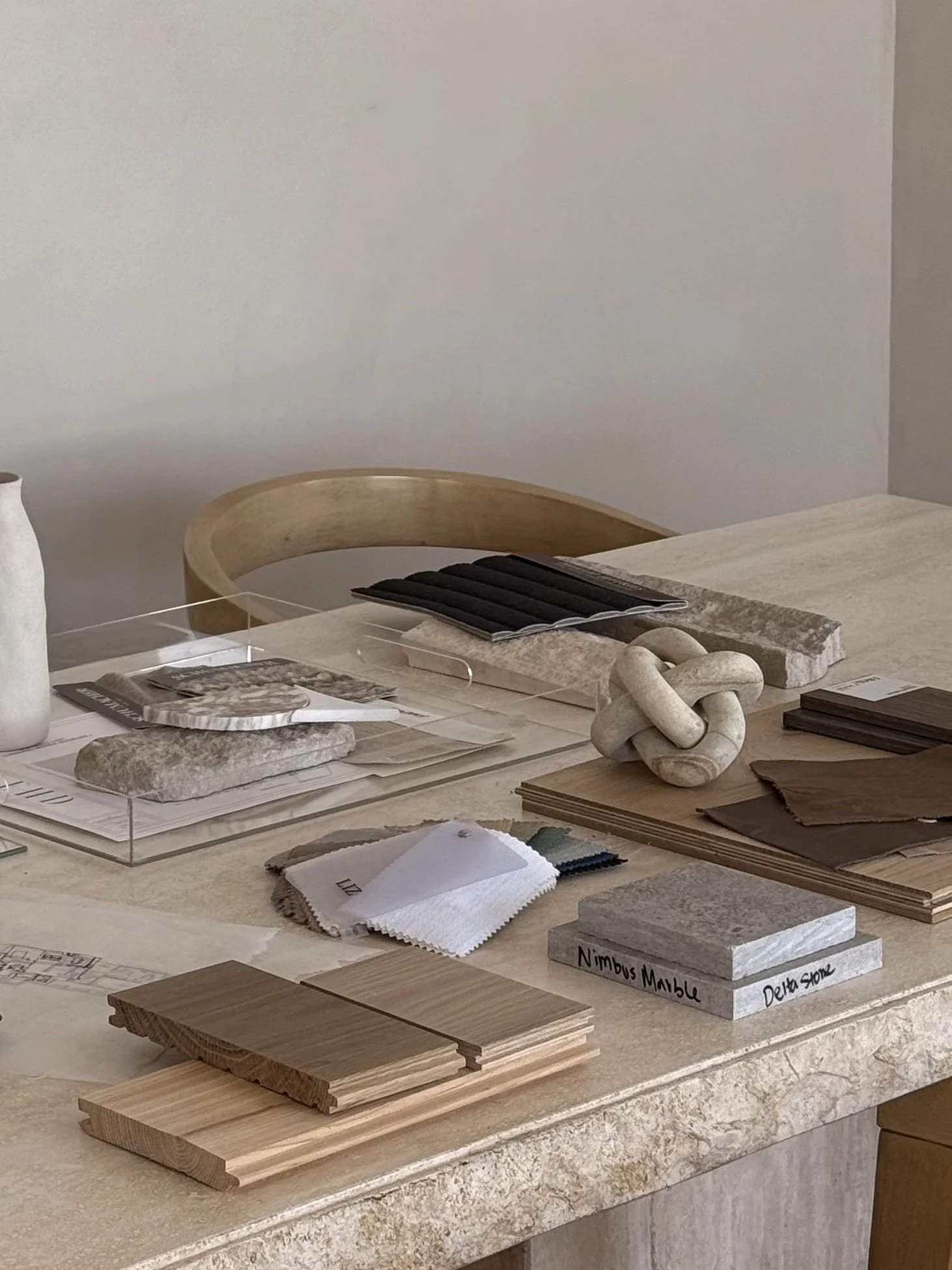
Ask to borrow samples whenever you can. Floors look different in the morning sun than they do under evening lamps. A color that seems perfect in a store can feel too dark in a room with small windows.
Place samples in each room you plan to update and check them at different times of day. Set them next to your cabinets, walls, and furniture to see how everything works together.
Notice How the Staff Talks With You
The best flooring advisors learn about your household before they recommend anything. A thoughtful advisor will usually ask about:
Pets and how active they are
Young children or older family members who need slip resistance
How much direct sun each room gets
Whether you prefer a warm or cool feel underfoot
Your budget and timeline
If a salesperson pushes one product before asking any questions, keep shopping. Good advice starts with listening.
No. 2
Ask Who Will Do the Installation
Most flooring problems start during installation. Even premium materials can buckle, separate, or crack when the installation is rushed or poorly prepared. Before you sign anything, find out exactly who will be working in your home.
Questions to Ask About Installers
Ask the company these questions up front:
Do you use your own installers or hire subcontractors?
How much experience do your installers have with the material I'm choosing?
Is your company licensed and insured?
Who do I contact if something goes wrong during or after the job?
In Arizona, you can check a contractor's license status through the Arizona Registrar of Contractors. It takes only a few minutes and can save you a lot of trouble.
Why Subfloor Prep Matters
Concrete slabs are common in Arizona homes and need careful attention before any new floor goes down. Installers should check the slab for moisture and flatness first. Skipping that step can lead to gaps, hollow spots, or cracked tile later.
Ask how the company tests for moisture and how it fixes uneven areas. A professional crew will explain whether the subfloor needs leveling, patching, or a moisture barrier.
What Happens on Installation Day
A trustworthy company will explain the process before work begins. Expect them to cover:
Moving furniture and whether you need to clear any rooms yourself
Removing and disposing of old flooring
Handling transitions between rooms and different floor types
Cleaning up when the job is done
How long your home will be disrupted
Clear communication about the schedule helps you plan around work, school, and pets. It also shows the company respects your time and your home.
No. 3
Look for an In-Home Measurement
Accurate measurements keep you from ordering too much or too little material. Running short in the middle of a project can cause delays, and a later batch may not match the color of the first. Ordering far too much wastes money.
What an In-Home Visit Reveals
An in-home visit lets the estimator see details that affect the plan, including:
Doorways and how floors will meet at thresholds
Stairs, which take extra time and special materials
Closets and small spaces that are easy to miss
Transitions between rooms with different floor heights
Existing flooring that may need special removal
Signs of a Good Estimate
It's a good sign when a company offers a free in-home estimate and walks you through what they found. The quote should be in writing and should list materials, labor, removal, and any subfloor prep. If a quote seems vague or much lower than the others, ask what's missing.
No. 4
Check Reviews and Local History
Online reviews are useful when you read them closely. Star ratings alone don't tell the whole story. The details in written reviews show how a company treats people when things go well and when they don't.
What to Look for in Reviews
Pay attention to comments about:
Communication before, during, and after the job
Whether installers arrived on time and worked cleanly
How the company handled problems or complaints
Whether the final cost matched the original quote
One negative review isn't necessarily a red flag. A pattern of the same complaint is.
Why Local Roots Matter
A company with deep roots in your area has a reputation to protect. It's also easier to reach if you have questions after the job is finished. Local companies usually know the area's common home styles, climate challenges, and building conditions well.
Ask about warranties, too. There's usually a manufacturer warranty on the material and a separate warranty on the installation. Make sure you know what each one covers and how long it lasts.
No. 5
Match the Material to Your Home
Every type of flooring has its own strengths. The right choice depends on how you use each room, how much upkeep you want, and how long you plan to stay in the home. A good flooring company will be honest about where each material works best instead of steering you toward one product.
Common Flooring Options
Here's how the most popular materials compare:
Luxury vinyl plank: Water-resistant and comfortable, which makes it popular for kitchens, laundry rooms, and homes with pets
Porcelain tile: Stays cool and handles heavy traffic, which suits warm climates and busy entryways
Carpet: Adds softness and warmth to bedrooms and family rooms
Hardwood: Brings warmth and character, and many types can be refinished over the years
Laminate: Offers a wood look at a lower price point for drier areas of the home
Think About Your Climate
In hot, sunny regions, strong sunlight can fade some materials over time. Ask about UV resistance and how each option handles heat. Window coverings can also help protect your new floors.
No. 6
Think About the Whole Project
New flooring often leads to other updates. Once the new floors are in, dated baseboards, kitchen cabinets, or bathroom fixtures can suddenly stand out. Planning for this early can save time and money.
Benefits of a Full-Service Company
Working with a company that also handles kitchen and bath remodeling offers several advantages:
Colors and materials stay consistent throughout the house
You avoid coordinating several separate contractors
Scheduling is simpler, with fewer gaps between projects
You have one point of contact for questions and warranty issues
Even if you aren't ready for a full remodel, ask how the floors will look next to your current cabinets and fixtures. A good advisor can help you choose flooring that works now and later.
No. 7
A Local Example
Homeowners in Arizona's West Valley have local options such as Henley's Floor and Home Pros. It's a family-owned flooring store in Surprise, AZ, with a full showroom, free in-home estimates, and more than 30 years of service in the area.
Your Checklist for Any Company
Whether you work with them or another local company, use the same checklist:
See materials in person and take samples home.
Ask who will install your floors and how they prepare the subfloor.
Get a free in-home measurement and a written quote.
Read reviews to see how the company treats people.
Confirm licensing, insurance, and warranty coverage.
Taking the time to choose carefully means you'll enjoy your new floors for years to come. You also avoid surprises along the way.
Takeaways
Choosing the right flooring company matters as much as choosing the right material. Start by visiting a local showroom, taking samples home, and working with advisors who ask about your household.
Installation quality decides how long your floors will last, so ask who does the work and how they prepare the subfloor. An in-home measurement and a detailed written quote protect you from ordering mistakes and hidden costs.
Read reviews closely, confirm licensing and warranties, and choose materials that fit how you live. A trusted local company that sees the whole project can help you get floors you'll enjoy for years.
Looking for Home resources?
Looking to enhance your living space and create a sanctuary that supports your well-being? Explore our home partners who offer a wide range of resources to elevate your home environment.