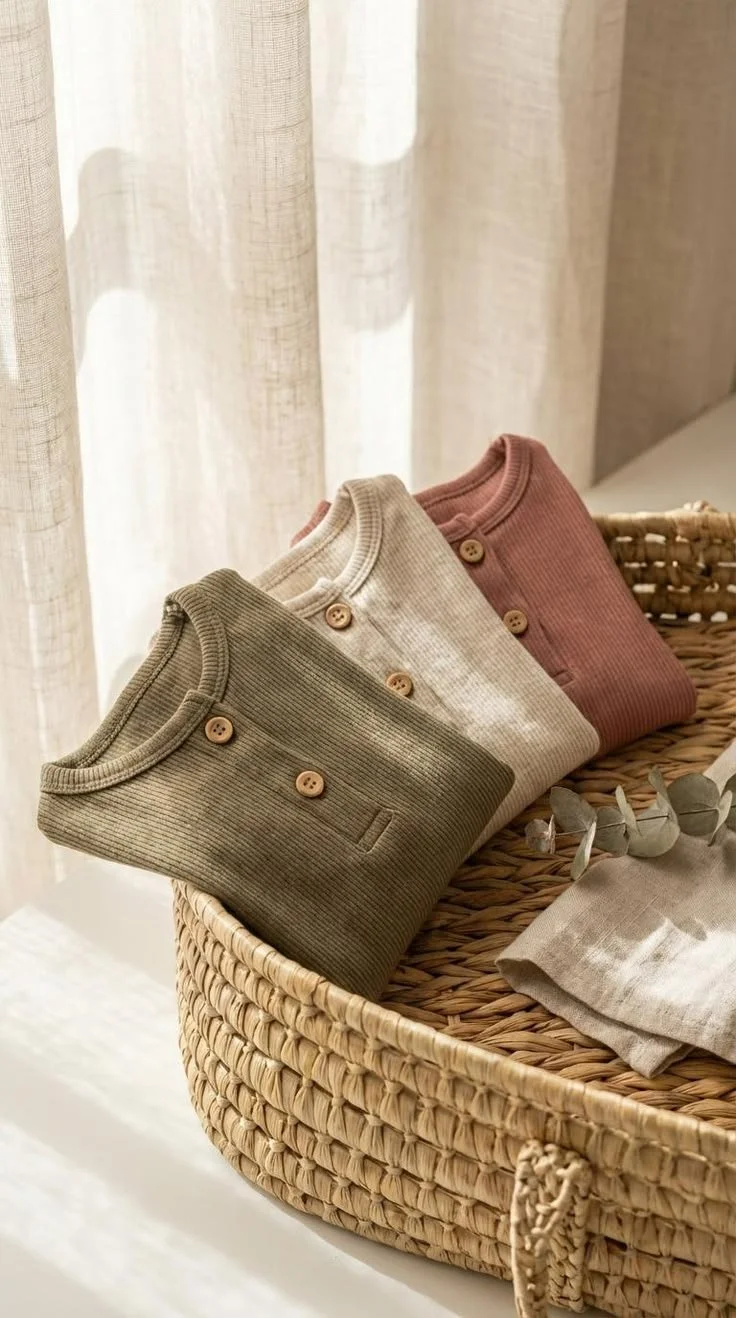
How Organic Cotton Helps Reduce Baby Skin Irritation
Baby skin is remarkably delicate, impossibly soft, yet surprisingly vulnerable to the outside world. According to dermatology research published by the American Academy of Pediatrics, an infant's skin is roughly twenty to thirty percent thinner than adult skin. This single fact explains a lot, because the fabric pressing against your newborn all day is not some neutral detail you can simply ignore.
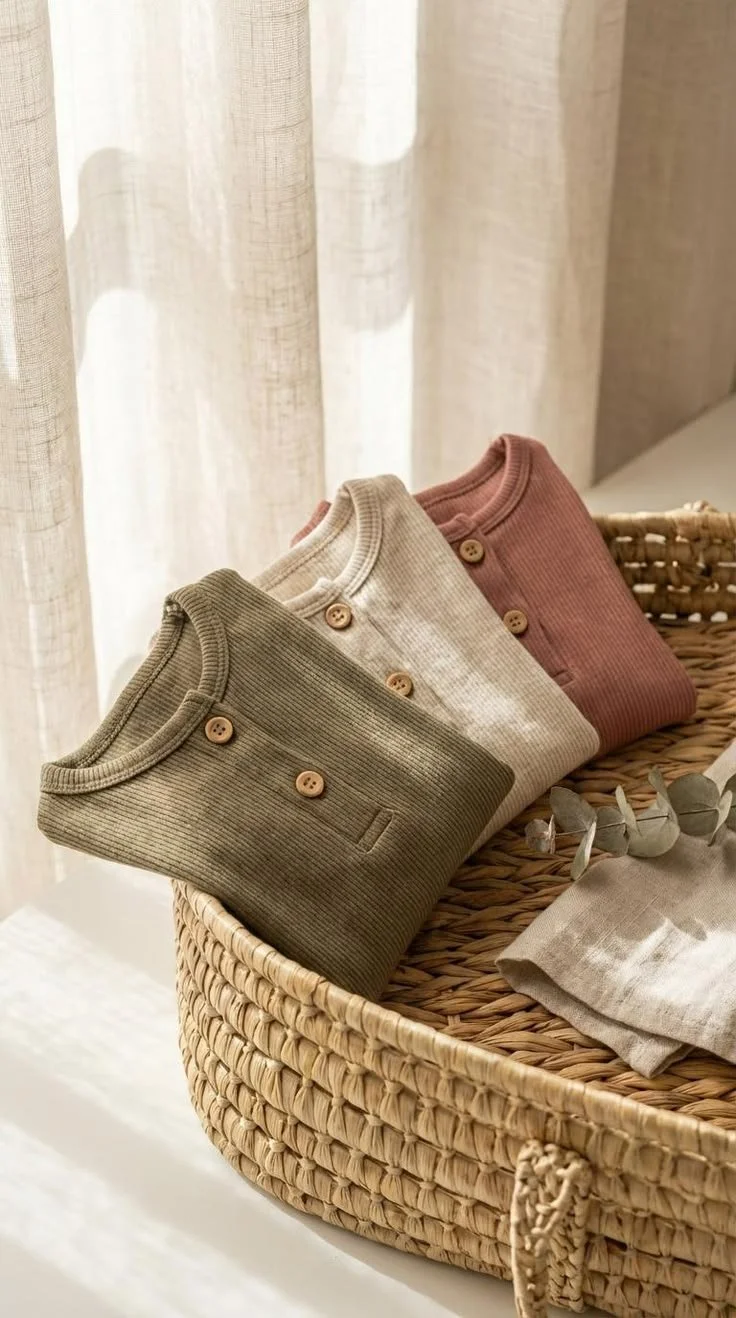
Many parents notice red patches or rashes within the first few weeks and immediately blame food allergies or harsh laundry detergents. However, the textile itself is often the real culprit behind these uncomfortable dermatological reactions. In this article, we will explore how organic cotton can actually reduce baby skin irritation and why the gap between conventional and organic textiles runs so deep.
No. 1
Why Baby Skin Reacts So Easily to Common Fabrics
Fabric choice matters more in the first two years of life than at almost any other point in human development. Parents searching for answers often land on https://treehousekids.shop/collections/organic-cotton-baby-clothes while working backward from a rash, which is a reasonable instinct since the root cause usually sits in the textile rather than the laundry room. Because baby skin is up to five times thinner than yours, it acts like a sponge that absorbs whatever touches it.
An infant has an underdeveloped acid mantle, which is the thin protective film that shields adult skin from everyday environmental irritants. Without that crucial barrier fully in place, even a mildly harsh chemical residue or a rough fiber can set off inflammation, dryness, or contact dermatitis. Furthermore, a newborn's immune system is still calibrating to life outside the womb.
Repeated exposure to irritants does not just cause a temporary rash on the surface of the skin. It can actually sensitize the skin over time, making future allergic reactions both more likely and significantly more severe. This is why establishing a safe, gentle environment for your baby's skin from day one is absolutely essential for their long-term comfort.
The Science of Baby Skin
Infants lose moisture from their skin much faster than adults do, leading to chronic dryness.
The cellular structure of newborn skin is less tightly packed, allowing external irritants to penetrate easily.
Babies cannot regulate their own body temperature efficiently, making breathable fabrics a medical necessity.
No. 2
The Role of Chemical Residues in Conventional Cotton
Conventional cotton is widely known as one of the most chemically processed agricultural crops grown in the United States today. According to the USDA, cotton accounts for roughly sixteen percent of global insecticide use despite covering only a tiny fraction of the world's cultivated land. Those toxic pesticides and synthetic fertilizers do not simply vanish during the manufacturing process.
Standard textile production layers on formaldehyde-based wrinkle treatments, optical brighteners, azo dyes, and industrial softeners. Many of these harsh substances stay permanently bonded to the fabric through multiple cycles in the washing machine. When your baby wears a garment treated with these chemicals, the toxins transfer directly to their skin through sweat and natural body heat.
The resulting irritation can look exactly like eczema, prickly heat, or general redness, and it is frequently misread by parents as a food allergy. Residues from azo dyes have been directly linked to skin sensitization in numerous contact dermatology studies. Unfortunately, these chemical treatments are incredibly common in budget baby clothing lines sold at major retail stores.
Hidden Chemicals in Clothing
Formaldehyde is frequently used to prevent garments from wrinkling during overseas shipping.
Chlorine bleach is heavily applied to conventional cotton to strip its natural color before chemical dyeing.
Heavy metals are often found in the cheap synthetic dyes used to create bright, unnatural fabric colors.
No. 3
Synthetic Blends and Friction Points
Polyester-cotton blends are everywhere in the baby clothing industry because they are incredibly cheap to produce and hold their shape well. However, polyester does not breathe the way natural fibers do, meaning it traps heat and moisture directly against the skin. This creates exactly the warm, damp environment that yeast and harmful bacteria need to thrive.
This lack of breathability is exactly why diaper rash so often worsens when synthetic-blend onesies are involved in a baby's daily wardrobe. Beyond trapping moisture, synthetic blends produce a much coarser surface texture when viewed at the microscopic level. A baby who cannot yet communicate rolls, stretches, and wriggles constantly throughout the day and night.
Each tiny movement generates physical friction between the rough fabric and their incredibly delicate skin. Interior seams on standard garments compound this issue, as a raised seam running across the shoulder acts like a slow abrasive over a twelve-hour wear period. It does not even take a chemical irritant to cause damage, as physical friction alone can break the skin barrier on a young infant.
The Problem With Polyester
Synthetic fibers trap sweat against the body, leading to uncomfortable heat rash and disrupted sleep.
Plastic-based textiles shed microplastics in the wash, which can remain trapped in the fabric fibers.
Artificial materials lack the natural stretch and give required for a growing, active baby.
No. 4
How Organic Cotton Addresses the Root Causes of Irritation
Organic cotton solves the chemical problem first by completely eliminating toxic substances from the agricultural and manufacturing stages. It grows without toxic pesticides or synthetic fertilizers, ensuring the raw material is pure from the very beginning. The processing phase also strictly prohibits the use of chlorine bleach, heavy metals, and harsh dyes that can irritate an infant's skin.
This unbroken chain of custody wipes out the chemical residue risk long before the garment ever reaches your nursery door. However, the benefit is not purely chemical, as organic cotton fibers are left in a much more natural state than conventionally processed cotton. Because the fibers have not been weakened by harsh processing, the fabric surface remains noticeably softer and less abrasive against the skin.
Countless parents report that their babies with eczema or sensitive skin finally find relief after switching to organic cotton essentials. Studies in dermatological journals note that children with atopic dermatitis report measurably less itch and irritation when wearing pure organic garments. Pulling chemical irritants out of the fabric layer dramatically reduces the total irritant load your baby's immune system has to handle.
Natural Relief for Eczema
Organic cotton allows air to circulate naturally, reducing the sweaty sleep patches that trigger eczema flare-ups.
The absence of formaldehyde prevents the contact dermatitis often associated with new, unwashed clothing.
Natural fibers remain soft wash after wash, preventing the microscopic abrasions that worsen dry skin.
No. 5
GOTS Certification and What It Means for Your Baby
GOTS, which stands for the Global Organic Textile Standard, is the most meaningful and rigorous label to look for on any baby textile. It covers the entire supply chain, from the specific farm where the cotton is grown to the factory where the final garment is sewn. A GOTS-certified item must meet strict limits on residual pesticides, pH levels, and color fastness.
These stringent environmental and social criteria are tested at the finished-garment stage, not just at the raw fiber stage. This comprehensive testing matters immensely because it closes a very common loophole in the modern textile industry. Some deceptive brands call their products organic because they start with organically grown cotton, but they process it with conventional dyes anyway.
GOTS completely closes that gap, ensuring the final product is truly safe for your child and the environment. You will also sometimes see OEKO-TEX Standard 100 certification, which tests the finished textile for over one hundred harmful substances. Both of these respected certifications are third-party verified, giving parents peace of mind that the fabric is actually what it claims to be.
Understanding Textile Labels
GOTS certification guarantees that no toxic heavy metals or formaldehyde were used in the manufacturing process.
OEKO-TEX testing ensures that every single component, including threads and buttons, is free from harmful chemicals.
True organic certification also ensures fair wages and safe working conditions for the people sewing the garments.
No. 6
Design Details That Make a Real Difference
While fabric content gets most of the attention, thoughtful construction details are just as important for protecting sensitive skin. Flat seams, where the seam allowance lies completely flat against the garment, eliminate the harsh friction points that cause daily irritation. No-tag designs remove another common irritant, as even a small woven label at the neckline can cause severe abrasion over a full day.
Hardware choices matter too, which is why high-quality organic baby clothes utilize color-coded, nickel-free snaps. Nickel contact allergy is one of the more common forms of contact dermatitis in infants, and standard metal snaps often contain high levels of it. Clever features like envelope necklines stretch gently over a baby's head, while fold-over mittens prevent accidental face scratches during the night.
When you are shopping for baby essentials, you must check for all of these specific features together rather than just reading the fabric label. A garment made from certified organic cotton but constructed with raised seams and cheap nickel snaps still leaves the physical irritation problem completely unsolved. Soft, flexible waistbands without tight elastic are also crucial for reducing pressure around a baby's highly reactive belly.
Smart Clothing Construction
Look for printed interior labels instead of woven tags to prevent scratching at the back of the neck.
Choose sleepers with slip-resistant soles to provide early walkers with added safety and confidence.
Prioritize nickel-free snaps to prevent the red, circular rashes commonly associated with metal allergies.
Takeaways
Organic cotton can genuinely help reduce baby skin irritation by cutting the heavy chemical residue load that conventional textiles carry. When paired with thoughtful construction, these pure fabrics remove the physical friction that breaks down a newborn's delicate skin barrier.
GOTS and OEKO-TEX certifications give parents a verifiable way to confirm the fabric is actually safe and free of hidden toxins. Your baby's skin does not need perfect conditions, but it desperately needs fewer daily insults from harsh dyes and synthetic blends.
Choosing certified organic cotton clothes and checking for flat seams are practical steps that significantly reduce the daily irritant load. Starting with the items your baby wears closest to their skin, like sleepwear and bodysuits, is the best way to build a safer wardrobe.
Looking for resources?
At Hello Lovely Living, we aim to empower you to earn and save money and time while benefiting from our expansive network of home, life, wellness, travel, work-from-home, career, and business resources and opportunities. Discover a wealth of tools to support your journey.