Roof Warning Signs: Prevent Major Repairs Early
Your roof almost never fails in a dramatic, obvious way. Instead, it tends to whisper: a faint ceiling stain, a few missing granules in the gutter, a subtle dip along the ridge that you only notice once you know to look. Because the roof is out of sight most days, it is easy to assume it is fine until a small issue becomes expensive water damage.
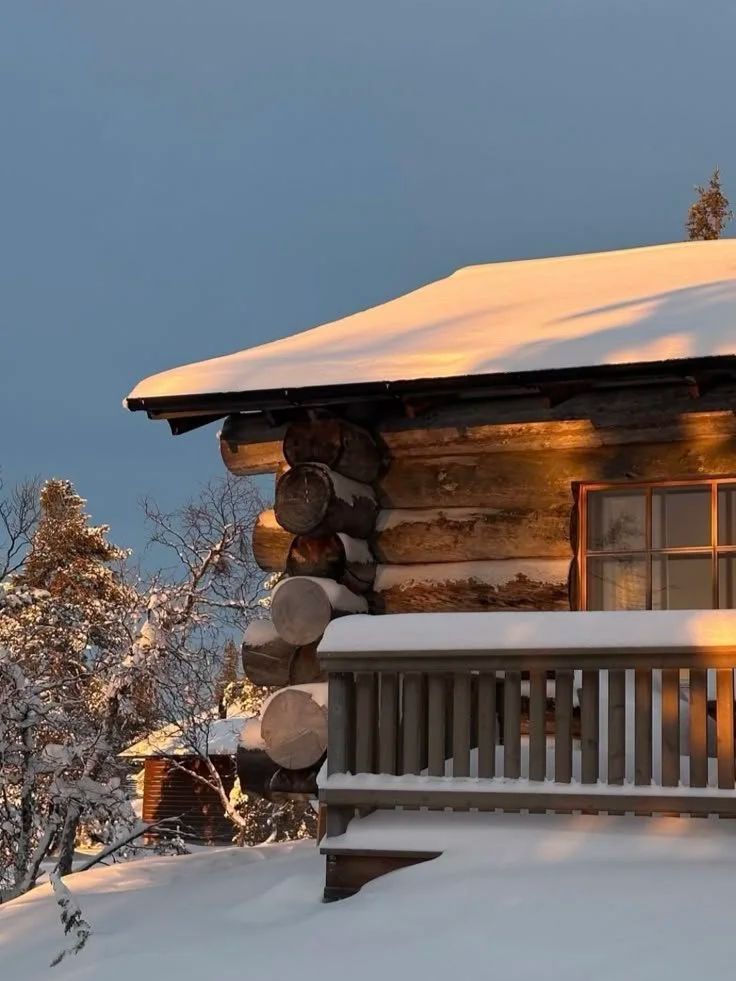
In this article, we will explore how to tell if your roof needs attention before a minor concern escalates into a major repair, including what you can check safely from the ground, what changes to look for inside your home, and when it is time to call in a professional. If you live in an area with strong sun, heavy rain, seasonal storms, hail, or sharp temperature swings, these checks matter even more because weather accelerates wear in ways that are not always obvious at first glance.
No. 1
Start With the Signs You Can Spot From the Ground
A smart roof check begins without a ladder. A slow walk around your property and a careful look from across the street can reveal more than most homeowners expect, especially if you do it in good daylight and after major weather events.
What to scan for on the roof surface
From the ground, you are looking for patterns and inconsistencies rather than tiny details.
Uneven rooflines, wavy sections, or any area that appears to sag
Missing shingles or shingles that look misaligned
Bald spots where shingles look darker or smoother than surrounding areas
Dark streaks that may suggest algae growth, water runoff patterns, or aging materials
Debris build-up in valleys where water should flow freely
Post-storm checks that catch hidden damage
Wind and hail do not always remove shingles entirely. Sometimes they loosen materials just enough to compromise performance later.
Shingles that look lifted at the edges or corners
New piles of shingle granules at downspouts or in gutters
Bent, detached, or rattling metal pieces near vents and flashing areas
Tree limb debris on the roof, even if it seems light
Quick checks inside the home that should never be ignored
Indoor symptoms often mean water has been active for a while, even if the mark looks small.
Yellow or brown ceiling stains, especially near exterior walls
Bubbling paint, peeling wallpaper, or damp drywall near rooflines
Musty odors that become stronger after rain
A damp or spongy feel in attic insulation
A roof is excellent at hiding the path water takes, so the spot you see inside may be far from where the leak begins. That is why “small” indoor signs deserve fast attention.
No. 2
Know How Age Changes the Conversation
Roof age is not just trivia for home records; it influences how urgent a symptom is and how long a repair is likely to hold. Two roofs with the same materials can perform very differently depending on ventilation, workmanship, maintenance, and climate.
How lifespan varies by material and conditions
While every roof is unique, these general patterns help guide expectations.
Asphalt shingles can show wear through curling, cracking, and granule loss as they age
Metal roofs may develop fastener problems, seam separation, or localized corrosion
Tile roofs often last longer, but underlayment failure can occur before tile looks damaged
Flat or low-slope systems are especially sensitive to drainage issues and ponding water
When you do not know the roof’s age
If you recently purchased your home, you may not have a clear timeline. Start with what is available, then fill in the gaps.
Check inspection paperwork, seller disclosures, and permit history if available
Look for packaging in the attic from prior work, such as shingle bundles or contractor labels
Schedule an evaluation if you see warning signs or if the roof appears near the end of its service life
A professional assessment is often the fastest way to establish a baseline. Companies such as Anyweather Roofing typically assess material condition, drainage, flashing, and visible structural concerns, which gives you a more realistic picture than guesswork.
No. 3
Check the Most Vulnerable Parts of the Roof System
Not every part of the roof works equally hard. Areas where surfaces meet, where water changes direction, or where roof penetrations exist are often the first to fail. Many leaks start at these transition points, not in the wide open field of shingles.
High-risk areas to monitor regularly
These locations deserve extra attention during seasonal checks and after storms.
Flashing around chimneys, skylights, vents, and wall intersections
Roof valleys where water funnels and debris can collect
Ridge and hip caps, especially after high winds
Eaves and edges where water can back up under materials
Gutters and downspouts that control drainage away from the roof system
What to look for around edges, fascia, and gutters
Roof performance depends on water being moved off and away quickly. When drainage is blocked, problems spread.
Fascia boards that appear warped, stained, soft, or flaking
Gutter overflow marks or water lines under the gutter edge
Plant growth or moss along the roof edge
Excess debris in gutters that could force water backward under shingles
Safe attic observations that reveal bigger problems
If you have access to the attic, you can often detect issues before they are visible inside the living space.
Daylight shining through decking or around penetrations
Damp insulation, darkened wood, or staining on rafters
Rusted nails or metal components, which can indicate persistent humidity
Condensation patterns that suggest ventilation problems
Ventilation matters because trapped heat and moisture can shorten roof life even when the exterior appears intact. Roof problems often behave like a chain reaction: one weak point creates moisture, moisture creates deterioration, and deterioration creates more entry points.
No. 4
Understand the Difference Between Cosmetic Wear and Real Risk
Some roof wear looks concerning but does not immediately threaten performance. Other issues look minor and can cause costly damage quickly. Learning the difference helps you prioritize and communicate clearly when you seek estimates.
Examples of cosmetic wear that still deserve tracking
Cosmetic does not mean “ignore it,” but it may not require immediate replacement.
Mild discoloration or uneven fading on older shingles
Small areas of algae staining that are not lifting shingles
Slight granule loss that is consistent with age and not sudden
Symptoms that suggest structural or water-intrusion risk
These signs tend to move quickly from “small repair” to “interior damage” if ignored.
Active leaks around flashing, chimneys, skylights, or vent stacks
Soft spots or sagging areas that indicate compromised decking
Repeated moisture or mold-like odors in the attic after rain
Shingles that are curling, cracking, or repeatedly blowing loose
Why “minor” issues can still be expensive later
Even if damage looks limited, a roof is a performance system, not a set of independent parts. If one section is weakened, the next storm may exploit it.
Water can soak insulation and reduce energy efficiency
Damp drywall and trim can require costly interior repairs
Mold growth can affect indoor air quality and remediation costs
Moisture can reach wiring or framing if leaks persist
There is also a practical paperwork angle. Insurance coverage and resale negotiations often become more complicated once damage is visible, documented, and clearly tied to delayed maintenance.
No. 5
Pay Attention to Weather Patterns in Your Area
Climate does not just influence how fast a roof ages; it changes what roof damage looks like. Local patterns help you anticipate the likely problem areas and schedule checks at the right time.
Common climate-related roof stressors
Different regions tend to produce different “usual suspects.”
Hot, sunny climates can dry out materials and make shingles brittle
Wet climates increase the risk of moss, algae, and trapped moisture
Hail-prone areas can cause impact damage that is hard to see from the yard
Windy zones can loosen shingles and flashing without removing them
Coastal environments can accelerate corrosion due to salt exposure
Winter-specific risks: ice and freeze-thaw cycles
Snow and ice introduce problems that may not appear until spring.
Ice dams can push water under shingles and into the roof deck
Freeze-thaw cycles can widen tiny cracks over time
Heavy snow loads can stress structural components in vulnerable areas
A seasonal inspection rhythm that works
Waiting for a leak is the most expensive inspection plan. A simple calendar helps you stay ahead of problems.
Spring: check for storm damage and debris accumulation
Summer: watch for heat-related wear and ventilation issues
Fall: clear gutters and prepare for heavy rain or snow
After major storms: do a quick exterior scan and check the attic for dampness
If your neighborhood has had severe weather, do not assume your roof escaped damage just because you do not see water inside yet. Delayed symptoms are common.
No. 6
Know When a Repair Is Enough and When Replacement Makes More Sense
Not every roof issue requires a full replacement, and not every repair is a smart long-term solution. The goal is to spend money where it produces stability, not where it buys a short pause before the next problem.
When targeted repairs are typically appropriate
A repair is often effective when the issue is isolated and the surrounding roof is still in good condition.
Replacing a small number of damaged shingles
Resealing or repairing flashing around a penetration
Fixing a minor leak caught early, before decking is compromised
Correcting a localized drainage issue, such as a blocked valley
When replacement becomes the more logical choice
Replacement tends to make more sense when the roof is telling you the system is failing broadly, not locally.
Damage is widespread across multiple slopes or sections
Leaks recur in different areas despite repairs
Shingles are failing due to age-related brittleness and granule loss
Decking or underlayment issues are discovered during inspection
Your repair history starts to resemble a rotating list of patch jobs
How to think about cost beyond the roof itself
Timing matters because water rarely stops at the roof deck. Interior repairs can surpass roofing costs quickly.
Insulation replacement and attic remediation
Drywall, paint, and trim repairs
Framing repairs if rot occurs
Electrical concerns if water reaches wiring
Mold remediation if moisture persists long enough
Replacing a roof before major interior damage occurs can be a financially conservative decision, even if it feels like a big project upfront.
No. 7
Build a Simple Roof Maintenance Habit
You do not need an elaborate home maintenance system to protect your roof. Consistency beats intensity. A few quick checks each year can prevent many of the expensive surprises that homeowners dread.
A basic routine that covers the essentials
Keep your plan realistic so you actually follow it.
Inspect the roof from the ground a few times per year
Check ceilings and attic areas after heavy rain
Clear gutters and downspouts so drainage can function properly
Trim tree limbs that hang close enough to scrape shingles or drop heavy debris
Handling moss and algae safely
It is tempting to pressure wash, but aggressive cleaning can strip protective granules and shorten roof life.
Use roof-safe cleaning methods recommended for your roof type
Address shade and moisture sources, such as overhanging trees
Consider professional help if growth is extensive or the roof is steep
Why steady attention pays off
Roof care will never be glamorous, but it protects nearly everything in your home.
It reduces the chance of sudden, high-cost repairs
It extends the service life of materials
It supports better indoor comfort and energy efficiency
It prevents small moisture issues from becoming structural problems
Takeaways
A roof rarely fails without sending early signals, so routine checks from the ground and quick indoor observations can catch problems long before they become emergencies. Watch for missing or curling shingles, sagging lines, granules in gutters, and any ceiling stains or attic moisture.
Roof age and climate should shape how seriously you treat minor symptoms, because wear accelerates in harsh sun, heavy rain, wind, hail, and freeze-thaw conditions. Focus special attention on vulnerable areas like flashing, valleys, roof edges, and gutters where leaks often begin.
Repairs can be highly effective when damage is isolated, but recurring issues across multiple areas may indicate the system is nearing the end of its useful life. A simple seasonal maintenance habit is the most reliable way to protect your budget and avoid turning a small roofing concern into major interior damage.
Looking for Home resources?
Looking to enhance your living space and create a sanctuary that supports your well-being? Explore our home partners who offer a wide range of resources to elevate your home environment.