Mindful Campervan Travel In New Zealand: A Slower Adventure
New Zealand is at its best when you give it time. Many of the country’s most unforgettable moments happen outside the headline attractions: a sudden break in the clouds over a mountain pass, an empty stretch of coast at sunrise, or a small-town bakery you only found because you weren’t rushing.
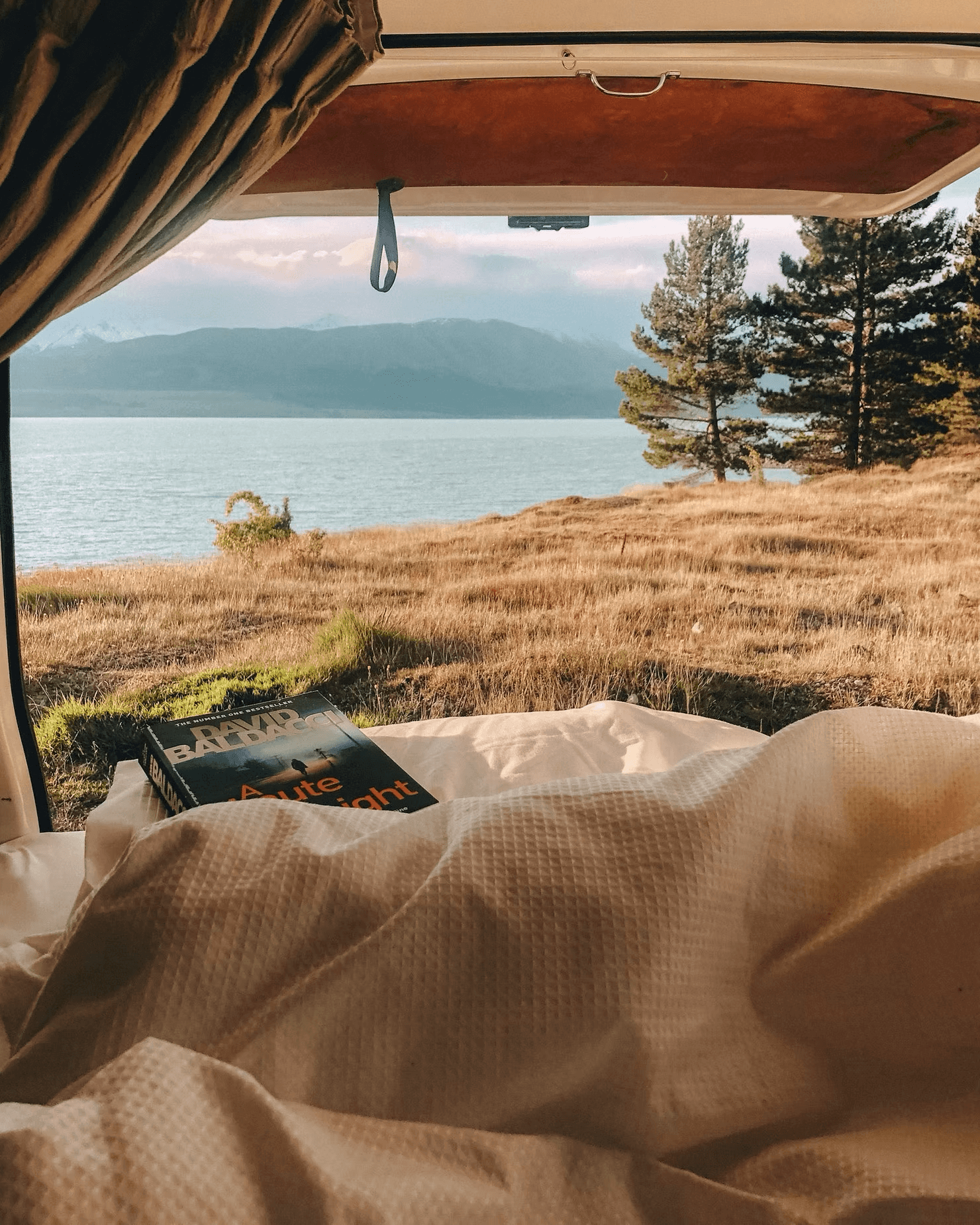
In this article, we will explore why campervan travel is emerging as a more mindful way to experience New Zealand, and how to plan a trip that feels calmer, more connected, and more respectful to the places you visit. Mindful travel is not about doing less for the sake of it; it is about paying closer attention, traveling with intention, and making choices that reduce stress while improving your relationship with the journey.
No. 1
Campervan Travel Encourages a Slower Pace
A classic mistake in New Zealand is trying to do everything at once. It is easy to create an itinerary that looks efficient on a map but feels relentless in real life, with constant packing, check-in deadlines, and long drives stacked day after day.
A campervan changes the rhythm because your transport and accommodation move together. That simple shift reduces the hidden “administrative” load of travel and creates more room for rest and spontaneity.
Why a campervan reduces travel fatigue
Fewer check-in and check-out deadlines
Less time spent packing and unpacking between stops
More flexibility when weather disrupts plans
Easier access to early mornings and quiet evenings in nature
A more comfortable base for breaks, meals, and downtime
Ways to build a slower, more mindful itinerary
Choose fewer regions and stay longer in each
Schedule rest mornings after long-drive days
Aim for shorter drive windows so scenic stops feel natural, not stressful
Treat “nothing planned” time as a feature, not a gap to fill
When your days are not dominated by logistics, you can focus on what you came for: the landscape, the atmosphere, and the feeling of being somewhere new.
No. 2
The Journey Becomes Part of the New Zealand Experience
In many destinations, the road is a means to an end. In New Zealand, the drive often is the experience. The scenery changes fast, the light is dramatic, and even short routes can feel cinematic.
Campervan travel makes it easier to appreciate that in-between beauty because you are not racing to make the next booking. You can stop for a short walk, linger at a viewpoint, or pull into a town simply because it looks inviting.
Iconic scenic routes that reward slower travel
The West Coast of the South Island
The road to Milford Sound
The Coromandel Peninsula loop
The Southern Lakes region drives
Safer, calmer driving habits that support mindful travel
Pull over only in marked rest areas or designated viewpoints
Let faster traffic pass rather than feeling pressured to speed up
Expect narrow roads, changing weather, and slower average speeds
Plan around daylight so you are not driving tired or in the dark unnecessarily
Mindfulness on the road is practical, not abstract. It looks like patient driving, realistic time estimates, and making space for stops that are not “productive,” but are genuinely memorable.
No. 3
A Campervan Offers Freedom Without Constant Decision-Making
Independent travel can sound relaxing, but it often creates decision overload. Where are you eating, when do you need to arrive, what if the weather changes, and how far is your accommodation from what you want to do?
A campervan simplifies a large portion of those questions because your essentials stay with you: your bed, food basics, clothing, and the ability to pause and reset without having to “solve” every hour of the day.
What becomes easier when your accommodation moves with you
Meals can be simple and consistent when you want them to be
You can take breaks without searching for cafes or waiting around
You can adjust the day around energy levels and weather
You spend less mental effort on micro-planning
Choosing a campervan that supports mindful travel
Choosing the right vehicle matters because an overly large or under-equipped campervan can add stress instead of reducing it. Comparing options for a campervan rental in NZ can help you match the vehicle to your route, budget, and comfort needs.
Consider the trade-offs in advance:
Compact vans are easier to drive and park, often with better fuel efficiency
Larger models can offer a fixed bed, extra storage, and better rainy-day comfort
Onboard toilets and self-containment features can expand overnight options in permitted areas
Extra size can mean more wind sensitivity and higher fuel costs
The most mindful choice is usually the one that fits your actual travel style, rather than the one that looks most luxurious in photos.
No. 4
Campervan Holidays Can Create a Stronger Connection With Nature
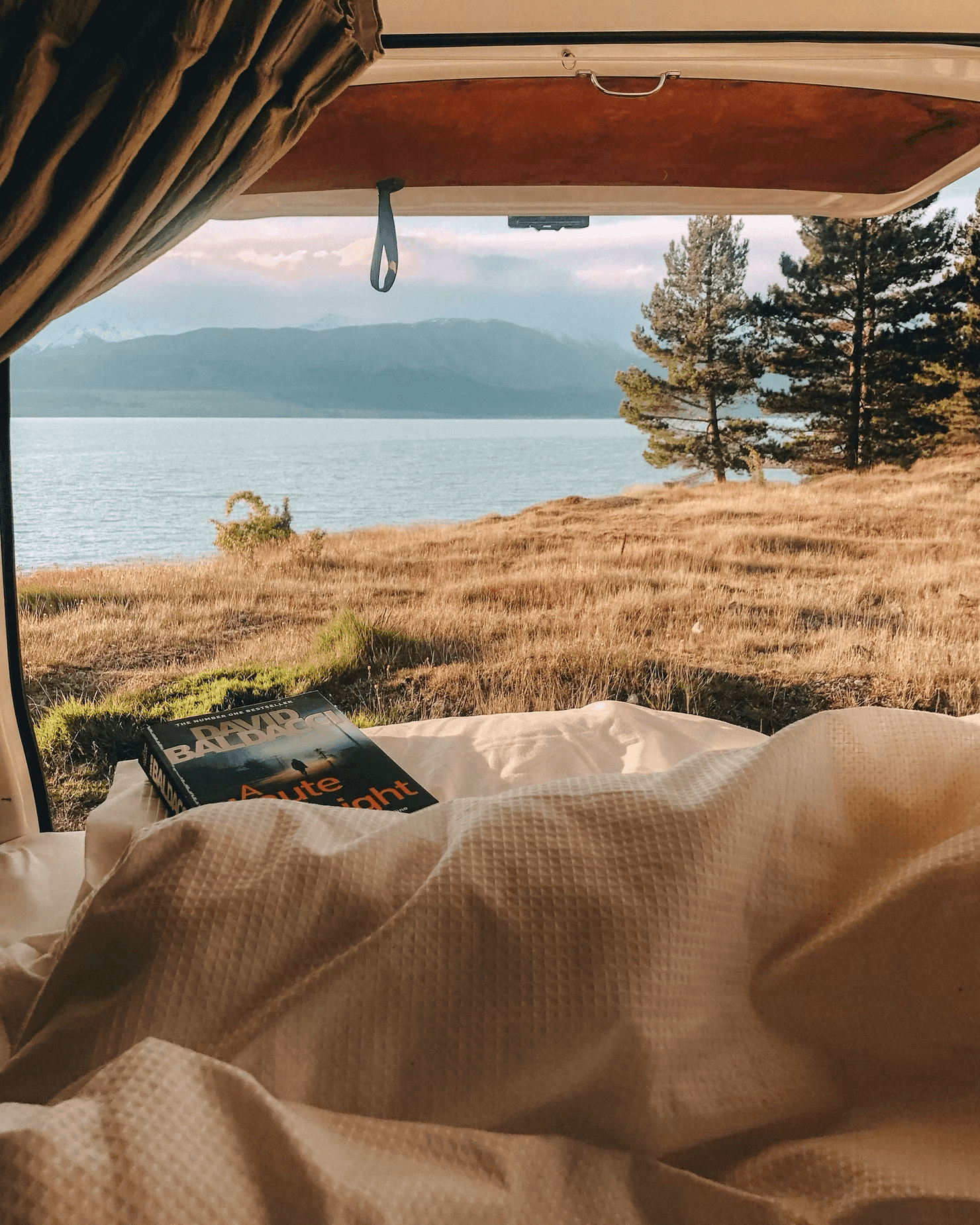
Hotels can be comfortable, but they often keep you one step removed from the natural environment. With a campervan, daily life tends to happen closer to the landscape: you wake up near it, eat beside it, and wind down with it.
That proximity can make ordinary moments feel surprisingly rich. A simple breakfast becomes part of the day’s scenery, and the quiet time between activities stops feeling like wasted time.
Small moments that often become the highlight
Waking up to birdsong rather than traffic
Watching fog lift off a lake in the early morning
Making coffee while the light changes across hills
Reading in the evening as the temperature drops and the sky clears
How limited resources naturally encourage awareness
A campervan also introduces gentle limits that can lead to more thoughtful habits:
Finite water supply encourages shorter, more mindful use
Limited storage reduces impulse buying and unnecessary clutter
Battery and power limits make you more selective about devices
Waste capacity forces you to plan and dispose properly
This is not about discomfort; it is about noticing what you use, and what you do not actually need.
No. 5
Mindfulness Requires Responsible Camping
Campervan travel becomes mindful only when it is responsible. New Zealand has worked hard to protect natural areas and manage tourism pressure, and regulations exist for a reason.
Freedom camping is regulated, and rules vary between councils. Some areas ban overnight stays entirely; others allow them only in specific zones, sometimes only for certified self-contained vehicles. Always follow signage and official local guidance rather than relying on old posts or secondhand tips.
Responsible campervan habits that protect access for everyone
Use designated campsites and legal overnight areas
Dispose of wastewater only at approved dump stations
Take all rubbish away and recycle where facilities exist
Keep noise low, especially in small communities and shared campgrounds
Avoid disturbing wildlife and damaging plants or dunes
Use public toilets or onboard facilities, never the outdoors
A practical “leave no trace” mindset for road trips
Arrive and leave quietly, especially in residential-adjacent areas
Keep your setup compact and avoid spreading into shared spaces
Treat every stop as if you will be judged by the next traveler’s experience
Assume that one careless night can lead to tighter restrictions for everyone
Mindful travel is not just internal calm; it is external respect.
No. 6
Slower Travel Can Support Local Communities
A rushed itinerary concentrates spending in the biggest tourism centres, often in the most obvious venues. Campervan travel makes it easier to stop in smaller towns and to spend money more intentionally.
When you slow down, you are more likely to notice local businesses and to choose experiences that keep value within the region.
Easy ways to spend more locally on a road trip
Buy produce from local markets and roadside stalls
Use community campgrounds rather than only major chains
Choose independent cafes and bakeries in small towns
Book locally operated tours and activities where possible
Pick up supplies from regional shops instead of only large supermarkets
Why staying longer often creates better travel memories
You have time for genuine conversations with locals
You can return to a place you liked instead of constantly moving on
You reduce the feeling of “passing through” without understanding the area
Mindful spending does not require a bigger budget. It is mainly about attention: noticing who you are supporting and making the local option your default when it is practical.
No. 7
Is Campervan Travel Better for the Environment?
It depends. Campervans use fuel, and larger vehicles can produce significant emissions, so it is not accurate to call every campervan holiday automatically eco-friendly.
However, it can be less wasteful than a fast, flight-heavy itinerary, especially if you plan well, share the vehicle with companions, and avoid long daily distances.
Choices that can reduce environmental impact
Travel fewer kilometres per day and stay several nights in one region
Avoid unnecessary domestic flights by choosing one island if time is short
Select a smaller, fuel-efficient campervan when it fits your needs
Drive smoothly at moderate speeds to reduce fuel consumption
Keep tyre pressure correct, which can improve efficiency
Low-effort habits that make a noticeable difference
Use refillable water bottles, cups, and containers
Choose simple meals with minimal packaging when possible
Conserve water and electricity inside the vehicle
Plan a logical route to reduce backtracking
Leave natural areas exactly as you found them
Sustainability is rarely perfect in travel. A more realistic goal is to make each decision a little more considerate than the default.
No. 8
How to Plan a More Mindful New Zealand Road Trip
A mindful itinerary is usually a smaller one. New Zealand may look compact, but road conditions, changing weather, and irresistible stops can turn a “three-hour drive” into a full-day experience.
A planning framework that keeps the trip calm
Reduce the number of destinations and increase the quality of time in each
Choose one island if your total travel time is limited
Add buffer time for weather, roadworks, and spontaneous detours
Build in rest days after long drives or demanding hikes
Pre-departure checks that prevent stress later
Confirm campsite rules and booking requirements in peak season
Check road conditions and closures, especially in alpine regions
Plan fuel stops for remote stretches
Prepare for ferry logistics if crossing between islands
Download offline maps for low-coverage areas, but still follow official signs on the road
A simple rule that improves almost every day
Avoid turning every day into a long drive. If you arrive earlier, you gain options: a short walk, a slow meal, a sunset viewpoint, or simply an evening that does not feel rushed.
Takeaways
Campervan travel in New Zealand supports mindfulness because it reduces logistical pressure and creates flexibility around weather, energy, and curiosity. When you slow down, the small moments between major attractions often become the most memorable.
The road itself is part of the experience, and a campervan makes it easier to enjoy that journey without constant check-ins and rigid scheduling. Choosing the right vehicle for your route and comfort level is essential, because the most mindful option is the one that feels manageable and practical.
Mindful campervan travel also depends on responsibility, from legal overnighting to waste disposal and respectful behavior near communities and wildlife. Plan a simpler route, stay longer in fewer places, and you will likely understand and appreciate New Zealand far more deeply.
Looking for Travel resources?
Looking to embark on a transformative journey to discover new cultures, expand your horizons, and reconnect with yourself? Explore, learn, and awaken your wanderlust with our travel partners designed to support you on your next getaway.