Adventure Travel Experiences Worth Adding To Your Bucket List
Adventure travel has a way of reshaping how you see the world and what you believe you are capable of. It is not only about adrenaline or dramatic landscapes; it is about choosing experiences that require you to be present, adaptable, and curious. The best trips leave you with more than photos because they change your perspective, strengthen your confidence, and give you stories that become part of who you are.
In this article, we will explore adventure travel experiences worth adding to your bucket list, with practical suggestions on what makes each one meaningful and how to approach it safely and intentionally. Whether you are drawn to wildlife encounters, challenging hikes, or cultural immersion, these ideas will help you plan journeys that feel both exciting and genuinely enriching.
No. 1
Experience Wildlife in Its Natural Environment
For many travelers, wildlife is the ultimate reason to go somewhere remote. Seeing animals in their natural habitat is profoundly different from seeing them behind barriers, because you are witnessing real behavior in a real ecosystem. It can also deepen your understanding of conservation, local livelihoods, and the delicate balance between tourism and protecting nature.
Wildlife experiences can be as iconic as spotting elephants on safari in Africa, as awe-inspiring as whale watching off the coast of Canada, or as specialized as searching for rare birdlife in South America. Each option offers a different kind of adventure, but the best ones share the same foundation: respect for the animals and the landscapes that support them.
Wildlife Adventures That Belong on a Bucket List
African safari experiences
Game drives in large reserves with expert guides
Opportunities to see elephants, lions, giraffes, and more in open terrain
Marine wildlife encounters
Whale watching in migration seasons
Snorkelling or diving in areas known for turtles, rays, or reef ecosystems
Birding and rainforest exploration
Spotting colourful species in biodiverse regions
Guided walks that teach you to observe without disturbing habitats
Cold-climate wildlife travel
Trips focused on species adapted to extreme environments
Education-focused tours that explain how ecosystems are changing
How to Make Wildlife Travel More Ethical and Rewarding
Choose operators that follow established wildlife viewing distances and guidelines
Avoid experiences that involve feeding, touching, or forcing interactions
Look for trips that support local conservation or community initiatives
Travel with a guide who can interpret behavior, not just point out sightings
Bring binoculars or a zoom lens so you can observe without getting too close
Wildlife travel is often unpredictable, and that is part of the appeal. The goal is not to control the moment, but to witness it and leave the place as intact as you found it.
No. 2
Hike Through Spectacular Landscapes
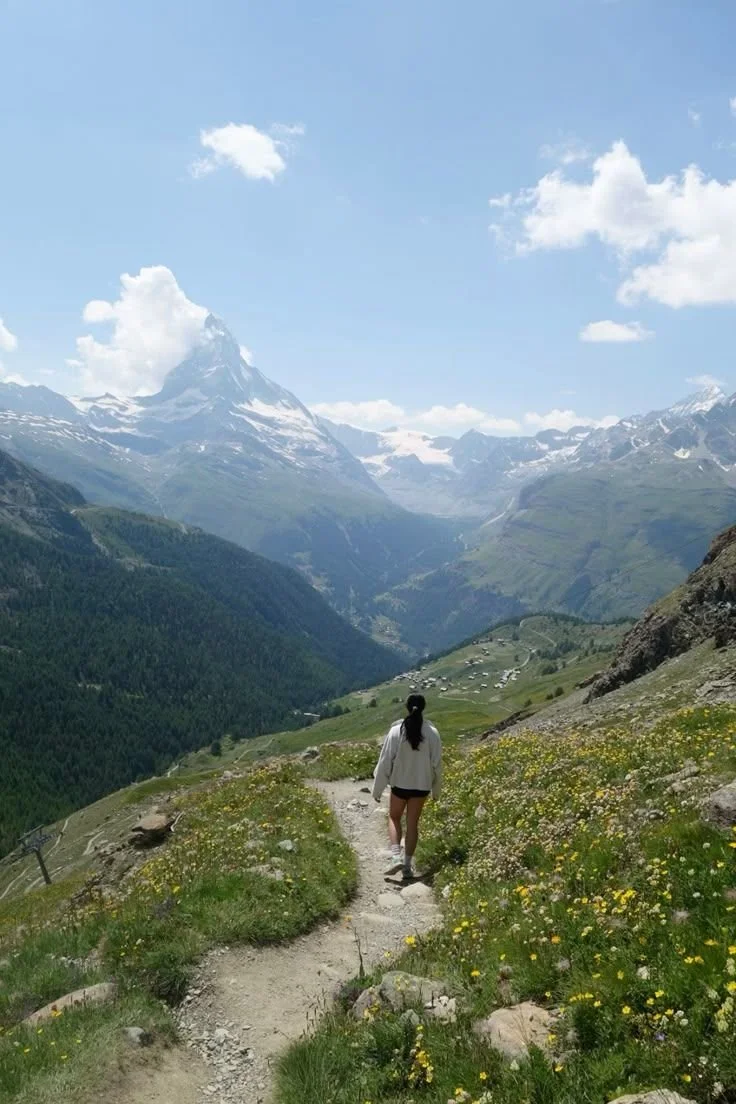
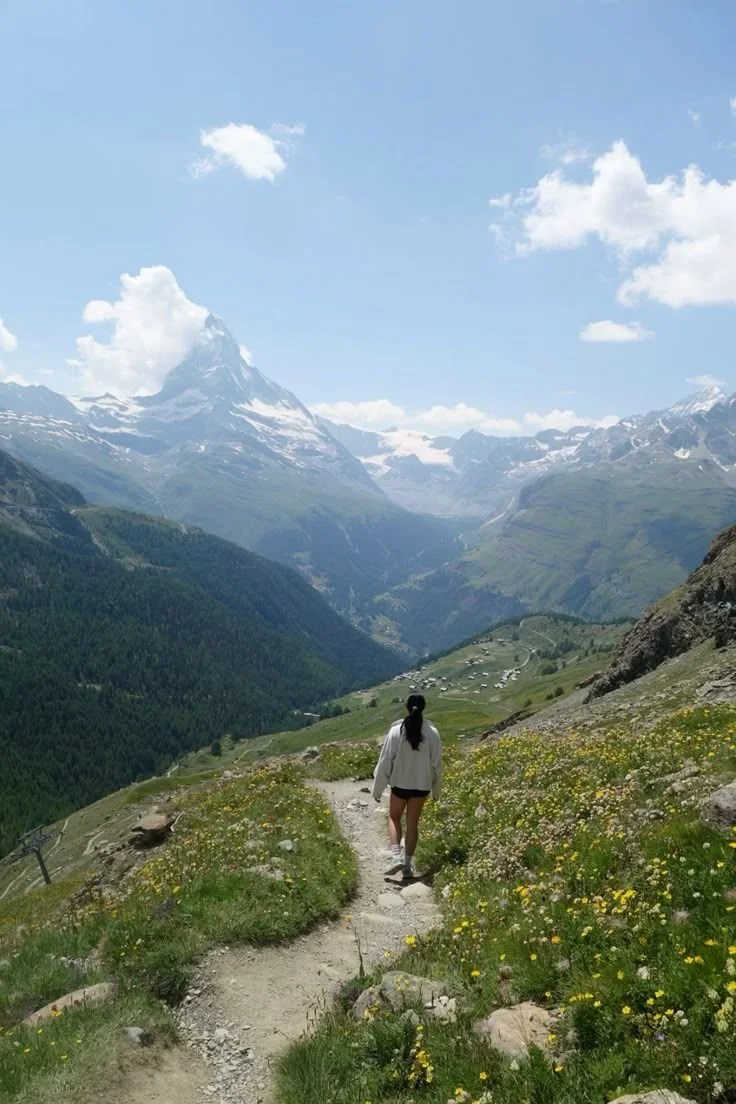
There are many breathtaking and rewarding hiking opportunities all around the world, from mountain trails and coastal paths to national parks and remote wilderness areas. Hiking adventures allow you to slow down and appreciate the scenery in a way that is not possible from a car or tour bus.
It also creates a kind of connection to a place that is difficult to replicate when you are moving quickly by car or following a tight tour schedule. On foot, the scenery unfolds gradually, and you experience the terrain with all your senses.
From alpine trails to coastal paths, hikes offer both physical accomplishment and mental reset. Whether you are walking through the Alps, exploring Iceland’s dramatic landscapes, or trekking in South America’s mountain ranges, hiking invites you to slow down, pay attention, and earn your views.
High-Impact Hiking Experiences to Consider
Multi-day hut-to-hut treks
Carrying a light pack while staying in mountain huts or simple lodges
Ideal for travelers who want challenge without full camping logistics
Day hikes with dramatic scenery
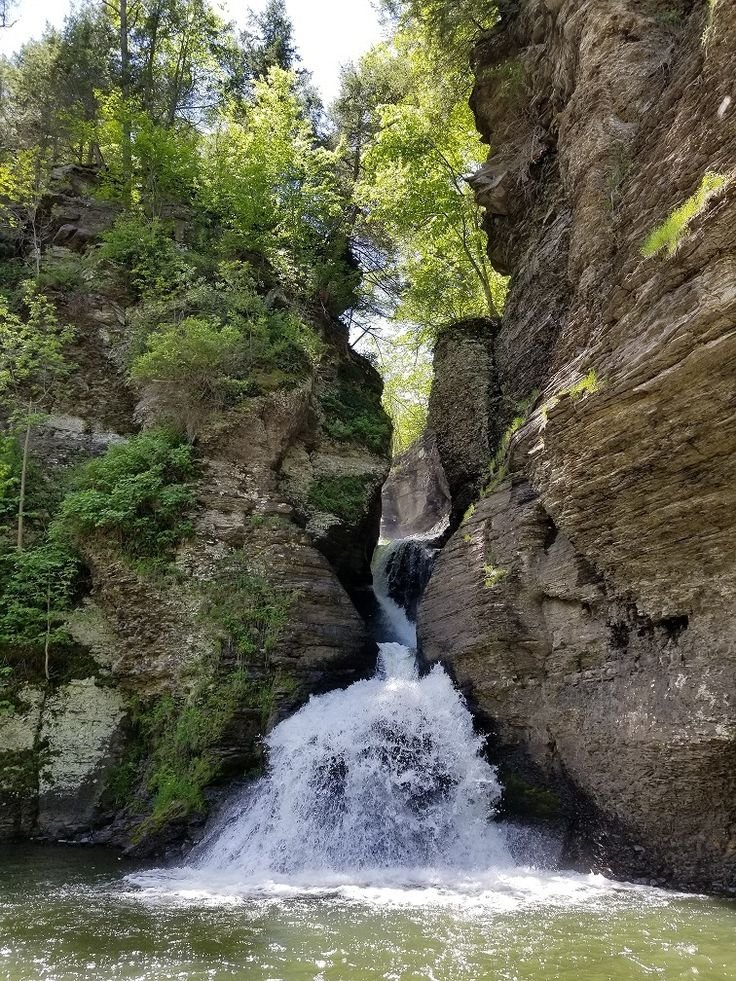
Waterfalls, volcanic terrain, cliffs, or glacial viewpoints
Great for travelers short on time or new to hiking
Remote wilderness hikes
Less crowded routes that prioritize solitude and nature immersion
Often requires more planning, navigation, and safety awareness
Coastal and ridge walks
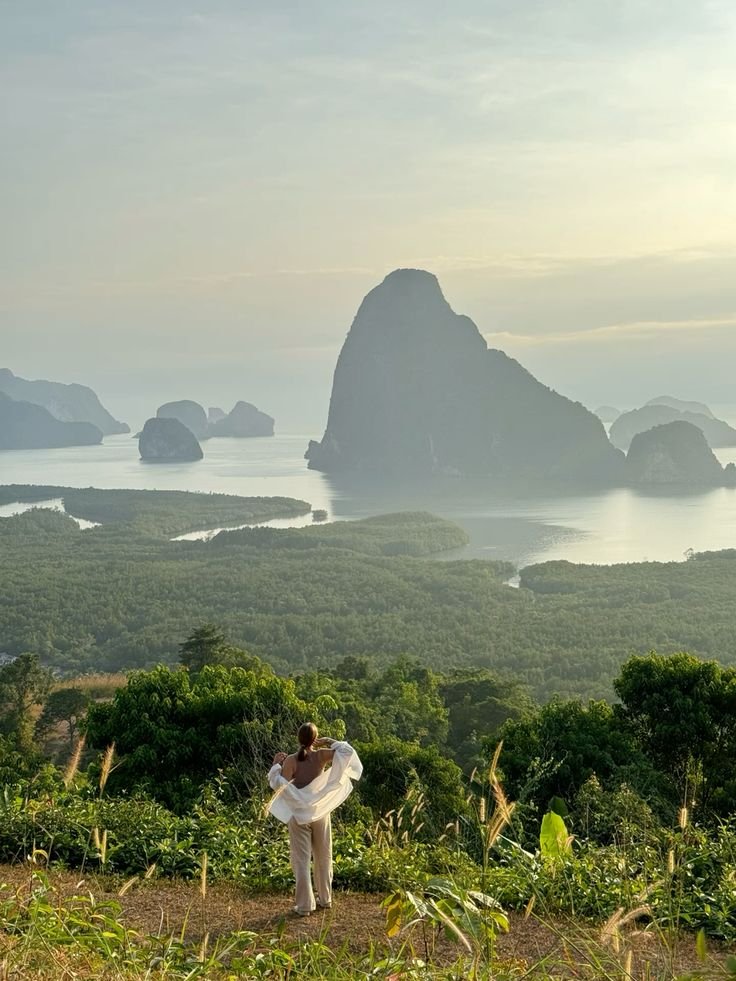
Scenic routes with changing light, sea air, and expansive views
Often easier on the lungs than high-altitude trekking
Planning Tips That Improve Safety and Enjoyment
Research difficulty honestly, including elevation gain and terrain type
Prioritize footwear over almost everything else, because blisters ruin trips
Build in weather flexibility, especially in mountains and coastal areas
Pack layers, water, and high-energy snacks even for short routes
If trekking at altitude, schedule acclimatisation days and avoid rushing
The best hiking adventures are not always the most extreme. They are the ones that match your current ability while still nudging your limits in a way that feels energising rather than punishing.
No. 3
Explore Different Cultures Through Immersive Travel
Adventure is not limited to physical challenges. Cultural exploration can be just as transformative, especially when it takes you beyond surface-level sightseeing and into real interaction. Learning local customs, navigating unfamiliar social norms, and trying new foods can be a powerful reminder of how many ways there are to live a meaningful life.
Some of the most enjoyable adventure holidays are built around local experiences: markets that feel like living museums, meals that tell stories about geography and history, and festivals that reveal what a community values. Cultural immersion adds depth to any itinerary and helps turn travel into something more than a checklist.
Cultural Experiences That Elevate Any Trip
Market visits with a purpose
Guided food tours that explain ingredients, traditions, and preparation
Opportunities to purchase local crafts and support small businesses
Cooking and food-based learning
Classes focused on regional cuisine and techniques
Shared meals that create connection across language barriers
Festivals and celebrations
Seasonal events that showcase music, dance, and ritual
A chance to see a place at its most vibrant and communal
Historic sites with context
Visits led by knowledgeable local guides
Understanding not only what happened, but why it matters today
How to Travel More Respectfully in Cultural Spaces
Learn a few basic phrases and greetings before arrival
Ask before photographing people, especially in rural or sacred areas
Dress appropriately when visiting places of worship or traditional communities
Choose locally owned guides and businesses when possible
Listen more than you speak, especially when you are a guest in someone’s home region
Culture-focused adventures tend to linger in your memory because they engage your emotions and curiosity. They can also make you a more thoughtful traveler, which is one of the most valuable outcomes of all.
No. 4
Add a Personal Challenge to the Journey
Many travelers find that the most rewarding adventures include a specific goal. This does not have to be a record-setting feat; it can be something that feels meaningful to you. A personal challenge gives your trip structure and a sense of purpose, and it often creates the kind of momentum that builds confidence long after you return home.
Ideas for Personal Travel Challenges
Train for a trek or long-distance walk and complete it on your trip
Learn a new outdoor skill, such as navigation, climbing basics, or kayaking
Commit to a digital-light itinerary, limiting screens to essential use
Try a new activity each day for a week, even if it is small
Travel solo for part of the trip to strengthen independence
How to Choose a Challenge You Will Actually Enjoy
Pick something aligned with your curiosity, not what looks impressive online
Allow room for rest and recovery, because fatigue undermines progress
Measure success by effort and consistency, not perfection
Build in flexibility so the trip still feels like a holiday, not a test
A well-chosen challenge creates a sense of accomplishment that is difficult to replicate in everyday routines. It also gives you a story that is rooted in growth rather than simply observation.
No. 5
Make Adventure Travel Sustainable and Well-Planned
Adventure travel is most enjoyable when it is planned with both practicality and responsibility in mind. The further you go from major cities, the more your preparation matters, and the more your choices impact local environments and communities. Thoughtful travel does not reduce spontaneity; it protects it, because fewer preventable problems means more freedom to enjoy the experience.
Practical Considerations for Adventure Trips
Health and safety planning
Check vaccinations, travel advisories, and local emergency numbers
Bring a basic first-aid kit appropriate to your activities
Insurance that matches the activity
Ensure coverage includes hiking, wildlife tours, or water sports if relevant
Seasonal timing
Research weather windows, migration seasons, and peak crowd periods
Fitness and recovery
Prepare physically if the trip is demanding, and schedule downtime
Simple Ways to Reduce Your Impact
Stay on marked trails to prevent erosion and habitat disruption
Pack out what you bring in, including small items like wrappers and tissues
Choose refillable bottles and minimize single-use plastics
Respect wildlife distance rules and never pursue animals for photos
Support local operators and purchase locally made products
When your planning is solid, you can relax into the experience. That is where the best moments happen: when you are not scrambling, but fully present.
Takeaways
Adventure travel is valuable because it pushes you beyond routine and creates experiences that strengthen confidence and perspective. Wildlife encounters, hiking journeys, and cultural immersion each offer a different path to that same lasting impact.
The best bucket list trips are not necessarily the most extreme; they are the ones designed around meaning, preparation, and respect for the places you visit. Choosing ethical operators and planning for safety improves both your enjoyment and your contribution as a visitor.
If you want travel memories that stay vivid for years, prioritize experiences that combine challenge with connection. When you return home, the real reward is often the quieter one: a broader outlook and the belief that you can handle more than you thought.
Looking for Travel resources?
Looking to embark on a transformative journey to discover new cultures, expand your horizons, and reconnect with yourself? Explore, learn, and awaken your wanderlust with our travel partners designed to support you on your next getaway.