Wellness Travel After 60: Stay Active While Enjoying A Relaxing Getaway
Wellness travel after 60 can be the sweet spot between adventure and restoration. You can wake up to ocean views, enjoy an unhurried breakfast, and spend the day exploring at a pace that feels good rather than exhausting.

In this article, we will explore how to stay active while still enjoying a relaxing getaway, with practical planning tips and gentle ways to move throughout your trip. The goal is to return home feeling refreshed, not like you need a vacation from your vacation.
No. 1
Plan for the Most Comfortable Trip Possible
The most restorative trips are designed around ease. When transportation is simple, streets are walkable, and your lodging fits your needs, you conserve energy for the experiences that matter.
Comfortable travel does not require a remote retreat or a packed schedule. Sometimes the best wellness getaway is a few days in a pleasant location where everything you need is close by.
Choose a destination that supports gentle movement
A location can either reduce stress or create it. Look for destinations that make it easy to be active without feeling pressured to “work out.”
Good options often include:
Beach towns with promenades and flat walking paths
Small cities with reliable taxis, rideshares, or public transit
Mountain or lake areas with scenic drives and short, well-marked trails
Garden-focused destinations with parks, arboretums, and botanical gardens
Book accommodations that make daily life easier
Where you stay shapes how your body feels each day. Prioritize convenience and accessibility so that simple routines, like getting breakfast or returning for a midday rest, are effortless.
Consider looking for:
Elevators, minimal stairs, and well-lit hallways
Comfortable seating areas in the room or lobby
On-site dining or easy access to nearby restaurants
A pool, spa, or quiet outdoor area for downtime
A location close to a town center so you can avoid long commutes
Pack for comfort, not just style
Packing strategically supports wellness because it prevents avoidable aches, blisters, and stress. A small set of reliable items usually beats overpacking trendy outfits you will not wear.
Useful essentials include:
Broken-in walking shoes and supportive sandals
Light layers for temperature swings on planes, trains, or evenings out
A refillable water bottle and electrolyte packets for hot climates
Any mobility supports you typically use, even if you “might not need them”
Copies of prescriptions and a short list of medications and dosages
No. 2
Make Walking a Natural Part of Your Getaway
Walking is one of the easiest ways to stay active on vacation, and it doubles as sightseeing. You can get plenty of exercise while exploring markets, waterfronts, historic districts, or neighborhood cafés while moving at a pace that feels comfortable.
You do not need to treat walking like an intense fitness session. On a wellness trip, walking works best when it is flexible, enjoyable, and easy to scale up or down.
Easy ways to build in more walking without overdoing it
The trick is to make walking the default choice in small doses. Short, pleasant walks spread throughout the day can feel better than one long trek.
Try ideas like:
Take a morning stroll before breakfast when streets are quiet
Walk to one attraction, then take a taxi back
Explore one neighborhood per day instead of crossing the entire city
Use benches, cafés, and scenic viewpoints as built-in rest stops
How to keep walking comfortable as the day goes on
Fatigue often comes from heat, dehydration, or wearing the wrong shoes rather than distance alone. A few small adjustments can keep you steady and confident.
Helpful habits include:
Start earlier in the day to avoid peak heat and crowds
Bring a light snack to prevent energy dips
Use sunscreen and a hat so the sun does not drain you
Aim for smooth routes when possible, especially on uneven cobblestones
No. 3
Enjoy the Water With Gentle Swimming or Water Exercise
Water-based movement is ideal for many travelers over 60 because it is typically low impact. A calm swim or simple water walking can help loosen stiff joints and provide a refreshing break from sightseeing.
Even a short session in the pool can change how your whole body feels. Water can also be a great option on hotter days when long walks feel less appealing.
Simple ways to move in water, even if you are not a strong swimmer
You do not need to swim laps to benefit. Many hotels and resorts also offer shallow areas that work well for light movement.
Consider:
Water walking back and forth in the shallow end
Gentle leg swings while holding the pool edge
Slow, relaxed floating and breathing exercises
Beginner water aerobics classes that focus on mobility and balance
Smart safety and comfort checks for swimming on vacation
Vacation environments vary, and it is worth being cautious. Prioritize safe, calm water conditions, especially if you are swimming in the ocean.
Keep it simple:
Swim at beaches with lifeguards and clear signage
Avoid rough surf and strong currents, even if the water looks inviting
Choose non-slip footwear around pools to prevent falls
Rinse and moisturize after swimming to prevent dry skin irritation
No. 4
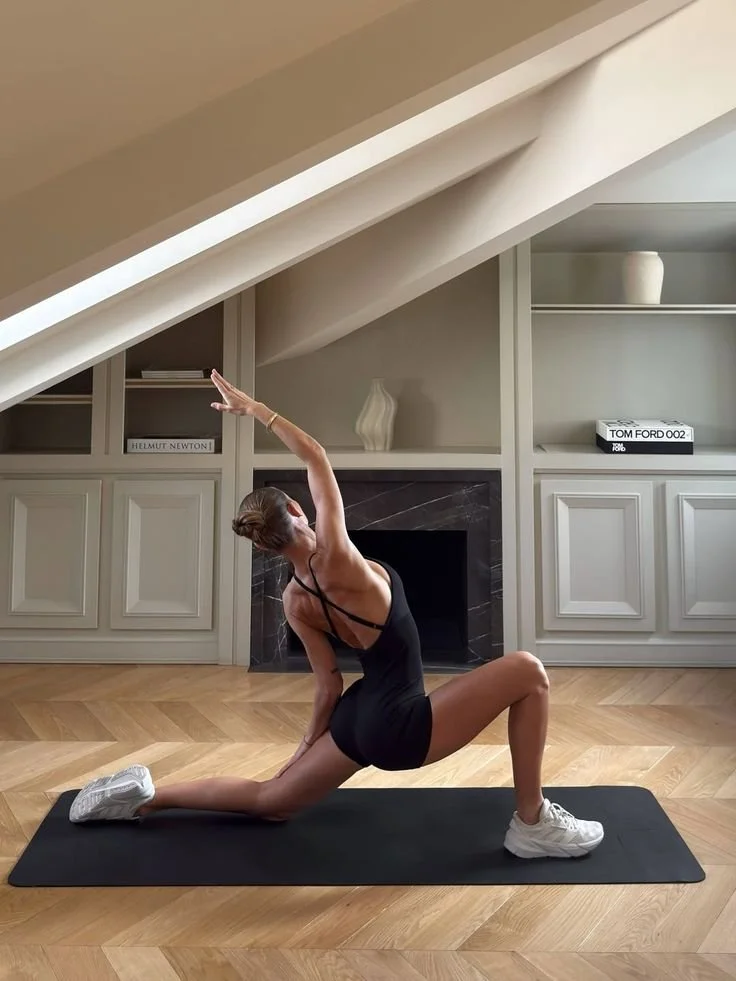
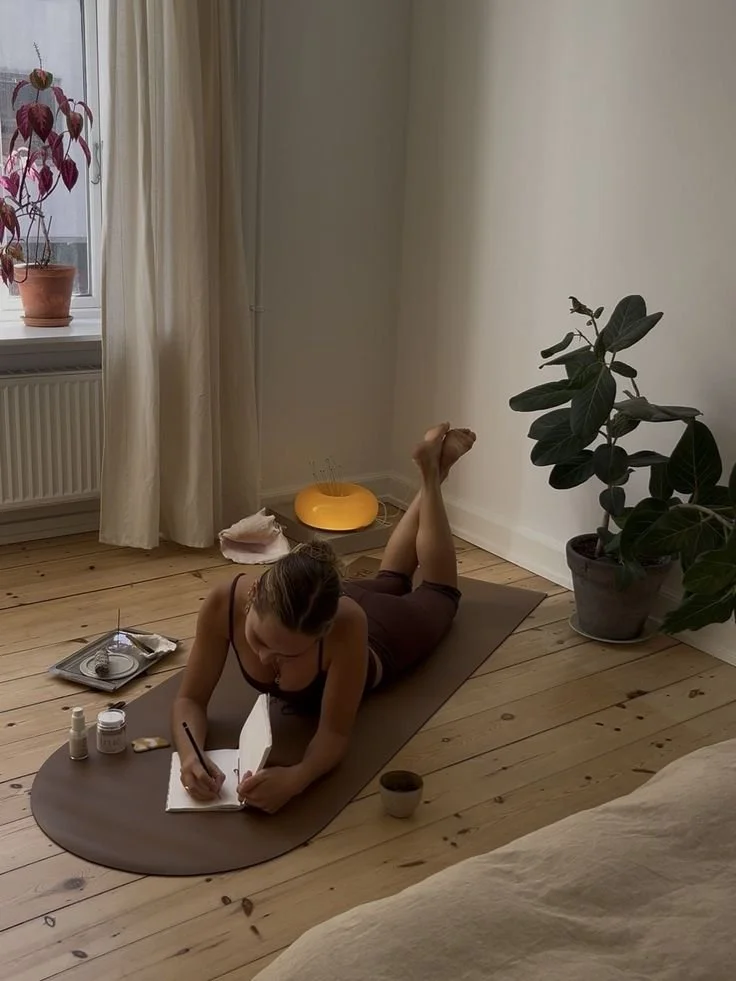
Use Gentle Yoga or Stretching to Reduce Stiffness
Long flights, train rides, and car travel can tighten hips, calves, and shoulders. A few minutes of stretching can help you feel looser, steadier, and more comfortable while exploring.
Yoga can also support balance and relaxation, but it should feel approachable. A vacation is not the time to force new poses or push into pain.
A vacation-friendly stretching routine that takes 5–10 minutes
You can do these in your room without equipment. Move slowly and use a chair or wall for support if you need it.
Focus on:
Neck and shoulder rolls to ease travel tension
Calf stretches to reduce foot fatigue from walking
Gentle hip openers to help with long sitting periods
Hamstring stretches to improve comfort while standing and strolling
Deep breathing for relaxation and better sleep quality
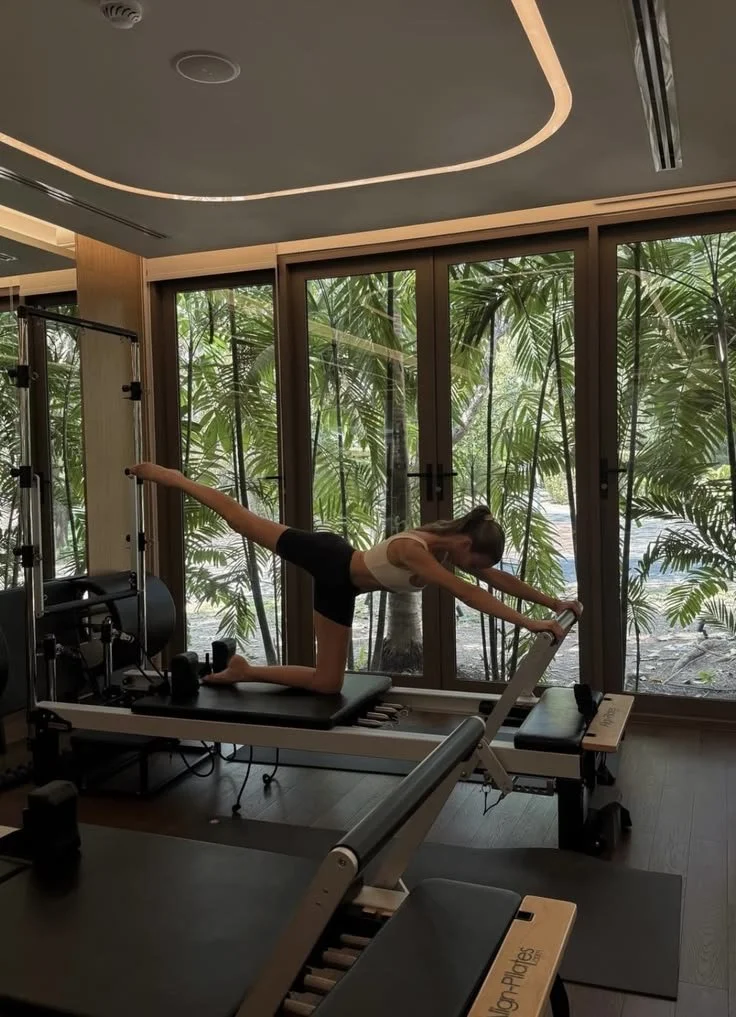
Choosing the right class if your hotel offers yoga
A class can be a pleasant part of a wellness trip, especially if it is beginner-friendly. Chair yoga can be a strong option if getting up and down from the floor is uncomfortable.
Look for classes described as:
Beginner, gentle, restorative, or slow flow
Mobility, flexibility, or balance-focused
Chair yoga or senior-friendly sessions
No. 5
Explore Nature and Local Attractions With a Wellness Mindset
Wellness travel is not just exercise. It is also about rest, curiosity, and experiences that make you feel more alive and engaged.
Many attractions naturally incorporate movement without feeling strenuous. A museum, garden, or historic district can be both mentally refreshing and physically energizing.
Low-stress outings that still feel enriching
Choose activities that let you move at your own pace and include natural pauses. The best attractions for wellness travel are the ones that feel pleasant, not rushed.
Options to consider:
Botanical gardens and arboretums with benches and shade
Museums where you can sit between exhibits
Scenic drives with short lookout walks
Farmers’ markets with casual browsing and snacks
Guided tours that offer transportation and structured pacing
Check accessibility before you commit
A little research prevents unpleasant surprises. Many destinations provide accessibility notes, route difficulty ratings, and elevator information online.
Before you go, look up:
Terrain details, including steep hills, stairs, and uneven surfaces
Parking, drop-off points, and how far entrances are from transit
Availability of benches, restrooms, and shaded areas
Whether timed tickets reduce long standing in lines
No. 6
Plan a Relaxed, Manageable Itinerary
It is easy to over-schedule when you are excited about a new place. A packed itinerary can turn a wellness trip into a stressful performance, especially if you feel pressure to “make the most of it.”
A calmer plan gives you freedom to adjust based on weather, energy levels, and mood. It also creates space for the moments that make travel memorable, like lingering over lunch or reading in a quiet courtyard.
A simple daily structure that supports energy and rest
A balanced day typically includes one main outing and plenty of breathing room. This rhythm reduces fatigue without making the trip feel boring.
A wellness-friendly day might look like:
Morning: easy walk and a relaxed breakfast
Midday: one planned activity, such as a museum or market
Afternoon: rest at the hotel, pool time, or a nap
Evening: a gentle stroll and a low-key dinner
Build in flexibility so you can change plans without guilt
Your energy may vary day to day, and that is normal. A “rest day” is not wasted time if it helps you feel better the next morning.
Flexibility ideas include:
Keep one open block of time each day
Choose refundable tickets when possible
Save more demanding outings for earlier in the trip
Plan “Plan B” indoor options for hot weather or rain
No. 7
Support Your Body With Hydration, Food, and Rest
Wellness travel gets easier when you protect the basics. Hydration, nourishing meals, and consistent sleep can determine whether you feel energized or worn down.
Vacation food can still be part of wellness. The goal is not restriction, but choosing meals that help you feel good while still enjoying local specialties.
Daily habits that make travel feel noticeably better
These simple practices can reduce headaches, fatigue, and soreness. They also help you recover faster after a longer day.
Consider:
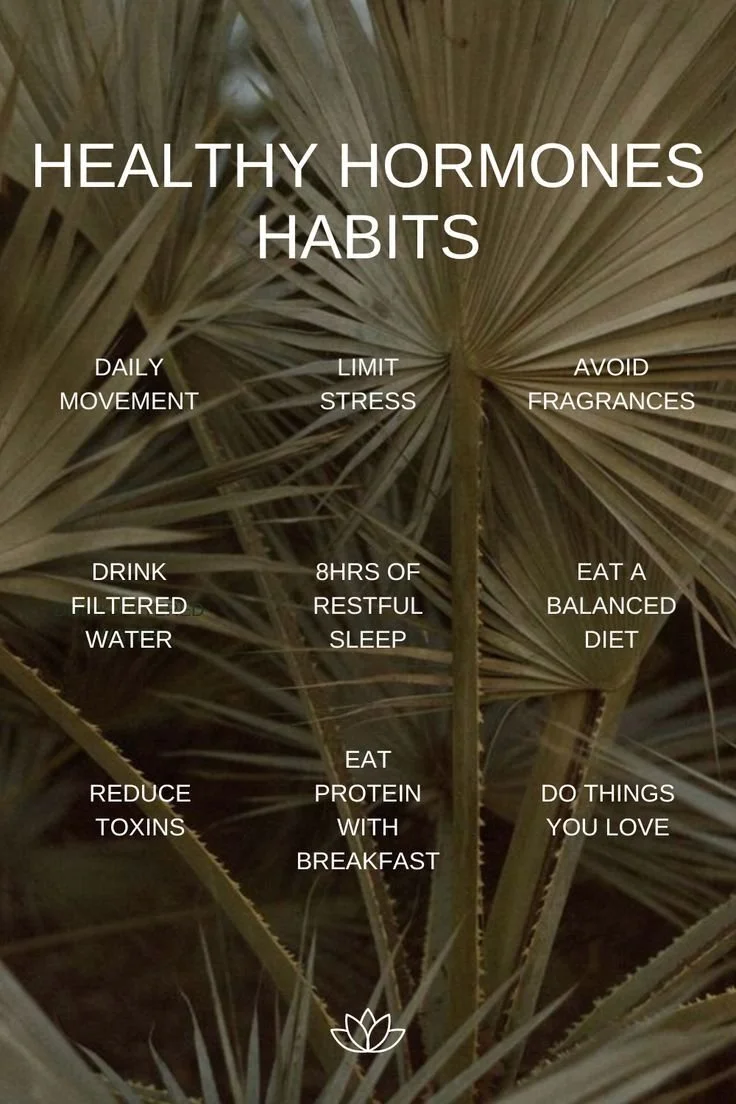
Drinking water regularly, not just when you feel thirsty
Eating protein at breakfast to stabilize energy
Carrying a light snack to avoid long gaps between meals
Taking a short midday rest, especially in warm climates
Avoiding too many back-to-back early mornings
Plan ahead for medications and dietary needs
If you take medications or follow a particular eating plan, travel is easier when you prepare. A few minutes of planning can prevent disruptions that affect your comfort.
Helpful steps include:
Pack medications in your carry-on in original bottles
Bring a written medication list in case you need a refill
Identify simple “safe meals” you can find almost anywhere
Ask restaurants about modifications without apologizing for your needs
No. 8
Listen to Your Body and Adjust as Needed
The most important wellness skill while traveling after 60 is self-trust. Some days you will feel energetic and ready to explore, and other days you may need a slower start.
Pay attention to signs of fatigue, overheating, dehydration, or discomfort, and respond early. Adjusting your plans is not quitting; it is how you protect your health and enjoyment.
Signs you may need to slow down that day
Catching these early can prevent a minor issue from turning into a miserable afternoon. Build in breaks before you feel depleted.
Watch for:
Lightheadedness or headaches, especially in heat
Foot pain that changes your walking pattern
Unusual shortness of breath or rapid fatigue
Irritability or difficulty concentrating, which can signal low energy
Trouble sleeping, which often compounds the next day’s strain
When to consider medical guidance before or during travel
If you have concerns about mobility, chronic conditions, or new symptoms, it is reasonable to speak with a healthcare provider. The goal is peace of mind and safe enjoyment.
You may want guidance if you are:
Recovering from surgery or managing new medications
Traveling to high altitudes or very hot climates
Planning activities that are more demanding than your usual routine
No. 9
Enjoy the Journey at Your Own Pace
Wellness travel after 60 is about moving enough to feel good and resting enough to feel restored. A meaningful trip can include beach walks at sunrise, a quiet afternoon with a book, and a simple dinner you savor without rushing.
You do not have to see everything to feel fulfilled. Often, it is the small moments, like a friendly conversation at a café or a peaceful view from a bench, that make a getaway truly renewing.
Ways to make your trip feel personally restorative
A few intentional choices can turn an ordinary vacation into a wellness reset. Prioritize experiences that match your temperament and energy.
Try:
Choosing one “anchor ritual,” like a morning walk or evening swim
Taking photos of small details that make you smile, not just landmarks
Scheduling downtime the same way you schedule activities
Giving yourself permission to return to a favorite spot more than once
Takeaways
Wellness travel after 60 works best when you plan for comfort, choose supportive accommodations, and pick destinations that make gentle movement easy. When logistics are simple, you have more energy for enjoyment.
Walking, swimming, and light stretching can keep you active without turning your trip into an endurance event. Nature outings, museums, and local markets add movement and mental stimulation while still allowing plenty of rest.
A relaxed itinerary, consistent hydration and sleep, and the willingness to adjust plans day by day will help you return home refreshed. The best wellness getaway is the one that fits your body, your pace, and your idea of joy.
Looking for wellness resources?
Are you looking to enhance your wellness routine? Explore our wellness partners who offer a wide range of resources to support your journey toward holistic living and well-being.