Finding Your Perfect Retreat: Wellness Travel Ideas
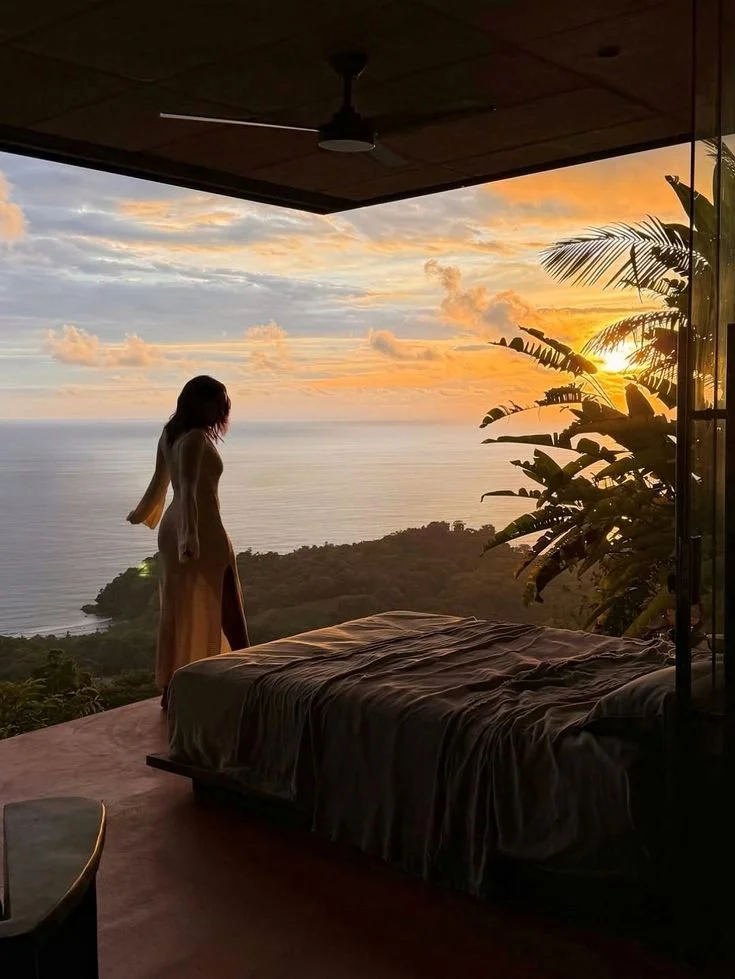
Ever come back from a vacation feeling like you need another one? If your getaways leave you more tired than refreshed, it may be time to choose a different approach to travel. Wellness travel focuses on trips designed to restore your mind, body, and spirit so you return home feeling genuinely renewed, not depleted. It is less about checking off every attraction and more about creating experiences that help you feel present, balanced, and well.
In this article, we will explore how wellness travel works, why mindful escapes are rising in popularity, which destinations support outdoor rejuvenation, how local food and culture deepen restoration, and how to plan a getaway that actually delivers on rest.
No. 1
The rise of mindful escapes
Wellness-focused travel is not a brand-new concept, but it has evolved far beyond the occasional spa day. Today, it is often a direct response to modern life: constant notifications, long work hours, overstimulation, and the feeling that true rest is always postponed.
The rise of wellness travel shows more and more people want experiences that offer more than just a quick escape. They're looking for a bit of a transformation, even a small one. More travelers now want vacations that offer real recovery and, ideally, a small personal reset they can carry back into daily routines.
A mindful escape does not need to be dramatic or extreme. For some people, it means quiet. For others, it means movement, structure, or a change of scenery that invites healthier habits. What matters is that the trip is built around well-being rather than pure novelty or nonstop sightseeing.
What defines wellness travel today
Wellness trips tend to share a few characteristics that separate them from traditional itineraries:
A slower pace that allows for genuine downtime
Activities that reduce stress or support physical health
Environments that encourage presence, such as nature, silence, or limited screens
A focus on recovery, including sleep quality, nutrition, and movement
Space for reflection through journaling, meditation, or unstructured time
Popular types of mindful getaways
Different styles suit different needs, and choosing the right one is often the difference between feeling restored and feeling scheduled.
Yoga and meditation retreats
These structured programs often take place in calming settings and include daily movement, breathwork, and mindfulness practices. They can be ideal if you want guidance, routine, and a supportive environment.Digital detox trips
These experiences reduce or eliminate screen time so you can reconnect with the physical world. Many travelers find that even a short break from constant connectivity improves mood, attention, and sleep.Fitness-focused adventures
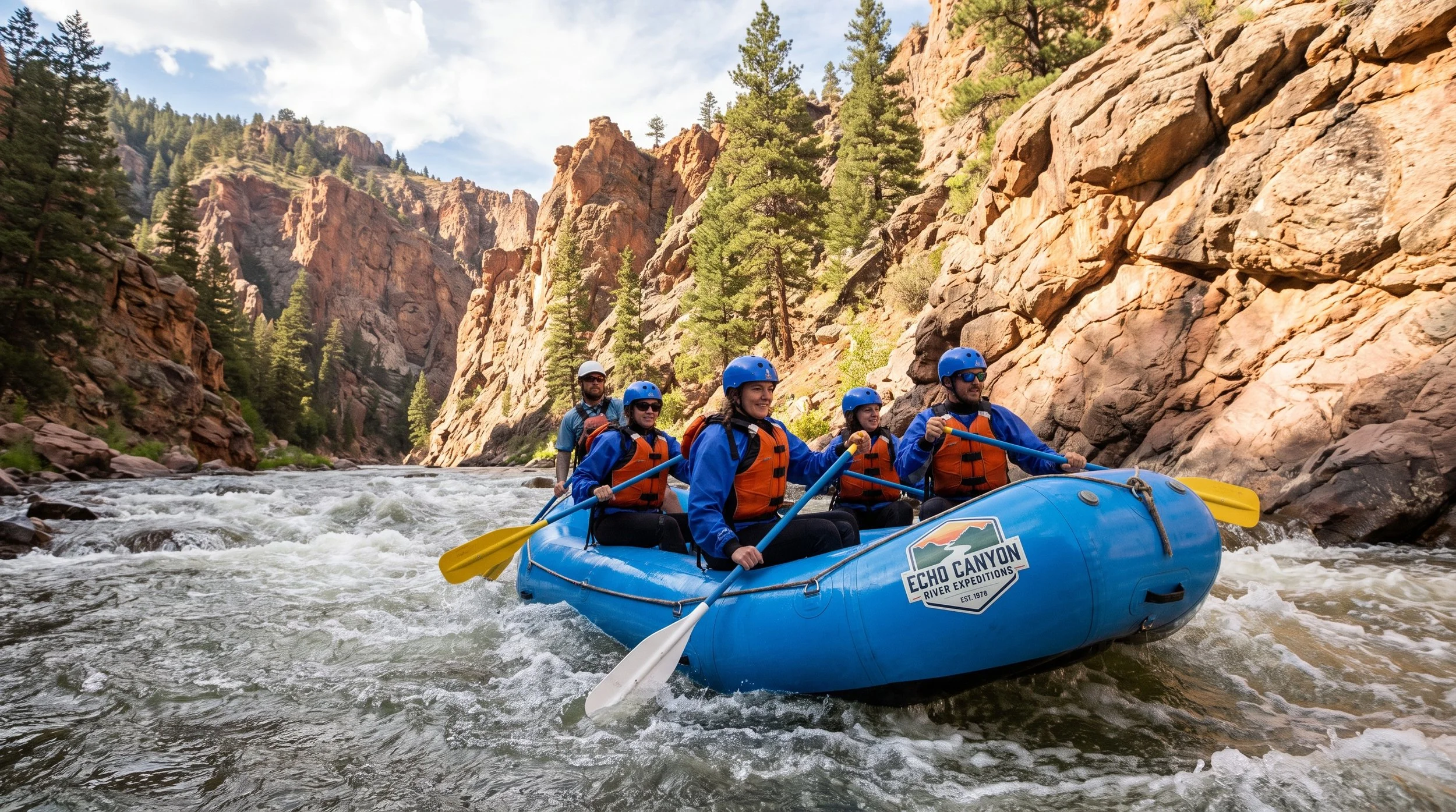
Think hiking weekends, cycling tours, surf camps, or guided climbing experiences. These trips channel energy into movement and often build confidence by helping you feel stronger and more capable.Spiritual or personal growth journeys
For some, wellness includes spiritual grounding or deeper self-inquiry. This can include silent retreats, pilgrimages, workshops, or immersive experiences that encourage reflection and purpose.
Why these trips can improve mental well-being
Mindful escapes can be powerful because they interrupt the patterns that keep people stressed. When you step away from your usual environment and obligations, your nervous system has a chance to downshift. You may return with more than great photos, including:
Better stress management tools you can keep using at home
Improved awareness of what drains you and what restores you
A clearer mindset that makes decisions easier
Motivation to maintain healthier routines after you return
The big win with these mindful escapes is how much they help your mental health. Taking time to truly rest and do things that restore you can improve your mental health and your overall well-being. You come back not just with memories, but with new tools and a clearer outlook.
No. 2
Destinations for outdoor wellness
One of the simplest ways to recharge is to spend time outside. Nature exposure is strongly associated with reduced stress and improved mood, and it offers a break from indoor routines that can feel mentally “loud.” For wellness travel, the best destinations are often those that make outdoor time effortless, whether that means trails nearby, water access, or a setting that naturally encourages walking, breathing deeply, and slowing down.
Outdoor wellness does not require a wilderness expedition. It can be as simple as staying somewhere that supports daily movement and gives you easy access to fresh air and open space.
What to look for in an outdoor wellness destination
When choosing a location, prioritize practical factors that will make it easy to follow through on your intentions:
Walkable access to nature, such as trails, beaches, parks, or lakes
A climate that supports outdoor activity during your travel dates
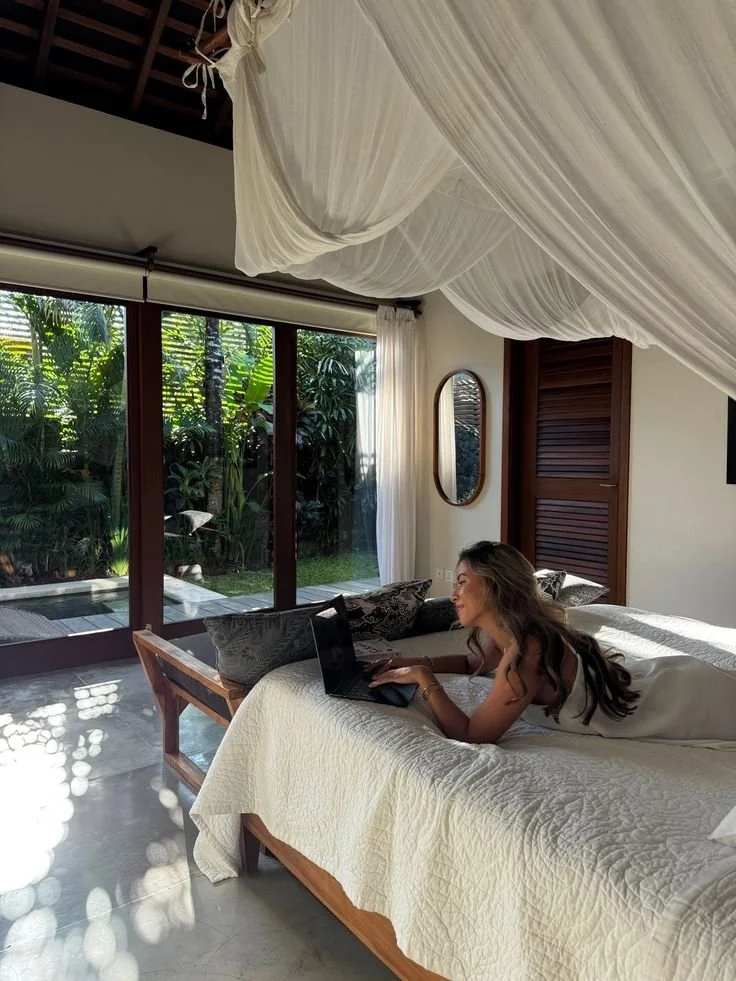
Lodging that feels calming, quiet, and conducive to sleep
Availability of healthy food options and hydration-friendly habits
Opportunities for gentle movement and recovery, like yoga studios or spas
Examples of settings that support restoration
Different landscapes support different kinds of rest. Consider what your body and mind respond to most:
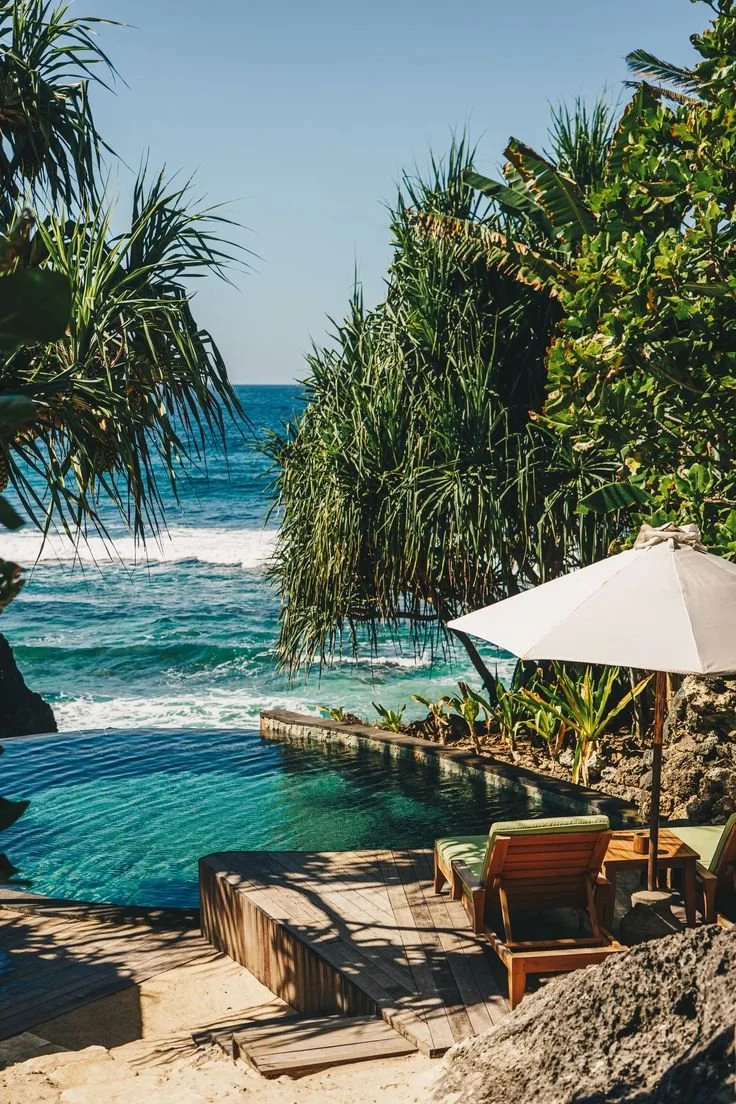
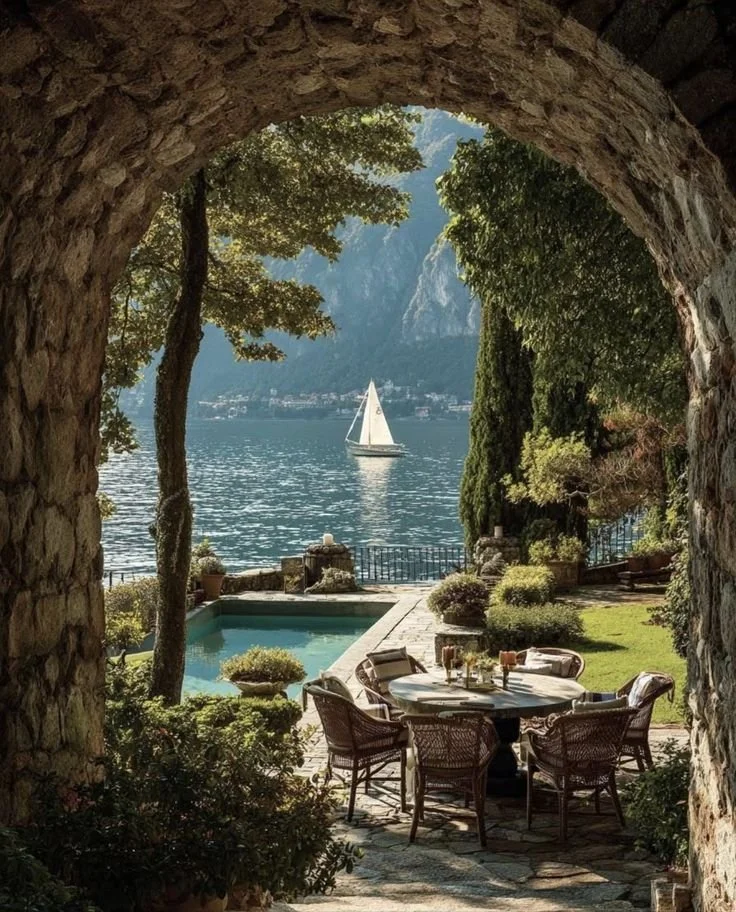
Coastal stays for ocean air, swimming, and long, grounding walks
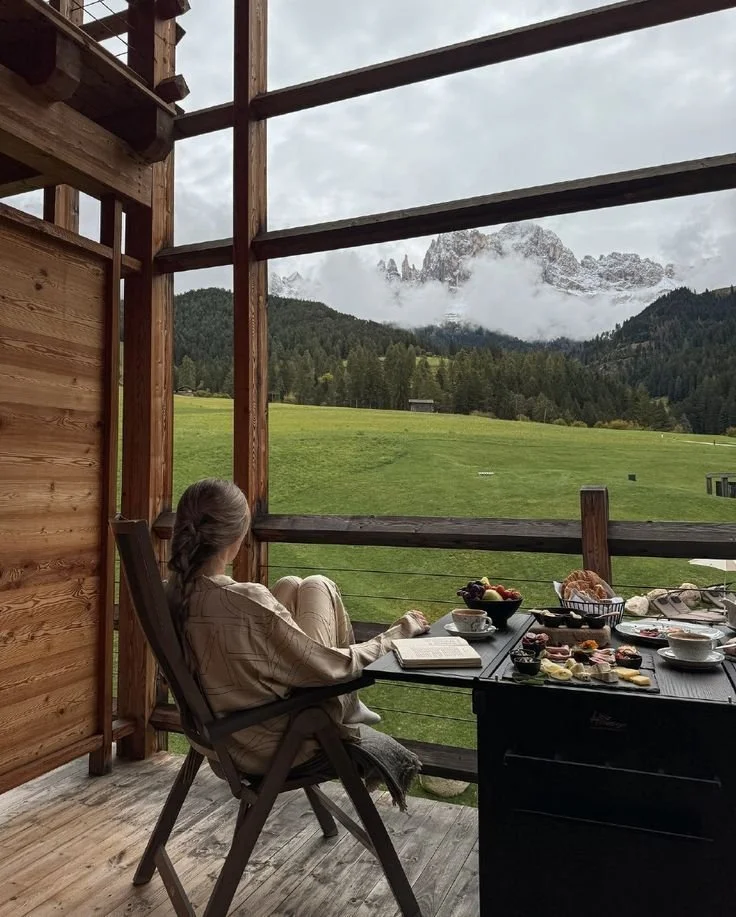
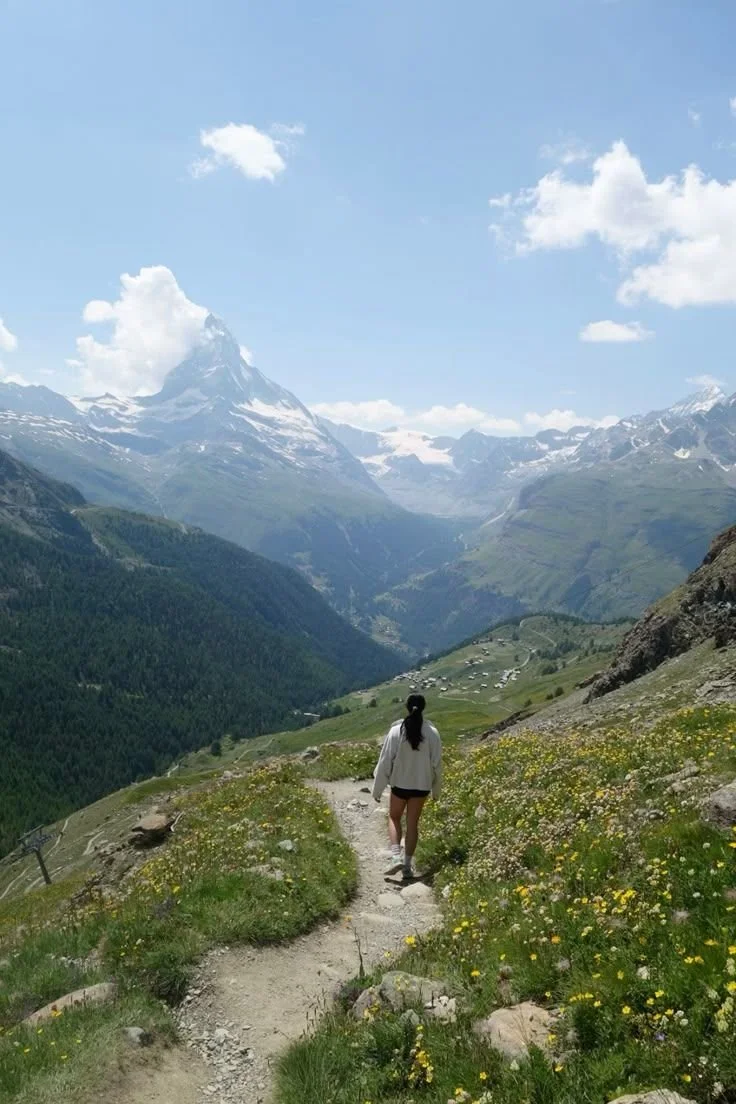
Mountain towns for hiking, cooler air, and a sense of perspective
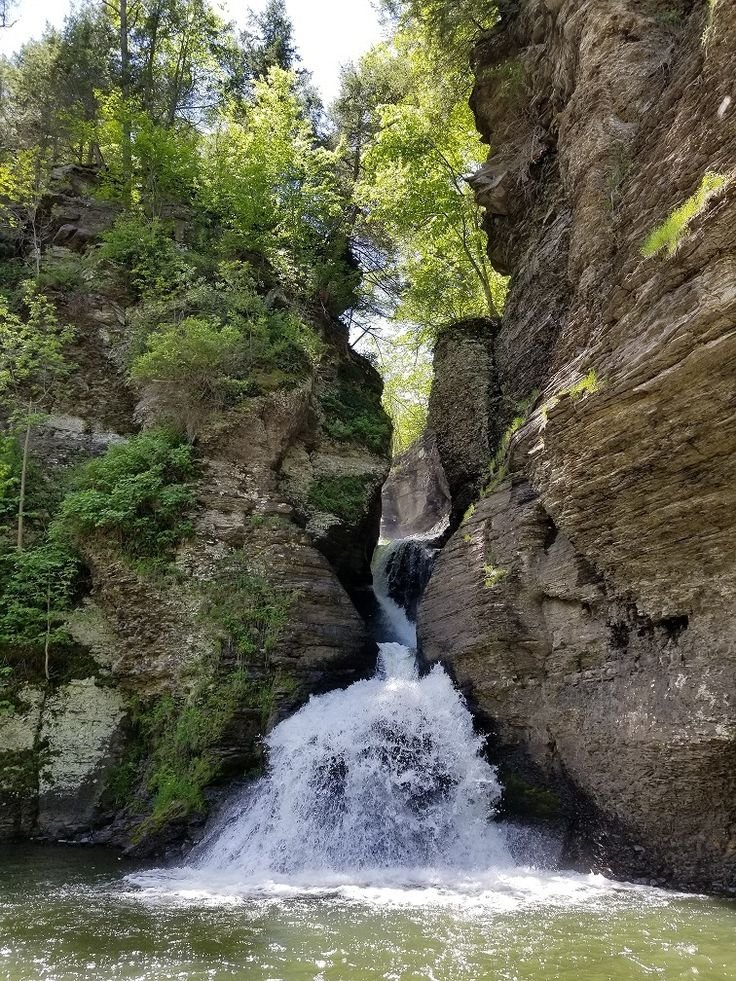
Forest cabins for quiet, shade, and reduced sensory stimulation
Desert environments for expansive views and distraction-free reflection
Cities with strong green space infrastructure can also be excellent. For example, Boulder, Colorado is widely known for its extensive network of hiking and biking trails that begin right at the edge of town. This makes it possible to combine outdoor adventure with city comforts such as wellness-minded cafés, quality accommodation, and classes that support recovery.
How to match the setting to your wellness goal
If you want your trip to feel restorative instead of randomly busy, align the environment with your purpose:
For deep relaxation, choose quiet, low-traffic areas with minimal noise
For energy and motivation, pick destinations where outdoor movement is built into the culture
For emotional reset, consider wide-open landscapes that encourage reflection
For improved sleep, prioritize places with dark nights, cooler temperatures, and calm lodging
No. 3
Incorporating local food and culture
A restorative getaway engages more than your muscles and your schedule. It engages your senses, your attention, and your relationship with everyday rituals like eating. Wellness travel is not about restriction; it is about nourishment and mindful enjoyment. Local food experiences can support well-being when they emphasize freshness, balance, and connection.
Exploring local culture can also be restorative because it interrupts routine and sparks curiosity. That mental shift is a key part of what makes travel feel renewing rather than merely distracting.
Ways to use food as a wellness tool
Rather than focusing on “perfect” eating, aim for choices that make you feel energized and steady:
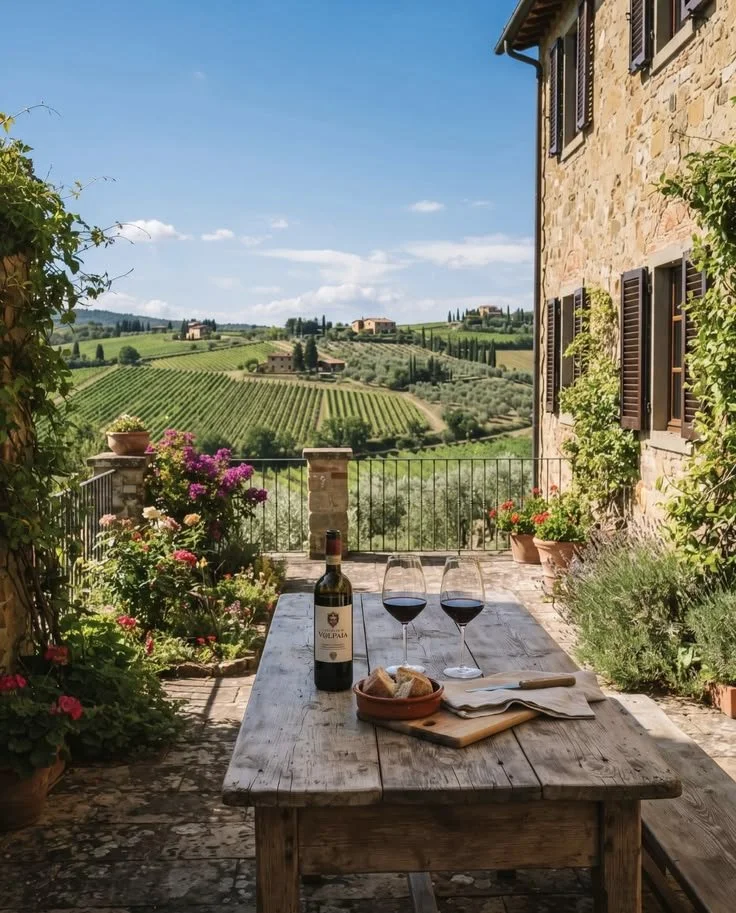
Seek out farm-to-table restaurants that highlight seasonal ingredients
Build at least one meal per day around vegetables, protein, and hydration
Carry nourishing snacks for long excursions to avoid energy crashes
Choose experiences that make eating slower and more intentional
Wellness-friendly food activities to add to your itinerary
These options support both health and a sense of place:
Visit a local farmers’ market to try regional produce and meet vendors
Book a cooking class focused on local cuisine with fresh ingredients
Plan a picnic using market finds to make meals feel unhurried
Try a tea tasting, coffee cupping, or traditional beverage ritual
Cultural experiences that restore, not exhaust
Cultural exploration can add depth without making your schedule frantic. Consider activities that are immersive but not high-pressure:
A museum visit during a quiet weekday morning
A traditional craft workshop that encourages focus and flow
A walking tour in a historic district at a relaxed pace
A local music or cultural performance that feels reflective rather than loud
Many of the best getaways for R&R combine physical relaxation with cultural enrichment. When you feed your curiosity, you often feel more present and alive, which is its own form of wellness.
No. 4
Planning a restorative getaway with intention
Wellness travel works best when you plan with clarity. A trip can be beautiful and still leave you tired if it is packed with commitments, long drives, late nights, or constant decision-making. Restoration requires both intention and simplicity.
Planning does not mean over-scheduling. It means designing the trip so your energy is protected.
Step 1: Define your “why” before you book
Start by identifying what you actually need right now. Common goals include:
Stress relief after an intense work season
Better sleep and a calmer daily rhythm
A fitness reset that feels enjoyable, not punishing
Space to think, journal, or make a life decision
Reconnection with your body through movement and nature
When you are clear about your goal, it becomes easier to choose the right setting. A digital detox, for example, usually works better in a remote cabin than in a lively city hotel.
Step 2: Decide between a structured retreat and a DIY trip
Both approaches can be effective, but they serve different travelers.
Structured retreat benefits:
A built-in schedule that reduces decision fatigue
Expert guidance in yoga, meditation, or coaching
A supportive community that can keep you accountable
A setting designed for quiet and recovery
DIY wellness trip benefits:
More flexibility around budget, timing, and activities
Freedom to mix rest with exploration
The ability to tailor the pace to your energy day by day
More autonomy to choose food, lodging, and movement
Step 3: Build a realistic itinerary that protects downtime
The most common mistake with wellness travel is trying to do too much. A restorative itinerary typically includes:
One primary activity per day, not five
Buffer time between plans for naps, walks, or unstructured rest
At least one full “nothing day” on longer trips
Morning routines that start slowly, without rushing
Step 4: Pack for comfort, not for options
Packing with intention reduces stress and supports the mindset you want to maintain. Consider bringing:
Comfortable clothes suitable for movement and layering
A journal and pen for reflection
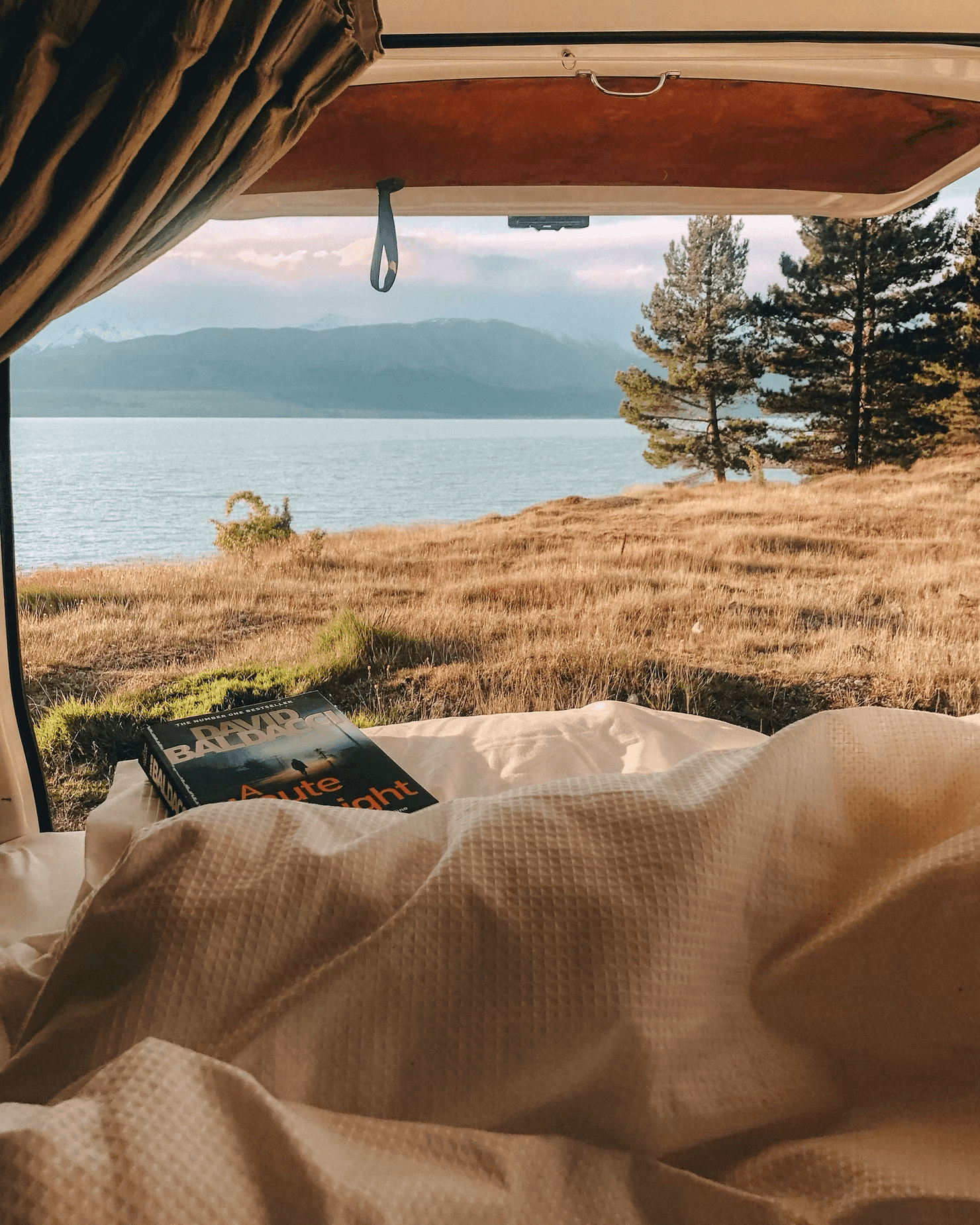
A book that feels calming rather than demanding
A reusable water bottle and any essentials for hydration
Minimal “work-like” items that pull you back into obligation
Step 5: Set a simple intention and keep returning to it
An intention is not a rigid rule. It is a gentle compass that helps you make choices during the trip. Examples include:
I will be present
I will listen to my body
I will rest without guilt
I will choose fewer things, more deeply
This small mindset shift often becomes the difference between a trip that is merely different and a trip that is truly restorative.
Takeaways
Wellness travel is most effective when it is designed around recovery rather than constant activity. If your vacations leave you drained, choosing a slower, more intentional style of travel can help you return home feeling genuinely refreshed.
Mindful escapes can take many forms, from yoga retreats and digital detoxes to outdoor adventures and spiritual journeys. The best choice is the one that matches your current needs, your energy level, and the environment that helps you feel calm and restored.
Planning is what turns a nice trip into a restorative one. Clarify your purpose, protect downtime, and build in nourishing food and cultural experiences so you come back with more resilience, clarity, and lasting benefits.
Looking for Travel resources?
Looking to embark on a transformative journey to discover new cultures, expand your horizons, and reconnect with yourself? Explore, learn, and awaken your wanderlust with our travel partners designed to support you on your next getaway.