Why Maui, Hawaii Is the Ultimate Wellness Travel Destination
Not all travel restores you. Some trips are packed so full of obligations, logistics, and performance, a relentless march from one attraction to the next, that you return home more exhausted than when you left. True wellness travel works differently; it is built around experiences that reset your nervous system, nourish your body, and reconnect you with the present moment.

In this article, we will explore why Maui, Hawaii consistently stands out as an ideal wellness destination, from ocean-based calm and volcanic perspective to nourishing local food and culturally grounded ways of traveling with more intention. Maui does not force relaxation; it creates the conditions for it, making restoration feel natural rather than scheduled.
No. 1
Maui makes it easy to slow down without feeling bored
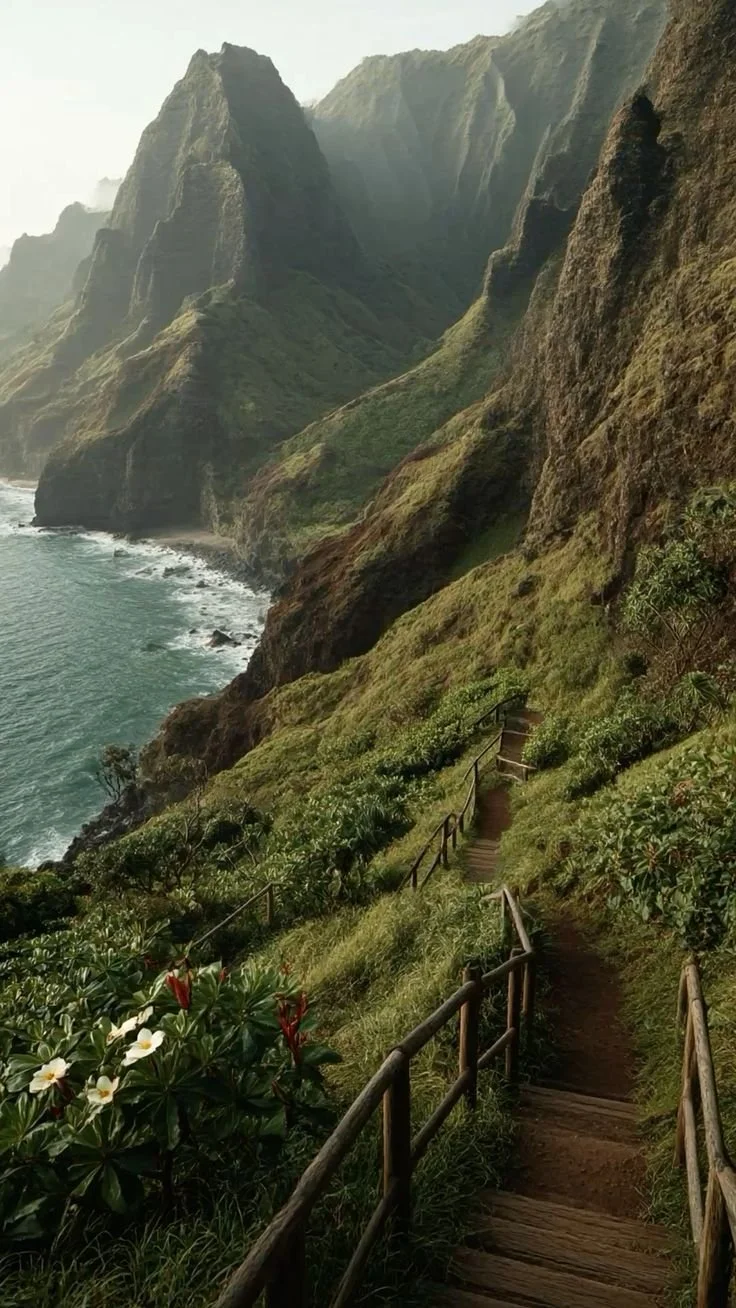
Maui is often described as a beach paradise, but its deeper value for wellness travelers is the way it supports a slower pace without sacrificing richness. You can spend a full day doing very little and still feel like you experienced something meaningful, because the island’s landscapes, weather, and rhythms naturally invite downshifting.
Rather than pushing you to chase constant stimulation, Maui rewards presence. The light changes, the wind patterns shift, the surf rises and falls, and the island feels different by the hour. That steady, sensory variation is one reason Maui can be restorative: it gives your mind something gentle to focus on, reducing the urge to multitask.
Simple ways to build “less rush” into your itinerary
A wellness-forward Maui trip usually looks lighter on the calendar and heavier on the essentials.
Choose one anchor activity per day, then leave space around it
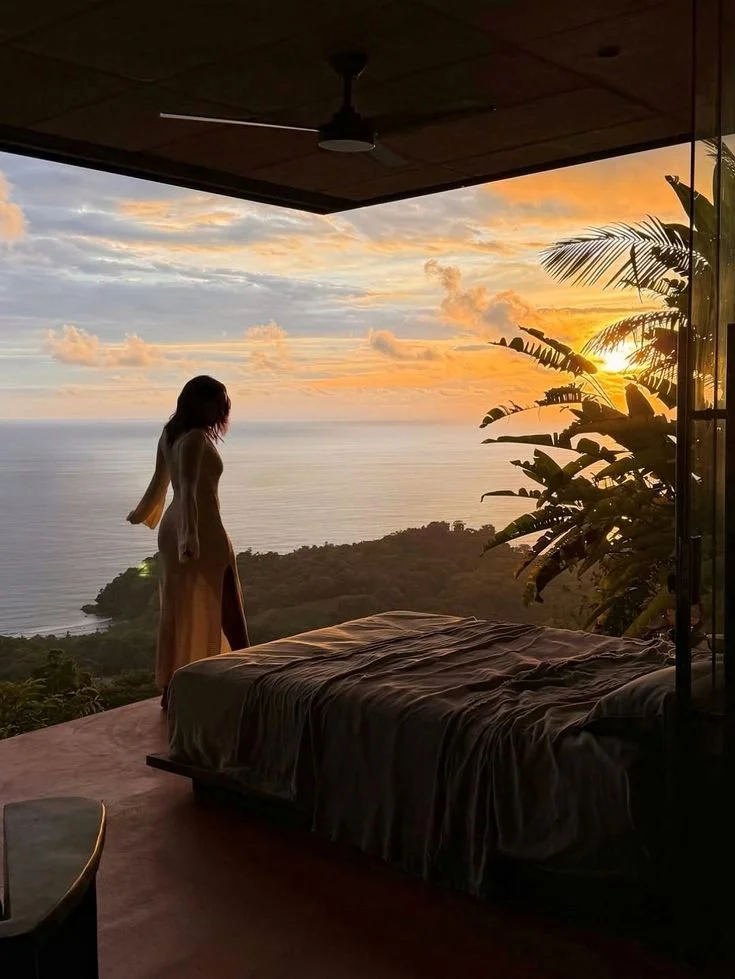
Prioritize accommodations that support rest, such as quiet areas and comfortable sleep
Plan for transition time between locations because driving can take longer than expected
Include at least one unscheduled day where the goal is simply to be outside
Create a personal “rest baseline,” such as being back to your lodging by a set hour most nights
What “restorative travel” looks like on Maui
If you are used to vacations that feel like projects, Maui offers a different template.
Morning: slow start, hydration, a walk, or gentle stretching
Midday: one meaningful experience (snorkel, hike, farm visit, or beach time)
Afternoon: unstructured recovery time and a nourishing meal
Evening: early wind-down, low stimulation, and better sleep consistency
No. 2
Let the ocean recalibrate you
The place where Maui's restorative power is often felt first is the ocean. Water is one of the most powerful environments for nervous system restoration, and the combination of sensory immersion, rhythmic sound, and visual depth commonly supports a calmer mental state. Maui’s marine environment offers this in an exceptional form, especially when you approach it mindfully.
Experiencing the ocean with knowledgeable guidance can also change the entire encounter. Pride of Maui is a family-owned tour company with over 40 years of experience on Hawaiian waters, offering snorkeling excursions to two of Maui's most spiritually and ecologically significant marine sites: Molokini Crater and Turtle Town.
Molokini is a partially submerged volcanic caldera, one of only three in the world open to snorkelers, where visibility can exceed 100 feet and the reef teems with over 250 species of tropical fish. Turtle Town offers close encounters with Hawaiian green sea turtles, known as honu, which are considered sacred in Native Hawaiian culture, symbols of good luck, endurance, and the navigator's spirit.
Floating alongside one in open water is not a tourist activity; it can be a genuine moment of presence that stays with you long after you return home.
Ocean-based experiences that support wellness
Maui offers multiple ways to connect with the sea, depending on your comfort level and energy.
Snorkeling in clear, protected waters to reduce stress through gentle movement
Stand-up paddleboarding on calm bays for balance, breath, and steady focus
Sunrise ocean swims for an energizing start that still feels meditative
Beach walks at low tide, which naturally slow the pace and encourage observation
Whale watching between December and April as North Pacific humpbacks migrate through the Maui Channel
Between December and April, whale watching becomes one of Maui’s most awe-inducing experiences. Watching a humpback breach from the deck of a boat can interrupt ordinary thought completely, and that interruption, the quiet mental “reset,” is often what people are seeking when they say they want to feel restored.
How to snorkel more mindfully
Snorkeling can be thrilling, but it can also be grounding when you treat it as a presence practice.
Begin with slow breathing before you enter the water to reduce adrenaline
Float calmly before you start swimming so your body can settle
Keep movements minimal and controlled to avoid overstimulation and conserve energy
Focus on a single detail at a time, such as coral texture or fish movement
Follow reef-safe and wildlife-safe guidance to protect the ecosystem and your experience
No. 3
Rise above it all at Haleakalā
At 10,023 feet above sea level, the summit of Haleakalā, Maui's dormant volcano, sits above the clouds and offers one of the most perspective-shifting landscapes on earth. The crater floor is vast and otherworldly: rust-red cinder cones, rare silversword plants found nowhere else, and a silence so complete it feels intentional.
Watching the sunrise from the summit rim, the Pacific stretching in every direction below you, can gently dissolve whatever was weighing on you before you arrived. The National Park requires advance reservations for sunrise visits, so plan ahead; it is worth every logistical effort.
Why high-elevation environments feel mentally clarifying
Haleakalā is not just scenic. It changes your sense of scale, and that shift can be psychologically restorative.
Distance from daily routines helps reduce mental “noise”
The landscape’s minimalism encourages reflection rather than distraction
Cooler temperatures and thinner air naturally slow your pace
The quiet supports a rare form of attention: sustained, undivided focus
Practical tips for a more comfortable Haleakalā visit
A little preparation helps you enjoy the experience without turning it into an ordeal.
Dress in warm layers; summit temperatures can be very cold before dawn
Bring water and light snacks to avoid energy dips at elevation
Leave extra time for driving and parking, especially for sunrise
Consider going at sunset or daytime if sunrise reservations are not available
Plan a gentle day afterward if you are sensitive to early wake-ups or altitude
No. 4
Nourish your body with what the land provides
Conscious living includes nourishing yourself intentionally, and Maui makes that easier than many destinations because local food is not a trend here; it is part of the landscape. Maui's Upcountry region, the elevated agricultural heartland around Kula and Makawao, is where the island grows much of its food: lavender farms, organic produce plots, tropical flower nurseries, and cattle ranches that supply some of the finest grass-fed beef in Hawaii. The farm-to-table dining scene is strong, and when it is done well, it feels less like entertainment and more like alignment with place.
Wellness-minded eating on Maui does not need to be rigid. The goal is simple: choose foods that leave you energized, steady, and satisfied, so your days feel better and your sleep improves.
Wellness-aligned food experiences to seek out in Maui
These experiences tend to be both nourishing and memorable, without requiring a packed schedule.
A morning at an Upcountry farmers' market for local fruit, coffee, and conversation
Farm-to-table dining in Makawao, where menus change with the season and the produce
A plate lunch from a local roadside stand, simple, nourishing, and deeply satisfying
Maui-grown coffee tasting, available at several small farms in the Kula area
Fresh poke from a local fishmonger, made from fish caught that morning
Small food habits that can improve how you feel during the trip
Travel can disrupt routines, but a few simple anchors can keep your energy stable.
Start the day with protein and fruit rather than only pastries or sugar
Carry water and electrolytes if you are spending long hours outside
Plan one “slow meal” daily where you eat without screens or rushing
Balance indulgent meals with lighter options so digestion stays comfortable
Shop for snacks once so you are not forced into emergency choices later
No. 5
Connect with the spirit of Native Hawaiian culture
Wellness travel, at its most meaningful, includes cultural reconnection: engaging with wisdom traditions that hold a different relationship to time, nature, and community. Maui's Native Hawaiian heritage is not preserved behind glass. It is alive in chants performed at cultural events, the traditional fish ponds still tended along the coast, the place names that encode ancient knowledge of the land, and the communities of the remote eastern shoreline, particularly around Hāna, where connection to the 'āina (land) remains central to daily life.
Approaching these places with genuine curiosity and humility, rather than as tourist checkpoints, enriches the experience immeasurably and often becomes the most deeply remembered part of any Maui visit. Read a little about Hawaiian history before you arrive. Listen more than you speak. Let the island teach you something.
Ways to practice respectful, wellness-centered cultural travel
If wellness includes relationship, then how you show up matters as much as what you do.
Learn basic pronunciation of place names as a sign of respect
Treat natural sites as living environments, not photo backdrops
Follow posted guidance and local etiquette, especially near sacred places
Support local businesses and community-led experiences where possible
Ask permission when appropriate and avoid assuming access is guaranteed
Why cultural humility is part of restoration
Many travelers associate wellness only with spas, fitness, or self-care routines. On Maui, well-being is also relational: a sense of belonging to place, gratitude for the land and sea, and attention to what you take versus what you give. That mindset can be deeply stabilizing, and it often becomes the lasting “souvenir” of the trip.
No. 6
Build a Maui itinerary that supports real recovery
Maui can be incredibly healing, but it is still possible to over-schedule it. Long drives, early tours stacked back-to-back, and constant restaurant hopping can recreate the same exhaustion you were trying to escape. The most restorative Maui trips tend to be intentionally spacious.
A simple wellness-focused structure you can copy
This approach keeps the trip varied while protecting downtime.
Choose two “big” experiences for the entire trip (for example, Haleakalā and a snorkel day)
Add one gentle daily ritual (walk, stretch, journaling, breathwork, or a swim)
Keep afternoons open for naps, reading, or unstructured beach time
Include one screen-light evening routine to improve sleep quality
Leave room for weather flexibility so rain does not derail your mood
What to pack for wellness travel on Maui
Packing for restoration is different from packing for maximum options.
Reef-safe sunscreen and sun protection clothing for longer beach days
Comfortable walking sandals and one pair of closed-toe shoes for Upcountry or trails
A light jacket for Haleakalā and breezy evenings
A reusable water bottle to stay hydrated during drives and hikes
A journal or book to support quiet time without defaulting to your phone
Takeaways
Maui stands out as a wellness destination because it makes restoration feel natural, not forced. The island’s pace, scenery, and sensory richness support presence without requiring constant activity.
The ocean, from snorkeling to whale watching, can recalibrate your nervous system through movement, awe, and immersion. Haleakalā adds perspective and quiet that many travelers find mentally clarifying and emotionally grounding.
Maui’s local food culture and living Native Hawaiian heritage add depth to wellness beyond spa-style self-care. When you travel with intention, protect downtime, and engage respectfully, you are far more likely to return home genuinely renewed.
Looking for Travel resources?
Looking to embark on a transformative journey to discover new cultures, expand your horizons, and reconnect with yourself? Explore, learn, and awaken your wanderlust with our travel partners designed to support you on your next getaway.