How Much A Campervan Road Trip In Iceland Actually Costs
Iceland attracts travelers who want an all-in-one adventure: waterfalls, lava fields, glaciers, black-sand beaches, and, if timing aligns, the northern lights. For many visitors, a campervan is the most practical way to experience the country because it combines transportation and accommodation into a single booking, offering flexibility that traditional itineraries rarely match.
In this article, we will explore what a campervan road trip in Iceland actually costs once you move past the headline daily rate. We will break down the major cost categories, explain why timing and route choice can change your budget dramatically, and outline realistic spending expectations for different travel styles so your numbers hold up from planning to the final fuel stop.
No. 1
What You Are Actually Paying For When You Rent a Campervan in Iceland
Most travelers begin by comparing the daily rental price, because it is the most visible number on booking pages. However, focusing only on the daily rate can lead to an incomplete budget, especially in Iceland where driving distances, weather, and road conditions influence several add-on costs.
A campervan budget is typically made up of several components that stack together over the length of your trip.
The base rental rate and what it may include
The advertised rental rate usually covers the vehicle itself, but inclusions vary widely between providers. Before you book, confirm what is included by default and what is treated as an optional extra.
Common inclusions to look for:
Mileage limits versus unlimited distance
Basic insurance level and deductible amount
Taxes and mandatory fees
Basic kitchen setup, or none at all
Heating options, especially important outside summer
Common add-ons that may cost extra:
Bedding packages and towels
Cooking kits and tableware
Wi-Fi devices
Additional driver fees
Portable toilets or camping chairs
When comparing options, checking what a camper van rental Iceland includes as standard is one of the fastest ways to avoid surprise charges at pickup.
Campsites and overnight rules
Campsites are a major part of a campervan trip budget, and Iceland’s camping infrastructure is generally reliable. Many campsites provide showers, kitchens, laundry, and designated parking, and most charge per person per night, sometimes with separate shower fees.
Cost factors that influence campsite spending:
Region and popularity of the location
Whether showers are included or coin-operated
Electricity hook-ups for larger vans
On-site facilities such as kitchens and laundry rooms
For travelers planning to stay at multiple registered sites, the Iceland Camping Card can help reduce overall accommodation costs depending on your route and number of nights.
Insurance and risk management costs
Insurance is not just a checkbox in Iceland. Wind, gravel, sand, and ash can cause vehicle damage that basic policies may not cover, and repair costs can be steep.
Insurance costs typically vary based on:
Vehicle class and value, such as 2WD versus 4x4
Coverage for gravel roads and flying stones
Sand and ash protection for certain coastal or volcanic areas
Theft protection and deductible reduction options
Choosing insurance is ultimately a risk decision, but it should be a deliberate one, not an afterthought at the counter.
No. 2
How the Season You Travel Changes the Price
In Iceland, timing affects nearly every line item in your budget, but the rental rate is the most sensitive. The difference between winter and peak summer pricing can be dramatic, even for the same vehicle category.
Peak summer pricing and demand
Peak season typically runs from June through August. This period brings:
The highest daily campervan rental rates
The greatest competition for popular vehicle types
Better access to Highland routes and remote areas
Long daylight hours, which encourages longer driving days and more sightseeing
Summer can be ideal for maximizing access and comfort, but it often requires booking early and budgeting for higher baseline costs.
Shoulder season value and trade-offs
May and September are often considered strong value months because they may combine:
Lower rental prices than midsummer
Fewer crowds at major attractions
Reasonable daylight hours
More moderate campsite demand
However, access can vary. Some Highland routes may remain closed in May, and weather in September can shift quickly. If your plan includes interior routes, verify road conditions and seasonal access before committing.
Winter savings and real-world constraints
Winter travel often features lower daily rates, but the economics are more complicated because conditions can increase other costs and risks.
Winter considerations that can affect total spend:
A 4x4 camper can be beneficial, adding to the rental cost
Driving is slower, which can change your route plan and fuel strategy
Weather disruptions can lead to itinerary changes and extra nights
Heating features become more important for comfort and safety
Winter can be rewarding, but it is rarely the best choice for travelers who want to cover the entire Ring Road quickly or rely on tight day-by-day plans.
No. 3
The One Cost Most First-Timers Underestimate
Fuel is often the budget breaker for first-time campervan travelers in Iceland. Many visitors underestimate how quickly distances add up when you factor in detours, scenic drives, and spontaneous stops.
Why fuel adds up faster than expected
On paper, the Ring Road loop is roughly 1,300 kilometers. In practice, a typical trip often includes:
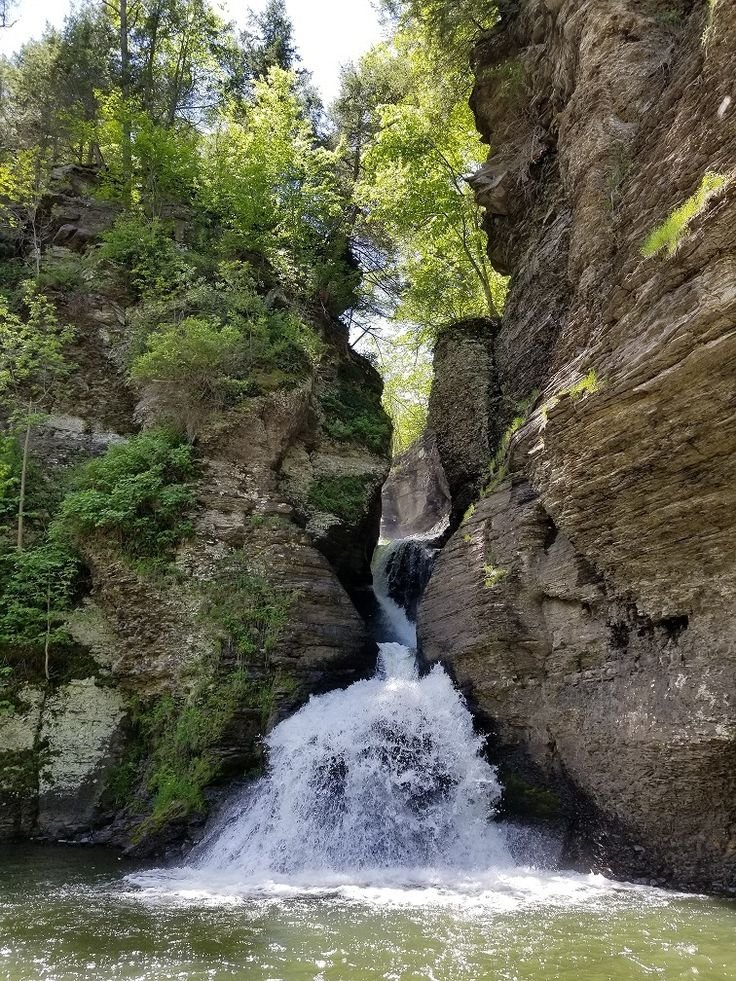
Detours to waterfalls, canyons, and viewpoints
Extra driving for groceries, fuel stops, and campsite check-ins
Coastal roads and short scenic routes that extend total mileage
Occasional backtracking due to weather or timing
A 7 to 10 day itinerary with sightseeing detours can exceed the baseline Ring Road distance by a meaningful margin, especially if you include the Snæfellsnes Peninsula, the Golden Circle, or longer Eastfjords stretches.
How vehicle type affects fuel costs
Fuel spend depends heavily on the campervan’s size, weight, and drivetrain.
Key variables include:
Diesel versus petrol engine type
2WD versus 4x4 drivetrain
Vehicle weight, especially for larger motorhomes
Wind exposure, which is common in Iceland and can reduce efficiency
If you are choosing between a compact camper and a larger van, remember that the difference is not only comfort and space. It can also change your fuel bill substantially over the course of a full loop.
No. 4
Additional Costs That Shape the Final Total
After rental and fuel, several smaller categories can still move your budget meaningfully, especially over 7 to 14 days.
Food costs and cooking strategy
A campervan can reduce food expenses if you cook regularly, but travelers should still plan intentionally. Grocery prices can be higher than expected in smaller towns, and dining out in Iceland can quickly inflate daily spend.
Budget drivers for food:
How often you cook versus eat out
Whether your rental includes a proper cooking setup
How frequently you stock up in larger towns
Whether you purchase snacks and drinks at tourist stops
A practical approach is to plan a grocery stop rhythm, cook at campsites with kitchen access when possible, and treat restaurant meals as a planned part of the experience rather than a default.
Gear, comfort, and convenience add-ons
Many rentals offer add-ons that are optional but tempting. Over a week, small daily charges can add up.
Common extras include:
Bedding and towel bundles
Wi-Fi devices
Camp chairs and tables
Extra gas canisters or kitchen kits
If you care about cost control, prioritize add-ons that improve comfort and safety and skip those that mostly add convenience.
Parking, showers, and attractions
While Iceland has plenty of free natural sights, you may still face:
Paid parking at certain popular sites
Shower tokens at some campsites
Entrance fees for specific attractions such as pools or museums
These are not usually the biggest expenses individually, but they can add noticeable friction to a budget if you did not allocate a buffer.
No. 5
Is a Campervan Actually Cheaper Than Hotels and a Rental Car?
This is the question that drives most campervan decisions, and the answer depends on how you travel. A campervan does combine accommodation and transportation, which can simplify planning and reduce certain costs, but it does not automatically guarantee savings.
When a campervan tends to be cost-effective
A campervan often compares well when:
You are traveling as a couple or small group and can split the rental cost
You plan to cook many meals rather than eat out
You want flexibility to change your route without rebooking hotels
You are traveling in the shoulder season with lower rental rates
For example, a week-long Ring Road trip in a compact camper during May or September can be financially comparable to booking hotels and renting a separate car, especially if you factor in the convenience of not coordinating nightly lodging.
When hotels plus a car may be cheaper
A traditional car-and-hotel plan can sometimes win on cost when:
You find discounted accommodations or use points
You travel in peak summer when campervan rates rise sharply
You prefer larger vehicles that have higher fuel use and campsite add-ons
You do not plan to cook and would rather eat out most days
Campervans are not always the cheapest option. However, many travelers still choose them because the value includes flexibility, independence, and the ability to sleep close to nature without rebuilding an itinerary every day.
No. 6
How to Build a Realistic Iceland Campervan Budget
If you want a budget that does not collapse mid-trip, build it from categories rather than guessing a single daily number.
A practical budgeting checklist
Use a simple structure so nothing gets overlooked:
Campervan rental rate multiplied by number of days
Insurance upgrades you are likely to select
Estimated fuel cost based on your route length and vehicle type
Campsite fees per night multiplied by nights camping
Food budget split into groceries and meals out
Add-ons such as bedding, Wi-Fi, extra drivers
Buffer for parking fees, showers, and weather-related changes
The best way to avoid surprise costs
A few planning habits consistently reduce unexpected spending:
Confirm inclusions in the base rental package before booking
Map your approximate route and estimate kilometers realistically, including detours
Plan a fuel cushion for wind, longer drives, and changing conditions
Keep a flexible buffer for weather, because Iceland can rearrange plans quickly
No. 7
In Short
The total expense of a campervan road trip in Iceland comes from the combined weight of your rental rate, fuel use, campsite fees, insurance choices, and what is included in your base package. Each of these elements shifts depending on the season, vehicle type, group size, and route, which is why two travelers can take similar-looking trips and end up with very different totals.
Looking at the daily rental rate alone rarely produces an accurate budget. A realistic estimate only appears when every major category is accounted for and when you add a buffer for the costs that tend to appear on the road rather than on the booking page.
Takeaways
A campervan trip in Iceland is not priced by rental cost alone, because fuel, campsites, insurance upgrades, and add-ons often shape the final total. Building your travel budget by category gives you a far more reliable planning number than relying on a single daily rate.
Seasonality matters more in Iceland than many first-time visitors expect, with peak summer pushing rental prices up while winter introduces weather and driving constraints that can change the economics. Shoulder season often offers the best balance of access and value, but it still requires route awareness and flexibility.
A campervan can be cost-effective, but it is not automatically cheaper than hotels plus a rental car, especially in peak months or with larger vehicles. The best results come from verifying inclusions, estimating realistic driving distances, and keeping a buffer for the expenses that emerge during a real road trip.
Looking for Travel resources?
Looking to embark on a transformative journey to discover new cultures, expand your horizons, and reconnect with yourself? Explore, learn, and awaken your wanderlust with our travel partners designed to support you on your next getaway.