How To Create A Peaceful Outdoor Sanctuary At Home
Your home should be a refuge from the outside world, and that sense of calm does not have to end at the back door. With a bit of planning, you can transform a backyard, patio, or even a compact balcony into an outdoor sanctuary that supports rest, reflection, and everyday enjoyment. The goal is not perfection; it is creating a space that reliably helps you decompress.

In this article, we will explore how to design and maintain a peaceful outdoor retreat that fits your lifestyle, your available square footage, and your local climate. You will learn how to clarify your vision, choose the right sensory elements, plan for privacy and comfort, and build simple routines that keep the space restorative rather than demanding.
No. 1
Define Your Vision for Serenity
Before buying plants, lights, or furniture, decide what “sanctuary” means for you personally. A serene outdoor space looks different depending on whether you want silence, social time, nature immersion, or a blend of all three.
Clarify how you want to feel
Start with feelings, not products. This keeps you from purchasing items that look good in isolation but do not work together.
Consider whether you want your space to feel:
Quiet and secluded for reading, journaling, or tea
Open and airy for casual conversation and sunsets
Fresh and energizing for morning routines and light workouts
Minimal and meditative for breathwork, yoga, or prayer
Lush and sensory for gardening and wildlife watching
Decide how you will actually use the space
Function should shape layout. A sanctuary that supports your real habits will get used more often and feel easier to maintain.
Choose one primary purpose and up to two secondary purposes, such as:
Primary: daily decompression chair and a small side table
Secondary: weekend outdoor meals with a small dining set
Secondary: stretching or yoga with a clear surface
If you are unsure, write down the top three activities you want to do outside in the next month. Designing around immediate use cases prevents “pretty but impractical” decisions.
Create a simple plan before you shop
You do not need architectural drawings, but you do need a plan.
Use a quick planning checklist:
Measure the usable area, including door clearance and walking paths
Note sun exposure (full sun, partial shade, full shade)
Identify noise sources and sightlines from neighbors or the street
Decide where you want the focal point, such as seating, a water feature, or a planter wall
Sketch a rough layout and gather 8–12 inspiration images for a small mood board
No. 2
Build the Foundations of a Peaceful Outdoor Space
Once your vision is clear, choose foundational elements that support comfort, nature, and simplicity. A calm space usually feels cohesive because the materials, shapes, and colors are not competing.
Choose a soothing base palette
A consistent palette makes even small spaces feel intentional. As a rule, neutrals and natural materials create the least visual “noise,” while one accent color adds personality without clutter.
Common calming palettes include:
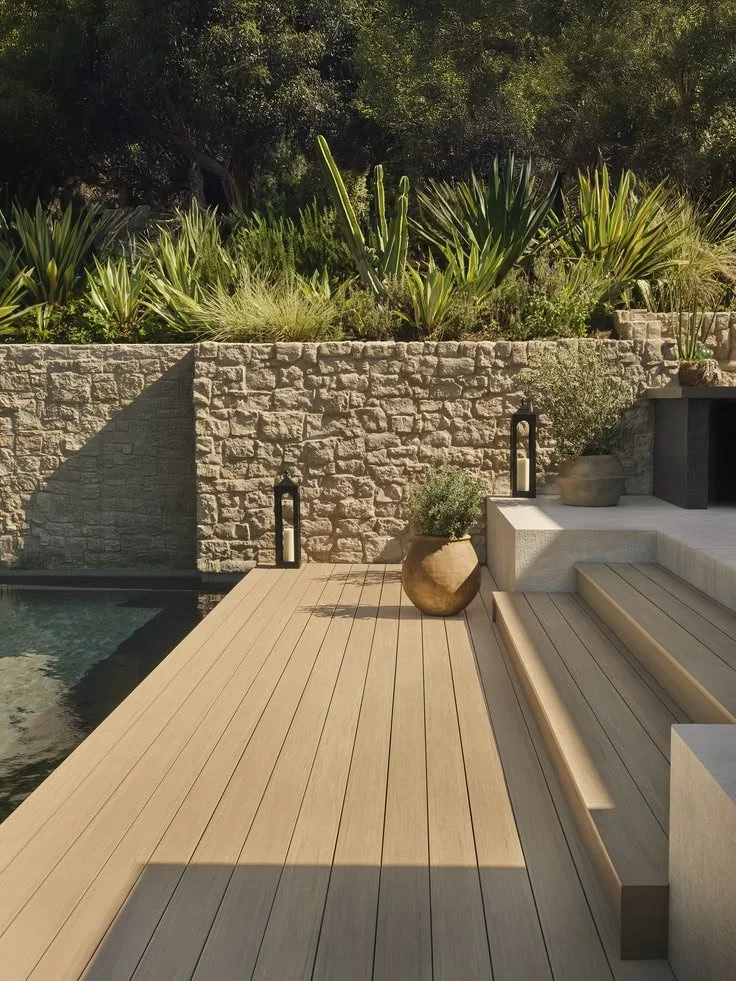
Sand, cream, and warm wood tones
Soft gray, charcoal, and matte black accents
Sage green with natural rattan or teak
White, terracotta, and olive
Add structure with zones
Even a balcony benefits from defined areas. Zoning helps the space feel purposeful rather than like storage.
Examples of simple zones:
Rest zone: chair, bench, or hammock plus a side table
Green zone: planters, vertical garden, or a small herb corner
Ritual zone: a small mat space for stretching or morning meditation
Dining zone: compact bistro set for two
No. 3
Bring in Greenery That Calms and Thrives
Plants are the emotional center of most outdoor sanctuaries. They soften hard surfaces, create privacy, absorb sound, and connect you to seasonal change.
Mix textures and heights for a natural look
A layered planting approach looks more relaxed and “garden-like,” even in containers.
Use a simple mix:
Tall: ornamental grasses, small trees in pots, bamboo in appropriate climates
Mid-height: shrubs, hydrangeas, rosemary, boxwood alternatives
Low: groundcovers, trailing plants, seasonal flowers
Use fragrance intentionally
Scent can be soothing, but too much fragrance can feel heavy in heat or in small spaces. Place fragrant plants near seating or entry points so you encounter them gently.
Popular options:
Lavender for a clean, herbal calm
Jasmine for evening sweetness
Rosemary and thyme for fresh, functional fragrance
Mint in containers (best contained to prevent spreading)
Choose plants that match your maintenance capacity
A sanctuary should reduce stress, not add chores. If you are new to gardening, prioritize resilient plants and fewer varieties.
Low-maintenance strategies:
Pick native plants when possible to reduce watering and pest issues
Use larger pots that hold moisture longer
Add mulch to retain water and reduce weeds
Install drip irrigation or use self-watering planters for consistency
No. 4
Prioritize Comfort with Seating and Touchpoints
Comfort is what turns a nice-looking space into a space you actually use. Seating should support lingering, not just sitting.
Select seating that fits your rituals
Match seating to your primary use case.
Options to consider:
Deep lounge chair for reading and evening decompression
Bench with cushions for flexible seating in narrow spaces
Hammock or hanging chair for a cocoon-like feel
Outdoor floor cushions for meditation or casual gatherings
Add practical “support” pieces
Small additions make the space feel effortless.
Useful items include:
A stable side table for drinks, books, and candles
A storage bench or deck box for cushions and tools
A washable outdoor rug to soften acoustics and define zones
Weatherproof throws for cooler mornings and evenings
No. 5
Shape the Sensory Experience: Sound, Light, and Texture
A sanctuary works because it engages the senses in a gentle, predictable way. The goal is to create cues that tell your body it is time to slow down.
Introduce soothing sound layers
Sound design is often the difference between “outdoors” and “retreat,” especially in neighborhoods.
Consider:
A small recirculating water feature for consistent white noise
Wind chimes used sparingly for a light, musical accent
Bird-friendly planting to attract natural morning sounds
Soft outdoor speakers at low volume for ambient music if desired
Use lighting to create evening calm
Avoid harsh, bright overhead lighting. Instead, aim for warm pools of light that make the space feel safe and inviting.
Calming lighting choices:
Warm white string lights along railings or pergolas
Solar path lights for gentle wayfinding
Lanterns or LED candles on tables for a soft glow
Downlighting aimed at plants to add depth
Add tactile materials that feel grounded
Textures help a space feel cozy without clutter.
Materials that work well outdoors:
Wood, teak, acacia, or bamboo
Stone or concrete planters for weight and stability
Linen-look outdoor cushions for a relaxed, spa-like feel
Terracotta pots to bring warmth and tradition
No. 6
Create Privacy Without Closing Yourself In
Privacy is not about building a fortress; it is about reducing visual distractions so you can exhale. Even light screening can dramatically change how restful a space feels.
Privacy solutions for different spaces
Choose the least complicated option that meets your needs.
Effective privacy elements:
Tall planters with grasses or shrubs to block sightlines
Lattice screens with climbing vines for a soft wall
A trellis or pergola to create a “room” feeling
Outdoor curtains on a covered patio for flexible enclosure
Strategically placed umbrellas for shade and visual separation
Use layered privacy for a natural result
Instead of one solid barrier, combine two or three lighter layers. This feels more organic and keeps airflow and light.
Example approach:
A trellis behind seating
Two tall planters on the sides
Trailing plants to soften edges
No. 7
Maintain Your Personal Oasis Without Stress
A peaceful retreat only stays peaceful when upkeep is predictable. A simple maintenance rhythm prevents the space from becoming another item on your to-do list.
What landscape maintenance typically includes
Understanding what landscape maintenance includes helps you plan for the long-term health of your yard. Routine care usually comes down to a handful of recurring tasks:
Weeding and clearing debris
Pruning and shaping shrubs
Deadheading flowers to encourage more blooms
Monitoring pests and plant stress
Lawn or groundcover care if you have a yard
Checking irrigation and drainage
Create a low-friction routine
A sanctuary thrives on small, consistent actions, not occasional marathon work.
Try this cadence:
10 minutes weekly: quick tidy, dead leaves, water check
20–30 minutes biweekly: pruning, replanting, feeding if needed
Seasonal reset: refresh mulch, clean furniture, rotate plants
If you enjoy gardening, it can become a relaxing ritual. If you do not, consider outsourcing the heavy tasks so you can focus on enjoying the results.
No. 8
Embrace Seasonal Transformation
Designing for all seasons makes your sanctuary feel alive year-round. Even small changes, like rotating planters or adding a throw blanket, can keep the space inviting.
Plan for four-season interest
Think in layers:
Spring: bulbs and fresh greens, early blooms, lighter textiles
Summer: lush foliage, heat-tolerant flowers, strong shade solutions
Autumn: ornamental grasses, warm-toned planters, cozy lighting
Winter: evergreen structure, interesting bark, minimal décor
To extend use into cooler months, consider a fire pit (where permitted), an outdoor heater, or wind-blocking panels. These additions can make the space feel like a spa-like home without major renovation, even on crisp evenings.
No. 9
Build Mindful Moments Into Everyday Life
The most beautiful outdoor sanctuary will not matter if you rarely step into it. A calm space becomes powerful when it is used regularly for short, grounding moments.
Simple rituals that make the space feel restorative
You do not need elaborate routines. Consistency is what creates refuge.
Ideas to try:
Morning coffee or tea outside for 5–10 minutes
A mid-day screen break with a few deep breaths
Evening reading under warm lighting
A short stretch session to transition out of work mode
Quiet observation of plants, birds, and shifting light
Practice presence, not productivity
Resist the urge to treat the space as another project. Notice the small details: the sound of leaves, the texture of a cushion, the scent of herbs warming in the sun, and the way shadows move across the ground.
No. 10
Takeaways
A peaceful outdoor sanctuary starts with a clear vision of how you want to feel and what you will actually do in the space. When you plan for function first, your layout, seating, and plant choices naturally become more cohesive.
The most restorative outdoor areas balance comfort, sensory calm, and practical privacy. Thoughtful lighting, gentle sound, and layered greenery can make even a small balcony feel like a true retreat.
Long-term serenity depends on simple maintenance rhythms and seasonal flexibility. When you build small rituals into daily life, your sanctuary becomes a reliable place to unwind, recharge, and reconnect with nature.
Looking for Home resources?
Looking to enhance your living space and create a sanctuary that supports your well-being? Explore our home partners who offer a wide range of resources to elevate your home environment.