How To Plan Your First Christmas In A Newly Built Neighborhood
Moving into a newly built neighborhood right before the holidays can feel equal parts exciting and disorienting. You are not returning to a familiar street with established traditions and longtime neighbors; you are stepping into a place that is still finding its identity, often surrounded by fresh landscaping, active construction, and people you have only recently met.
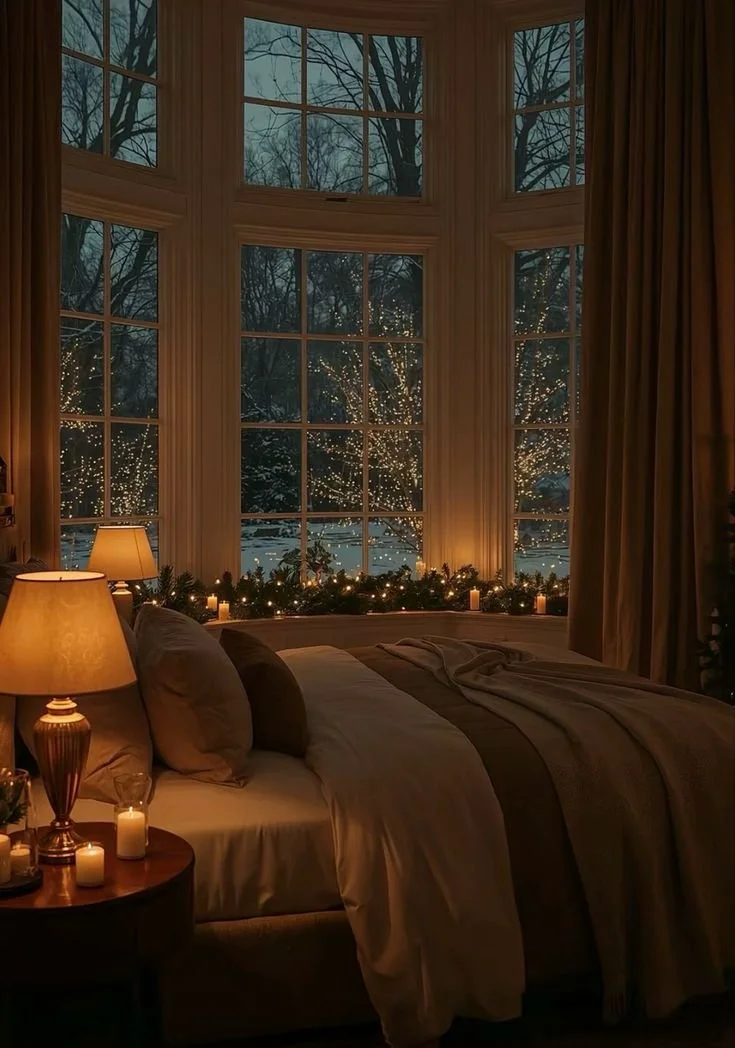
In this article, we will explore how to plan your first Christmas in a newly built neighborhood with less stress and more meaning, from navigating HOA guidelines to decorating strategically around construction and building new community traditions. With a thoughtful approach, your first holiday season can feel intentional now and become a foundation for traditions you will look forward to for years.
No. 1
Start by Learning the Neighborhood Rules
Before you buy lights or hang decorations, confirm whether your community has a homeowners association (HOA) and review any holiday décor standards. Newer communities often have more detailed rules because they are trying to maintain a consistent look while the neighborhood is still being developed and marketed.
Common HOA holiday guidelines may include:
How early you can decorate and the deadline for taking decorations down
Restrictions on extremely bright or flashing lights
Limits on inflatables or oversized lawn décor
Rules about decorations near sidewalks, shared green spaces, or streets
Requirements that items stay within your property line
How to avoid issues before they start
A quick check now can prevent the frustration of redoing your work later.
Request the HOA holiday policy in writing if possible
If rules are unclear, email the HOA or property manager with photos or links of what you plan to use
Confirm whether there are limits on extension cords, timers, or rooftop décor
Ask about community-wide plans, such as entrance signage or shared decorating themes
The goal is not to dampen your creativity; it is to ensure your efforts are compliant and sustainable, especially in a neighborhood where enforcement may be strict during the first few years.
No. 2
Take the Neighborhood’s Development Into Account
What separates an established community from a new subdivision is that the environment is still evolving. Some homes may be under construction, the landscaping may not be mature, and roads or sidewalks may still be in progress. These factors should inform your decorating choices so your display looks polished while staying practical.
New-build realities that can affect décor:
Construction vehicles and crews moving near driveways and curb lines
Soil that is newly graded, soft, or uneven in parts of the yard
Young trees that cannot support heavy lights or ornaments
Limited street lighting in areas where development is still underway
Decorate what is finished, not what you wish you had
Instead of trying to duplicate the look of a long-established neighborhood, use your home’s existing strengths. A new house often has clean architectural lines and crisp entry features that photograph beautifully when highlighted with simple, well-placed décor.
Great first-year focal points include:
Front door and surrounding trim
Porch ceiling or beams (if applicable)
Windows visible from the street
Roofline and garage outline
Driveway edges and walkway lighting
This approach keeps your display adaptable and helps your home look intentional even while the neighborhood is still in transition.
No. 3
Get to Know Your New Neighbors
Christmas is one of the easiest times of year to turn “new people next door” into familiar faces. In a newly built neighborhood, many residents are in the same situation: they want connection, but they are busy, tired from moving, and unsure how to start.
Small, low-pressure ways to meet neighbors:
Say hello when you see someone outside and introduce yourself by name
Drop off a simple note with your contact info in case of deliveries or emergencies
Invite a nearby family for coffee or hot chocolate
Offer a small plate of cookies or a holiday card
Keep it simple and welcoming
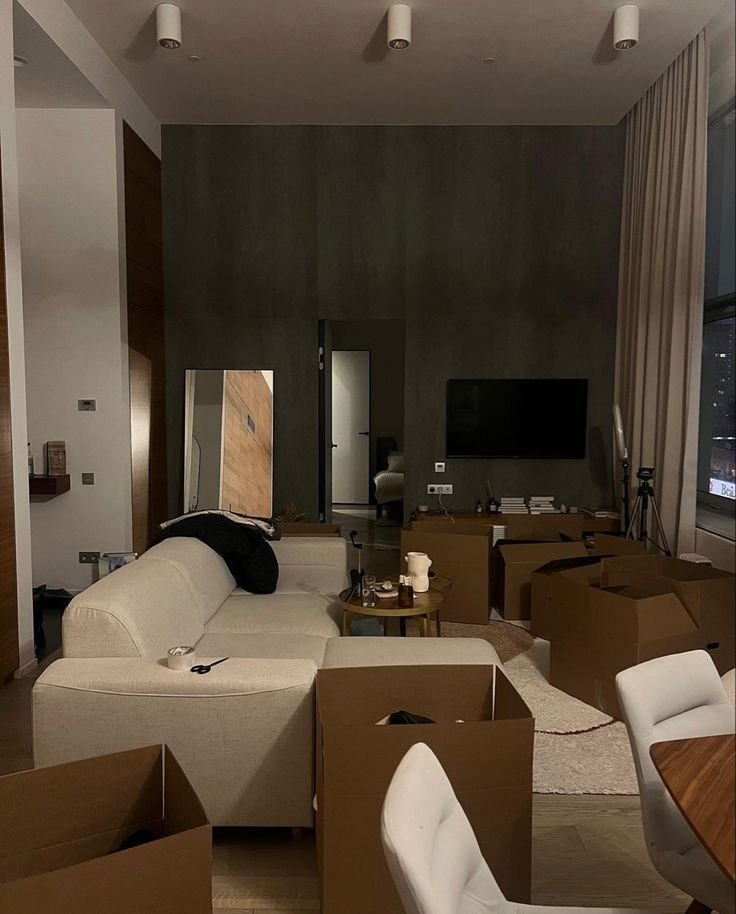
You do not need a formal party to create community. Often, the first conversation happens naturally while you are both unloading boxes, walking a dog, or hanging lights. If your neighbors have kids, the holidays can be an especially good time to set up casual meetups so children can start building friendships early.
No. 4
Create a Holiday Decorating Plan
A decorating plan helps you spend wisely and avoid buying items that clash with your home’s architecture. Start with a quick walk around your exterior during the day and again at night, noting what stands out and what disappears in the dark.
Start with your home’s architecture
Look for built-in features that naturally frame decorations:
Columns and railings for garland or ribbon
Covered porch ceilings for warm lighting
Symmetrical windows for matching wreaths
A strong roofline that suits clean, consistent lighting
Use a simple, repeatable design formula
A polished exterior display often follows a few consistent choices rather than dozens of unrelated decorations. Consider this structure:
One main focal point: front door with wreath and sidelights
One framing element: roofline or porch railing lights
One ground-level layer: pathway lights or lanterns
If you want a more coordinated exterior lighting design, professional services such as custom holiday light installation in Roswell can be considered when planning how lighting will complement a home’s architecture and surrounding setting.
Smart buying tips for a first-year display
To keep your first season efficient and cohesive:
Pick one lighting color temperature (warm white usually feels classic and inviting)
Limit your exterior color palette to 2–3 colors
Choose weather-rated products that can handle rain and temperature swings
Use timers so your display is consistent without daily effort
No. 5
Coordinate Without Making It a Competition
As more families move in, you will see a wide range of decorating styles, from minimal wreaths and candles to full-scale light displays. It can be tempting to “keep up,” especially when everyone is excited to make the new neighborhood feel festive. However, competition can create stress and make neighbors hesitant to participate if they cannot match the biggest display.
Ways to coordinate without pressure
A little coordination can create a welcoming street vibe while still letting everyone decorate within their budget.
Ideas worth proposing:
A shared decoration theme for mailboxes or front doors (optional, not required)
A neighborhood “decorate together” afternoon with coffee and music
A cookie exchange or hot chocolate walk to see lights
A simple tradition like lighting the neighborhood entrance on a set date
Coordination works best when it is framed as community-building, not judgment. Keep it opt-in, supportive, and fun.
No. 6
Plan Around Construction and Traffic
In many new developments, construction continues into the first holiday season and sometimes beyond. That means your outdoor decorations need to be safe, durable, and placed with extra awareness.
Safety and placement guidelines
Protect your décor and avoid hazards by planning around the paths that vehicles and people commonly use.
Keep cords away from driveways, curb cuts, and sidewalk edges
Avoid placing fragile items near areas where crews may work
Do not block shared walkways or unfinished sidewalks
Use outdoor-rated stakes and fasteners, especially in soft new soil
Keep decorations within your property line, even if boundaries feel unclear
Reduce risk with smart equipment
If you are decorating in an active construction area, these tools can help:
Outdoor-rated extension cords with protective covers
Ground stakes designed for outdoor lighting
GFCI-protected outlets or adapters for safety
Cord management clips to reduce trip hazards
Safety matters more than aesthetics, especially in a neighborhood where children, delivery drivers, and workers may be moving around unfamiliar routes.
No. 7
Choose Decorations That Can Evolve
Your surroundings may look completely different next Christmas. Trees will grow, landscaping will fill in, neighboring homes will be completed, and additional families will move in. Because the setting is temporary, your first-year decorating strategy should be flexible.
Build a décor collection gradually
Instead of investing heavily in permanent-looking arrangements right away, start with versatile items you can reuse and reposition.
Great adaptable basics include:
Wreaths and garlands that fit multiple door styles
Outdoor lanterns that can move from porch to walkway
String lights that can shift from roofline to trees as landscaping matures
Weather-resistant ornaments that work in planters or on railings
This approach allows your display to grow with your neighborhood and helps you learn what your family genuinely enjoys, rather than trying to “solve” the perfect exterior in one season.
No. 8
Start a Family Tradition
Your first Christmas in a new neighborhood is not only about what the house looks like from the street. It is a rare chance to create traditions that will become part of your family’s story in that home.
Simple traditions that feel meaningful
Choose rituals that are easy to repeat every year:
Decorate the tree together on the same weekend each December
Bake one signature cookie recipe and deliver a few plates locally
Watch the same holiday movie on a set night
Take a yearly family photo on the porch or at the front door
Have a “first snow” or “first lights” celebration if your climate supports it
Because your home is new, that first holiday often feels extra memorable. Years later, you may look back at photos and remember the early days of the neighborhood, the half-finished landscaping, and the excitement of starting fresh.
No. 9
Make the First Christmas About Community
In a newly constructed neighborhood, holiday traditions may not exist yet, which means you have an unusual opportunity: you can help create them. Community traditions do not need to be elaborate to become beloved; they only need to be consistent and welcoming.
Community ideas that work well in new neighborhoods
Consider proposing something simple and scalable:
A neighborhood potluck with easy sign-ups
A casual Christmas stroll to see lights
A toy or food drive with a shared drop-off point
A “new neighbors” holiday coffee morning
A decorating day where residents help one another with lights
The first year does not have to be perfect. Construction, unfinished sidewalks, and unfamiliar faces are temporary, but the sense of belonging you build can last long after the neighborhood is complete.
Takeaways
Your first Christmas in a newly built neighborhood is an opportunity to set the tone for how your home and street will feel during the holidays. Start by understanding HOA rules and designing decorations around what is currently finished and functional.
Keep your decorating plan simple, cohesive, and flexible so it can evolve as landscaping matures and construction wraps up. Prioritize safety around cords, walkways, and traffic patterns, especially in active building zones.
Most importantly, focus on people as much as presentation by meeting neighbors and supporting small community traditions. When you pair thoughtful planning with a welcoming spirit, your first Christmas becomes the beginning of something lasting.
Looking for Home resources?
Looking to enhance your living space and create a sanctuary that supports your well-being? Explore our home partners who offer a wide range of resources to elevate your home environment.