Create A Spa-Like Home Without Major Renovation
Home should feel like a place where your nervous system can downshift, not another source of pressure. Yet even the most comfortable houses can become visually noisy, poorly lit, or short on the small comforts that help you truly unwind. In this article, we will explore practical, high-impact ways to create a spa-like home environment without taking on a major renovation, focusing on finishes, lighting, sensory details, and simple routines that make relaxation more effortless.
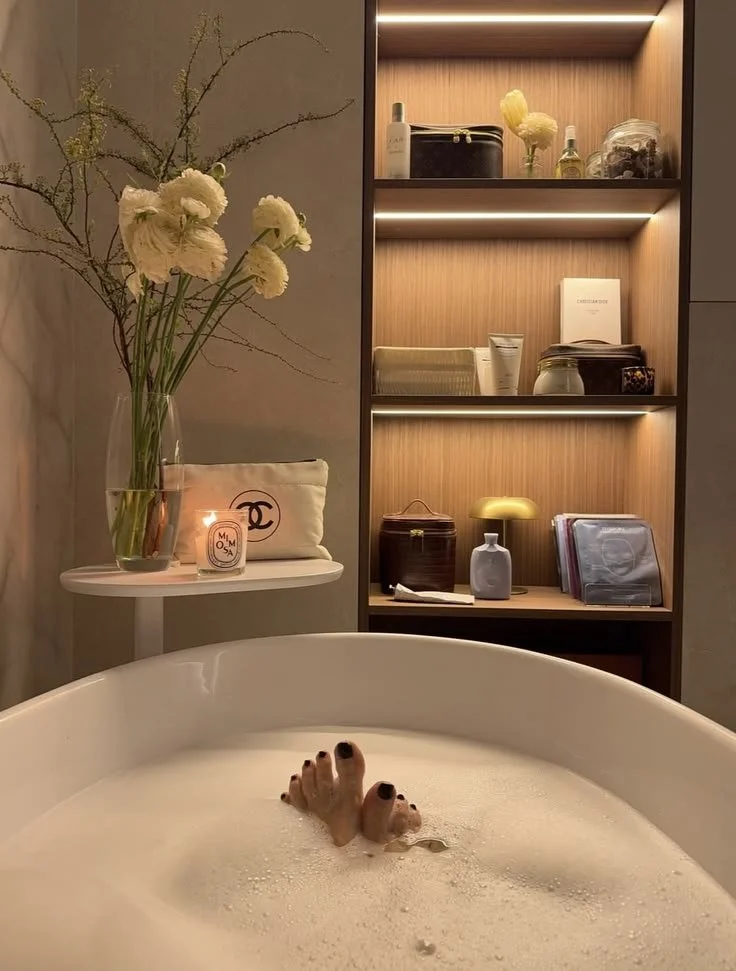
The goal is not to copy a luxury spa room-for-room, but to borrow the elements that make spas feel restorative: calm visuals, natural textures, thoughtful functionality, and a gentle atmosphere that supports slower living. With a few intentional upgrades, you can make everyday moments, like showering or reading at night, feel like a reset rather than a task.
No. 1
Embracing Calming Colors and Natural Materials
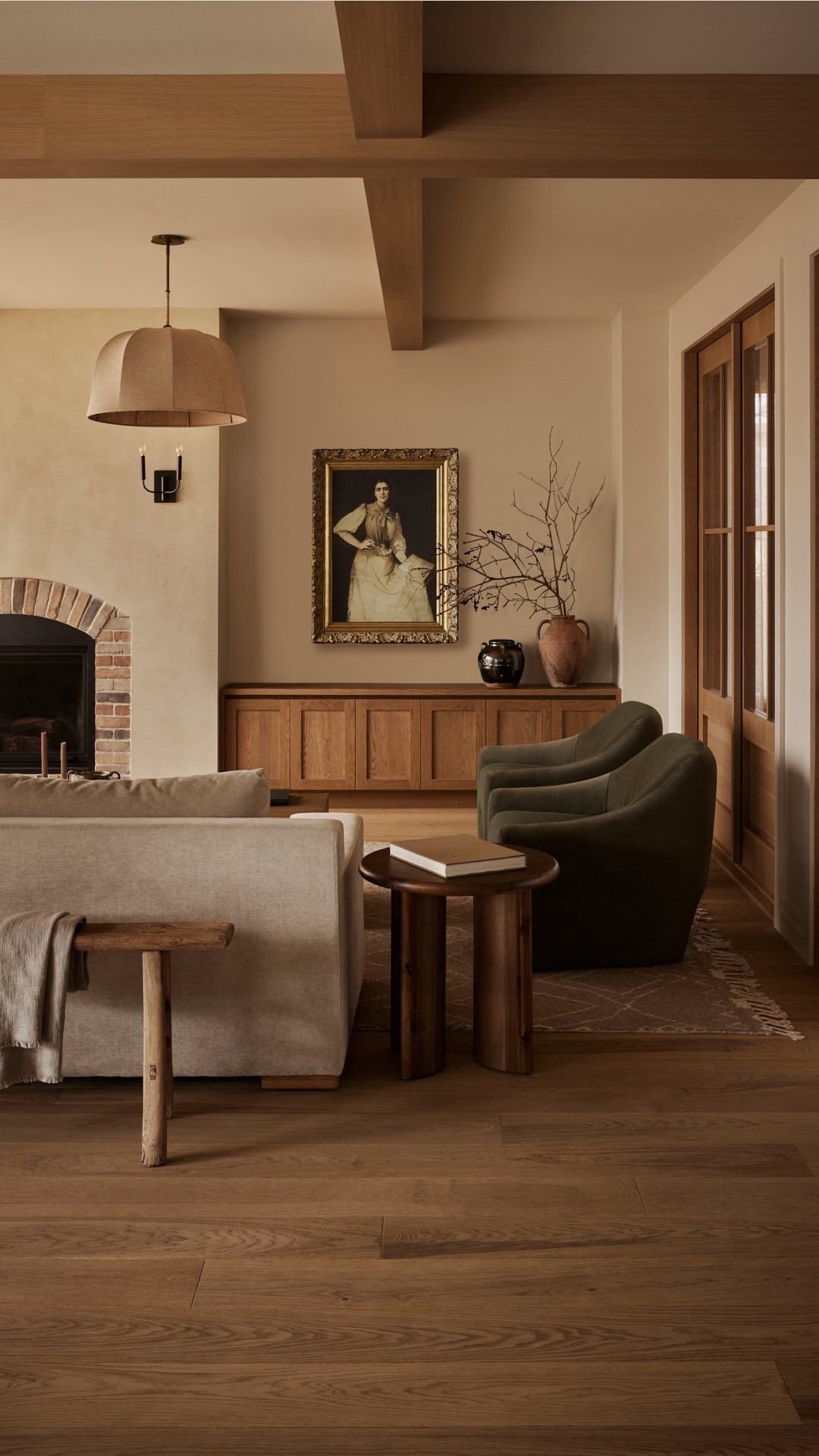
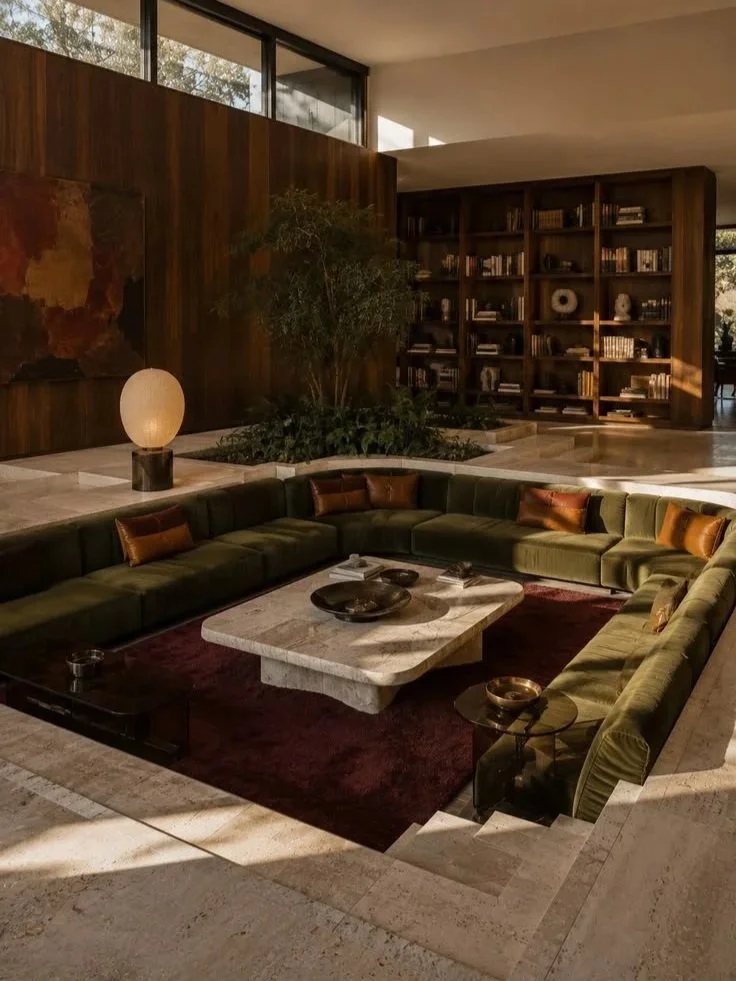
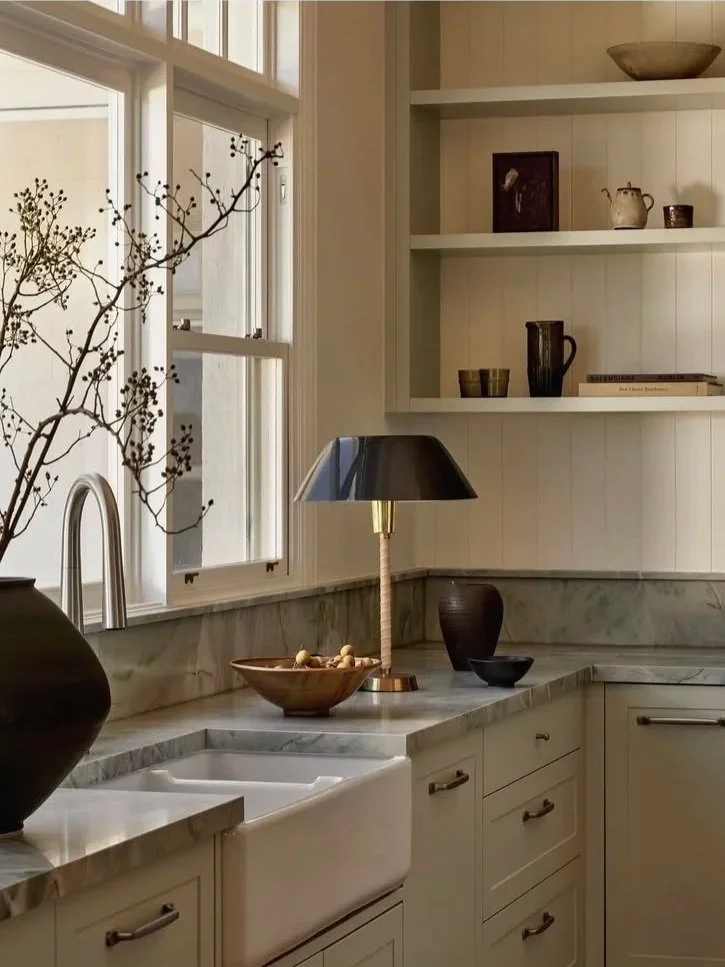
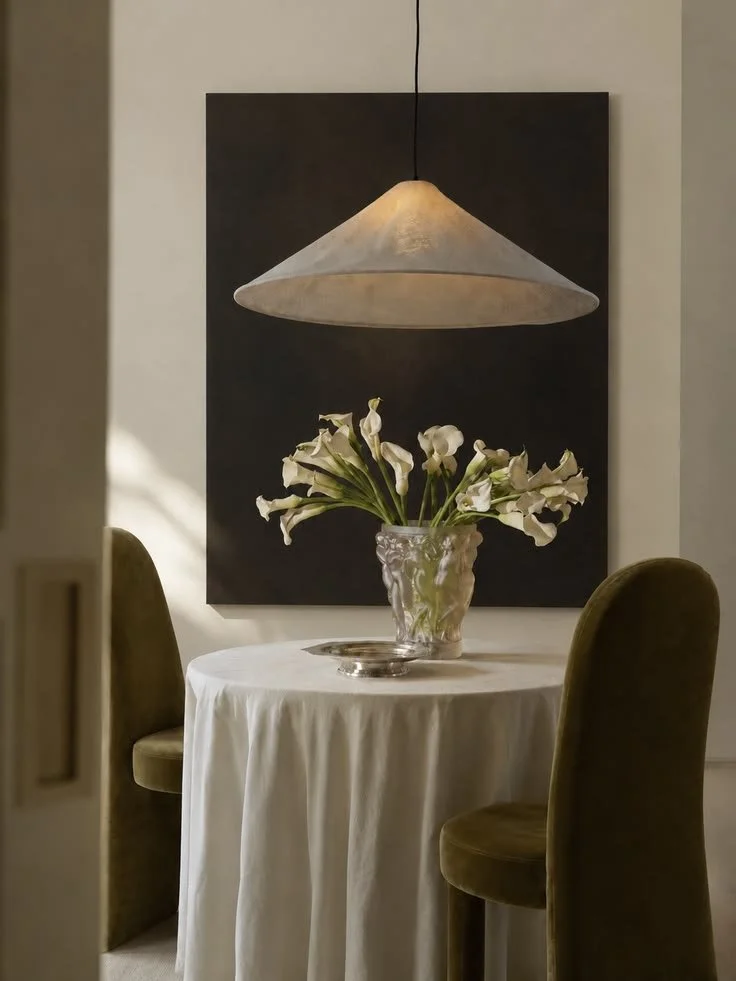
A spa-like interior starts with what you see first: color, texture, and the overall visual “temperature” of the space. Spas tend to avoid high contrast and cluttered patterns because they keep the brain alert. Instead, they use muted palettes and tactile materials that feel grounded and organic.
Choose a calming color palette that stays cohesive
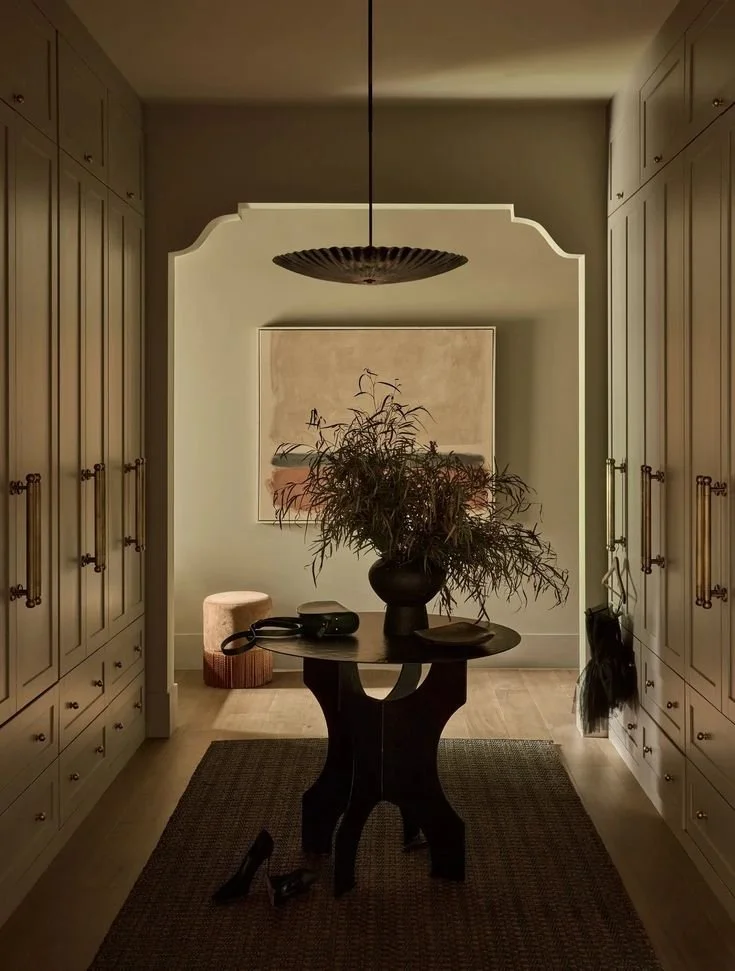
The most soothing shades are usually desaturated, low-contrast tones often described as pastels or soft neutrals. You do not have to remove personality from your home; you simply want the dominant surfaces to feel quiet and consistent.
Soft whites, warm greige, and muted stone tones work well in most rooms
Pale greens and powder blues can add calm without feeling cold
Dusty rose and clay tones can feel warm and spa-like when used sparingly
If you want bold color, keep it to accents such as a single vase, artwork, or a towel set
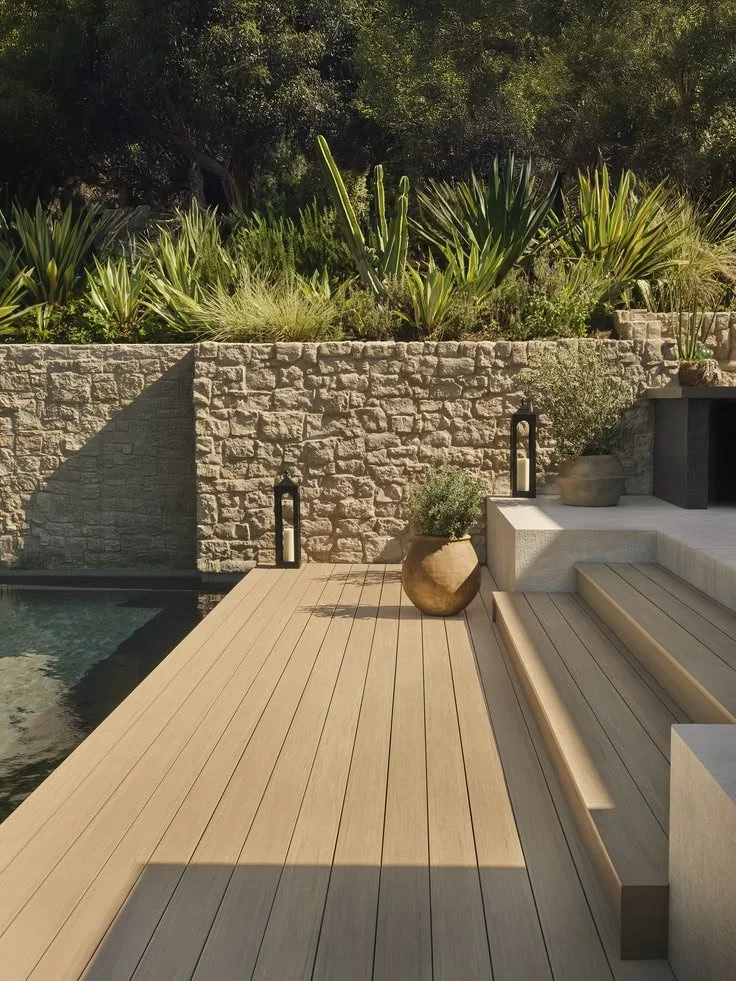
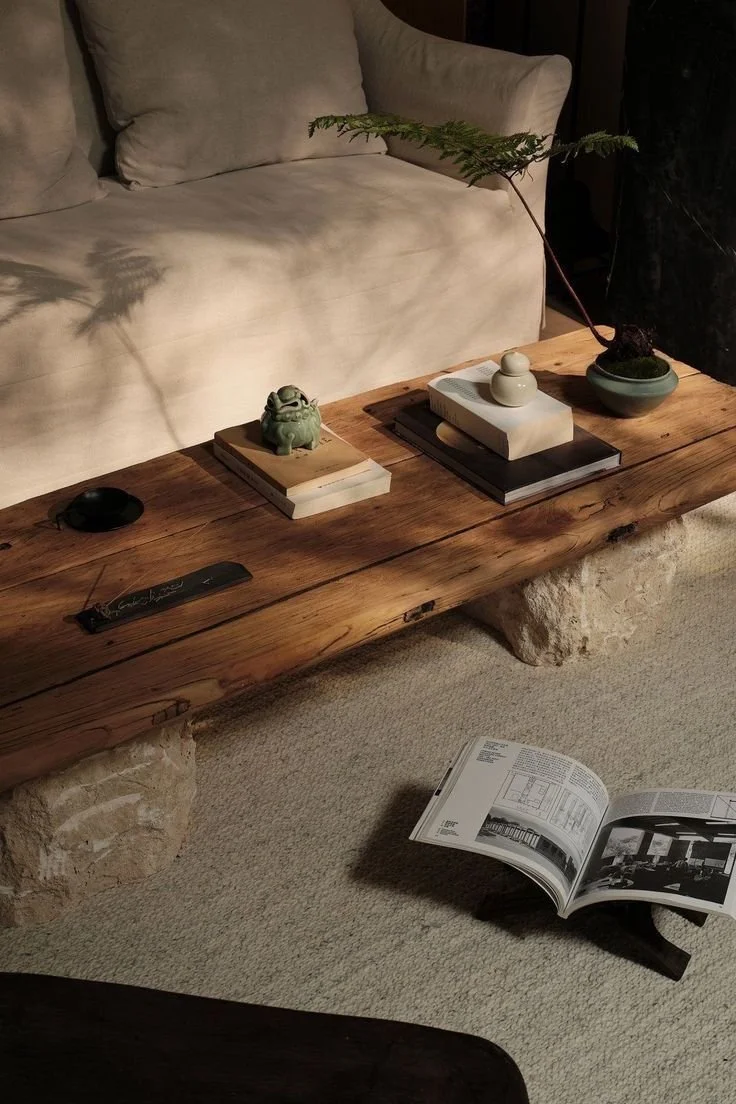
Use natural textures to create warmth and depth
Natural textures add visual interest without overstimulation. They also tend to photograph well and feel timeless, which helps your home maintain a relaxed look even as trends change.
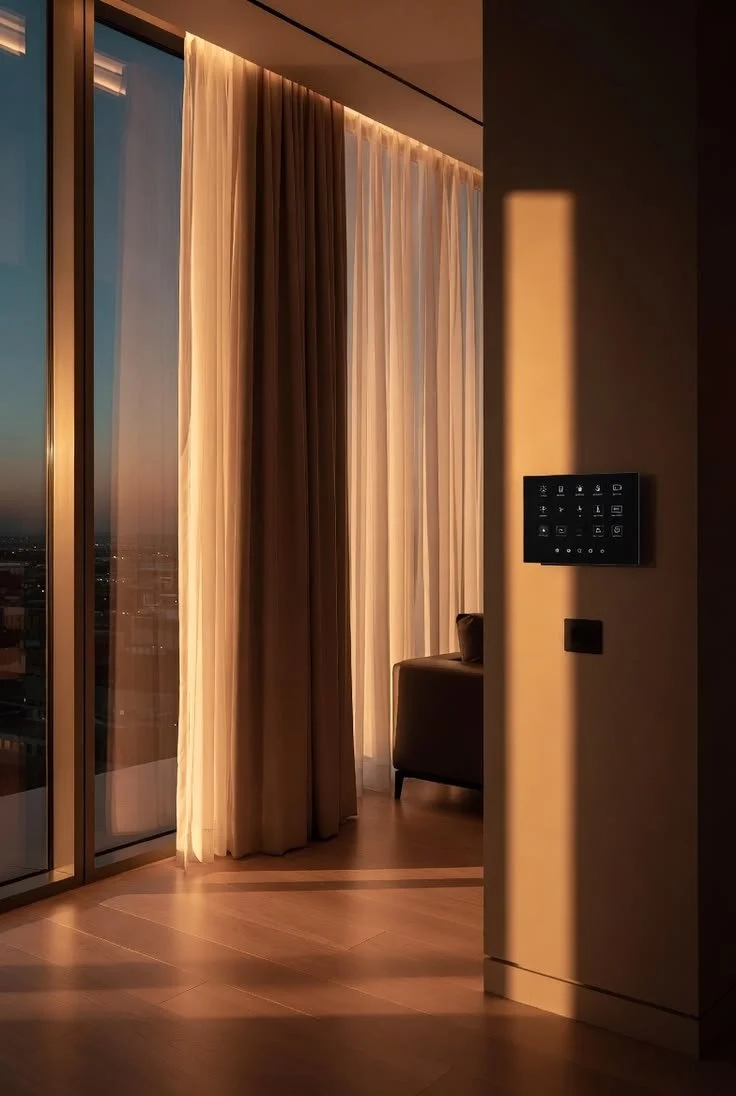
Linen or cotton curtains that filter daylight rather than blocking it completely
Wooden trays, stools, or shelving in light or mid-tone finishes
Stoneware, ceramic, and glass accessories instead of shiny plastics
Woven baskets for storage that hide clutter while adding texture
Depending on the room you are dealing with, you might install porcelain tiles and real exposed timber features. Even small additions, such as a timber bath caddy or a bamboo bathmat, can introduce the same effect without construction.
No. 2
Upgrading Bathroom Features for Everyday Luxury
The bathroom is the most direct path to a spa-like experience because it is where you already perform self-care rituals. The best upgrades here are the ones that reduce friction, improve comfort, and make the space feel clean and intentional.
Improve lighting for a softer, more flattering feel
Lighting can make a bathroom feel either clinical or calming. Many homes have a single harsh overhead light that creates shadows and makes the room feel utilitarian.
Consider upgrades like:
Sealed downlighters around the shower area for practical, moisture-safe brightness
Warm-temperature bulbs to reduce the “blue” cast that can feel sterile
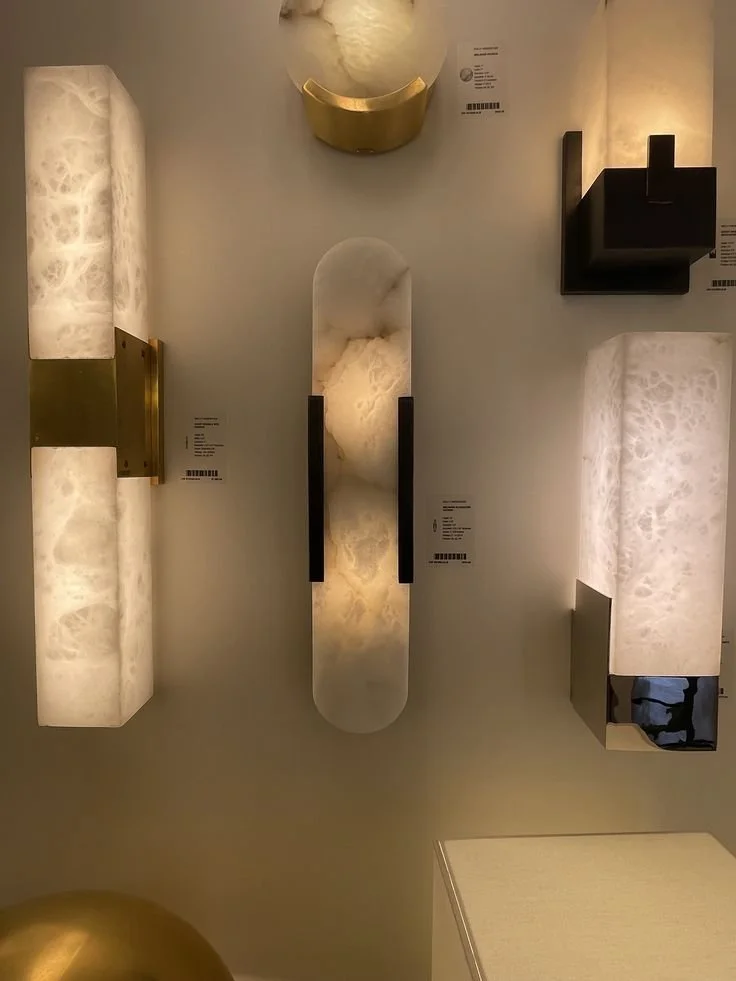
Layered lighting, such as wall lights near the mirror plus ceiling lights for balance
Dimmer switches, so the room can shift from energising mornings to calming evenings
Prioritize the shower experience
Walk-in showers are often a luxurious upgrade that makes a huge difference to your daily bathroom experience. If you find yourself stepping into the shower each day, you will likely feel more relaxed if you do not need to step over the edge of a bathtub, and the room will also look more open.
If a full conversion is not practical, you can still elevate the shower with smaller changes:
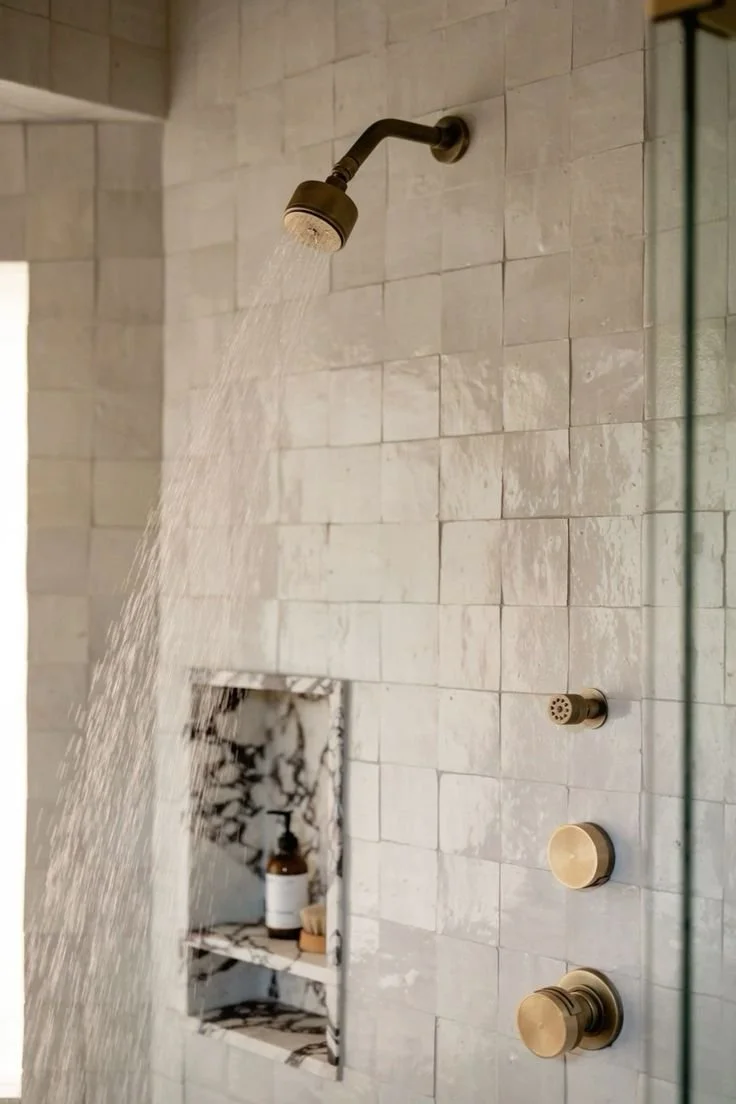
A higher-quality showerhead that improves pressure and coverage
A handheld attachment for flexibility and easier cleaning
A simple shower shelf or niche-style organizer to reduce bottle clutter
Matching dispensers for shampoo and body wash to create visual calm
Small upgrades that quietly signal “spa”
Often, it is the finishing details that create the impression of luxury.
Plush, hotel-style towels in a coordinated color palette
A bath mat with weight and texture, not a thin synthetic one
A minimal bin and laundry basket that match the room’s tone
A closed storage solution so counters stay clear
No. 3
Creating Spaces for Mindful Relaxation
A spa is not just a set of amenities; it is a dedicated environment for slowing down. If your home lacks a place that feels intentionally restful, relaxation becomes something you try to squeeze in rather than something you can settle into.
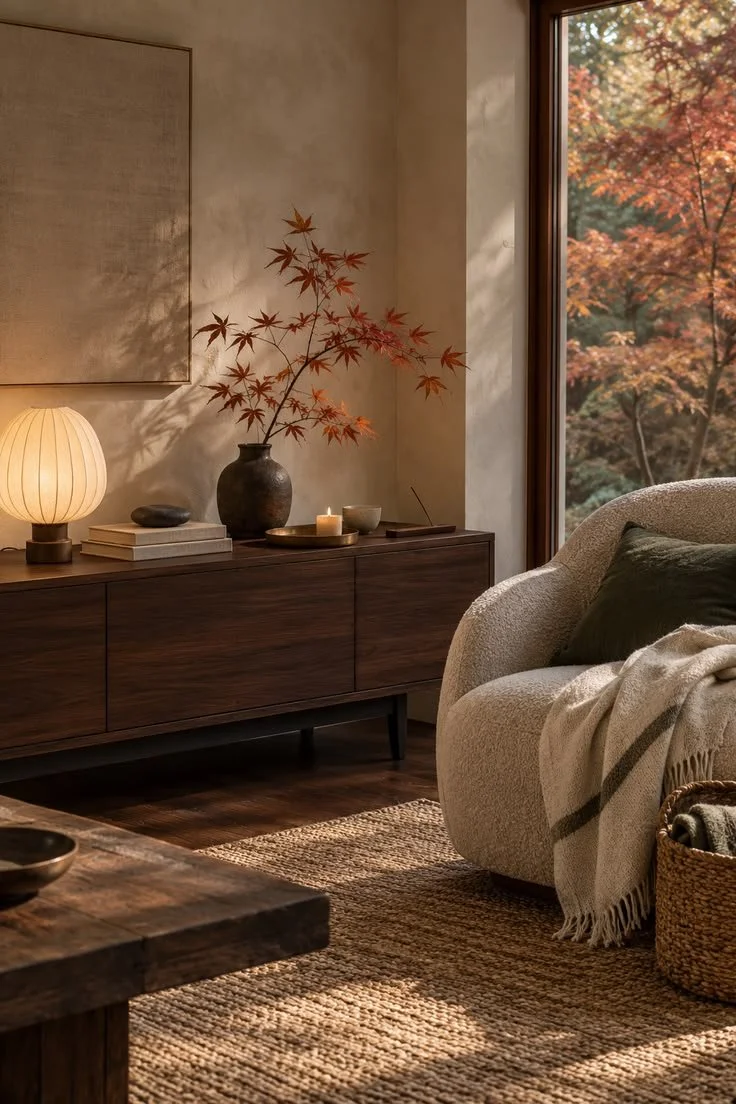
Designate a “recovery zone” for one calming activity
Carving out a small, dedicated corner of the home can change your behavior because the space acts as a cue. The key is to choose one primary activity and design around it, rather than building a vague area that becomes a dumping ground.
Ideas that work in most homes:
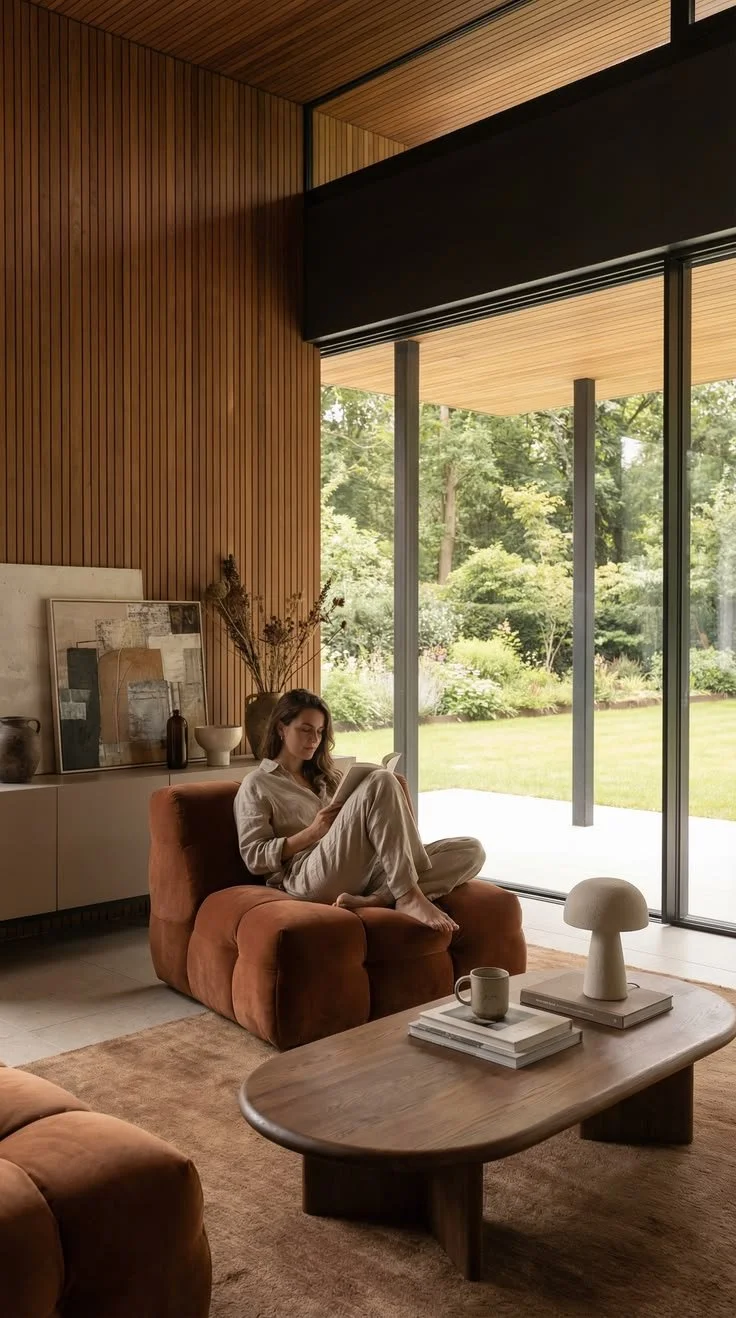
A reading chair with a side table and a soft lamp
A yoga or stretching spot on the patio or in a quiet bedroom corner
A meditation nook with floor cushions and a small shelf for a candle
A journaling area with a comfortable seat and a basket for supplies
Designing a nook, or another space, around your specific needs can also be part of the relaxation process, because it forces you to clarify what actually helps you unwind.
Reduce visual noise so your mind can settle
Even the most beautiful chair will not feel calming if it is surrounded by clutter. Aim for a simple baseline where the space can be reset in under two minutes.
Keep surfaces mostly clear
Store accessories in baskets or closed cabinets
Limit décor to a few intentional pieces rather than many small items
Choose one focal point, such as a plant, artwork, or textured throw
No. 4
Enhancing Ambience with Scent and Sound
The spa experience is not just visual. It also works through scent, sound, and subtle sensory cues that signal safety and comfort. These changes are affordable, low-risk, and surprisingly effective.
Use scent strategically, not overwhelmingly
A gentle fragrance can become a ritual cue that tells your brain it is time to relax. The goal is a consistent, light presence rather than an intense perfume.
Options to consider:
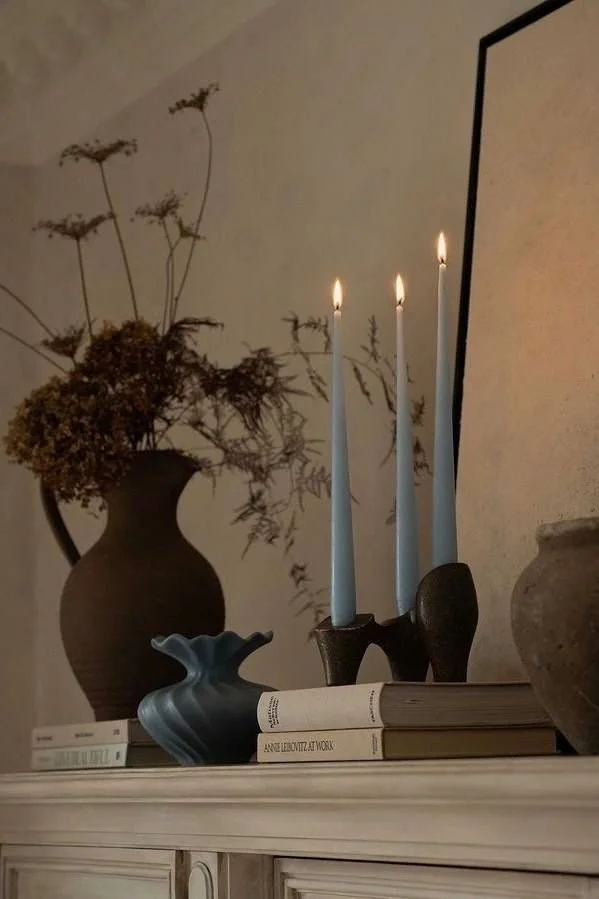
Scented candles used for short periods in well-ventilated spaces
Incense sticks if you enjoy a deeper, smokier aroma
Essential oil diffusers with calming oils such as lavender, bergamot, or eucalyptus
Fresh elements like a small bundle of dried eucalyptus in the shower
A helpful rule is to stick to one scent family per area. For example, keep the bathroom fresh and herbal, and make the bedroom softer and more floral.
Add sound that supports calm without distraction
Sound can mask household noise and create a more immersive atmosphere.
Soft music with minimal lyrics for evening wind-down
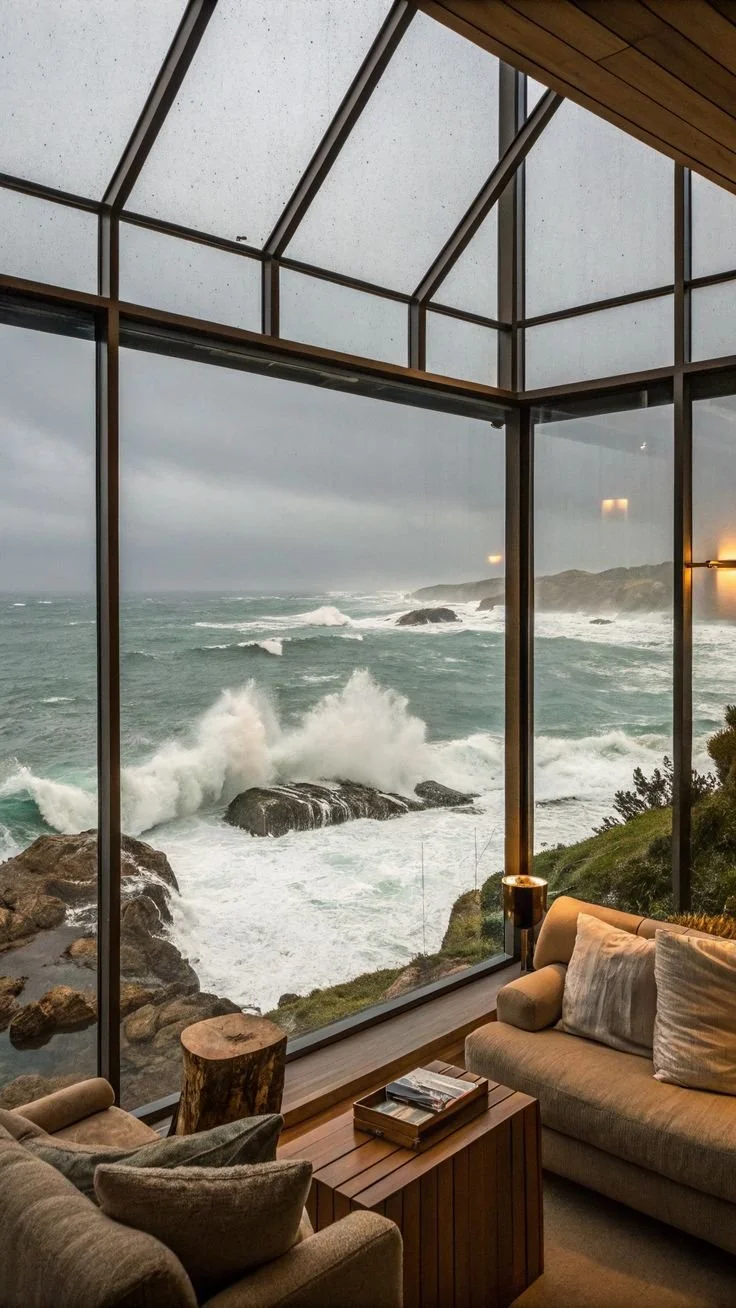
Nature sounds like rain, ocean, or forest ambience
A small water feature if you enjoy the sensory effect and can maintain it
White noise for better sleep and fewer disruptions
If you live with others, sound choices also work best when they are consistent and unobtrusive, so the ambience feels shared rather than imposed.
No. 5
Make Wellness Part of Your Everyday
Improving your health in the long run is about consistency, and that applies to rest and recovery, too. A spa-like home is not only a design project; it is a set of small habits supported by your environment.
Build tiny rituals that make relaxation automatic
When relaxation depends on “finding time,” it often does not happen. Instead, attach short wellness moments to routines that already exist.
Light a candle before an evening shower
Play calming music while you moisturize or do skincare
Keep a robe or soft wrap in the same place so you use it regularly
End the day by resetting one small area, such as clearing the bathroom counter
Focus on incremental upgrades rather than perfection
Small changes compound. When you improve one corner, one routine, or one sensory detail, the entire home starts to feel more supportive.
A practical way to prioritize:
Start with the bathroom if you want daily impact
Start with the bedroom if you want better sleep and calmer evenings
Start with a reading or yoga nook if you want a clear relaxation cue
Start with lighting if your home currently feels harsh or flat
Takeaways
A spa-like home is built on calm visuals, natural textures, and thoughtful functionality rather than large-scale renovation. Start by simplifying your color palette and introducing materials like wood, linen, stone, and ceramic to create a grounded feel.
Your bathroom is the highest-return place to upgrade because it supports daily routines, especially when you improve lighting and streamline the shower experience. Small details like towel quality, clutter-free counters, and cohesive storage can make the room feel instantly more luxurious.
Atmosphere is the finishing layer, so use scent, sound, and simple rituals to reinforce relaxation every day. Consistent, modest changes will do more for long-term wellbeing than waiting for a dramatic overhaul.
Looking for Home resources?
Looking to enhance your living space and create a sanctuary that supports your well-being? Explore our home partners who offer a wide range of resources to elevate your home environment.