Slow Travel: A Meaningful, Stress-Free Way To Explore
Ever come back from a vacation feeling like you need another vacation? It is a familiar whirlwind: you rush from one landmark to the next, snap hundreds of photos, yet still feel a strange emptiness, as if you saw everything but experienced nothing.

In this article, we will explore how slow travel offers a more restorative, culturally rich alternative to checklist tourism, and how you can plan a trip that feels less frantic and far more memorable.
No. 1
What Slow Travel Means Today
Slow travel is less about moving at a literal slow pace and more about traveling with intention. At its core, it is a mindset shift: choosing depth over breadth, presence over performance, and connection over constant motion. Instead of trying to cover five cities in ten days, you might spend all ten days in one city or region, giving yourself enough time to understand the destination beyond its highlights.
This approach encourages you to move from being a passive observer to an active participant in daily life. You are not simply consuming sights; you are noticing patterns, learning local rhythms, and creating space for the kinds of moments that cannot be scheduled.
What Slow Travel Is and Is Not
Slow travel is prioritizing quality experiences over quantity of attractions
Slow travel is building time for rest, curiosity, and spontaneity
Slow travel is returning to places you enjoyed instead of constantly chasing “top sights”
Slow travel is not about avoiding popular sites entirely; it is about approaching them thoughtfully
Slow travel is not about spending more money; it often reduces costs by limiting transit and day trips
For a deeper dive, a complete guide to slow travel can help you completely rethink how you plan your next getaway. The goal is to savour experiences rather than simply collect them.
No. 2
Planning a Trip Around Time, Not Just Places
One of the most practical changes slow travel brings is how you plan. Instead of starting with a list of attractions, you begin with time, energy, and what you want to feel during the trip. That might sound abstract, but it becomes very concrete once you translate it into pacing, geography, and daily structure.
A slow travel itinerary tends to look “lighter” on paper, yet fuller in lived experience. You might plan one anchor activity per day and leave open space for long meals, wandering, and the unexpected opportunities that appear when you are not racing the clock.
A Simple Slow Itinerary Framework
Choose one base location for a longer stay
Pick 3–5 “anchors” for the whole trip, not 3–5 per day
Build in buffer time each morning and late afternoon
Keep at least one completely unplanned day every 4–5 days
Plan local neighborhood exploration, not just headline attractions
How to Choose the Right Pace for You
If you burn out easily on trips, reduce the number of timed tickets and early mornings
If you love culture, prioritize workshops, markets, and performances over sightseeing loops
If you need rest, schedule recovery like it is an activity, because it is
If you travel with family, plan around attention spans and meal routines, not idealized plans
No. 3
Choosing Your Intentional Stay
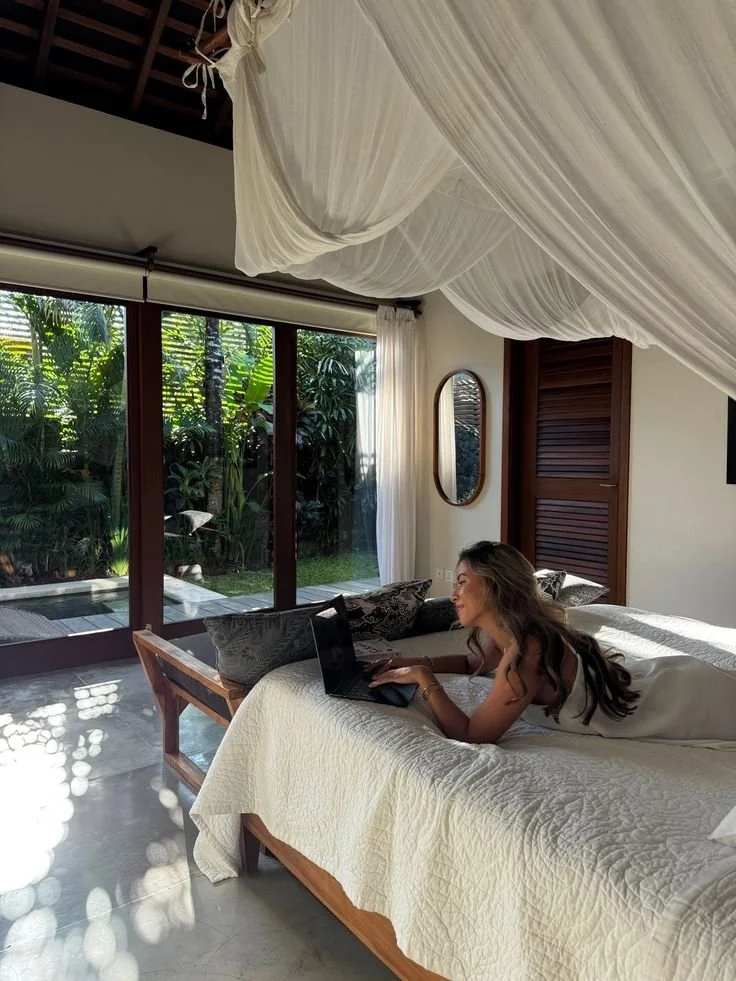
Where you stay is not just a place to sleep; it is your temporary home and the anchor for your entire travel experience. Slow travel nudges you to select accommodation that helps you participate in the destination rather than hover above it.
For some travelers, that means renting an apartment in a residential neighborhood where you can shop at the local market and get to know the cadence of everyday life. For others, it means a countryside cottage designed for quiet mornings, long walks, and evenings that do not require entertainment.
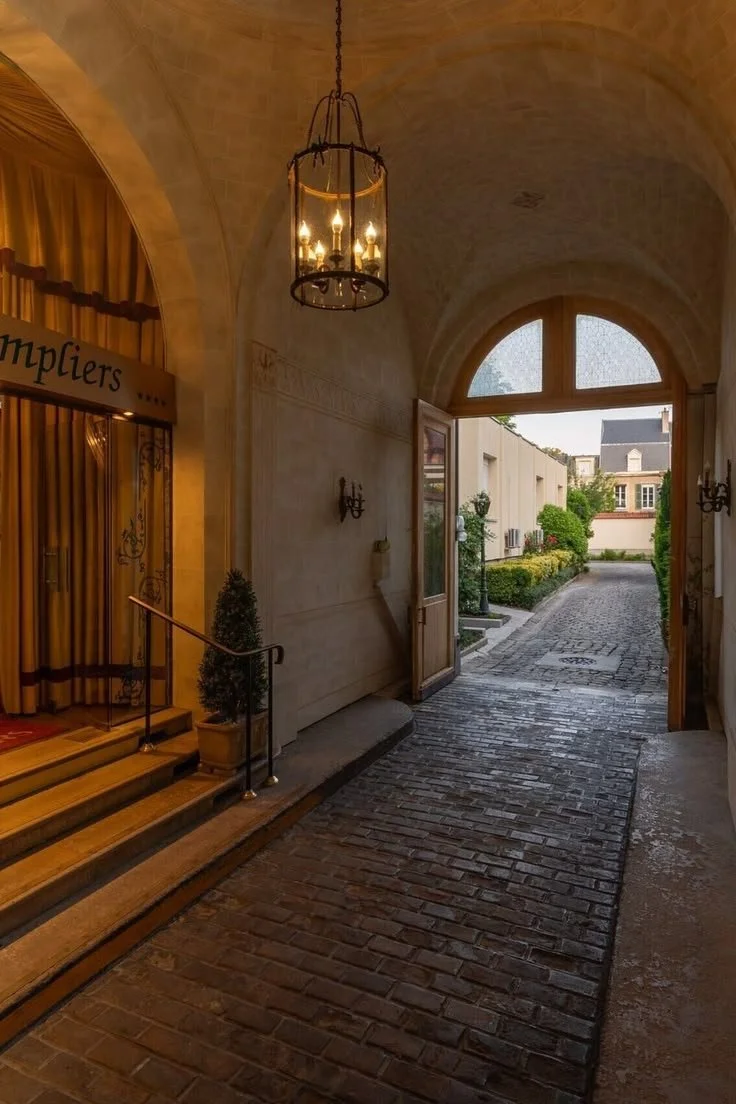
Even in a busy city, you can choose a setting that supports calm and connection. You might book a charming historic inn, a boutique guesthouse, or a luxurious 5-star hotel in Baltimore, a beautiful, walkable district that pampers you while keeping you close to the city’s distinct character. The defining factor is whether the place encourages you to settle in, not just drop your bags and sprint out the door.
What to Look for in Slow-Travel Accommodation
A neighborhood with daily-life infrastructure such as cafés, pharmacies, and markets
Walkability, so you do not default to taxis or rideshares for every outing
A kitchen or kitchenette, enabling relaxed breakfasts and simple local meals
Laundry access for longer stays, reducing what you need to pack
Quiet features such as good curtains, minimal street noise, and comfortable seating
Accommodation Choices That Deepen Connection
Apartment or extended stay rentals that mirror local living
Guesthouses where hosts can share neighborhood recommendations
Small inns with communal spaces that encourage conversation
Countryside stays that make nature part of the daily routine
No. 4
Unplugging from the Everyday Without Going Off-Grid
A major part of traveling slowly is stepping away from the constant demands of everyday life through the art of unplugging. Notifications, work emails, and social feeds create a mental buzz that makes it difficult to fully arrive in a new place. Slow travel does not require you to disappear, but it does invite you to set boundaries so your attention becomes your own again.
When you reduce digital noise, your senses re-engage. You begin to notice the smell of a bakery in the morning, the rhythm of a language you do not speak fluently, the way light changes on old buildings, and the tiny exchanges that define local life.
Practical Ways to Unplug While Still Staying Safe
Turn off work email alerts and schedule a single check-in window if needed
Leave your work laptop at home or keep it powered off unless essential
Use airplane mode for set periods each day, especially during meals and walks
Download offline maps, then use them sparingly instead of constant GPS checking
Keep your phone out of reach during cafés, museums, and public squares
Replace Screen Time with Presence Rituals
Start the day with a short walk before looking at messages
Write a few notes in a small journal to anchor the day’s memories
Practice ordering food or asking directions without translation tools first
Spend ten minutes simply observing a street or plaza without photographing it
No. 5
Immersing in Local Culture Through Everyday Life
Once you slow down, you suddenly have space for genuine immersion. This is where slow travel becomes something you feel in your body, not just an idea. Rather than hopping between crowded sites, you begin to engage with ordinary moments that reveal a place’s personality.
Instead of sticking to a strict schedule, let curiosity lead. Spend an entire afternoon in one café watching the world go by. Wander through a neighborhood with no destination and allow yourself to get a little lost. These unhurried choices often become the memories that last.
Low-Pressure Ways to Immerse Yourself
Shop at a local market and cook one meal using regional ingredients
Visit small, independent galleries instead of only major museums
Attend a community event, talk, or seasonal festival if timing allows
Take public transport at least once to understand how locals move
Choose one park or public space and return to it on multiple days
Experiences That Create Real Connection
A local cooking class, where conversation happens naturally
A language exchange night or informal community meetup
A walking tour led by residents rather than large tour companies
An artisan workshop, such as pottery, weaving, or painting
Volunteering for a short, reputable community activity, if appropriate
Immersion does not require constant interaction. Reading on a park bench, learning the etiquette of a small café, or observing morning routines can be just as culturally revealing as a guided tour.
No. 6
The Benefits of Slow Travel Beyond the Postcard
Slow travel improves more than your itinerary; it changes how you feel during and after your trip. By avoiding the frantic pace of conventional tourism, you reduce stress and decision fatigue, which are major reasons people return home exhausted.
Spending longer in one place can also improve your confidence as a traveler. You learn where to buy necessities, how to navigate streets, and which cafés feel welcoming. With familiarity comes ease, and with ease comes a deeper ability to enjoy.
Personal Benefits You Are Likely to Notice
Less burnout because you are not constantly packing, commuting, and navigating
Better sleep due to a steadier routine and fewer early departures
Stronger memories because you have time to process experiences
More meaningful encounters because you are not rushing past people
Greater enjoyment of simple pleasures, like meals and neighborhood walks
Benefits for the Places You Visit
More support for small, local businesses instead of only large tourist operators
Reduced transit frequency, which can lower the footprint of your trip
More respectful cultural engagement because you are not treating the destination as a backdrop
Longer stays that distribute spending more evenly across a community
Ultimately, slow travel often produces the most personal kind of travel story: not a highlight reel, but a collection of lived moments. You may forget the exact sequence of famous monuments, yet remember the taste of fresh pasta from a cooking class or the warmth of a conversation with a shopkeeper years later.
No. 7
How to Try Slow Travel on Your Next Trip
You do not need to overhaul your travel style overnight. Slow travel is flexible, and even small changes can make a trip feel calmer and more substantial.
Easy Adjustments That Create a Slow-Travel Feeling
Cut your planned attractions by a third and see what opens up
Stay in one neighborhood rather than hopping between districts every day
Take one day trip at most, then spend the rest exploring locally
Plan meals as experiences, not just refuelling stops
Repeat something you enjoyed, such as returning to the same bakery or morning walk route
A Quick Pre-Trip Checklist
What do I want to feel on this trip: rested, inspired, connected, adventurous?
What is my realistic energy level each day?
Which experiences require reservations, and which can be left spontaneous?
What can I remove from the itinerary to create breathing room?
What would make this destination feel like a temporary home rather than a stopover?
Takeaways
Slow travel is a mindset that prioritises presence, depth, and connection over rushing through a checklist. By spending longer in fewer places, you give yourself time to engage with a destination’s rhythm and culture.
Choosing the right base, setting boundaries with technology, and making room for everyday experiences are the building blocks of traveling more meaningfully. Small decisions, such as planning fewer anchors per day and staying in walkable areas, can dramatically reduce stress.
The biggest benefits often appear after you return home, when you feel genuinely rested and can recall richer, more personal memories. The next time you plan a trip, schedule less and experience more so the journey feels like a renewal rather than a race.
Looking for Travel resources?
Looking to embark on a transformative journey to discover new cultures, expand your horizons, and reconnect with yourself? Explore, learn, and awaken your wanderlust with our travel partners designed to support you on your next getaway.