Mindful, Chemical-Free Garden Pest Control Tips
If you have spent any time cultivating a garden as part of your wellness practice, you already know that outdoor space can be a refuge from noise, screens, and the general clutter of modern life. For readers of Hello Lovely Living who see their patio or backyard as an extension of their inner work, discovering a trail of chewed lettuce leaves or slime tracks across the porch can feel like an unwelcome intrusion. In this article, we will explore how to manage common garden pests, especially snails and slugs, in a calm, intentional way that aligns with mindful living and avoids harsh chemicals wherever possible.
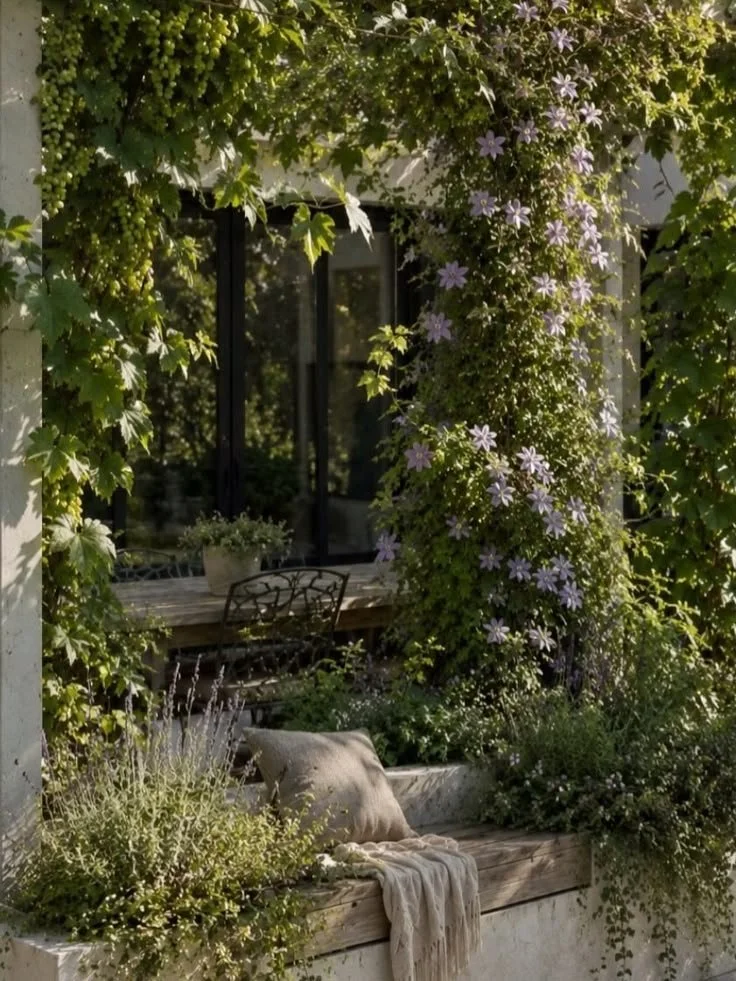
Rather than treating pests as enemies to be wiped out at any cost, a mindful approach reframes the situation: something in the garden’s conditions is inviting them in, and your role is to gently restore balance. Like slow travel, which encourages patience over urgency, low-stress pest control relies on observation, timing, and a few well-chosen interventions that fit your specific climate and layout.
No. 1
Creating a Mindful Outdoor Space Without Chemical Stress
A mindful outdoor space is not the same as a perfectly curated, pest-free garden. Nature is dynamic, and even the healthiest gardens will host insects, mollusks, and small creatures that play roles in the local ecosystem. The aim is to prevent destructive levels of damage while keeping your practices aligned with values like care, presence, and a lighter environmental footprint.
This mindset shift reduces anxiety because it replaces the pressure for perfection with a clear, sustainable plan. You stop reacting to every torn leaf and start managing conditions proactively.
What “Mindful Pest Management” Looks Like in Practice
Observing patterns before taking action
Choosing prevention first, then gentle intervention
Using multiple small tactics instead of a single aggressive “solution”
Working with the seasons and your region’s weather cycles
Protecting beneficial insects, birds, and soil life
Why Avoiding Harsh Chemicals Supports Wellness
You reduce exposure to residues around edible plants and outdoor seating areas
You protect pollinators and beneficial predators that keep ecosystems stable
You avoid the “pesticide treadmill,” where repeated spraying creates rebound infestations
You keep the garden a true refuge, rather than a space that requires protective gear and worry
No. 2
Why Snails Thrive: Climate, Moisture, and Regional Patterns
Local climate and geography shape almost everything about how pests behave, and snails are a textbook example. Homeowners in coastal cities, including those managing gardens near Miami, often deal with heavier snail pressure because humidity and mild winters allow populations to stay active for more of the year. Understanding these regional patterns is the first step toward calm, effective control, and resources like 10 easy and effective ways to get rid of snails in your yard offer a useful starting point for matching a strategy to your specific conditions rather than applying a one-size-fits-all fix.
The common brown garden snail, an import originally from France, has settled comfortably into gardens along the West Coast, the East Coast, and much of the southern United States, according to Gardening Know How. Moisture plus moderate temperatures are their ideal conditions, which is why irrigated lawns, shaded beds, and dense ground cover can become snail hotspots.
Key Reasons Snails Become a “Sudden” Problem
Population growth happens quietly, then becomes visible after damage accumulates
A single snail can lay up to 80 eggs per month and repeat that cycle roughly six times in a season
Thick mulch, ground cover, and cluttered edges provide daytime shelter
Overwatering or evening watering creates the cool, damp overnight environment snails prefer
Mild winters reduce die-off, allowing more breeding adults to survive into spring
Seasonal Timing: When to Act for the Best Results
Snails are most active during spring and fall, when temperatures sit in a moderate range and rainfall keeps the soil damp, while they tend to burrow down and go dormant during hot, dry stretches and cold winters, as MIgardener notes. This seasonal rhythm matters because it tells you when your efforts will have the most impact.
Spring: focus on prevention and egg disruption before populations surge
Fall: reinforce barriers and reduce shelter as activity rises again
Hot summer stretches: concentrate on habitat changes, since snails often retreat
Winter in mild climates: continue monitoring, because activity may never fully stop
No. 3
Barrier Methods and Physical Deterrents That Fit Your Garden
Physical barriers remain one of the gentlest ways to keep snails away from vulnerable plants, and they require no chemicals at all. They are also highly compatible with mindful living because they are quiet, low-maintenance, and preventative rather than reactive.
Copper tape is a favorite among organic gardeners because the mild electrical charge it creates on contact deters snails from crossing, but width genuinely matters here. Living Etc recommends using tape that measures at least 1.5 inches wide to ensure the deterrent effect actually holds up against determined mollusks, especially in gardens with dense ground cover where snails have plenty of alternate routes.
Best-Use Scenarios for Physical Barriers
Raised beds where you can seal the perimeter cleanly
Container gardens on patios, balconies, and porches
Small, high-value zones like lettuce, seedlings, and tender ornamentals
Herb gardens where you want a chemical-free harvest
Practical Physical Deterrents to Combine
Copper tape around beds, pots, or greenhouse benches
Gravel mulch to create a dry, abrasive crossing surface
Diatomaceous earth rings around plant bases in dry weather
Collars around young plants to protect stems and new growth
Clean edging and reduced clutter near beds to remove hiding places
Watering Adjustments That Reduce Night Activity
Beyond copper, simple adjustments like watering in the early morning rather than the evening can reduce the damp, cool conditions snails favor overnight. This one change is often underestimated, yet it can meaningfully reduce feeding pressure, especially for gardeners in regions where irrigation is the primary source of moisture.
Water early so the surface dries by evening
Avoid wetting foliage when possible; target soil with drip lines or soaker hoses
Fix small leaks in hoses or spigots that create constant damp zones
Thin dense ground cover near susceptible plants to improve airflow
No. 4
Natural Repellents and Companion Planting With Regional Choices
Companion planting offers a way to make pest control part of the garden’s design rather than an afterthought. Plants like lavender, rosemary, and geraniums are known to be less appealing to snails and can be woven into borders around more vulnerable vegetables and flowers.
Companion planting works best when you use it as a supportive layer, not a standalone cure. Snails may still approach tender plants, but deterrent borders, spacing, and airflow can reduce the intensity of damage and make your garden less inviting overall.
Companion Planting Ideas for Snail-Prone Beds
Border vegetable beds with rosemary and lavender for a less appealing perimeter
Intermix aromatic herbs near lettuce, hostas, and seedlings
Use less snail-friendly plants in shaded edges where snails shelter
Rotate border plantings seasonally in long growing seasons
Natural repellents such as crushed eggshells, coffee grounds, and beer traps also draw on region-specific availability and climate. Gardeners in cooler, wetter climates may find beer traps particularly effective since snails are already seeking out moisture, while those in drier areas might lean more heavily on eggshell barriers that lose potency once broken down by rain.
Natural Repellents and How to Use Them Well
Crushed eggshells: apply as a dry ring; refresh after heavy rain or breakdown
Coffee grounds: use lightly; avoid piling thickly in soil-sensitive beds
Beer traps: place at soil level; empty and refresh regularly for effectiveness
Hand-picking at dusk: simple, targeted, and surprisingly effective with consistency
Boards or inverted pots as “shelters”: check underneath in the morning and remove snails
The key is matching your repellent to your reality. If your climate is humid and rainy, barriers that wash away quickly will require frequent renewal, so you may prioritize copper, habitat reduction, and traps instead.
No. 5
Integrated Pest Management (IPM) as a Calm, Sustainable System
Integrated pest management, often shortened to IPM, brings together biological controls, habitat adjustments, and selective barriers instead of relying on any single tactic. According to Bloomingexpert, integrated pest management strategies using biological controls can reduce pest pressure by up to 90 percent with minimal environmental impact, breaking the pesticide treadmill that kills beneficial predatory insects alongside target pests.
That statistic matters because broad chemical sprays can remove the very allies that naturally keep snail populations in check, including ground beetles, birds, and other predators. IPM is not “doing everything”; it is doing the right few things consistently, based on what you observe.
The Core Elements of a Simple IPM Routine
Monitor: walk the garden several times a week and look for patterns
Identify: confirm whether damage is from snails, slugs, or something else
Prevent: adjust watering, remove shelter, and protect vulnerable plants early
Intervene: use barriers, traps, or hand removal when thresholds are exceeded
Evaluate: track what worked, then simplify and repeat
A Mindful Monitoring Practice (10 Minutes, 2–3 Times Weekly)
Check the underside of leaves and the base of plants for eggs and feeding marks
Look near shaded borders, mulch layers, and irrigation lines for hiding spots
Note which plants are repeatedly targeted; they may need protection or relocation
Record rainfall and watering changes so you can connect moisture to activity
Observe at dusk occasionally, when snails are most active, to confirm hot zones
Building an IPM approach does not require expertise in entomology, only a willingness to observe before acting. Over time, a garden managed this way tends to settle into its own quiet balance and demand less intervention rather than more.
No. 6
A Quick Reference Table for Snail Control Decisions
The details can feel like a lot when you are trying to solve damage quickly. This simplified table keeps the main facts visible so you can choose strategies based on timing and conditions.
Key Snail and IPM Metrics
IPM reduction in pest pressure: up to 90 percent (ACS Omega, 2024)
Snail egg production per season: up to 80 eggs monthly, about 6 cycles
Peak snail activity: spring and fall
Copper tape minimum width: 1.5 inches
Brown garden snail origin: France, now widespread across U.S. coasts
Use these points as a decision guide: if it is spring or fall and moisture is high, combine prevention and barriers immediately rather than waiting for visible damage to escalate.
Takeaways
Mindful pest management is about creating balance rather than chasing a perfectly pest-free garden. When you observe first and act second, you replace stress with a steady system that supports both your plants and your wellbeing.
Snails thrive in mild, moist conditions, so climate-aware tactics such as morning watering, habitat reduction, and timely barriers can make a significant difference. Regional pressure, especially in humid coastal areas, often requires layering multiple gentle methods rather than relying on a single remedy.
Integrated pest management provides a practical structure for long-term success without harsh chemicals. With regular monitoring, simple physical deterrents, and intentional planting choices, your garden can remain a restorative sanctuary instead of a constant battle.
Looking for Home resources?
Looking to enhance your living space and create a sanctuary that supports your well-being? Explore our home partners who offer a wide range of resources to elevate your home environment.