Exploring Sumba With Kids: Adventures The Whole Family Will Love
There's a moment on most Bali family holidays when you look around and realise everyone else had the same idea. The infinity pool has a queue, the "hidden" waterfall has a ticket booth, and your kids are watching other kids rather than the place itself. It's beautiful, but it can feel like you're passing through a version of Indonesia designed for visitors rather than lived in by locals.

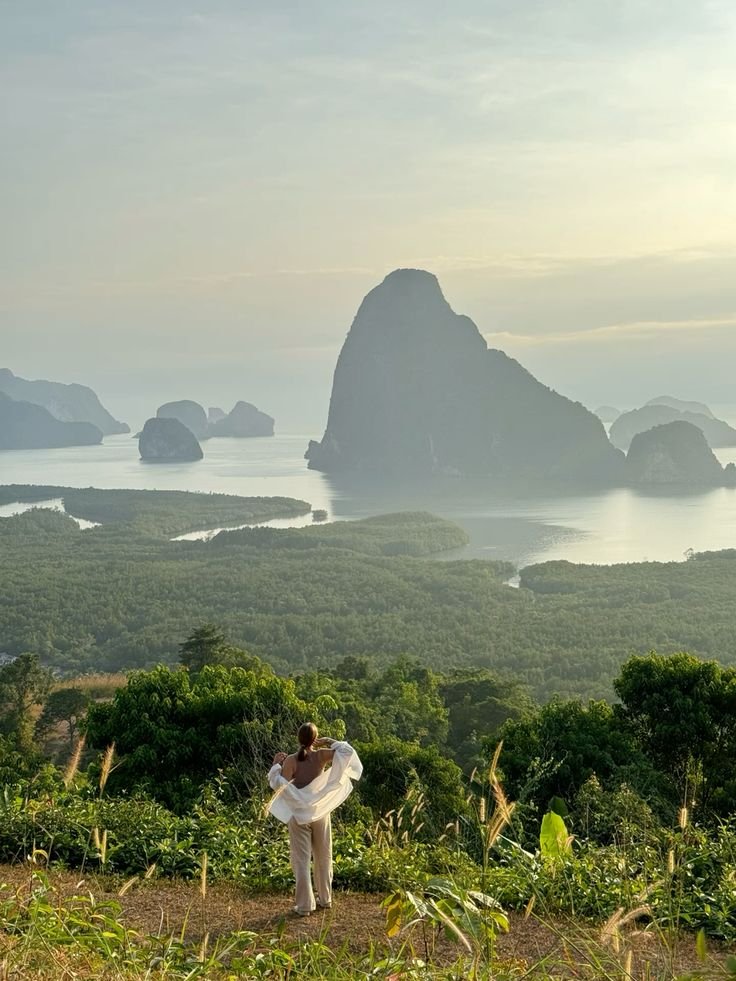
Sumba is a different story. Less than an hour's flight east of Bali, it has beaches with no footprints but yours, savannah where wild horses graze, and villages where children still wave at passing cars because tourists are a novelty. The island is only just opening up, which makes it both a genuine adventure for families and a place that deserves to be visited with care.
In this article, we will explore how Sumba delivers a more spacious, authentic family escape, along with the practical planning and respectful habits that help keep it that way.
No. 1
Why Sumba Is the Conscious Alternative
Sumba has quietly become one of Asia's most talked-about destinations, but for the right reasons. According to Time Out, it topped the publication's list of the eight best places to visit in Asia in 2025, chosen specifically as an alternative to destinations struggling with overtourism.
For families, that translates into something increasingly rare: space, silence, and a culture that is still lived rather than performed. Tourism on Sumba is small-scale and largely community-based. Many lodges are locally owned or reinvest in surrounding villages, and the island has been the focus of renewable energy and conservation projects for years. Visiting Sumba, done thoughtfully, supports that model instead of straining it. It's also a chance to show your children what travel looks like when it respects a place.
No. 2
Beaches and Lagoons Kids Will Never Forget
Sumba's coastline is spectacular, and most of it is empty. The south coast has serious surf, so save those beaches for watching rather than swimming.
Instead, head to:
Weekuri Lagoon, a natural saltwater pool sheltered from the ocean, with calm, shallow, turquoise water perfect for young swimmers
Walakiri Beach, famous for its "dancing" mangrove trees and gentle, shallow water at low tide, ideal for paddling and sunset photos
Mandorak Beach, a small, sheltered cove with white sand and easy access
Tarimbang Beach, quieter and better for older kids who can handle a bit of swell
Facilities are minimal, which is part of the charm. Bring reef-safe sunscreen, refillable water bottles, and a bag to carry your rubbish out. Leaving a beach exactly as you found it is an easy lesson for kids, and on Sumba it genuinely matters.
No. 3
Waterfalls and Gentle Hikes
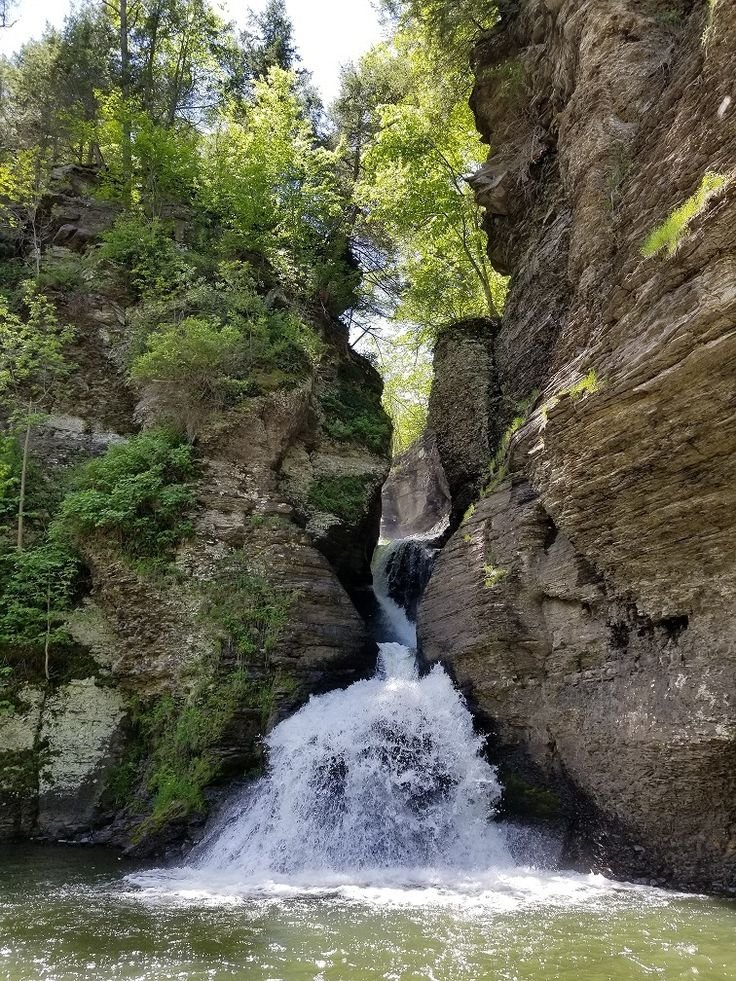
Sumba's waterfalls are some of the island's best family adventures, and most involve short walks rather than serious treks.
Lapopu Waterfall, in the western part of the island, has a wide cascade and a natural pool at the base where families can swim. Tanggedu Waterfall in East Sumba is more of a journey, with a rocky walk that older children will love and a series of pools carved into the rock. Waimarang Waterfall is a hidden pool tucked into a canyon, reached by a short scramble that feels like a treasure hunt for kids.
Go early to have them to yourselves, hire a local guide where one is offered so the income stays in the community, and stick to established paths.
No. 4
Traditional Villages and Living Culture
This is where Sumba becomes more than a beach holiday. Traditional villages like Ratenggaro, Praijing, and Prailiu are still home to families living in tall-roofed houses beside enormous megalithic stone tombs. Nothing here is a show. The weaving, the ceremonies, and the daily rhythms are real, and children are welcome to observe and take part.
A few tips for visiting respectfully:
Bring a small donation and, if possible, betel nut or a small gift for the village elder
Ask before photographing people, and let your children see you do it
Dress modestly and remove shoes when invited inside a home
Buy ikat textiles directly from the weavers rather than from resellers
Let your kids interact; a game of football or a shared snack breaks the ice instantly
If your trip falls in February or March, the Pasola festival, a ceremonial horseback spear-throwing ritual, is an unforgettable spectacle for older children, though it's crowded and intense.
No. 5
Horses, Savannah, and Sunsets
Sumba is known for its horses, and riding along the beach or through the savannah is a highlight for older kids. Choose operators that treat their animals well and work with local horsemen; several resorts can arrange rides suited to different ages and confidence levels.
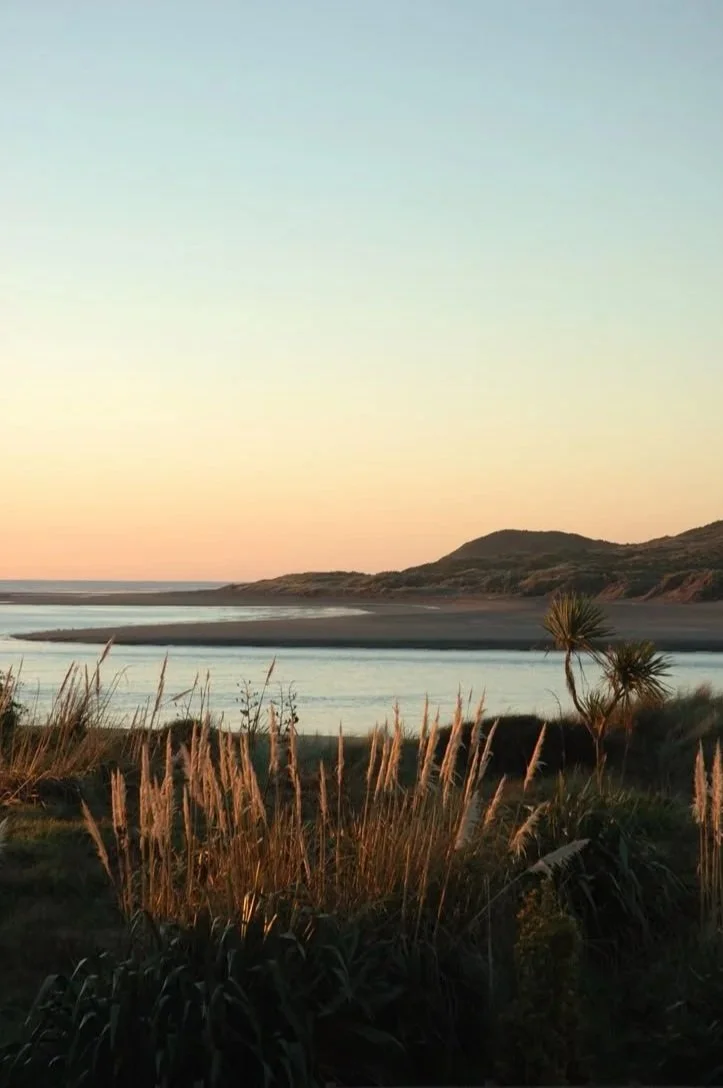
Even without riding, a late-afternoon drive through the eastern savannah hills, such as Wairinding or Tanarara, gives you golden grasslands, grazing horses, and sunsets that make everyone go quiet. These spots are easy to reach by car and involve no more than a gentle walk.
No. 6
A More Conscious Way to Travel With Kids
Sumba rewards visitors who slow down and spend locally. Where you stay is the biggest decision. The island has a handful of exceptional eco-lodges, but also plenty of family-run guesthouses and community-linked stays that put money directly into villages. Look for properties that employ local staff, source food from nearby farms, and can explain how they manage water and waste.
Other simple choices add up:
Eat at local warungs and buy fruit from roadside stalls
Hire local drivers and guides rather than importing everything from Bali
Avoid single-use plastics; water refills are increasingly available
Skip activities that exploit animals or stage "traditional" performances for tourists
Talk to your children about why the island is quiet and why you'd like it to stay that way
None of this is hard, and it makes the trip richer. Kids who help choose the warung, chat with the driver, and watch a weaver at work come home with more than photos.
No. 7
Planning the Practical Side
Sumba is not Bali, and it needs a bit more preparation. According to the experts at Sumba Guide, the biggest mistakes families make are underestimating driving times on the island's winding roads and trying to cover both East and West Sumba in too few days.
Their advice is to base yourselves in one area, hire a driver rather than self-drive, and allow at least five to seven days to see the highlights without rushing the kids. Local drivers know which roads are rough, where to find a clean bathroom, and which warung serves food children will actually eat, which is worth far more than any map.
Other essentials:
Fly into Tambolaka for West Sumba or Waingapu for East Sumba
Bring a basic first aid kit, insect repellent, and any medications you need
Carry cash, as ATMs are limited outside the towns
Book accommodation in advance during the dry season, from May to October
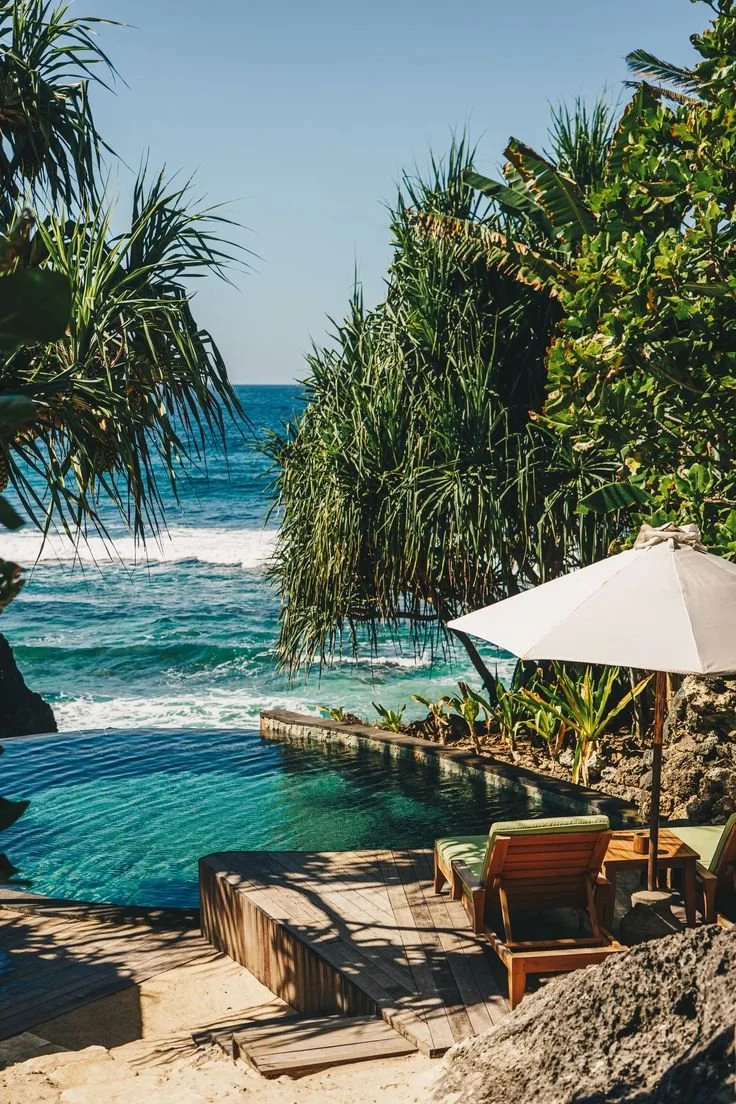
Choose a resort or guesthouse with a pool for downtime between adventures
A little planning goes a long way, helping families enjoy Sumba’s highlights at a relaxed pace while leaving plenty of room for adventure, comfort, and memorable experiences together.
Takeaways
Sumba offers the kind of family holiday that's getting harder to find: wild, beautiful, uncrowded, and still genuinely itself. Calm lagoons and gentle waterfalls suit younger children, while horse riding, village visits, and savannah sunsets give older kids something to talk about for years. Choosing it over a busier destination is already a more conscious decision; staying local, spending local, and teaching your children to tread lightly turns it into a better one.
Plan sensibly, hire a driver, give yourselves enough days to slow down, and Sumba will reward your family with a trip that feels like a real discovery, and one that leaves the island as special as you found it.
Looking for Travel resources?
Looking to embark on a transformative journey to discover new cultures, expand your horizons, and reconnect with yourself? Explore, learn, and awaken your wanderlust with our travel partners designed to support you on your next getaway.