Beginner’s Guide To Exploring Florida By Boat
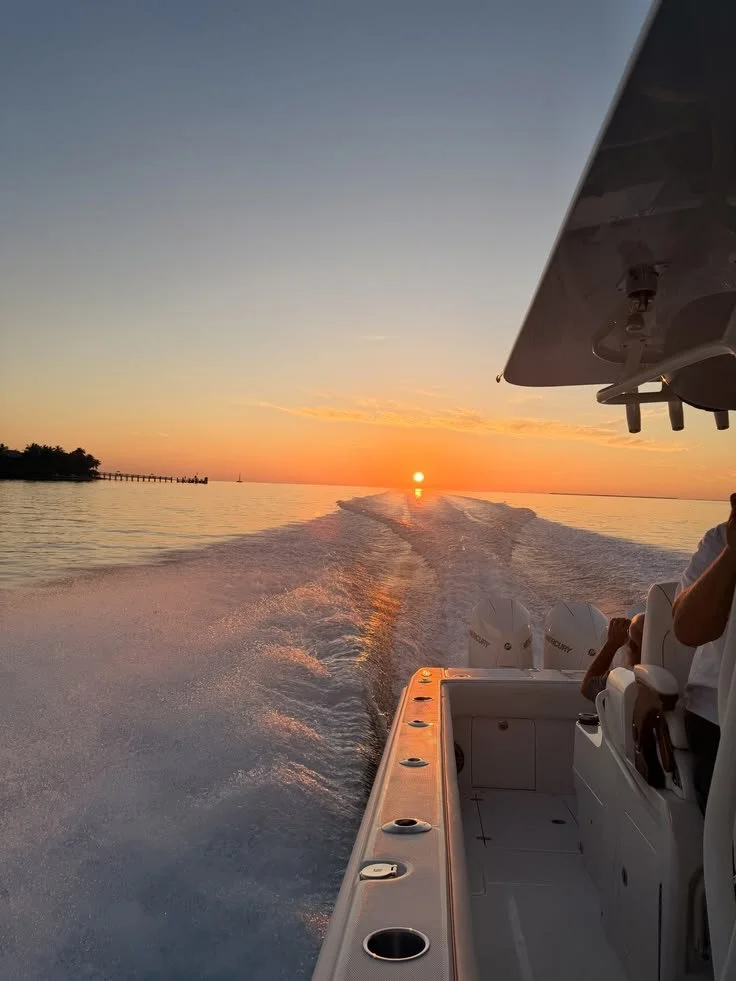
Florida is one of the easiest places in the U.S. to fall in love with boating. With warm weather, vast coastlines, calm bays, winding mangrove trails, and crystal-clear springs, new boaters can find a route that matches nearly any comfort level. Still, your first few outings will be more enjoyable when you understand a few essentials ahead of time, including licensing, safety, weather, and the type of boat that fits the day you want.

In this article, we will explore the most important decisions and skills for beginners who want to explore Florida by boat, from choosing between renting and owning to packing the right gear and reading marine forecasts. Whether your goal is a relaxed cruise, a family sandbar day, or a first fishing trip, the guidance below will help you feel confident before you ever leave the dock.
No. 1
Deciding Between Renting and Owning a Boat in Florida
Buying a boat is a classic Florida dream, but it is rarely the best first step for beginners. The upfront cost is only part of the equation; long-term ownership includes recurring expenses and responsibilities that can quickly outpace what new boaters expect. Renting, on the other hand, keeps things flexible while you figure out what kind of boating you actually enjoy.
A practical way to approach this decision is to treat your first season as a learning phase. Renting gives you time on the water without locking you into a specific boat type or ongoing costs, and it allows you to build skills at a manageable pace.
Renting vs. Owning: What You Are Really Paying For
Consider the full cost picture before committing.
Renting typically includes basic maintenance and routine wear handled by the operator
Owning usually includes:
insurance premiums
storage or marina slip fees
maintenance and repairs
trailer costs, towing vehicle considerations, and launch fees
depreciation, especially during the first year
Buying can make sense if you will boat frequently and already know the style of boating you prefer. For most beginners, renting offers a smarter path to experience without pressure.
Boat Clubs as a Middle Option
Boat clubs bridge the gap between casual renting and full ownership. Members pay a recurring fee and get access to a fleet, often with booking systems and orientation support. If you are near the Gulf Coast, checking out boat rentals in Naples, FL, can help you understand how pricing, scheduling, dock access, and boat variety work before you commit to anything long-term.
Why Testing Different Boats Matters
Many beginners assume a boat is a boat, then discover how different each style feels on the water.
A pontoon can feel stable and forgiving, especially for slow cruising
A center console can feel more capable in chop, but may require more confidence at the helm
A deck boat can be a comfortable middle ground for families and watersports
Trying multiple options helps you avoid buying a boat that looks great at the marina but does not match your real needs.
Seasonal Demand in Florida
Florida boating is year-round, but availability is not.
Winter often brings snowbirds, higher demand, and tighter rental calendars
Spring weekends and holidays book quickly in popular coastal areas
Summer can offer more availability, but requires planning around afternoon storms and heat
If you know the season you want most, book early and plan your departure times accordingly.
No. 2
Getting Your Florida Boating License and Safety Certification
Florida takes boating safety seriously, and beginners benefit from understanding the rules before their first outing. If you are required to take a course, do it early, not the night before your trip. The course is not just a bureaucratic step; it teaches fundamentals that prevent common beginner mistakes, especially around navigation, right-of-way, and emergency procedures.
Know Whether the Requirement Applies to You
Florida has rules tied to birthdate and vessel horsepower, and enforcement does happen. It is easy to assume a rental company will handle it, but the operator is responsible for compliance.
Some boaters must carry proof of completing a safety course
Requirements can vary based on age and horsepower
Some local jurisdictions may apply additional restrictions
Always verify requirements before you arrive at the dock so you are not delayed during check-in.
Online vs. In-Person Courses
Both options can work well; the best choice depends on your learning style.
Online courses:
flexible scheduling
self-paced learning
fast completion for motivated learners
In-person courses:
direct Q and A with instructors
helpful for hands-on learners
often includes scenario-based teaching that feels more practical
Keep Your Proof Accessible
Carry your card every time you operate a vessel. Keep it in a waterproof sleeve or ensure the digital version is accessible even without cell service. Routine checks are common in busy waterways, and forgetting your documentation can turn a simple day into an unnecessary interruption.
No. 3
Choosing the Right Boat for Beginners
Your first boat choice should match the waterways you will actually use, not just the boat you imagine owning someday. Beginners generally benefit from stability, easy docking, predictable handling, and a layout that supports the activities planned for the day.
A useful approach is to start with calm water environments, then move into more challenging conditions as your skills grow. The boat you choose can either speed up that learning curve or make it harder than it needs to be.
Best Beginner Boat Types and When to Choose Them
Use these quick guidelines to narrow your options.
Pontoons:
ideal for calm bays, intracoastal waterways, and slow rivers
great for groups, kids, and relaxed cruising
typically easy to move around on and board
Center consoles:
strong choice for fishing and coastal exploring
handles choppy water better than many pontoons
more exposure to sun and wind, so plan for shade and hydration
Deck boats:
comfortable seating with more speed than many pontoons
good for tubing and light watersports
family-friendly layout, often with a versatile bow area
Boat Size: Practical Beats Impressive
Beginners often benefit from smaller, easier-to-manage boats.
easier docking and maneuvering
lower fuel consumption
simpler trailering and launching
reduced stress when operating in crowded marinas
A boat that feels manageable helps you build confidence, which leads to better decision-making on the water.
Ask These Questions Before You Pick
A few targeted questions prevent mismatches.
How many people will be aboard, realistically, not ideally?
Will you be cruising, fishing, beaching at sandbars, or doing watersports?
Are the waterways shallow, narrow, or exposed to open-water chop?
Do you want shade, onboard storage, or a bathroom option?
No. 4
Must-Have Gear for Your First Trip Out
The best beginner boating gear does two things: it keeps everyone safe, and it prevents small problems from becoming big ones. Many first-time boaters focus on snacks and speakers, then forget essentials that matter when conditions change or equipment fails.
Safety Gear You Should Treat as Non-Negotiable
These items support both legal compliance and real-world readiness.
properly sized life jackets for every passenger
a throwable flotation device, if required for your vessel
a first-aid kit stocked for cuts, sun exposure, and motion sickness
a VHF marine radio, especially if you will travel beyond reliable cell service
a charged phone in a waterproof case, plus a backup battery
Life jackets must fit the wearer, not just meet a minimum count on board. Children need child-sized vests, and adults should have snug, secure fits.
Docking and Anchoring Essentials
Docking is where many beginner mishaps happen, usually at low speed but high stress. The right setup makes it far easier.
fenders to protect the hull at the dock
dock lines in good condition, plus an extra line for flexibility
an anchor sized to the boat and the bottom type you expect
a basic understanding of how wind and current affect your position
An anchor is not only for stopping; it is also a safety tool when you need to hold position away from hazards.
Comfort and Sun Protection
Florida sun is intense on open water, even on hazy days.
reef-safe sunscreen, reapplied regularly
hats and UV-protective clothing
polarized sunglasses to reduce glare and help spot shallow areas
more drinking water than you think you need
a cooler with ice to keep beverages safe and refreshing
Dehydration happens faster on a boat due to wind, heat, and reflected sunlight, so plan hydration as seriously as you plan fuel.
No. 5
Reading Florida Weather Before You Leave the Dock
Weather is the difference between an easy day and a stressful one, especially for beginners. Florida is famous for fast-developing storms, particularly in summer, and open water offers little protection from lightning or high winds.
A strong habit to build early is checking conditions from multiple angles and making conservative decisions. Turning around early is not a failure; it is good seamanship.
Use Marine Forecasts, Not Only Standard Weather Apps
Land-based apps often miss what matters most on the water.
Marine forecasts typically include:
wind speed and wind direction over water
wave height and wave period
small craft advisories
thunderstorm timing probabilities
That information helps you decide whether your boat and crew can handle the conditions comfortably.
Understand How Wind Changes Your Day
Wind affects more than waves. It impacts docking, anchoring, and comfort.
strong crosswinds can make docking significantly harder for new operators
wind against current can increase chop in narrow channels
a steady breeze can push a boat off an anchor if the setup is weak
If you are new, plan routes that keep you closer to protected water when winds increase.
Recognize When It Is Time to Head Back
Do not wait for conditions to become severe.
darkening clouds and sudden temperature drops can signal storms
wind shifts and rapid gusting often precede squalls
distant thunder means you should start moving toward safety immediately
No sandbar, restaurant stop, or fishing spot is worth staying out too long when weather turns.
No. 6
Planning Beginner-Friendly Routes in Florida
Choosing the right waterway is one of the fastest ways to build confidence. Florida has locations that are perfect for first-timers, as well as areas better suited to experienced boaters due to currents, inlets, and heavy traffic.
Best Types of Places for a First Outing
Focus on protected water and predictable navigation.
inland lakes with clear channel markers
calm intracoastal stretches with plenty of marina access
spring runs and slow rivers where speed is controlled
bays with easy exit points and multiple sheltered options
What to Avoid Until You Have More Experience
Some environments add complexity quickly.
ocean inlets with fast current and changing wave patterns
high-traffic weekends near popular sandbars
unfamiliar areas with shallow flats at low tide
long routes without fuel docks or safe pull-off points
If you want to explore these areas later, consider going with an experienced boater first or hiring a captain for a learning trip.
Takeaways
Getting started with boating in Florida is less about mastering everything at once and more about making a few smart choices early. When you match your boat type, route, and timing to your current comfort level, your first trips feel enjoyable instead of overwhelming.
Renting is often the best beginner move because it lets you try different vessels and avoid the ongoing costs of ownership. Before you leave the dock, confirm safety certification requirements, bring properly fitted life jackets, and pack gear that supports both comfort and emergencies.
Weather planning is the skill that protects your crew and your confidence the most. Use marine forecasts, respect wind and storm patterns, and make the conservative call to head in early when conditions change.
Looking for Travel resources?
Looking to embark on a transformative journey to discover new cultures, expand your horizons, and reconnect with yourself? Explore, learn, and awaken your wanderlust with our travel partners designed to support you on your next getaway.