How To Plan A Budget Friendly Niagara Falls Trip For Two
Organizing a Niagara Falls visit for two requires a careful balance of costs for sightseeing, lodging, transit, and meals. This iconic location contains vast waterfalls, extensive pedestrian paths, and entertainment venues designed for various price points. Partners can easily have a memorable trip without high spending by making strategic choices before they leave home.

Visiting during quiet months, selecting lodging carefully, and choosing high-value experiences are the keys to a successful getaway. Proper preparation allows two visitors to explore the magnificent waterfalls and local sites while maintaining a specific financial plan. In this article, we will explore how to plan a budget-friendly Niagara Falls trip for two without sacrificing romance or excitement.
No. 1
Choose the Right Time to Visit
Dates for the trip significantly influence the total cost of your entire vacation experience. The summer months feature high temperatures and long hours of operation, which naturally attracts massive crowds of visitors. Prices for lodging and local attractions often increase dramatically during weekends and national holidays.
Partners seeking to save money might visit during the spring or fall shoulder seasons. During these times, the weather is still cool enough for comfortable walking, but hotel rates are substantially lower. Visiting between Monday and Thursday often provides much better nightly rates than stays on Friday or Saturday.
Winter is a fantastic alternative for those who prefer a quiet environment and do not mind the cold. Although some outdoor sites have limited hours, the waterfalls are beautifully lit with colorful lights, and indoor venues remain open. Visitors should always verify the operating hours for specific sites before they book their travel tickets.
Selecting dates based on available seasonal discounts helps establish a solid financial plan before the trip even begins. Many hotels offer winter packages that include dining credits or discounted attraction passes to entice travelers. Taking advantage of these off-season promotions can cut your overall vacation expenses in half.
No. 2
Compare Transportation Options
Transit costs depend entirely on your starting location and how the two visitors plan to move around the city. Those driving from nearby cities in Ontario or New York must pay for fuel, tolls, and daily parking. Parking fees near the main waterfalls are often exceptionally high, sometimes costing as much as a sit-down meal.
Reviewing hotel policies and seeking out municipal public lots prevents these high costs from ruining your budget. Driving outside of heavy traffic hours makes the journey more efficient and saves money on wasted fuel. Once you arrive, leaving your car parked at the hotel is usually the most economical choice.
Public transit is a highly functional choice for those traveling from major hubs like Toronto or Buffalo. Partners should compare the prices for commuter trains and regional buses before they buy their final tickets. For those who prefer an organized journey, Niagara Falls Tours from Toronto can be another option to compare when planning transportation costs.
In Niagara Falls, walking between sites reduces costs significantly while allowing you to enjoy the beautiful scenery. Local transit networks help visitors reach distant areas for a very low daily fee. Staying in a hotel near the center of the city drastically reduces the need for expensive taxis or rideshares.
Smart Transit Strategies
Utilize the local bus system for affordable unlimited daily rides between major tourist attractions.
Purchase a combined transit and attraction pass to save money on both transportation and sightseeing.
Look for hotels that offer free shuttle services to the falls to eliminate daily parking fees.
Consider taking commuter trains during weekends when special discounted travel passes are available.
No. 3
Select Affordable Accommodation
Lodging is typically one of the largest expenses for any couple planning a romantic getaway to the falls. Hotels located directly near the waterfalls are incredibly convenient but always carry high nightly prices. Visitors can easily compare hotels located just a few miles away from the primary tourist zone for better deals.
It is critically important to check the total price before booking any room online or over the phone. Parking fees, resort charges, and local tourism taxes often increase the final bill far beyond the advertised nightly rate. Reading recent customer reviews can help you identify hidden fees before you commit to a non-refundable reservation.
Partners should also decide if staying overnight is truly necessary for their specific travel goals. A single-day visit completely removes the cost of a hotel for those living nearby, though it reduces time for evening meals. For a two-day trip, a basic hotel with clean rooms and proximity to transit is often more valuable than a luxury building.
Booking early and choosing rates that allow for free cancellations provides both financial savings and travel flexibility. Alternative lodging options like short-term rentals or quaint bed and breakfasts can also offer highly competitive pricing. Sometimes, staying on the American side of the falls can yield cheaper hotel rates than the Canadian side.
Tips for Booking Cheap Rooms
Search for accommodations in nearby suburban towns for lower base rates and cheaper parking.
Sign up for hotel loyalty programs to unlock exclusive member discounts and potential room upgrades.
Call the hotel directly to ask if they can beat the price listed on third-party booking websites.
Avoid booking rooms with a falls view, as city-view rooms are significantly cheaper and just as comfortable.
No. 4
Prioritize Attractions and Activities
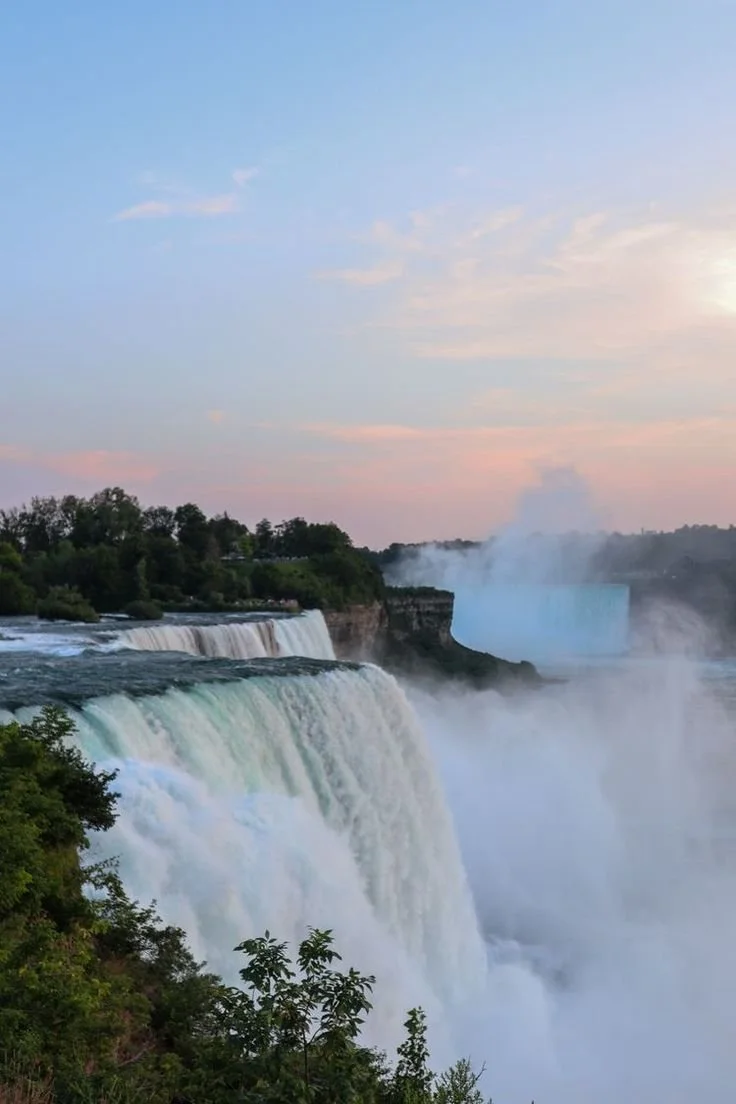
The stunning natural environment is a primary benefit for visitors who wish to save money on their trip. Walking along the scenic parkways to see the massive waterfalls is completely free for everyone. Partners can spend hours admiring the immense power of the water without spending a single dime.
You can also visit public botanical gardens and view the spectacular light displays on the water after the sun sets. Focusing primarily on these free activities allows you to save more money for one or two premium paid experiences. Nature trails and local parks offer endless opportunities for romantic strolls and beautiful photographs.
Paid sites add wonderful variety, but choosing only a few prevents the budget from growing too large. Partners might choose a thrilling boat tour or a high observation deck based on their specific personal interests. It is highly helpful to compare official prices and look for bundled ticket packages that offer substantial discounts.
A healthy mix of free sightseeing and paid visits creates a full schedule without high costs at every single stop. Buying tickets online in advance often secures a lower price than purchasing them at the entrance gate. Planning your itinerary around geographic clusters also saves time and prevents unnecessary transit spending.
Top Budget Friendly Activities
Hike the trails at the lower river gorge to experience stunning beauty away from the crowds.
Visit the local public islands for a quiet, free nature walk surrounded by rushing rapids.
Watch the free nightly illumination of the falls, which features a rotating display of vibrant colors.
Explore the public botanical gardens, which offer free admission and beautifully manicured landscapes.
No. 5
Manage Dining and Daily Expenses
Food costs will increase rapidly if every meal occurs at flashy restaurants designed specifically for tourists. Visitors save significant money by eating a complimentary breakfast at their hotel before starting the day. Carrying portable snacks and refillable water bottles also prevents expensive impulse purchases while sightseeing.
Finding small, locally owned restaurants away from the main tourist streets is another excellent way to save. Reading menus online before entering a restaurant prevents unexpected spending and helps manage dietary preferences. Splurging on one specific dinner allows for a special romantic experience without incurring high costs for every single meal.
A strict daily limit keeps the total vacation budget under control and prevents lingering financial stress. Partners should estimate the daily costs for transit, lodging, food, and tickets long before the trip begins. Keeping a little extra money in reserve is always helpful if the weather changes unexpectedly.
Agreeing on what is most important helps both visitors enjoy the trip without obsessing over every small purchase. Some couples might prefer to spend more on fine dining, while others might prioritize thrilling attractions. Communication is the ultimate key to ensuring both partners feel their money is being spent wisely.
Dining Hacks for Couples
Pack a romantic picnic lunch to enjoy at a public park overlooking the magnificent waterfalls.
Visit local grocery stores to purchase fresh sandwiches, fruit, and beverages for daytime excursions.
Look for restaurants that offer happy hour specials for discounted appetizers and early evening drinks.
Share large portion meals at casual dining establishments to cut your daily food expenses in half.
No. 6
Build a Practical Trip Budget
A truly successful trip starts with a realistic budget that matches the habits and location of the two travelers. A simple day trip requires funds primarily for transit, casual food, and local parking. An overnight stay obviously adds the cost of a hotel room, extra meals, and potentially more entertainment.
Comparing these two distinct options helps determine if the convenience of a hotel is actually worth the premium price. Using a simple spreadsheet or a budgeting smartphone app can help you track expenses as they occur. This real-time tracking ensures you do not accidentally overspend on the very first day of your vacation.
A high-value trip focuses on the shared experience rather than expensive luxury and lavish accommodations. Traveling when fewer visitors are present, comparing prices diligently, and enjoying free views makes Niagara Falls incredibly accessible. With a clear plan, two visitors can enjoy the scenery and atmosphere while keeping the trip completely affordable.
Remember that the most memorable parts of a vacation are often the moments spent simply enjoying each other's company. You do not need to empty your bank account to appreciate the natural wonder of the falls. Careful planning and smart choices will guarantee a fantastic trip that respects your financial boundaries.
Essential Budgeting Steps
Determine a strict maximum spending limit for the entire trip before booking any transportation or lodging.
Allocate specific amounts for different categories like food, souvenirs, and paid entertainment venues.
Set aside a small emergency fund to cover unexpected expenses like forgotten toiletries or sudden rain gear.
Review your spending at the end of each day to ensure you are staying on track with your financial goals.
Takeaways
Planning a budget-friendly trip to Niagara Falls requires careful timing and thoughtful choices regarding transportation and lodging. Visiting during the shoulder seasons or winter months can significantly reduce your overall vacation expenses.
Couples can save a substantial amount of money by prioritizing free natural attractions and utilizing local public transit. Balancing a few paid experiences with complimentary sightseeing ensures a fulfilling itinerary without breaking the bank.
Managing daily food costs and setting a strict daily budget will prevent unexpected financial stress during your getaway. Ultimately, clear communication and proper preparation allow partners to enjoy a highly memorable and affordable romantic vacation.
Looking for Travel resources?
Looking to embark on a transformative journey to discover new cultures, expand your horizons, and reconnect with yourself? Explore, learn, and awaken your wanderlust with our travel partners designed to support you on your next getaway.