Ultimate Family Road Trip Guide: Plan, Pack, Enjoy
Few vacations offer as much flexibility and value as a family road trip. You can stay close to home or cross the country, make spontaneous stops, and shape the pace around your family rather than a rigid travel itinerary. The trade-off is that long hours in the car can test anyone’s patience, especially when the back seat starts to sound like a broken record.

In this article, we will explore how to plan an ultimate family road trip that feels smooth, memorable, and genuinely enjoyable for everyone involved. From choosing a route that keeps spirits high to preventing in-car tension and building a playlist the whole family can live with, this guide expands the essentials so you can spend less time managing stress and more time making memories.
No. 1
Take the Scenic Route
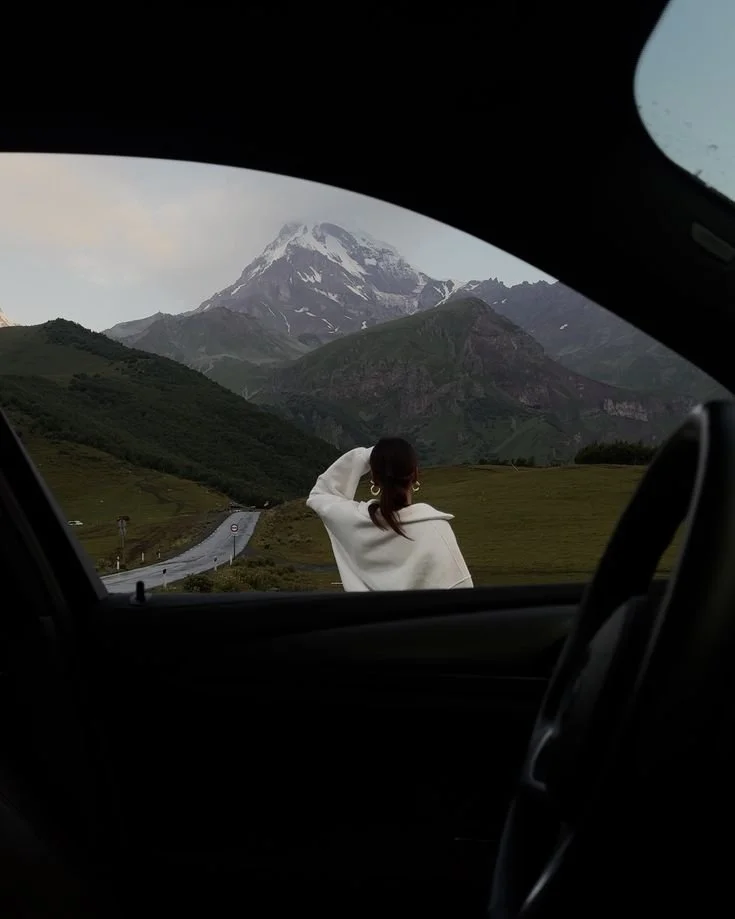
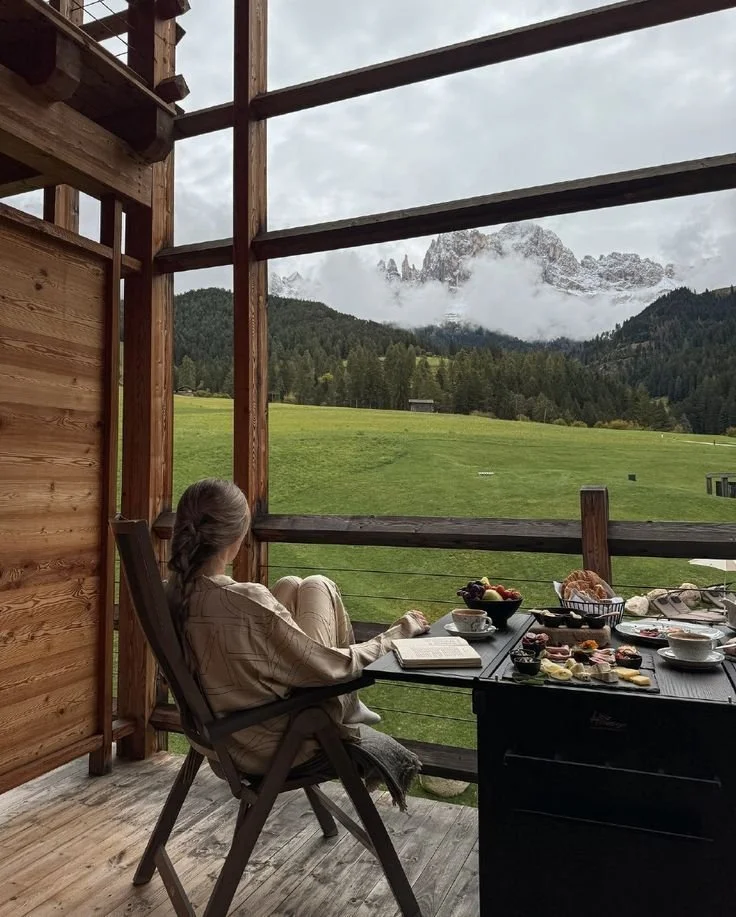
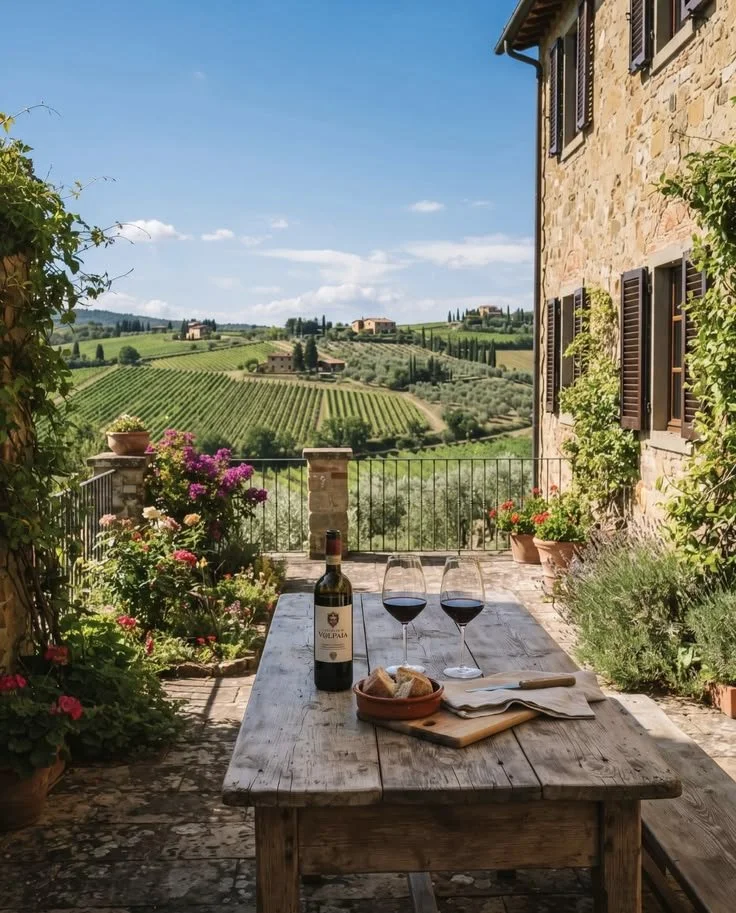
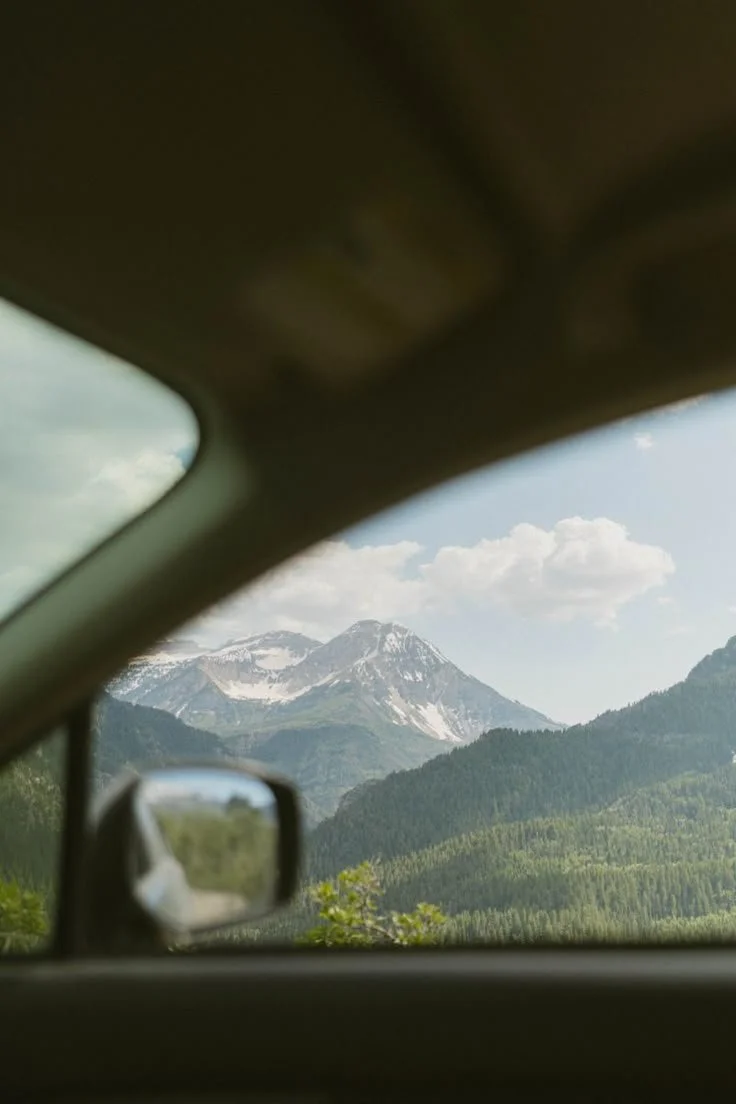
If the view never changes, boredom kicks in quickly, for kids and adults alike. When planning your journey, a scenic route can do more than make the drive prettier; it can break up the mental monotony and give everyone something to anticipate between stops.
How to choose a route that stays interesting
Look for variety, not just speed
Alternate highways with scenic byways
Include stretches with mountains, coastlines, lakes, forests, or small towns
Plan “micro-destinations” along the way
A lookout point with a short walk
A quirky roadside attraction
A historic downtown for a quick lunch and photos
A playground stop for younger kids to burn energy
Schedule stops around attention spans
Toddlers often do best with shorter drive blocks and more frequent breaks
Teenagers may prefer fewer stops, but better ones with food, Wi-Fi, or something unique
Ways to make scenery part of the entertainment
Create a simple road-trip challenge
Spot certain landmarks, animals, or license plates
Take turns choosing the next photo opportunity
Let kids “rate” the best view of the day
Keep expectations realistic
Scenic routes can add time, so plan buffer time for unexpected traffic or detours
If you are trying to cover a large distance, mix one scenic day with one efficient day
A route that is slightly longer but more engaging often feels shorter, because the day has more moments that break up the drive.
No. 2
Choose Your Method of Transport
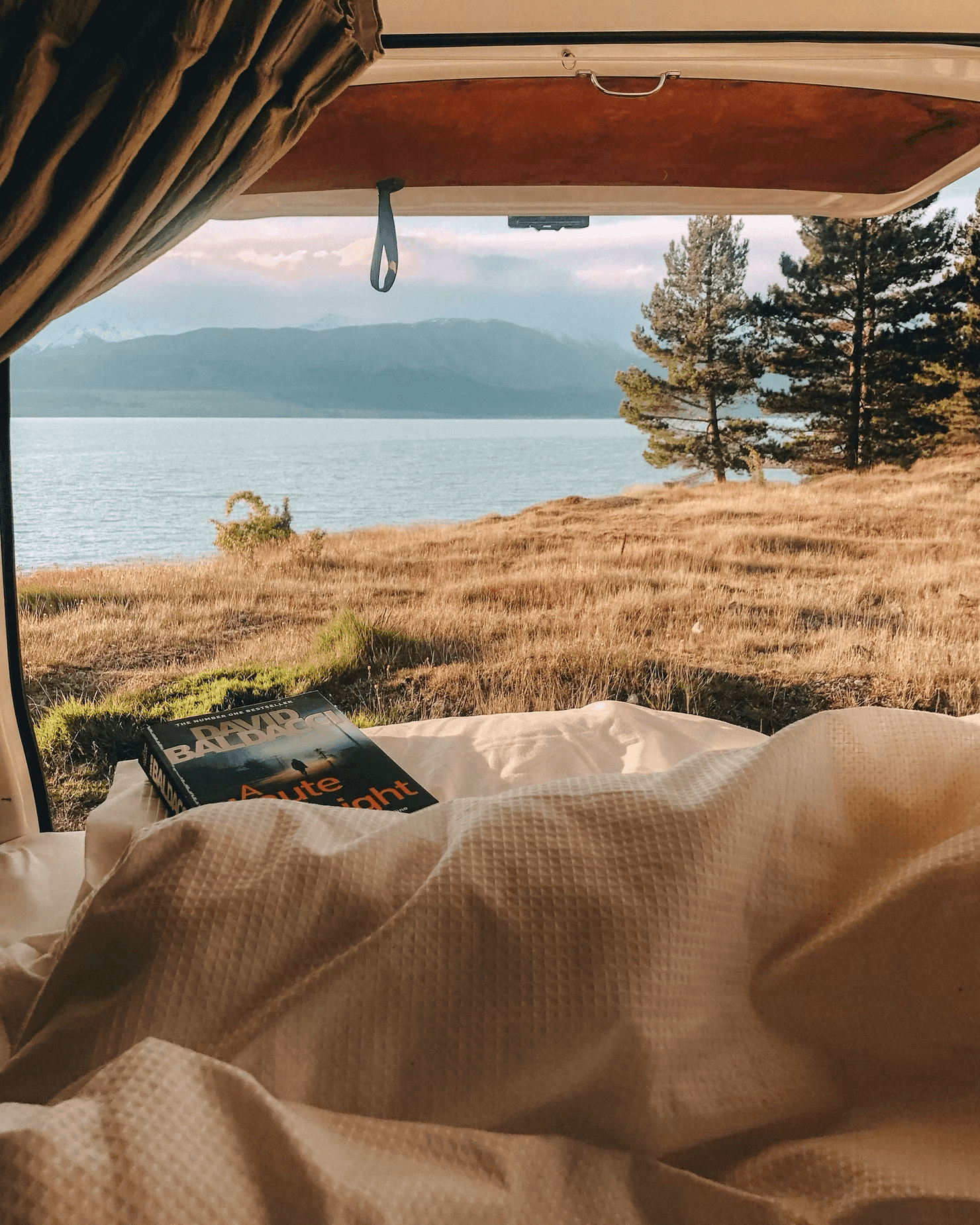
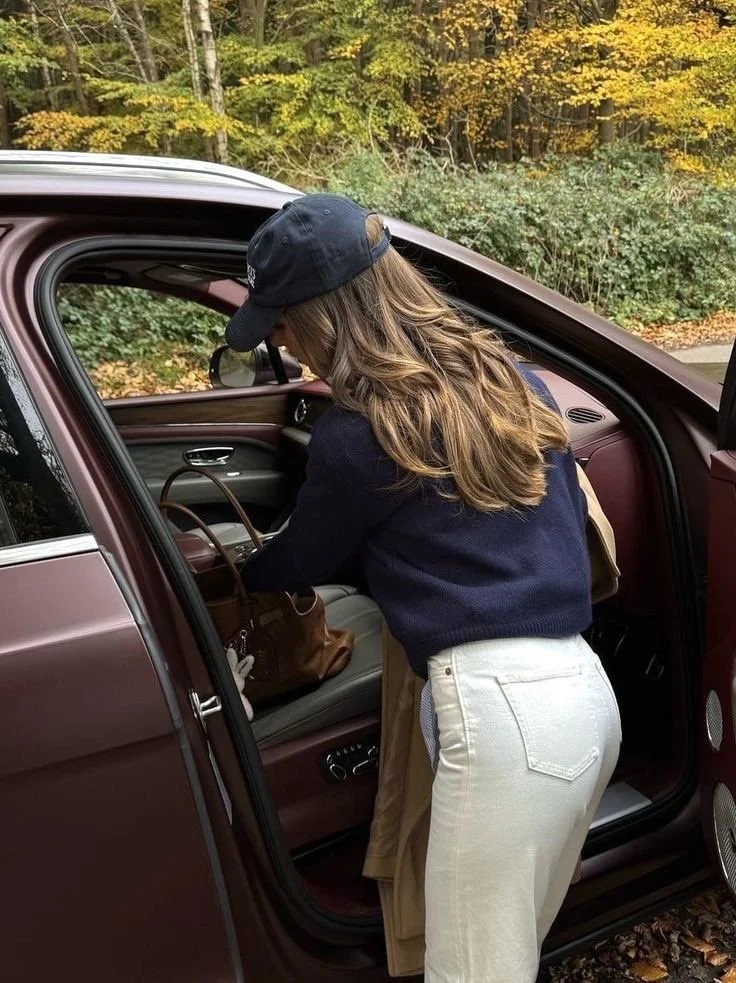
A road trip does not automatically mean driving your everyday car. Depending on your budget, distance, and sleeping plans, your best option might be a car, campervan, or RV. Comfort and practicality matter far more on long journeys than most families expect.
Questions to ask before you decide
How many hours per day will you realistically drive?
Will you need to swap drivers regularly?
Are you driving through the night or starting early while kids sleep?
How much luggage, gear, and food will you bring?
What does your destination require?
Hotels and city parking needs are different from campsites and RV parks
Comparing common road trip options
Family car
Best for budget-friendly travel, predictable handling, and easier parking
Works well for shorter trips or routes with hotels along the way
Campervan
Adds flexibility for meals and breaks, and can reduce accommodation costs
Helpful if you want a more adventurous trip without a full-size RV
RV
Great for long distances, multi-stop itineraries, and families who want a “home base”
Can be ideal if you are heading to an RV park and want amenities
Requires comfort with larger vehicle driving, fueling, and parking logistics
Practical comfort upgrades that matter
Seat comfort and spacing
Add seat cushions for long hauls
Use organisers so each passenger has a dedicated space for essentials
Temperature control
Pack layers and small blankets because car temperatures fluctuate
Bring sun shades for side windows if you will drive through strong daylight
Storage strategy
Keep daily-use items within reach
Store rarely used items deeper in the trunk or rear compartments
Choosing the right transport is not about making the trip luxurious. It is about reducing friction so the family arrives with energy rather than exhaustion.
No. 3
Avoid Heated Discussions
Extended time in a shared vehicle can bring out tension, especially when people are tired, hungry, or overstimulated. The key is not to aim for a perfectly calm car at all times, but to plan for emotional dips and have simple tools to reset the mood quickly.
Why arguments happen more often on road trips
Limited personal space
Noise and repeated interruptions
Unclear expectations about stops, timing, and rules
Hunger, dehydration, or fatigue
Competing needs, such as a toddler needing quiet and a teen wanting music louder
Simple ways to keep the mood light
Build in “pressure release” breaks
Stop before people become cranky, not after
Use rest areas, parks, or short walks to reset
Rotate conversation and activities
Tell stories from childhood
Play low-effort games like “Would you rather?”
Let each person choose a topic for 10 minutes
Use headphones strategically
When everyone is overstimulated, quiet time can prevent conflicts
Agree on a rule: headphones are not rude, they are a reset tool
Set expectations before the car leaves
Define basic behaviour and communication rules
No shouting across rows
Ask once, then wait for a response
Respect quiet time when someone needs it
Agree on a stop policy
For example, bathroom stops every two hours, plus as needed
Decide how you will handle “emergency stops” calmly
A road trip does not require constant conversation and constant togetherness. A calm plan for breaks and quiet time often prevents the “argument followed by silence” dynamic that makes even short drives feel endless.
No. 4
Create a Collaborative Playlist
Music is one of the fastest ways to influence mood in a car, for better or worse. On long journeys, disagreements about what plays next can become a surprisingly consistent source of stress, especially if you rely on radio stations that change across regions.
How to build a playlist everyone can tolerate
Use a collaborative system
Each family member adds a set number of songs
Mix upbeat tracks with calmer ones to match different parts of the day
Keep variety without chaos
Group music into sections: morning energy, midday groove, evening wind-down
Include a few shared “family classics” that everyone knows
Avoid playlist fatigue
Make the playlist longer than the total driving hours
Add new songs for each leg of a multi-day trip
Spotify is great for creating collaborative playlists, and has access to millions of artists and songs, so you’re bound to find your favourites.
Playlist rules that prevent conflict
Take turns choosing when needed
If someone dislikes a song, they wait until the next turn rather than arguing
Use a skip limit
For example, each person gets three skips per day
This keeps control fair and avoids constant interruptions
Make space for silence
On long days, a quiet half-hour can be more refreshing than more noise
When everyone knows they will hear songs they like, music becomes a shared feature of the trip instead of a recurring debate.
No. 5
Pack Smart for the Car, Not Just the Destination
Many families pack well for the vacation itself but forget to pack for the hours in between. A small “car kit” prevents frequent stops, reduces stress, and helps you handle minor issues without derailing the day.
Essential road trip items to keep within reach
Food and hydration
Refillable water bottles
Low-mess snacks such as granola bars, fruit, crackers, and nuts
Wet wipes and napkins
Comfort and cleanliness
Small blanket or hoodie per person
Hand sanitiser
A small trash bag or car bin
Health and basics
Motion sickness supplies if needed
Pain relief and plasters
Sunscreen if you will be outdoors at stops
Entertainment and downtime
Audiobooks or podcasts
Simple travel games
A notebook for drawing or journaling
A simple packing structure that works
One pouch per person
Headphones, charger, snacks, small comfort items
One shared “grab bag”
Wipes, tissues, medicine, trash bags, spare charging cables
One “stop bag”
Quick access to sunscreen, hats, and a small towel for impromptu stops
Smart packing is not about bringing more. It is about bringing the right items to prevent avoidable friction during the drive.
No. 6
Plan Stops That Serve a Purpose
Random stops can be fun, but the most effective breaks are the ones that solve a real need: movement, food, scenery, or a mental reset. A well-planned stop makes the next driving block easier and helps the whole day feel structured.
Types of stops that improve the whole trip
Movement stops
Parks, short trails, playgrounds
A quick walk around a scenic viewpoint
Food stops
Sit-down lunch to reset mood and energy
Picnic stops to save money and let kids move
Reward stops
A fun treat, interesting store, or local landmark
Especially useful if kids are struggling with long stretches
Timing guidance that reduces complaints
Stop before hunger peaks
Avoid stretching one driving block too long “just to make time”
Use stops as incentives
“After this next hour, we stop for photos and snacks” works better than vague promises
Stops are not wasted time. They are part of what makes the trip feel like a vacation rather than a long commute.
Takeaways
A successful family road trip starts with planning that keeps the journey engaging, not just efficient. In this article, we will explore how scenic routing, smart stops, and the right transport choice can reduce boredom and improve everyone’s mood.
Comfort and collaboration matter as much as logistics, especially when you are sharing a small space for hours. Packing a practical car kit, setting expectations, and using headphones or quiet time can prevent small irritations from becoming major conflicts.
Entertainment should be proactive rather than improvised, and a collaborative playlist is one of the simplest ways to keep the atmosphere positive. When you plan for both the practical needs and the emotional rhythm of the day, the trip becomes a highlight, not a hurdle.
Looking for Travel resources?
Looking to embark on a transformative journey to discover new cultures, expand your horizons, and reconnect with yourself? Explore, learn, and awaken your wanderlust with our travel partners designed to support you on your next getaway.