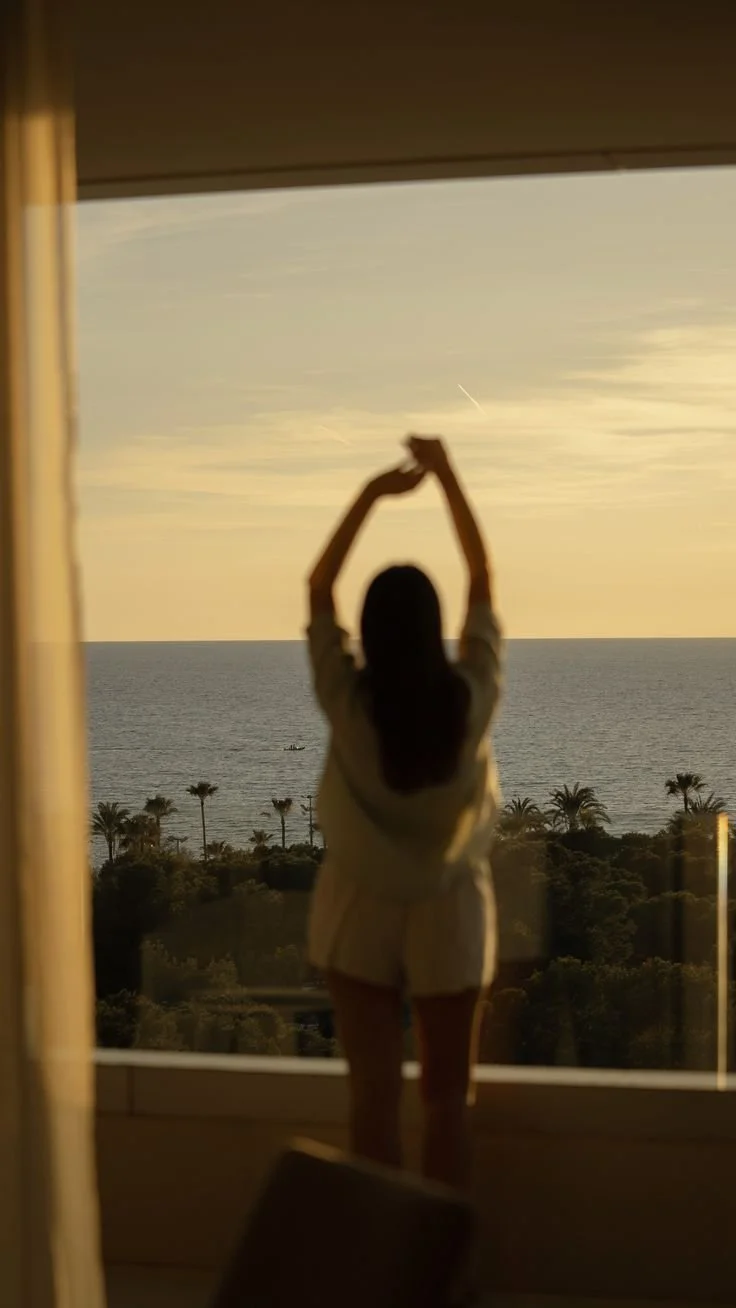
How To Enjoy A Slow And Intentional Coastal Getaway
Modern travel can feel like a race to “do it all,” but a truly satisfying coastal escape requires a deliberate shift in rhythm. A slower coastal getaway is not about doing less for the sake of it. It is about choosing experiences that restore your attention and deepen your connection to place.

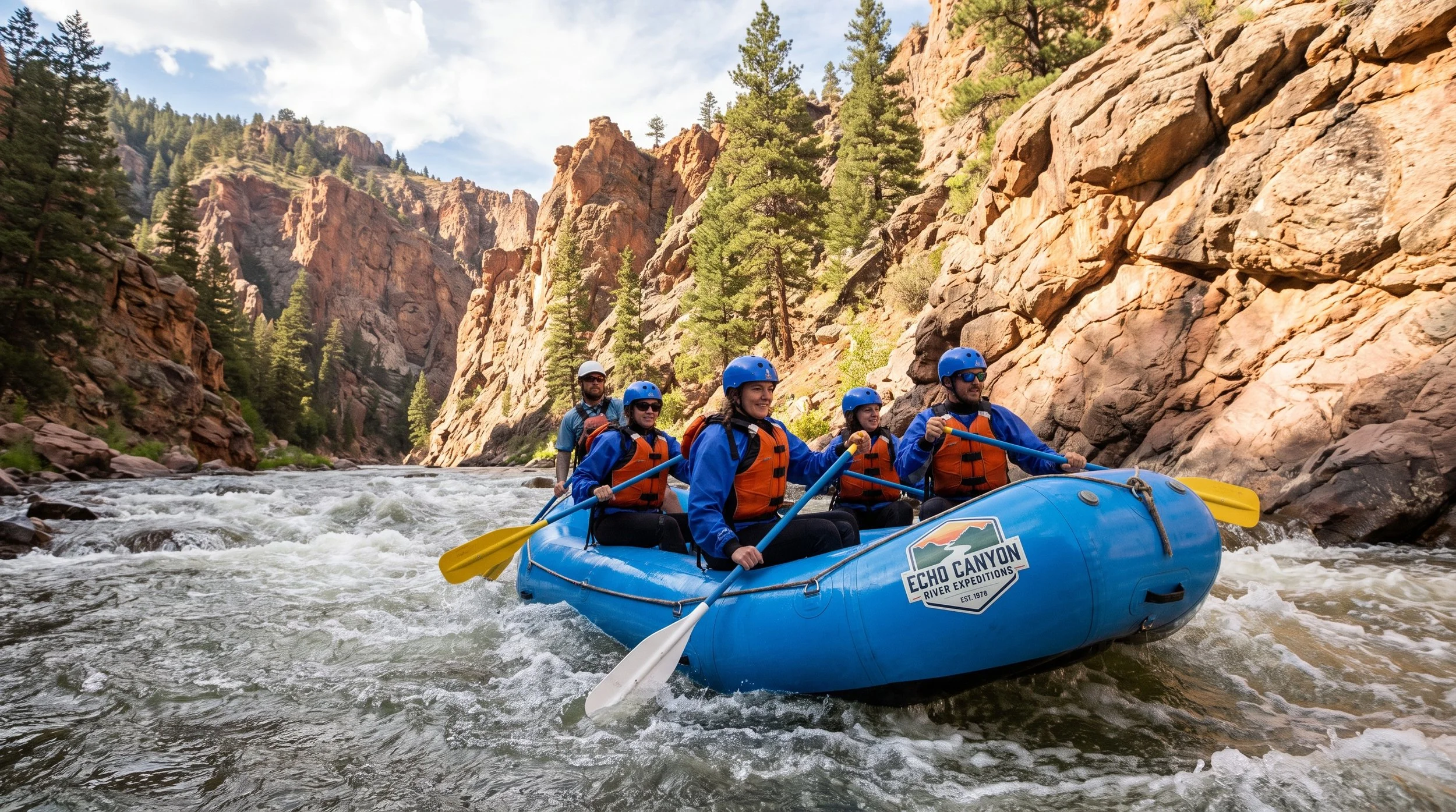
Activities such as Charleston boat tours naturally support this mindset, offering a sea-scented viewpoint that anchors you in the moment. Rather than hustling through crowded streets and tight schedules, you can drift past historic forts and tidal estuaries, letting the water set an unhurried, restorative pace for your trip.
In this article, we will explore how to experience a seaside destination at a slower, more intentional pace, so you can trade frantic sightseeing for genuine presence. When you slow down on purpose, you start noticing the finer points of the shoreline: the sway of marsh grasses in the breeze, the sharp freshness of salt in the air, and the quiet dignity of waterfront architecture that has endured for decades.
No. 1
Curating Your Ideal Maritime Itinerary
A slow trip is guided more by what feels meaningful than by what looks impressive on a checklist. Instead of cramming your days with nonstop activities, build an itinerary that leaves room for weather, mood, and unexpected discoveries. Coastal destinations are especially rewarding when you allow the environment to lead: tides change, light shifts across the water, and wildlife appears when conditions are right.
Choose the right on-the-water experience
To make your maritime plans feel intentional rather than over-structured, start by selecting the type of excursion that matches your energy and curiosity. Many travelers default to the biggest, most advertised options, but smaller-scale experiences often create more calm and more comfort.
Consider experiences such as:
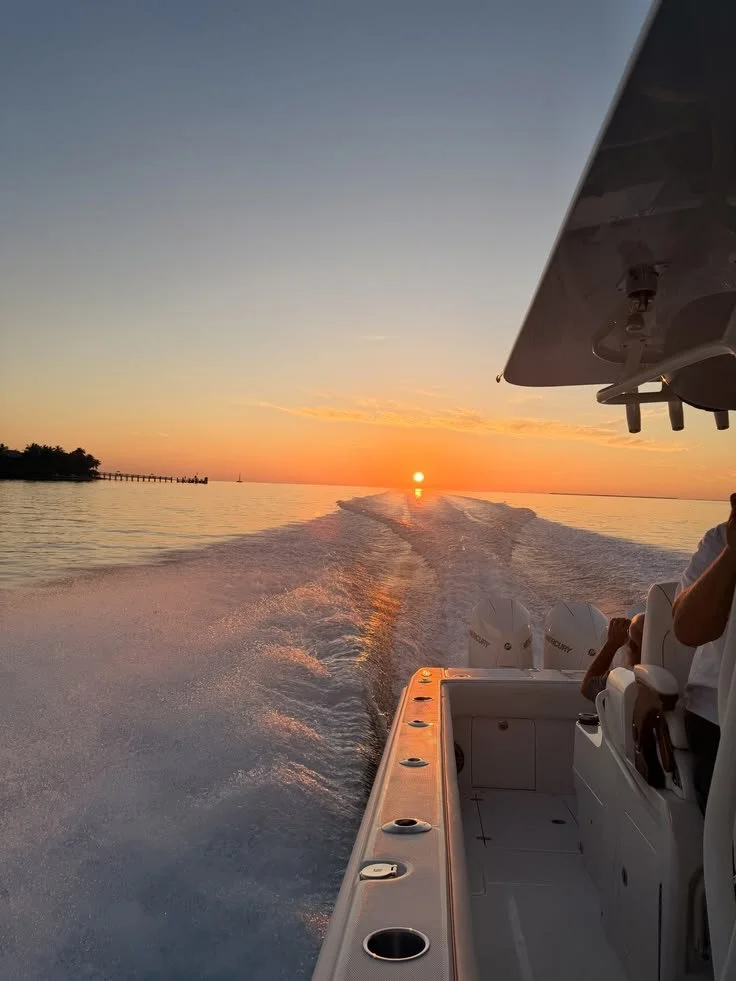
Sunset cruises for a quiet, scenic close to the day
Early morning trips when waterways are calmer and wildlife is more active
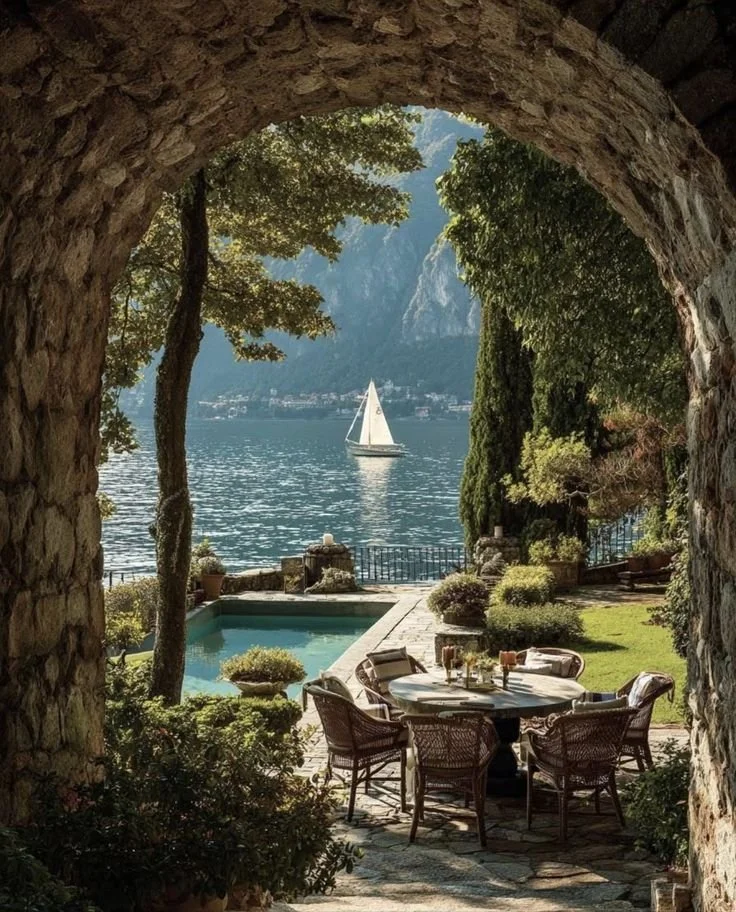
Sailing outings, if you enjoy a more classic, wind-driven pace
Private charters, if you want flexibility without a fixed group itinerary
Private charters and sailing trips can be a strong choice when you want the experience to feel unforced. The best outings provide just enough guidance to keep you informed, without turning the trip into a lecture. You can ask questions, observe the shoreline, and enjoy the ride without feeling pressured to “perform” as a tourist.
Build a rhythm that leaves room for nature
If you are nature-minded, eco-conscious trips through marshlands can be an ideal fit for slow travel. These excursions often include purposeful pauses so guides or naturalists can interpret what you are seeing, from the delicate role marsh grass plays in coastal resilience to the feeding behaviors of local birds.
To deepen your appreciation without adding more “to do,” focus on learning themes rather than chasing sightings:
How barrier islands protect inland areas from storm surge
Why salt marsh ecosystems function as natural nurseries for marine life
The seasonal patterns of migratory coastal birds
How dolphins, crabs, and shorebirds interact with shifting tides
This approach enriches your experience while keeping your schedule light, which is exactly what a slower getaway is meant to achieve.
No. 2
Navigating Logistics for a Seamless Experience
Slow travel feels effortless on the surface, but it often depends on smart planning behind the scenes. A few careful choices can protect your trip from crowds, weather disruptions, and unnecessary stress.
Time your trip for comfort and clarity
If possible, plan your coastal visit for spring or fall. These seasons typically offer more moderate temperatures and a calmer pace in many destinations. Summer travel can be rewarding too, but it often comes with heavier heat, higher humidity, and a greater risk of sudden storms that can delay or cancel excursions.
To keep the experience smooth, aim for:
Midweek departures rather than weekends
Morning start times for cooler air and softer light
Shoulder-season travel windows for fewer crowds and better availability
Select the right vessel and operator
The type of boat you choose affects the tone of your experience more than most people expect. Smaller boats can feel quieter and less hectic, while larger vessels may be louder, busier, and more structured.
When comparing options, consider:
Smaller boats, such as schooners, if you prefer a calmer atmosphere
Larger catamarans if stability and onboard amenities are priorities
Operators that clearly explain routes, duration, and what is included
Tours with deck access so you can spend time outdoors rather than behind glass
Confirm details before booking
Slow travel depends on confidence that the basics are handled. Before you book, look closely at the practical policies and accessibility details that shape comfort on the day.
Check for:
Weather and cancellation policies, including rescheduling options
Safety protocols and crew experience
Boarding process and physical access considerations
Restroom availability, especially for longer outings
Maximum group size, which affects noise level and personal space
Making these decisions in advance helps you arrive calm and ready to enjoy the coastline rather than troubleshoot logistics at the dock.
No. 3
Cultivating Mindfulness and Presence Onboard
Once you step onto the deck, the practice of slow travel becomes real. Reputable operators will cover safety briefings and navigation with professionalism, allowing you to settle into the sensory experience without distraction. The goal is not to document every moment, but to inhabit it.
Pack for comfort so you can stay present
A few simple items can prevent small discomforts from pulling you out of the moment. Coastal conditions change quickly, and being prepared lets you relax into the experience.
Bring:
Binoculars to scan the horizon and estuaries for birds and marine life
A light windproof layer, even on warm days
Sunglasses and sunscreen for open-deck exposure
Water and a small snack if the operator allows it
A phone, only as needed, ideally kept away between photos
When you feel physically comfortable, it becomes easier to notice details: the way the water shifts color, the quiet pulse of the boat against the tide, and the patterns of movement along the shoreline.
Observe wildlife with quiet intention
Watching wildlife is one of the most naturally grounding experiences on the water. Herons, ospreys, and other coastal birds often appear when the boat slows near shallows, and fiddler crabs may be visible along mudflats at low tide.
To preserve both serenity and safety:
Keep your voice low, especially near nesting or feeding areas
Avoid sudden movements that can startle wildlife
Give others space at the railings so everyone can observe
Follow crew guidance about where and when to look
This kind of etiquette supports a calmer atmosphere for fellow passengers and minimizes disturbance to the environment you came to appreciate.
Disconnect from devices to deepen the experience
Coastal travel is uniquely suited to digital quiet. As you drift past significant historic coastal landmarks and wide-open waterways, consider setting aside your phone for stretches of time. Focus instead on the physical experience: salt spray in the air, wind against your skin, and the steady rocking of the hull. These are the moments that tend to stay with you long after the trip, even more than the photos.
No. 4
Extending the Experience Beyond the Water
A slow coastal getaway does not end when you step back onto the dock. The most rewarding trips carry the unhurried mindset into the rest of the day, shaping how you eat, walk, browse, and interact with the town.
Explore the shoreline on foot
Walking is one of the simplest ways to keep your pace intentional. Coastal towns often reveal their character in quiet corners rather than busy main strips. When you explore on foot, you are more likely to notice small details: shaded side streets, hidden gardens, and unexpected views through alleyways that open toward the water.
Try:
A morning walk along the waterfront before shops get busy
A low-tide shoreline stroll if the area allows safe access
A self-guided architecture wander to notice older homes and docks
A stop-and-sit approach, pausing on benches without an agenda
Choose local spaces that reward lingering
Slow travel is reinforced by places that invite you to stay. Locally owned cafés, small galleries, and independent shops often offer a better sense of place than high-traffic tourist zones. If you have time, strike up a conversation with a barista, shop owner, or guide; local recommendations often lead to quieter beaches, less-crowded overlooks, or the best time of day to visit a popular spot.
Make meals part of the coastal rhythm
Dining can become a continuation of the coastal experience when you treat it as an occasion rather than an interruption. Opt for fresh, simply prepared seafood and eat without rushing. Let the flavors mirror the environment you have just immersed yourself in, and choose settings that encourage conversation and calm rather than noise and turnover.
To keep meals aligned with intentional travel:
Prioritize seasonal dishes and local catches
Choose earlier dining times for quieter service
Walk to dinner when possible to maintain a relaxed pace
Keep your itinerary open afterward so the evening does not feel rushed
By resisting the urge to move immediately to the next activity, you allow the water’s calm to shape your day, deepening the sense of rest and connection that defines mindful coastal travel.
No. 5
Returning to the Shore Refreshed
Getting out on the water is about far more than collecting the perfect photograph. At its best, it is an invitation to reconnect with the natural world and with your own attention. When you select an excursion that fits your interests and respect the ocean’s unhurried pace, a typical vacation begins to feel like something more restorative and memorable.
Experiences like Charleston boat tours can help you take in history, ecology, and local culture without the fatigue that comes from over-scheduling. Seeing the coastline from the water naturally reduces the impulse to rush, because the environment itself encourages patience and quiet observation.
When you return to the docks, the change is often subtle but real. You feel less scattered, more grounded, and more aware of what you actually enjoy. The steady rhythm of tides becomes a takeaway you carry home: a reminder that the most satisfying trips are not always the busiest ones.
Takeaways
Slow coastal travel works best when you intentionally trade packed itineraries for experiences that encourage presence, such as time on the water and unstructured exploration. By letting the shoreline set the pace, you notice more and feel more connected to where you are.
Thoughtful planning supports a seamless trip, especially when you consider seasonality, crowds, and vessel type before booking. Small choices like midweek mornings, smaller boats, and clear weather policies can protect the calm you are trying to create.
The benefits of an intentional getaway extend beyond the boat ride when you continue the slower rhythm through walking, dining, and local discovery. When you return home, you bring back more than photos; you bring back a genuinely restorative sense of ease.
Looking for Travel resources?
Looking to embark on a transformative journey to discover new cultures, expand your horizons, and reconnect with yourself? Explore, learn, and awaken your wanderlust with our travel partners designed to support you on your next getaway.