How To Go On A Road Trip That Makes You Feel Like A Real Adventurer
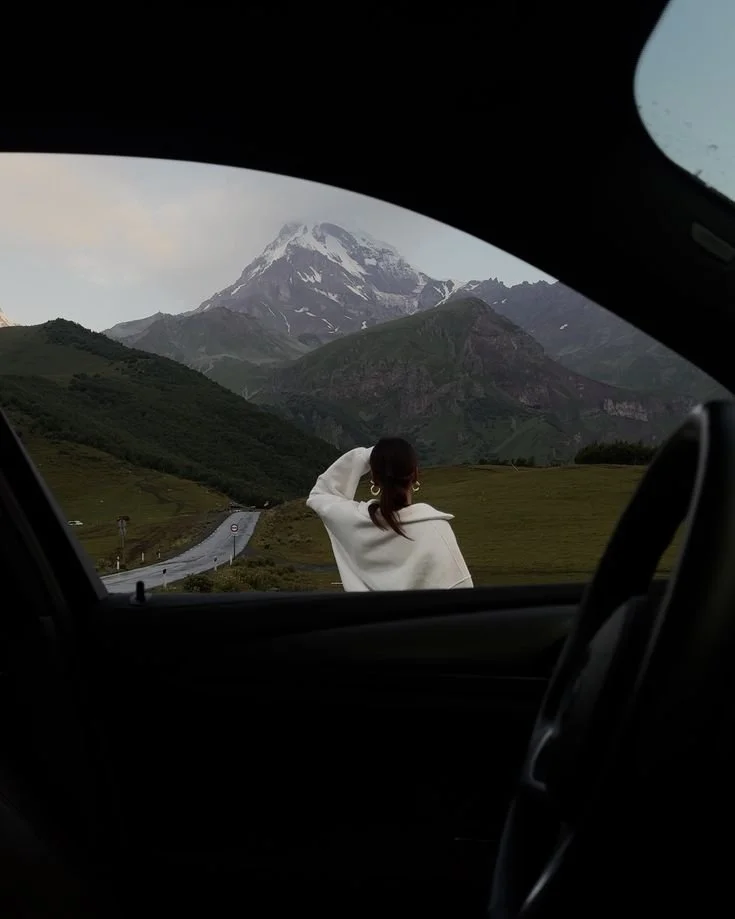
When you’re craving an adventure, a road trip—whether it takes you across the state or to the other side of the country—can feel like the perfect answer. And it is. Few travel formats offer the same blend of freedom, discovery, and momentum that comes with chasing the horizon on your own schedule.

However, not every road trip automatically delivers that explorer feeling. It’s surprisingly easy to plan a drive that becomes a string of highways, predictable stops, and nights spent in identical rooms—comfortable, yes, but not exactly the kind of journey that makes you feel like you’ve found something new.
That’s why it’s worth slowing down before you lock in routes and bookings. What kind of road trip would actually satisfy your wanderlust? What would make you feel curious again—like you’re following the road instead of managing a checklist?
In this article, you’ll learn how to shape a road trip around adventure: choosing the right vehicle, reclaiming spontaneity by stepping away from your phone, and building the outdoors into your itinerary so the journey feels raw, real, and memorable.
No. 1
Take the Right Vehicle (Freedom Starts With What You Drive)
You don’t have to road trip in your car. In fact, you don’t have to road trip in a car at all. If the feeling you’re chasing is “intrepid explorer,” then the vehicle you choose can either reinforce that vibe—or flatten it into something ordinary.
Why an RV can instantly make your trip feel more adventurous
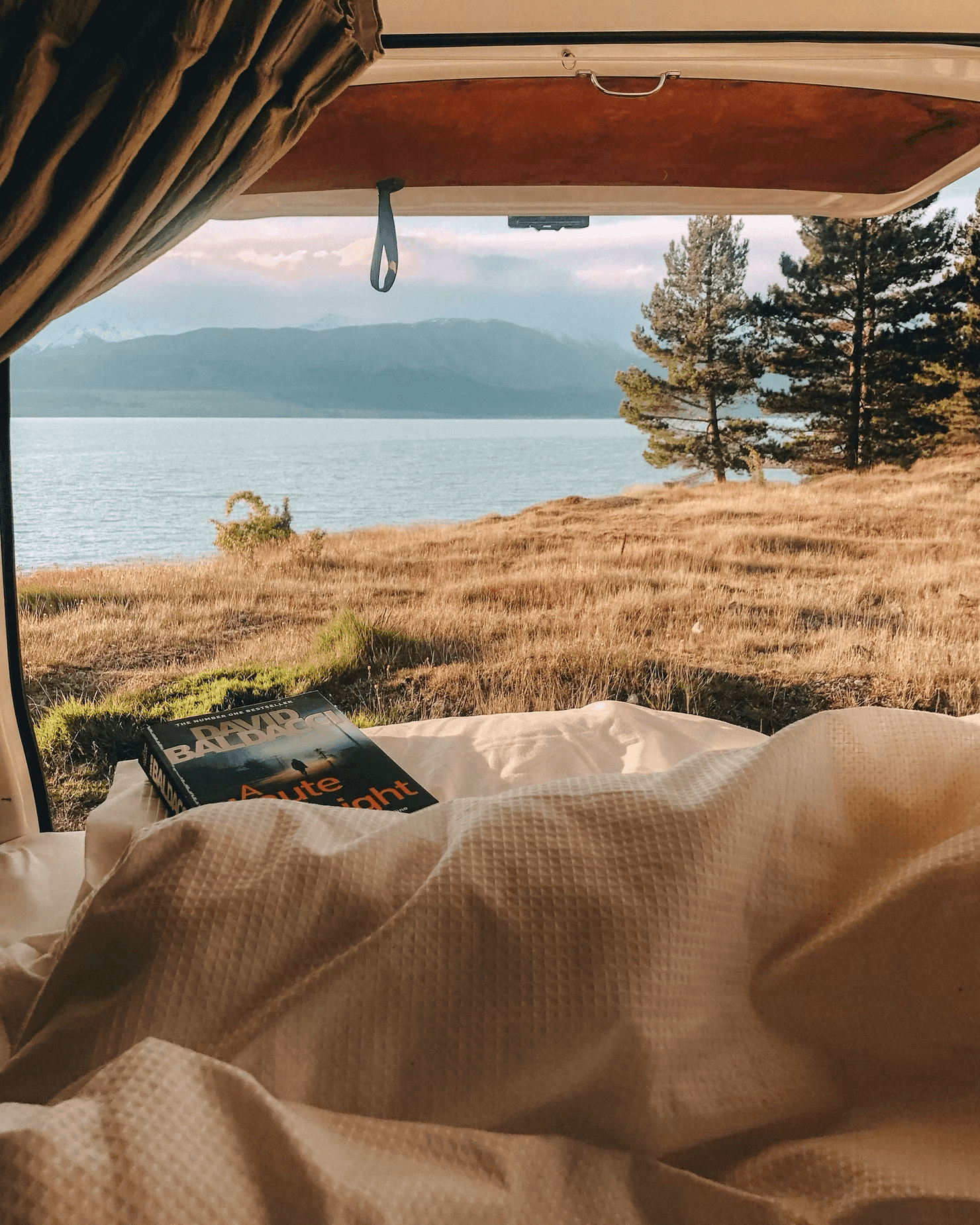
If you hire an RV, you’re not just renting transport—you’re bringing a portable basecamp. You have shelter, a kitchen, storage, and the ability to stop without worrying about whether the nearest town has a vacancy. That changes how you travel.
With an RV behind you, you can:
Pull over at a scenic overlook and actually stay awhile
Make a proper meal instead of relying on fast food
Sleep close to the landscapes you came to see (lakes, forests, coastlines)
Extend your trip more easily if you discover a place worth lingering in
There’s also something psychologically powerful about it: an RV makes the trip feel self-contained and self-directed, like you’re traveling on your terms rather than fitting into someone else’s schedule.
Match the vehicle to the terrain and your comfort level
Adventure doesn’t mean discomfort for the sake of it. The best vehicle is the one that supports your preferred balance of rugged and relaxed.
A quick guide:
Small campervan: Great for couples, easier parking, more nimble for cities and coastal roads.
Mid-size RV: Comfortable for longer trips, more storage, better for mixed destinations.
Larger RV: Best for families or extended travel, but requires more planning for routes and parking.
If you prefer to keep it simple and still feel adventurous, you can also consider a standard car paired with a camping setup. The key is ensuring your vehicle enables spontaneous stops rather than limiting them.
No. 2
Put Your Phone Down (Let the Road Surprise You Again)
Modern road trips often come with a hidden problem: they’re over-optimized. When your maps are open constantly, and you look up every attraction, restaurant, and viewpoint before you arrive, the trip becomes pre-decided. Efficient, yes—but not very exploratory.
To make your road trip feel like a real adventure, you need to create space for uncertainty—just enough to let discovery happen.
What you gain by not Googling everything
You don’t need your maps open at all times. You don’t need to read reviews for every diner you pass “just in case.” And you don’t need to research every landmark before you’ve even seen it with your own eyes.
When you put the phone down, you regain:
Serendipity: the feeling of finding something you didn’t plan for
Presence: you notice more when you’re not constantly checking screens
Confidence: you learn to trust your instincts and choices
Stories: the best memories are often the unplanned detours
How to stay safe without micromanaging the experience
“Less phone” shouldn’t mean “no common sense.” A good middle ground is to plan a few key anchors and keep everything else flexible.
Try this approach:
Download offline maps for the region (for emergencies)
Save your overnight stops or campgrounds
Keep a paper map in the glove box (it’s surprisingly fun)
Set a “check-in” rhythm (e.g., verify route only at fuel stops)
Ask locals—because Google can’t replicate local knowledge
One of the fastest ways to upgrade your road trip is to get talking to some locals. Whether you’re in a restaurant, a bar, a roadside store, or a campground, locals know the place in a way an algorithm never can.
Ask questions like:
“If you only had one afternoon here, where would you go?”
“What’s the best viewpoint that tourists usually miss?”
“Any scenic roads worth taking instead of the highway?”
“Where do you go when you want a quiet walk?”
Local recommendations tend to be more specific, more honest, and far more memorable than search results.
No. 3
Camp Out (Because Hotels Don’t Feel Like a Quest)
Nothing says adventure like sleeping outdoors. If you stay in hotels and private rentals every night, your trip can start to feel like any other vacation—comfortable, polished, and predictable. That may be exactly what you want sometimes, but if your goal is adventure, camping changes the tone immediately.
Why camping makes the trip feel different
Camping brings you closer to the landscapes you’re traveling through. It also encourages slower evenings: sunsets, shared meals, early mornings, and natural quiet. Even if you’re not a wilderness expert (and you don’t need to be), being outside helps the trip feel more alive.
Camping adds:
Atmosphere: stars, fresh air, natural sounds
Simplicity: fewer distractions, fewer “indoor routines”
Variety: every night feels distinct based on the environment
Connection: campgrounds naturally create small moments of community
Choose the right level of “back to basics”
You don’t have to go full survival mode. Camping can be tailored to your comfort level.
Options include:
RV parks and campgrounds: Great for convenience and amenities
State/national park campgrounds: Often more scenic and nature-forward
Dispersed camping (where allowed): More remote, requires more preparation
Glamping: A nice bridge if you want outdoor vibes without the rough edges
If you’re traveling by RV, a proper RV park and campground lets you settle in, reset, and enjoy the outdoors without needing to rough it.
No. 4
Build Your Route Around Curiosity (Not Just Efficiency)
A common mistake is designing a road trip around the fastest route between two points. That may be practical, but it’s rarely adventurous. Adventure routes are shaped by what makes you curious—scenic byways, lesser-known towns, strange museums, hidden trails, regional food, roadside history.
A better way to plan your itinerary
Instead of planning every hour, plan in layers:
Layer 1: Non-negotiables (the anchors)
2–4 “must-see” places across the whole trip
A rough start and end date
A budget range for fuel, food, and stays
Layer 2: Flexible highlights
A list of scenic roads
Interesting small towns along the way
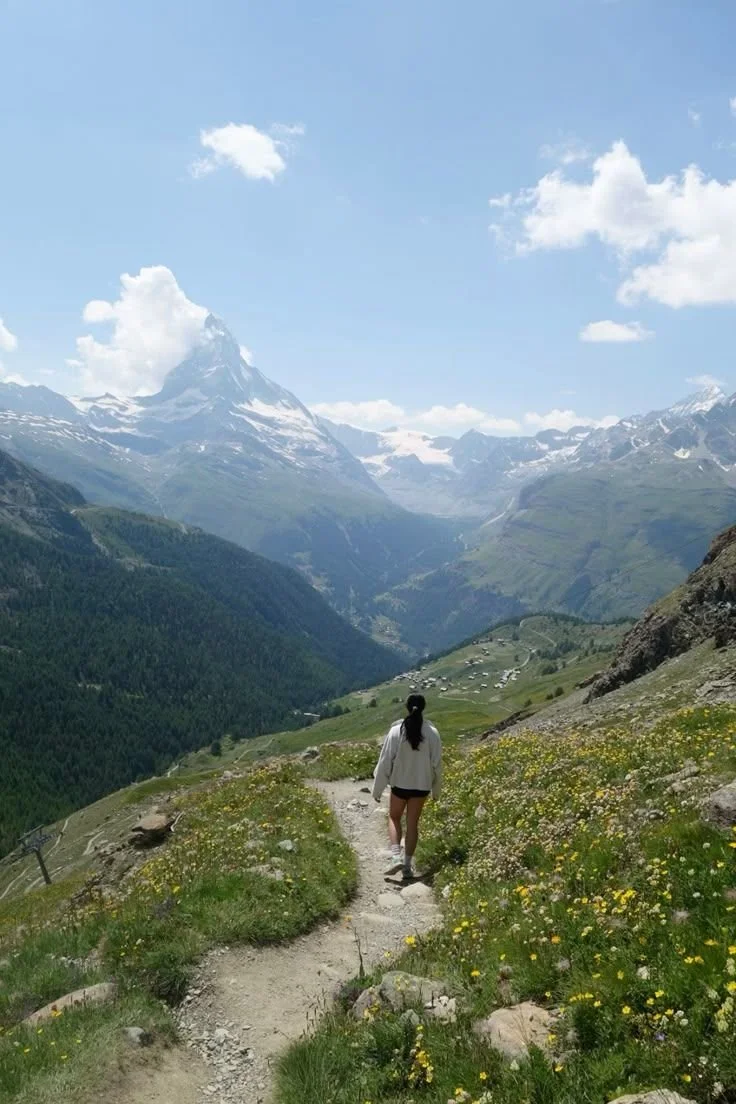
A few nature stops (lakes, trailheads, viewpoints)
Layer 3: Discovery space
At least 1–2 hours per day unplanned
A “detour allowance” for spontaneous stops
Permission to stay longer somewhere if it feels right
The goal is to avoid turning your road trip into a race. If you’re always trying to “make time,” you’ll miss the very moments that make a road trip worth taking.
No. 5
Pack Like an Adventurer (Practical, Light, and Ready)
Packing for an adventure road trip is different from packing for a city break. You want to be ready for weather changes, muddy terrain, and spontaneous activities—without bringing so much stuff that your vehicle becomes chaotic.
Essentials that make road trips easier
Layers for warmth and changing conditions
Waterproof jacket and comfortable walking shoes
Headlamp/flashlight (crucial for campsites)
First-aid kit and basic tools
Reusable water bottles and snacks
A “grab bag” for quick stops (sunscreen, hat, bug spray)
If you’re using an RV, you can be a bit more generous with gear—but still keep your space organized. Nothing drains the excitement faster than constantly searching for essentials in clutter.
Takeaways
An adventure road trip doesn’t happen by accident—you create it through the choices you make before and during the journey.
In this article, we explored how the right vehicle (especially an RV) can expand your freedom, why putting your phone down helps you rediscover spontaneity, and how camping shifts the entire feel of the trip from “vacation” to “quest.”
Add in a curiosity-driven route, a little unplanned time each day, and practical packing, and you’ll end up with a road trip that delivers what you actually came for: discovery, momentum, and the unmistakable feeling that something new is waiting just around the next bend.
Looking for Travel resources?
Looking to embark on a transformative journey to discover new cultures, expand your horizons, and reconnect with yourself? Explore, learn, and awaken your wanderlust with our travel partners designed to support you on your next getaway.