How Hormone Therapy Fits Into A Personalized Wellness Plan
Feeling tired even after a full night of sleep can be incredibly frustrating. You might feel foggy at work, moody for no clear reason, or stuck with hot flashes and a low drive. If that sounds familiar, you are in good company alongside plenty of busy professionals and parents.

When these changes are linked to hormones, it can be tempting to look for a single quick fix. In reality, the most helpful approach is a comprehensive strategy where hormone therapy is just one possible piece among many. In this article, we will explore how hormone therapy fits into a personalized wellness plan and how you can build a routine that truly suits your needs.
No. 1
Why Hormones Matter for Everyday Wellbeing
Hormones are chemical messengers that help regulate energy, mood, sleep, metabolism, muscle growth, and bone density. When your hormone levels shift due to aging, menopause, chronic stress, or an underlying health condition, the effects can show up in ways that feel completely unrelated. Understanding these connections is the first step toward reclaiming your vitality and improving your daily quality of life.
Many people do not realize that a slight hormonal imbalance can disrupt their entire daily routine. The endocrine system is highly interconnected, meaning that a drop in one hormone often triggers a cascade of reactions throughout the body. This complex web is why addressing the root cause is far more effective than merely treating isolated symptoms.
Common Signs of Hormonal Imbalance
Persistent fatigue or low energy that simply does not improve with adequate rest.
Trouble sleeping through the night, frequent night sweats, or sudden hot flashes.
Unexplained mood changes, heightened irritability, or difficulty concentrating on tasks.
A noticeably lower sex drive or uncomfortable symptoms like vaginal dryness.
Unexpected changes in weight, loss of muscle tone, or unusually slow recovery from exercise.
These symptoms can stem from many different causes, including thyroid problems, chronic stress, poor sleep hygiene, and severe nutrition gaps. Therefore, it is incredibly important not to assume that sex hormones are always the sole culprit. A thorough medical evaluation is necessary to pinpoint the exact origin of your discomfort.
No. 2
What Personalized Wellness Really Means
A truly personalized wellness plan starts with your unique biology rather than a standardized medical protocol. Two different people experiencing similar symptoms can have completely different underlying causes for their distress. This is exactly why guessing your treatment or relying on over-the-counter supplements rarely works in the long run.
A highly effective plan typically begins with an in-depth conversation about your daily symptoms, comprehensive medical history, and personal health goals. This initial dialogue is then followed by appropriate diagnostic testing to gather concrete data about your body. From there, a healthcare provider can look at the full picture to design a strategy tailored specifically to you.
This comprehensive view includes evaluating your sleep patterns, dietary habits, physical activity levels, daily stress, and any existing health conditions. Hormone therapy may or may not end up being part of the final plan, depending on what your lab results reveal. That measured, evidence-based approach is exactly how modern wellness should be structured.
No. 3
Where Hormone Therapy Can Fit In
Hormone therapy involves supplementing or balancing certain hormones under strict medical supervision. Depending on the individual, it may be considered for severe symptoms linked to menopause, low testosterone, or other documented hormonal changes. It is never a magic shortcut and is certainly not right for everyone, but it can be a highly useful tool.
For many patients, this therapy provides the necessary physiological support to make other lifestyle changes possible. When your energy levels are stabilized through proper treatment, it becomes much easier to cook healthy meals and stick to an exercise routine. Its role is usually best understood as a supportive pillar rather than a standalone cure.
Lifestyle Foundations for Hormonal Health
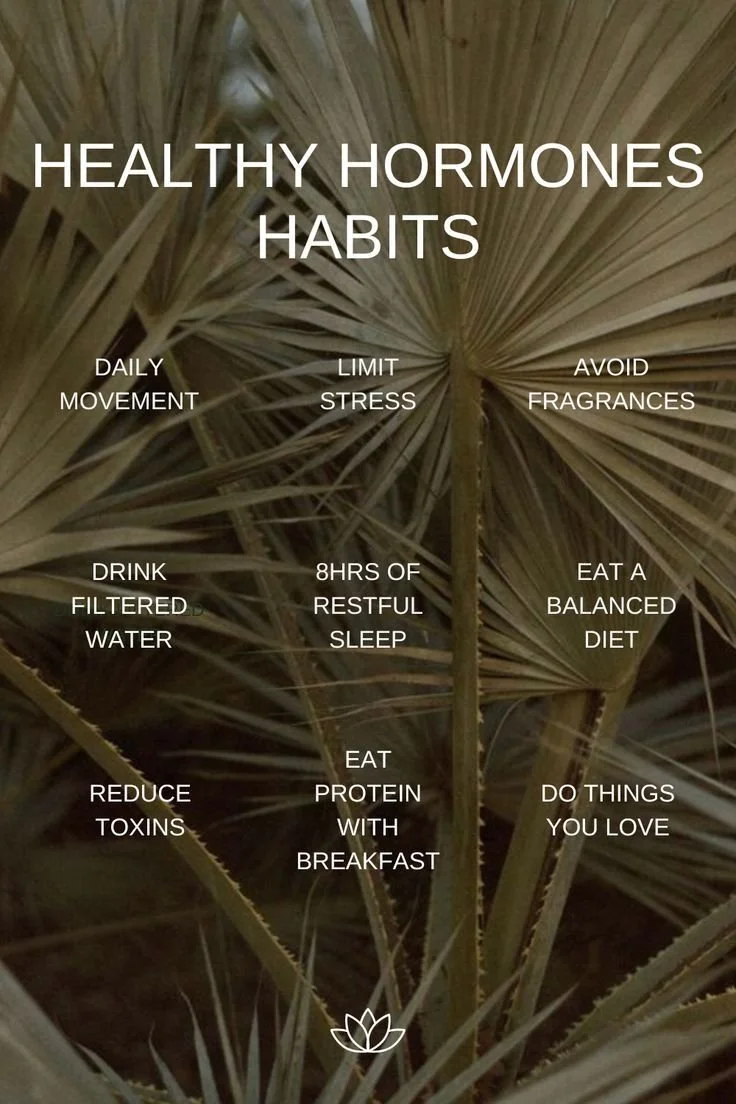
Regular strength training and cardiovascular exercise to improve metabolic function.
Balanced meals rich in lean proteins, healthy fats, and complex carbohydrates.
Consistent sleep habits that prioritize seven to nine hours of restorative rest.
Effective stress management techniques like meditation, deep breathing, or yoga.
These lifestyle habits form the undeniable foundation of any successful wellness journey. Hormone therapy, when deemed medically appropriate, works alongside these healthy practices rather than replacing them. Together, they create a synergistic effect that promotes long-term vitality and resilience.
No. 4
Weigh the Benefits and Risks With a Professional
Hormone therapy comes with distinct benefits and risks that vary widely based on the specific hormone, dose, delivery method, age, and personal health history. This high level of variability is exactly why individualized medical guidance matters so much. You should never begin a hormone regimen without a thorough risk assessment from a qualified physician.
Patients should always discuss the likely benefits and potential harms with their providers before deciding whether to use it. Understanding these parameters helps ensure that your treatment remains as safe as possible.
That official advice serves as an incredibly helpful guide for any hormone-related conversation you might have. You should always ask about your personal risk factors and what the treatment is realistically expected to achieve. Furthermore, you need to know exactly how long you might need the therapy and how your progress will be monitored over time.
No. 5
Look for a Clinic That Takes a Whole-Person Approach
Because hormone care is so highly individual, the specific medical practice you choose matters immensely. You should look for a reputable clinic that listens to your concerns first, runs comprehensive tests before treating, and explains all your options clearly. Be highly cautious of any provider promising dramatic, overnight, or universally guaranteed results.
If you are exploring hormone therapy in Dallas at Genesis Lifestyle Medicine, it helps to understand what the process may involve. Knowing the standard procedures allows you to ask highly informed questions during your initial consultation. A transparent clinic will always welcome your curiosity and provide detailed answers about their methodologies.
Standard Clinic Offerings and Procedures
Comprehensive women's hormone therapy tailored to menopausal or perimenopausal needs.
Targeted testosterone therapy for men experiencing symptoms of low androgen levels.
Bioidentical hormone replacement therapy designed to closely mimic natural hormones.
Sermorelin therapy to support natural growth hormone production and cellular repair.
The best clinical process begins with a detailed consultation covering your symptoms, medical history, and personal wellness goals. This is subsequently followed by precise hormone testing, the creation of a personalized treatment plan, and ongoing medical monitoring. As with any medical provider, you must ask who will be treating you and what their specific qualifications are.
No. 6
What a Good Plan Usually Includes
A well-rounded wellness plan brings several crucial elements together so that each component supports the others. This integrated approach ensures that your body receives comprehensive care rather than fragmented, symptom-based treatments. When all these pieces align, the results are far more sustainable and impactful.
Nutrition and movement habits must be optimized to support your energy, muscle retention, and overall metabolic health. Sleep and stress strategies are equally vital, since both strongly influence your natural hormone production and how you feel daily. Without addressing these foundational elements, even the best medical treatments will fall short of their potential.
Key Elements of a Successful Strategy
A thorough initial assessment, including a detailed review of your symptoms and comprehensive lab work.
Clear, measurable treatment goals so you and your provider can easily tell whether the protocol is working.
Regular follow-up appointments to monitor how you are feeling and adjust the treatment plan as needed.
A strong emphasis on patient education so you understand exactly how your body is responding.
Together, these interconnected pieces make hormone therapy significantly safer and far more purposeful. They transform the treatment from a simple stand-alone fix into a holistic lifestyle enhancement. This comprehensive methodology is the gold standard for modern preventative medicine.
No. 7
Questions to Ask Before Starting Treatment
Going into a medical appointment fully prepared makes the conversation much more useful and efficient. Writing down your concerns beforehand ensures that you do not forget any crucial points during the consultation. A proactive approach empowers you to take charge of your own healthcare journey.
You should ask what is truly causing your symptoms and what specific testing is required to find out. It is also wise to inquire about your alternative options besides hormone therapy and how those alternatives compare. Understanding the full landscape of available treatments helps you make the most educated decision possible.
Important Inquiries for Your Provider
What are the realistic benefits and possible side effects for someone with my specific medical history?
How exactly will my progress be measured, and how frequently will my treatment plan be reviewed?
What would the process look like if I decide to stop or change my treatment later on?
Are there any specific lifestyle changes I must make to ensure this therapy is effective?
A trustworthy and competent medical provider will always welcome these questions and answer them clearly. If a doctor seems rushed or dismissive of your concerns, it is usually a sign to seek a second opinion. Your health is too important to leave in the hands of someone who does not value your peace of mind.
No. 8
When to Speak With a Doctor
You should talk with a qualified healthcare provider if you have ongoing fatigue, mood changes, sleep problems, or hot flashes that affect your daily life. Ignoring these persistent symptoms can lead to further health complications and a significantly reduced quality of life. Early intervention is often the key to preventing minor imbalances from becoming major medical issues.
It is especially important to get professional advice before starting any hormone treatment if you have a history of blood clots, heart disease, or stroke. Those with a background of hormone-sensitive cancers or individuals taking other daily medications must also exercise extreme caution. Sudden or severe symptoms should always be checked promptly by a medical professional.
Never attempt to self-diagnose or self-treat complex endocrine issues using information found online. The human body is incredibly intricate, and hormonal adjustments require the precise expertise of a trained physician. Prioritize your safety by always seeking guidance from a licensed medical expert.
Takeaways
Hormone therapy can play a highly beneficial role in a personalized wellness plan when administered correctly. It always works best as one supportive part of a much larger, comprehensive health picture.
You should start by deeply understanding your symptoms and getting the proper diagnostic testing completed. From there, you can build a solid foundation of good sleep, balanced nutrition, regular movement, and effective stress management.
Always weigh the potential benefits and risks carefully with a highly qualified medical provider. When your wellness plan truly fits your unique biology, you are far more likely to feel supported, informed, and in complete control of your health.
Looking for wellness resources?
Are you looking to enhance your wellness routine? Explore our wellness partners who offer a wide range of resources to support your journey toward holistic living and well-being.