How Modern Fireplaces Are Quietly Redefining Living Room Focal Points
Walk through a newly renovated home in Seattle and you'll notice something has quietly shifted in how living rooms are designed. The old brick fireplace with a mantel full of photo frames is giving way to something sleeker, a clean linear firebox, a floating hearth, sometimes no visible chimney at all. It's a small change with a surprisingly large effect on how a room feels.
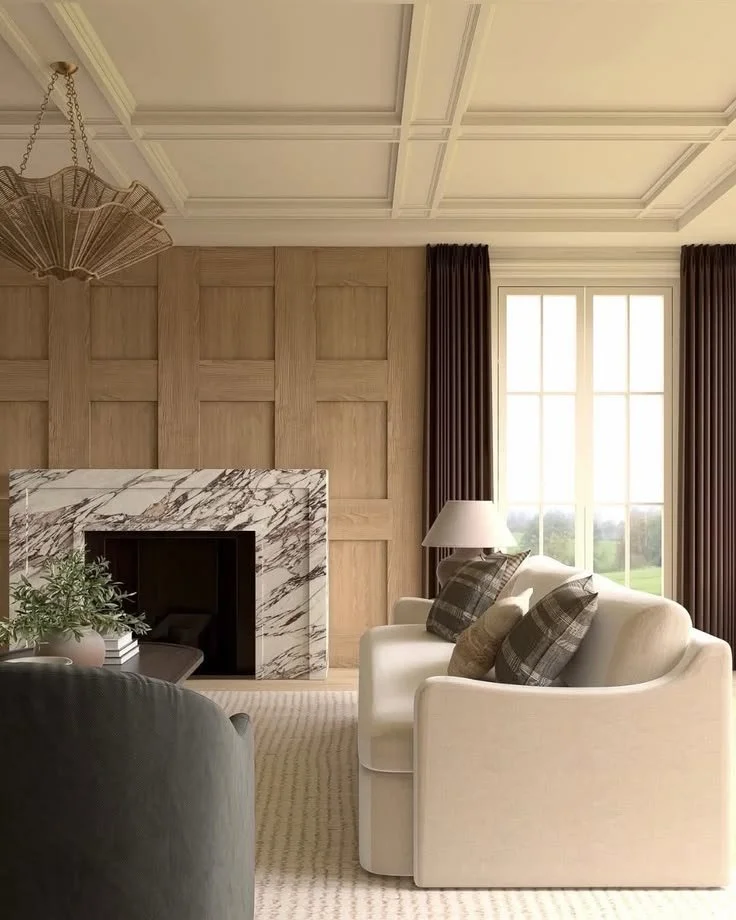
Today's fireplaces are designed to complement open layouts, minimalist interiors, and contemporary finishes rather than dominate the space. Beyond providing warmth, they help establish a visual centerpiece that ties furniture, lighting, and architectural details together while creating a more inviting atmosphere for everyday living.
In this article, we will explore why modern fireplace design has become such a defining feature in contemporary living spaces, what is driving the shift, and how to choose a style that performs well while elevating the room around it.
No. 1
The Fireplace Has Replaced the TV as the Room's Anchor
For years, living room layouts were built around wherever the television could go. That's been quietly reversing. Designers are increasingly treating the fireplace as the primary visual anchor, with seating, lighting, and even the television arranged around it rather than the other way around.
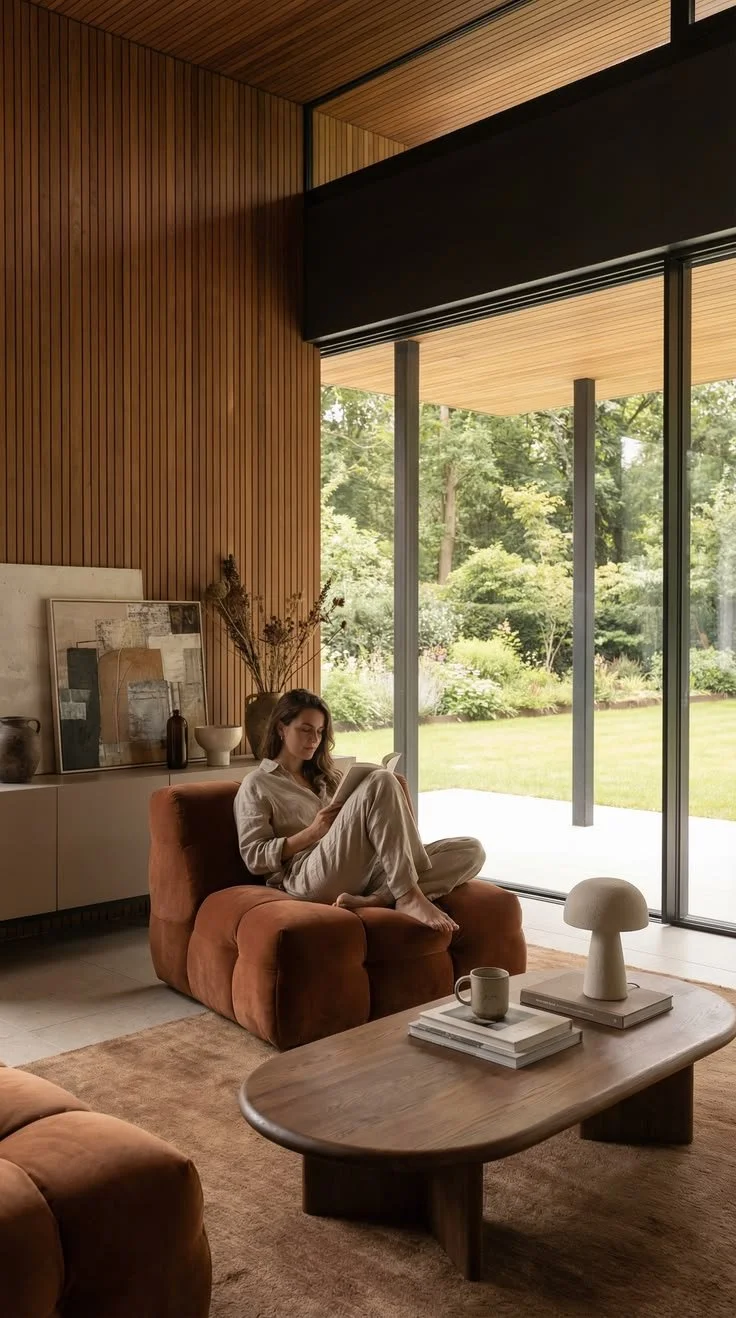
Furniture arrangements that face the fireplace as the natural focal point
Built-in shelving or media units that flank the fireplace symmetrically
Lighting design that highlights the fireplace's texture and materials after dark
No. 2
Linear and Minimalist Designs Are Dominating
Traditional fireplaces relied on ornate mantels and heavy surrounds to feel substantial. Modern designs do the opposite, favoring long, low linear fireboxes with minimal framing, often finished in materials like plaster, natural stone, or matte tile rather than the brick and wood trim of previous decades.
This shift toward simplicity isn't just an aesthetic trend; it also reflects how open-concept living spaces have changed. A busy, ornate fireplace can visually compete with an open kitchen or dining area, while a clean linear design integrates more naturally into a continuous sightline.
The horizontal proportions of a linear firebox also tend to complement wide, low furniture arrangements that have become popular in contemporary interiors, reinforcing the room's overall sense of openness rather than fighting against it.
No. 3
Real Estate Data Backs Up the Appeal
This isn't just a design preference; it shows up in actual sale data. Research published by Redfin found that homes with fireplaces are listed for 13 percent more than the national median sale price on average, and roughly 77 percent of buyers surveyed said they'd pay more for a home that already had one.
A well-designed, modern fireplace doesn't just look good in photos either; it often becomes one of the specific features buyers mention when touring a home in person.
No. 4
Fuel Type Has Become a Genuine Design Decision
Gas, electric, and even bioethanol fireplaces have all improved significantly in recent years, giving homeowners far more flexibility than the traditional wood-burning setup once allowed. Each option comes with its own trade-offs worth understanding before choosing one.
Gas fireplaces offer realistic flame effects with far less maintenance than wood
Electric models allow installation almost anywhere, including apartments without venting
Bioethanol designs skip venting entirely while still producing a genuine flame
No. 5
Seattle's Climate Makes Fireplaces More Than Decorative
In a city with as much grey, damp weather as Seattle, a fireplace isn't purely an aesthetic choice; it genuinely gets used throughout much of the year. That practical demand has pushed local homeowners toward designs that balance real heating performance with a clean, contemporary look.
This local demand has shaped how showrooms curate their offerings. Retailers specializing in modern fireplaces Seattle homeowners actually want tend to prioritize both design flexibility and genuine heat output, rather than treating the fireplace as a purely decorative element. Brands like DIGS, for example, showcase several linear and freestanding fireplace designs specifically chosen to suit the Pacific Northwest's mix of contemporary architecture and cooler, wetter climate.
No. 6
Freestanding and Sculptural Designs Are Gaining Ground
Beyond built-in linear units, freestanding fireplaces, cone-shaped units, sculptural steel designs, and other statement pieces have become popular as a way to add a fireplace to a room without requiring a full masonry installation. These work particularly well in open floor plans where a fireplace needs to function as a room divider as much as a heat source.
Because these designs don't require the same structural commitment as a built-in unit, they've also become popular in renovation projects where tearing into a wall isn't practical or desired.
No. 7
Practical Considerations Before Choosing a Style
A few practical questions help narrow down the right fireplace style for a specific space:
Does the room need genuine supplemental heat, or is ambiance the main priority?
Is professional venting installation feasible, or does the space call for a ventless option?
Will the fireplace serve as the room's primary focal point, or complement an existing feature?
What maintenance level is realistic for the household, gas convenience versus wood-burning character?
Working through these questions before browsing showroom options tends to narrow the search considerably, since fireplace style, fuel type, and installation requirements are all closely connected decisions rather than separate ones.
Takeaways
The fireplace's return to the center of living room design isn't just about looking good in listing photos; it reflects a genuine shift in how people want to use and experience their main living space. A well-chosen modern fireplace does double duty, providing real warmth while anchoring the room's entire visual layout.
For anyone renovating or building a living room from scratch, treating the fireplace as the room's starting point, rather than an afterthought, tends to produce a far more cohesive and genuinely livable result.
Looking for Home resources?
Looking to enhance your living space and create a sanctuary that supports your well-being? Explore our home partners who offer a wide range of resources to elevate your home environment.