How To Evaluate A Promising Commercial Property Deal
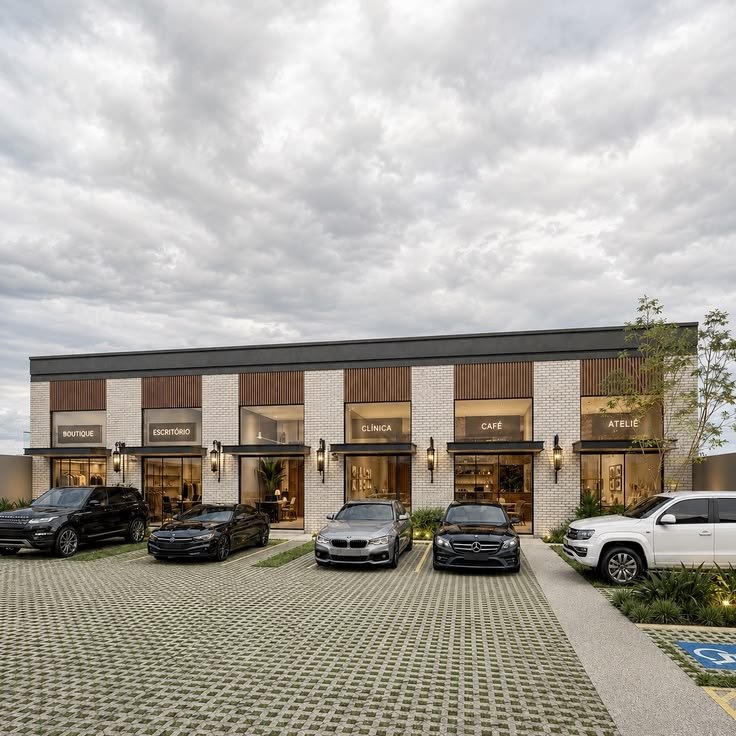
Buying commercial property can look simple from the sidewalk. If the paint is fresh and the parking lot is not shaped like the moon, it may seem like a winner. But a good-looking building can still be a headache in disguise, and the most expensive surprises tend to hide behind leases, systems, and local demand rather than behind peeling trim.
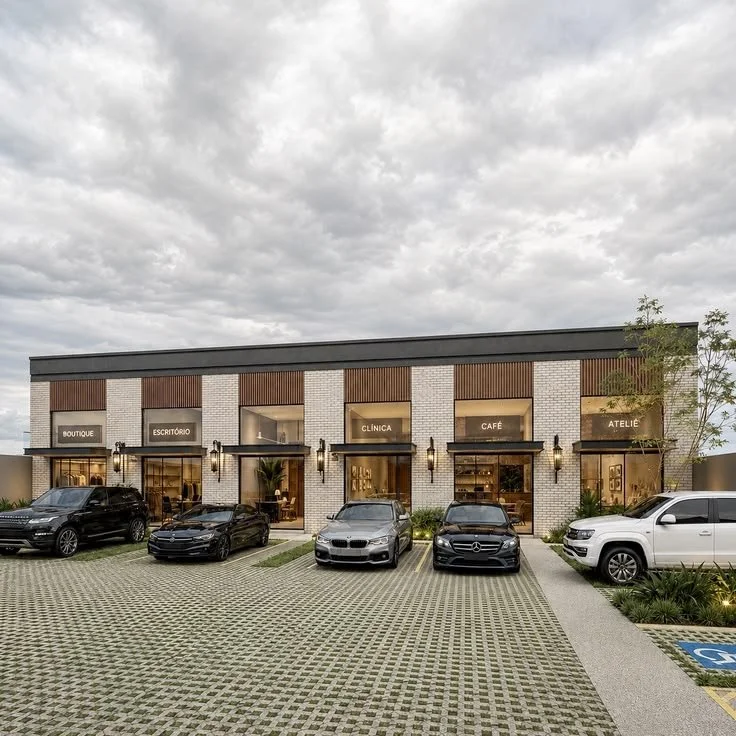
In this article, we will explore how to spot a promising commercial property using practical, repeatable checks you can apply before you sign anything with too many zeros. You will learn how to look beyond curb appeal, interpret neighborhood signals, evaluate tenant quality, anticipate hidden costs, and test whether the space can adapt as the market changes.
No. 1
Look Past Curb Appeal and Verify Demand
A polished storefront can be helpful, but looks do not pay the bills. What matters more is whether the property can attract and keep tenants at rents that support your return. The fastest way to ground your expectations is to compare the property to what is actually happening around it.
Instead of guessing, use commercial vacancy reports to see how often similar spaces sit empty and how that submarket is performing. If nearby buildings struggle to stay leased, the shiny façade may be wearing a costume. If vacancy is low, demand may be stronger than you assumed, which can support steadier occupancy and rent growth.
Practical Demand Checks to Run
Use these quick checks as a reality filter:
Compare vacancy and asking rents for similar property types nearby
Look at how long listings stay on the market in the immediate area
Identify whether the area is dominated by one industry or has diversified demand
Check whether new supply is coming, such as new retail centers or office developments
Confirm whether the property’s size and configuration match what tenants typically lease locally
You do not need to become a data wizard. You simply want enough information to avoid buying a “great deal” that stays empty longer than a folding chair at a rainy picnic.
No. 2
Study the Neighborhood Like a Tenant Would
A commercial property does not live in a bubble. The block, the traffic patterns, the surrounding businesses, and the convenience factor all shape whether tenants will want to be there and whether their customers will find it easy to visit.
Before you fall in love with a pro forma spreadsheet, spend time in the area at different hours and on different days. Morning, lunchtime, and late afternoon can tell very different stories, especially for retail, food, and service businesses.
What to Look For During Site Visits
Use a simple “tenant perspective” checklist:
Foot traffic and visible activity
Ease of parking and whether parking feels safe and intuitive
Visibility from the road and whether signage has clear sightlines
Turning patterns and access, including frustrating left turns or awkward entrances
Nearby anchors such as grocery stores, gyms, medical offices, or strong restaurants
Signs of stress, such as frequent store turnover, empty storefronts, or poorly maintained neighboring properties
A hidden location can work for some business types, but many tenants pay for visibility and convenience. Sidewalks and stoplights often tell the truth better than listing photos.
No. 3
Evaluate the Tenant Mix and Leasing Strength
Tenants tell the future story of a building. A strong tenant mix generally means the property serves multiple needs and is not overly dependent on one fragile category. If every tenant relies on the same customer base, one market shift can knock the whole row over like dominoes.
Balance is usually a strength. Offices, service businesses, retail, and food can complement each other when the layout supports cross-traffic. A café can benefit from nearby office users, while a salon, clinic, or fitness tenant can bring repeat visits that stabilize the property’s daily activity.
Signals of a Healthy Tenant Profile
Look for these indicators:
Long-term tenants who have renewed leases more than once
Businesses that appear consistently busy at appropriate hours
Tenants whose uses fit the site, such as adequate parking for a clinic or good visibility for retail
A mix of necessity-based and discretionary spending tenants
Limited dependence on one tenant producing most of the property’s income
Leasing Documents to Review Carefully
Before you treat rent rolls as truth, confirm:
Lease expiration schedule and whether multiple leases end at the same time
Rent escalations, renewal options, and any tenant-friendly clauses that cap increases
Who pays what, including maintenance, utilities, property taxes, and insurance
Concessions, free rent periods, or landlord improvement obligations
Any past-due balances, payment patterns, or dispute history
Nearby tenants matter too. Even if your building is partially vacant, strong neighboring businesses can support future leasing momentum. In commercial real estate, good company is not just pleasant; it can be profitable.
No. 4
Watch for Hidden Costs That Change the Deal
A property can look affordable until the surprise bills start marching in. This is where many buyers get tripped up, because the purchase price is only one line in a much longer story. Repairs, deferred maintenance, insurance changes, utilities, and capital improvements can rewrite the numbers quickly.
Start with the big-ticket items. Roofs, HVAC systems, plumbing, electrical panels, and parking lots can be expensive to repair or replace, and older buildings may require code updates or accessibility improvements that are not obvious during a casual walk-through.
Common Cost Areas That Catch Buyers Off Guard
Build your underwriting around realistic expenses, including:
Roof condition, drainage, and remaining service life
HVAC age, maintenance history, and whether units are tenant- or landlord-owned
Parking lot resurfacing, striping, lighting, and drainage issues
Exterior envelope condition, including windows, façade, and masonry
Fire life safety systems, alarms, sprinklers, and inspection requirements
ADA or accessibility updates triggered by renovations or tenant changes
Insurance premiums, which can vary dramatically by location and risk profile
Vacancy itself creates expenses too. If a unit sits empty, you may still be covering taxes, utilities, upkeep, security, and marketing while no rent comes in. A few quiet months can make a loud dent in your budget.
Build a Cushion on Purpose
Commercial properties love plot twists, so your numbers should assume reality, not best-case scenarios:
Include a reserve for repairs and capital expenses
Underwrite a conservative lease-up timeline for any vacant space
Assume some turnover, even if the current tenants look stable
Account for professional fees such as legal review, inspections, and property management
A property that needs work can still be a good opportunity, but only if you understand the total cost before the paperwork starts smiling at you.
No. 5
Check Flexibility and Future-Proofing
One of the strongest features in a commercial property is adaptability. A space that only works for one narrow business type can be harder to lease and easier to discount when the market shifts. A layout that supports several uses gives you more options and can reduce downtime between tenants.
Review the floor plan and ask how easily it could serve a different tenant later. Could a small office become a studio, salon, or service business without major construction? Could a retail space be divided into smaller bays? Could the building support improved accessibility or delivery needs?
Features That Increase Leasing Flexibility
Look for characteristics that widen your potential tenant pool:
Simple, efficient floor plates rather than awkward shapes
Multiple entrances or the ability to create separate demised spaces
Adequate electrical capacity and straightforward utility routing
Reasonable ceiling heights for the property type
Storage options, loading access, or delivery-friendly circulation
Good signage placement and visibility opportunities
Parking that matches common tenant needs in the area
You do not need a crystal ball. You just want a property that is not stuck in one lane forever. Commercial spaces that can roll with change tend to hold up better over time.
No. 6
Ask Better Questions and Validate the Answers
Before you buy, give yourself permission to be a little nosy. High-quality questions can reveal more than a polished brochure ever will, and vague answers are often an early warning sign.
Ask why tenants left, how long units typically stay empty, and what kind of businesses have performed best at the site. If a property has recurring turnover, the reason matters. It could be solvable, like poor lighting or weak signage, or it could be structural, like difficult access, inadequate parking, or a layout that limits tenant options.
Smart Questions to Ask During Due Diligence
Keep these questions handy and insist on specifics:
How long has each unit been occupied, and how often have leases been renewed?
Which spaces have had the most turnover, and what reasons were given for leaving?
What repairs are expected soon, and what has been deferred?
Are current rents in line with the area, and how do they compare to new leases nearby?
What draws customers to this location, and what complaints do tenants hear most?
What improvements would make the property easier to lease, and what do they typically cost?
How to Pressure-Test What You Hear
Use simple verification steps:
Cross-check rent claims against comparable listings and recent deals
Confirm lease terms in writing rather than relying on summaries
Ask for maintenance records, warranty information, and service contracts
Review utility bills if you are responsible for them
Walk vacant units with a “future tenant” mindset and list obstacles to leasing
A promising property usually makes sense from several angles, not just one. When the building, neighborhood, tenant profile, cost structure, and flexibility align, you may have something genuinely solid.
Takeaways
A promising commercial property is defined less by its appearance and more by demand, tenant stability, and how easily the space can be leased at market rents. Use vacancy information, real site visits, and tenant-focused thinking to avoid getting fooled by surface polish.
Strong tenant mix, sensible lease terms, and a neighborhood that supports daily activity are major indicators of long-term performance. Just as important, identify hidden costs early, because roofs, HVAC, parking lots, and compliance issues can quickly change a deal’s profitability.
Flexibility protects you when the market shifts, and good due diligence starts with better questions and verified answers. When multiple signals point in the same direction, you can move forward with more confidence and far fewer surprises.
Looking for Business resources?
Are you seeking ways to elevate your business to new heights? Dive into the array of resources provided by our esteemed business partners designed to empower your ventures.