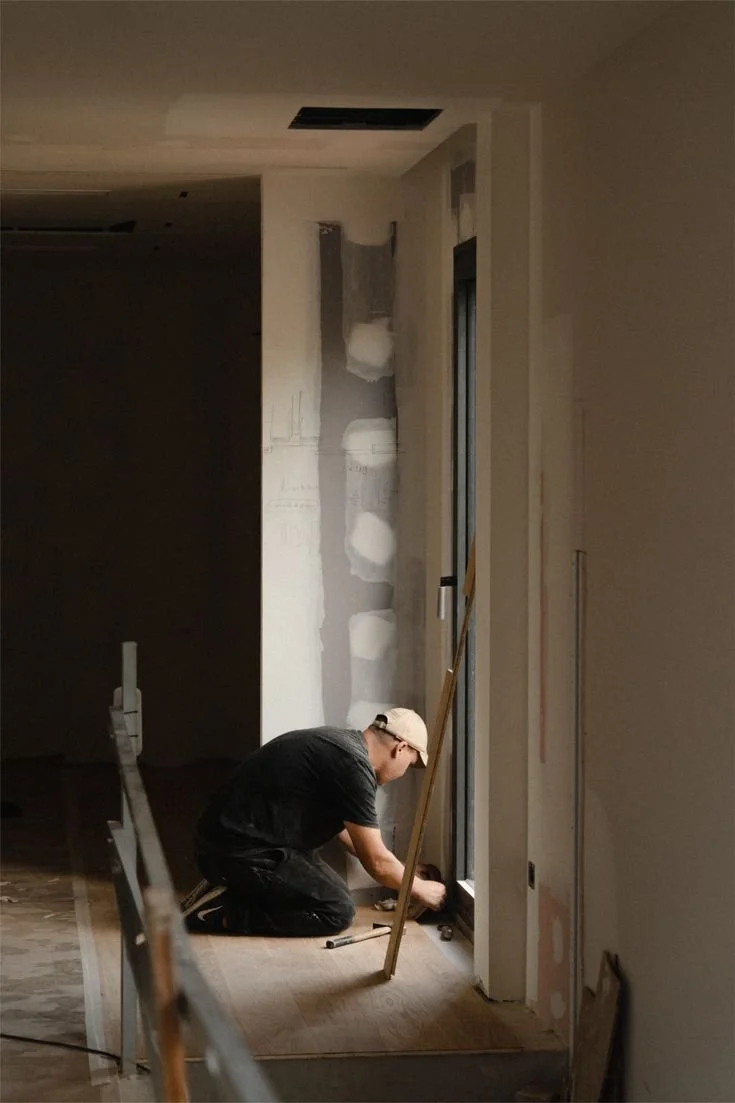
7 Commercial Door Services Every Business Facility Should Schedule Annually
Doors are among the hardest-working components of any commercial building, yet they are often overlooked until something goes wrong. In busy office buildings, schools, healthcare facilities, and retail spaces, a single door may be opened and closed hundreds of times each day. So, when was the last time yours received a thorough inspection?

For facility managers in Trenton and surrounding areas, commercial doors often receive attention only after they start sticking, slamming, or failing altogether. By then, what could have been a simple maintenance issue may have turned into an expensive repair or an unexpected disruption.
In this article, we share why scheduling an annual door service helps identify wear before it leads to failure, keeps doors operating safely and efficiently, supports compliance with building and safety requirements, and reduces the risk of costly emergency call-outs.
Here are seven services worth putting on the calendar every year.
No. 1
Fire-Rated Door Inspection
Start with the doors that matter most in an emergency. Fire-rated doors are designed to hold back smoke and flames long enough for people to get out, but only if they close and latch properly.
This is not a minor concern. Fire departments respond to an estimated 108,500 nonresidential building fires each year, causing around $2.8 billion in property loss annually, according to the U.S. Fire Administration.
An inspection checks that the door closes fully from any position, latches without help, and has not been modified in ways that void its rating. Painted-over labels and doors propped open with wedges are two of the most common problems found.
No. 2
Adjust Door Closers and Operators
Door closers and automatic operators gradually fall out of adjustment with everyday use. Because the changes happen slowly, they often go unnoticed until the door begins slamming, fails to latch properly, or becomes difficult to open.
During an annual inspection, technicians should check:
Closing speed to ensure the door closes smoothly without slamming.
Latching force so the door shuts and secures properly.
Opening force to help maintain accessibility and ease of use.
Oil leaks, worn arms, or other signs that the closer may need repair or replacement.
These routine adjustments improve safety, reduce wear on the door and frame, and help extend the life of the entire door system.
No. 3
Test Panic and Exit Hardware
Panic bars and exit devices are essential life safety components, and they must work reliably every time someone uses them. With constant daily traffic, latches can wear down, hardware can shift out of alignment, and mounting screws may gradually loosen. While these changes often happen slowly, they can affect how easily an exit door operates when it matters most.
An annual inspection should confirm that panic hardware releases smoothly, the latch engages and disengages correctly, and the door opens without sticking or excessive force. Routine testing helps identify wear before it becomes a safety issue, reduces the likelihood of unexpected repairs, and ensures exit doors remain ready for both everyday use and emergency situations. It is also one of the first items inspectors typically evaluate during fire and life safety inspections.
No. 4
Automatic Door Service
Automatic doors have moving parts, sensors, and control boards, so they need proper attention rather than occasional glances. An annual service typically covers sensor alignment, safety beam testing, belt and motor checks, and hold-open timing.
Sensors drift over time, which is how you end up with doors that open at random or fail to detect someone standing right in front of them. If you would rather hand this off, arranging commercial door services in Trenton on a set annual schedule keeps it from slipping down the list.
Commercial Door Works provides commercial door services, including automatic doors, hardware, and fire-rated assemblies. Scheduling these services annually is a simple way to keep maintenance on track and address potential issues early.
No. 5
Inspect Weather Seals and Thresholds
Weather seals and thresholds help keep conditioned air inside while protecting the building from moisture, dust, and outdoor debris. Over time, these components wear down through daily use and exposure to the elements, reducing their effectiveness and increasing energy costs.
During an annual inspection, check for:
Cracked, loose, or compressed weather seals around the door frame.
Worn or damaged door sweeps along the bottom edge.
Loose, uneven, or deteriorated thresholds.
Signs of water infiltration around entryways.
Replacing worn seals and repairing damaged thresholds can improve energy efficiency, reduce strain on HVAC systems, and help prevent water damage. Well-maintained thresholds also reduce the risk of trips and falls, making them an important part of overall building safety.
No. 6
Check Hinges, Frames, and Door Alignment
Many common commercial door problems can be traced back to poor alignment. If a door drags on the floor, sticks while opening, or fails to latch properly, the cause is often loose hinges or a frame that has shifted over time.
As part of annual maintenance, technicians should inspect hinge condition, tighten loose fasteners, and check that the door and frame remain properly aligned. Small adjustments, such as shimming hinges or realigning the frame, can restore smooth operation and prevent unnecessary strain on the door closer and locking hardware. Addressing these issues early helps extend the life of the entire door assembly and avoids the significantly higher cost of major repairs or full replacement.
No. 7
Service Locks and Access Hardware
Locks and access hardware are used constantly throughout the day, making them some of the most heavily worn components of any commercial door. Over time, cylinders, lever handles, strike plates, and electrified locking systems can wear out or become misaligned, increasing the risk of security issues or unexpected lockouts.
A yearly service should include inspecting and lubricating lock cylinders, checking strike alignment, testing the operation of mechanical and electronic locking hardware, and verifying that power supplies and access control systems are functioning properly. It is also a good opportunity to review key management and access credentials, particularly after employee turnover, to help maintain building security and ensure only authorized individuals have access.
Building a Simple Annual Maintenance Routine
A simple annual maintenance plan can help prevent costly repairs and keep commercial doors operating safely. In many buildings, these checks can be completed during one or two scheduled service visits each year.
Keep it simple by:
Scheduling annual door inspections.
Recording repairs and maintenance performed.
Tracking hardware replacements.
Keeping a maintenance log for future inspections and budgeting.
A basic service record makes it easier to monitor door condition, plan maintenance, and demonstrate ongoing building care.
Takeaways
Commercial doors experience wear a little at a time, making small issues easy to overlook until they turn into costly repairs or unexpected downtime. An annual maintenance routine helps identify these problems early, keeping doors operating safely and reliably throughout the year.
Scheduling routine inspections also reduces the likelihood of emergency repairs, failed inspections, or disruptions to tenants and visitors. A small investment in preventive maintenance can extend the life of your commercial doors, improve building safety, and help avoid unexpected expenses when you least need them.
Looking for Business resources?
Are you seeking ways to elevate your business to new heights? Dive into the array of resources provided by our esteemed business partners designed to empower your ventures.