Why Collagen Production Is the Secret To Younger-Looking Skin
Skin aging can feel sudden when you notice new lines, softness along the jawline, or a change in texture that your usual skincare no longer fixes. In reality, these shifts often trace back to one slow-moving process: collagen decline.

In this article, we will explore what collagen does, why it decreases, how that shows up on your face, and what you can do through lifestyle, nutrition, skincare, and targeted treatments to support firmer, healthier-looking skin over time.
No. 1
What Collagen Does Beneath the Surface
Collagen is the primary structural protein that keeps skin firm, supported, and resilient. If your skin is the visible “surface layer,” collagen is the internal framework that helps it maintain shape, resist gravity, and recover after movement.
Most collagen in skin sits in the dermis, the layer beneath the epidermis. There, collagen fibers form a dense network that:
Provides structure and tensile strength
Supports the skin’s “plump” appearance by holding tissues in place
Works alongside elastin and hyaluronic acid to maintain smoothness
Helps skin withstand repeated facial movement without forming permanent creases too quickly
Collagen molecules are built from amino acids arranged in a triple-helix structure. That architecture is why collagen is strong, but also why it becomes vulnerable when production slows and existing fibers are damaged faster than they are replaced.
Collagen vs. Elastin: Why Collagen Drives “Firmness”
Elastin helps skin snap back, but collagen does the heavier lifting when it comes to volume, contour, and density. When people say their face looks “less supported” or “not as tight,” they are often describing changes linked to collagen.
Treatments such as PRP microneedling near Minnetonka have grown popular among people chasing firmer skin rather than a quick fix, since they work by encouraging your body to rebuild collagen from within instead of masking the loss. This distinction matters because structural improvement is usually more natural-looking and tends to support skin quality over time.
No. 2
How Collagen Breakdown Shows Up on Your Face
Collagen loss does not present as one single “aging sign.” It shows up through a cluster of changes that build gradually, and the earliest ones often appear where your face moves most.
Common collagen-related changes include:
Fine lines that linger longer after facial expressions
A slower “bounce back” when skin is pressed gently
Gradual hollowing in areas like the temples or under-eyes
Texture shifts, including crepiness or a thinner look
Less definition around the cheeks and jawline
Where Aging Signs Often Appear First
Some regions reveal collagen decline earlier because they are either thinner, more mobile, or both.
Around the eyes, where skin is delicate and facial movement is constant
Around the mouth, where repetitive motion encourages etched lines
Cheeks and jawline, where structural support strongly affects contour
Temples and under-eyes, where support of underlying fat pads influences fullness
A simple at-home observation can be helpful: press a finger gently into the cheek and notice how quickly the skin springs back. Collagen-rich skin tends to resist and rebound quickly, while lower-density skin can take slightly longer to return to baseline.
No. 3
When Collagen Production Drops the Most
Collagen production peaks in early adulthood and then gradually decreases. Many people do not notice the impact immediately because the decline is slow at first, and the skin still has enough existing collagen to maintain firmness for years.
Typical patterns include:
A gradual decrease beginning in the mid-to-late twenties
A steady yearly decline that accumulates over decades
A more pronounced drop during hormonal transition periods, especially menopause
The Role of Hormones in Faster Collagen Loss
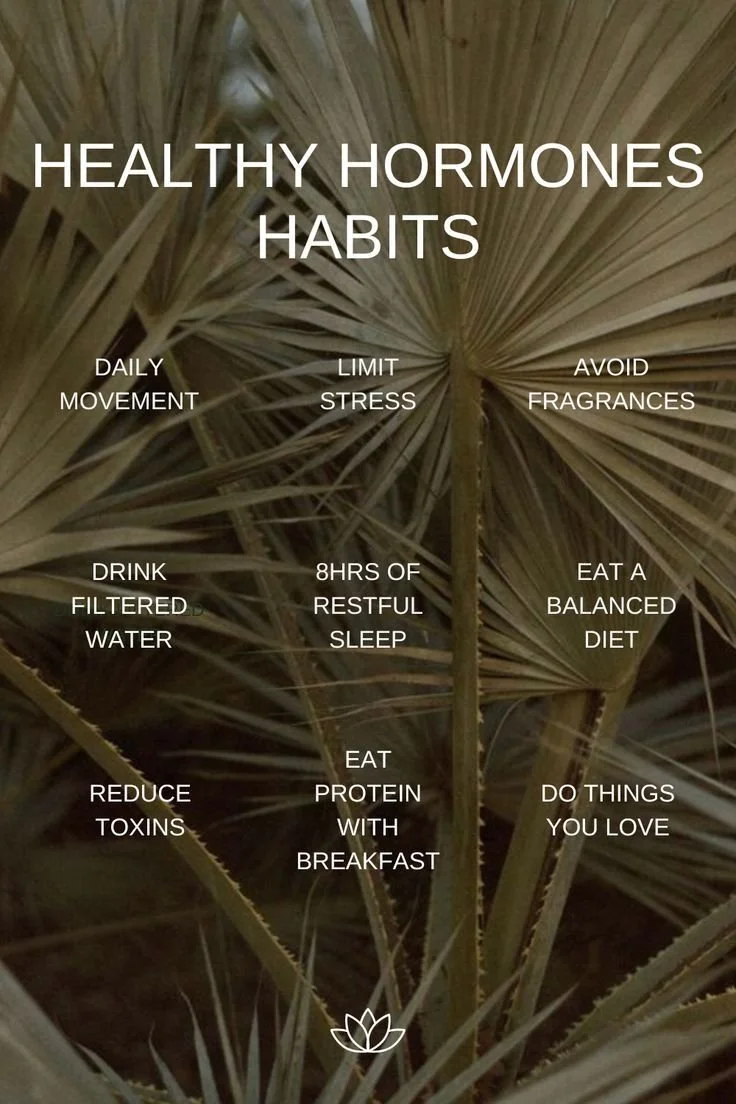
Hormones influence collagen synthesis, particularly estrogen. During perimenopause, fluctuating estrogen levels can affect skin density and texture even when a person’s routine stays consistent.
Once menopause occurs, the decline can accelerate significantly. Many people describe this stage as a period where skin changes seem to happen “all at once,” which aligns with research showing sharper collagen reduction in the early years after menopause compared with the slower decline of earlier decades.
Sun Exposure: The Accelerator Most People Underestimate
Aging is not only a matter of time; it is also a matter of damage. Ultraviolet exposure breaks down existing collagen fibers and interferes with new collagen formation. This is one reason two people of the same age can have noticeably different skin quality depending on their sun habits over the years.
No. 4
Lifestyle Habits That Quietly Drain Collagen
Even the best skincare cannot fully counteract daily behaviors that repeatedly signal “break down more than you rebuild.” Collagen health depends on what your body is able to produce and protect, and certain habits push that balance in the wrong direction.
Major collagen-depleting factors include:
Excess sugar intake that contributes to glycation
Smoking, which reduces oxygen and nutrient delivery to the skin
Chronic stress that elevates cortisol and slows repair processes
Inadequate sleep that interrupts nightly tissue regeneration
Frequent unprotected sun exposure that damages collagen directly
Glycation: Why Sugar Can Make Skin Look Stiffer
Through glycation, sugar molecules bind to collagen fibers and make them rigid and brittle. Over time, glycation contributes to reduced elasticity and more noticeable lines, especially when combined with sun exposure and natural age-related decline.
Stress and Sleep: The Repair Window You Cannot Replace
Chronic stress keeps the body in a heightened state where repair becomes less of a priority. Sleep is also when much of your tissue recovery happens, including collagen-related rebuilding. Cutting sleep short night after night can lead to cumulative changes in skin texture, brightness, and resilience, even if you are otherwise consistent with skincare.
No. 5
Nutrients and Foods That Support Collagen Synthesis
Collagen production is not “one nutrient, one outcome.” It is a biological assembly line that needs raw materials and specific helpers to function well. A collagen-supportive diet focuses on protein quality, key vitamins, and minerals involved in building and stabilizing collagen fibers.
Nutrients that matter most include:
Vitamin C to enable collagen formation
Complete protein to supply amino acids
Zinc and copper to support synthesis and structural stability
Antioxidants to reduce oxidative stress that contributes to breakdown
Collagen-Supportive Foods to Emphasize
These choices help provide building blocks and supportive nutrients.
Vitamin C sources such as citrus, berries, bell peppers, and leafy greens
Protein sources such as eggs, poultry, fish, tofu, beans, and Greek yogurt
Mineral-rich foods such as pumpkin seeds, lentils, shellfish, cashews, and cocoa
Collagen-containing foods such as bone broth and fish skin
Collagen-rich foods can provide amino acids like glycine and proline, which are commonly found in collagen structures. However, even without collagen foods, adequate protein plus vitamin C can still support your body’s ability to build collagen on its own.
While dietary choices are fundamental for endogenous collagen synthesis, supplementing with collagen can also directly contribute to maintaining skin elasticity and overall bodily structural integrity, offering a convenient way to boost intake if diet alone isn't enough. Many consider using collagen products to further support their body's connective tissues, aiming to enhance benefits for skin, hair and joint health.
What to Avoid If You Are Trying to Preserve Collagen
You do not need perfection, but frequent exposure to certain triggers can undermine progress.
Constant sugary snacking throughout the day
Excess alcohol that can worsen dehydration and inflammation
Very low-protein dieting that reduces amino acid availability
Repeated tanning or daily sun exposure without protection
No. 6
Skincare and Treatments That Encourage Collagen Renewal
At-home care can help protect existing collagen and support healthier skin behavior, while in-office treatments can stimulate new collagen formation more directly. The most effective plan is typically layered: protect, support, then stimulate when appropriate.
Daily Skincare Moves That Protect Collagen
A collagen-supportive routine often includes:
Daily broad-spectrum sunscreen to prevent UV-driven breakdown
Gentle cleansing to avoid chronic irritation
Consistent moisturization to support barrier function
Targeted active ingredients chosen for tolerance and consistency
In-Office Options for More Visible Change
When lifestyle and skincare improvements reach their limit, treatments can add another level of support. These options generally aim to trigger controlled repair responses that encourage collagen remodeling.
Microneedling-based approaches that stimulate collagen through micro-injury signals
Regenerative options that use your body’s own signaling factors to support repair
Professional guidance to match treatment intensity to skin type and goals
Treatments such as PRP microneedling near Minnetonka are often selected by those who want gradual, structural improvement rather than a temporary surface effect. The long-term value is in supporting the dermis, where collagen density influences firmness, texture, and overall skin quality.
No. 7
How to Build a Practical Collagen-Support Plan
Collagen support works best when it is consistent and realistic. Rather than chasing every new product or trend, focus on a stable foundation and add targeted steps based on your age, lifestyle, and current skin behavior.
A Simple Weekly Framework
Daily: sunscreen, adequate protein, hydration, consistent sleep schedule
Most days: nutrient-dense meals that include vitamin C sources
Weekly: assess stress load and recovery, not just skincare steps
Monthly or quarterly: professional skin check-ins or treatments as needed
Signs Your Plan Is Working
Collagen rebuilding takes time, but early improvements can show up as:
Smoother texture and a healthier glow
Improved “bounce” and less crepey appearance
Better tolerance of actives due to a stronger skin barrier
Subtle improvement in firmness over several months
Takeaways
Collagen is the structural framework that helps skin stay firm, supported, and smooth, and its decline is one of the main drivers of visible aging. The earliest signs often appear in high-movement or thin-skin areas such as the eyes, mouth, and cheeks.
You cannot stop collagen loss entirely, but you can influence how quickly it happens by protecting skin from UV damage, reducing sugar-driven glycation, managing stress, and prioritizing sleep. Nutrition also matters, particularly adequate protein, vitamin C, and key minerals that support collagen formation.
Skincare can help preserve what you have, while targeted treatments can encourage the body to rebuild collagen more directly over time. When these strategies are combined consistently, younger-looking skin becomes less about genetics and more about sustainable daily choices.
Looking for wellness resources?
Are you looking to enhance your wellness routine? Explore our wellness partners who offer a wide range of resources to support your journey toward holistic living and well-being.