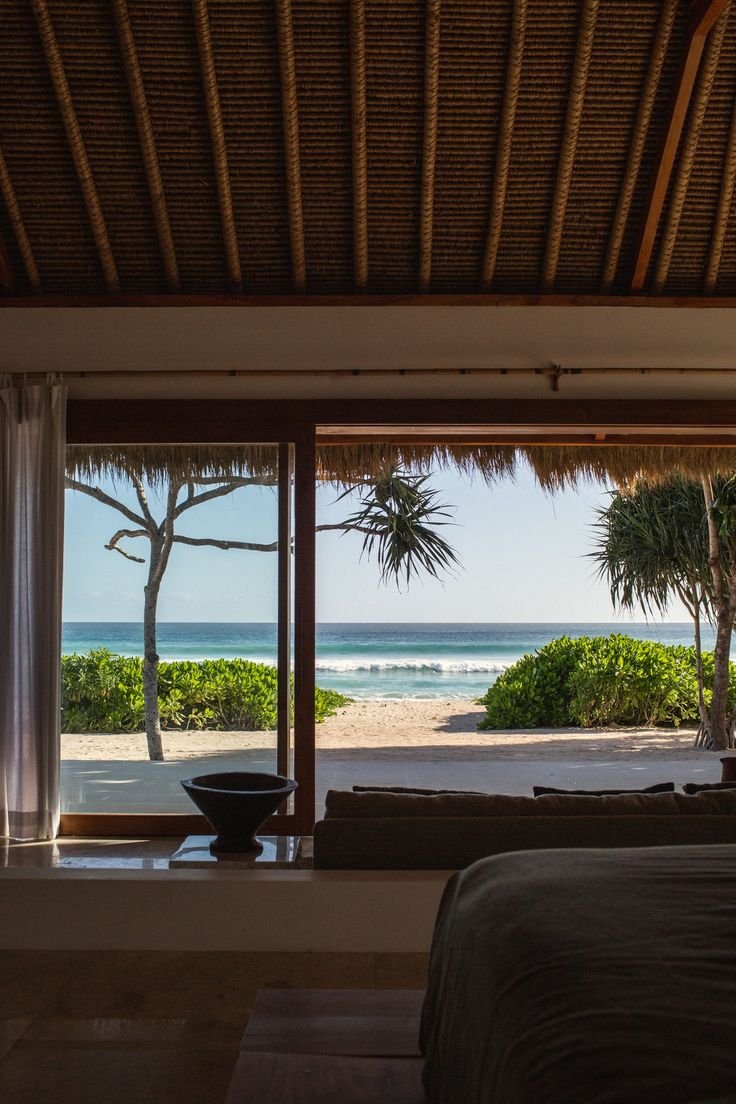
Designing A Serene And Market-Ready Home Sanctuary
Selling a family home can be an emotional and logistical turning point, especially when the property holds years of memories and daily routines. Yet the Australian market rewards homes that feel calm, cohesive, and immediately liveable, and today that first impression is usually formed on a screen before a buyer ever attends an inspection. In this article, we will explore how to design a serene, market-ready home sanctuary by reducing visual noise, curating an aspirational aesthetic, and using intentional styling choices that translate into stronger online engagement and better buyer sentiment.
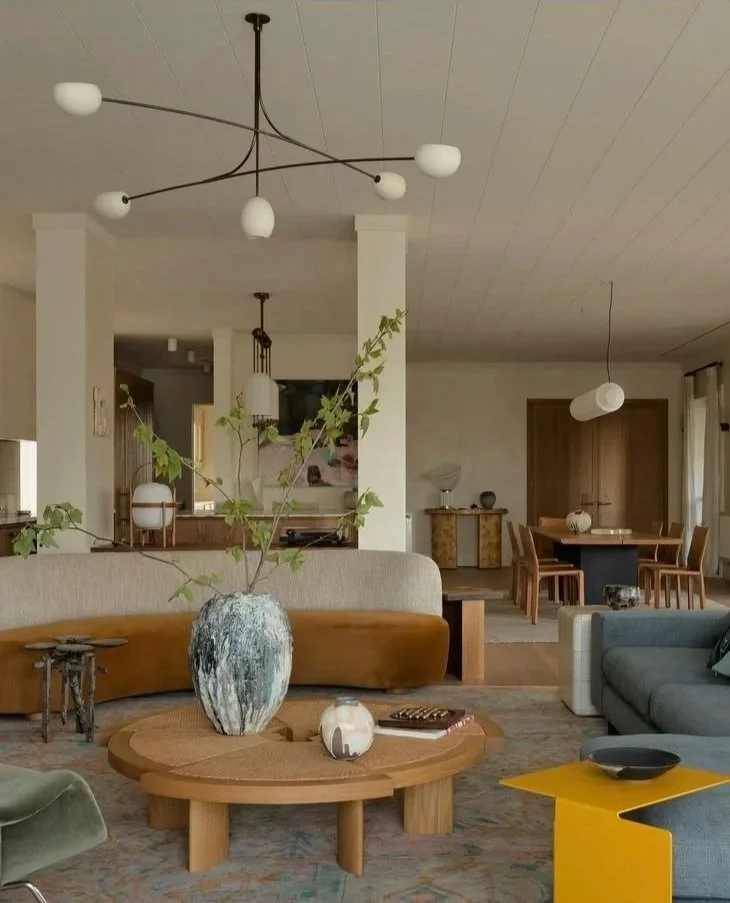
A successful sale rarely comes down to one dramatic renovation. More often, it is the cumulative impact of strategic edits: cleaner sightlines, balanced furniture scale, consistent textures, and lighting choices that photograph beautifully. When you approach the campaign as an opportunity to create a welcoming retreat, you give buyers permission to imagine their own life in the space, which is ultimately the outcome that drives inspection interest, offers, and competitive bidding.
No. 1
The Foundation of Calm: Clearing the Visual Noise
The fastest way to make a home feel more spacious, peaceful, and premium is to remove the everyday clutter that anchors it to your lifestyle. Buyers do not just notice mess; they subconsciously read it as work they will inherit. A calm interior creates a sense of control and ease, which can shape how long buyers stay in each room, how positively they interpret flaws, and how strongly they remember the property afterward.
Environmental psychology supports what experienced agents see every week: decluttered, organized spaces reduce perceived stress and make a home feel more manageable. That sense of calm becomes especially powerful during open inspections, when buyers are comparing multiple properties and making quick emotional judgments.
What to remove first to create instant visual breathing room
Benchtop congestion in kitchens and bathrooms, including appliance clusters and excess toiletries
Oversized personal collections, such as stacked books, hobby gear, and display shelves packed edge-to-edge
Family photographs and highly personalized artwork that make it harder for buyers to project themselves into the space
Excess furniture that interrupts pathways or compresses room proportions
Floor clutter, including baskets, shoes, kids’ items, and pet accessories
How to declutter without creating chaos during the campaign
Pack by zone, not by room, so you can maintain daily function while reducing excess
Use a “keep out” crate for each family member to store essentials that should not appear in photos or inspections
Aim for 30 to 40 percent empty space in wardrobes and cupboards; buyers look inside, and fullness implies lack of storage
Consider short-term off-site storage if your garage is likely to be used as a selling feature
Before bringing in real estate professionals to assess the interior, it is essential to lay this groundwork so your home presents as consistently calm throughout the entire sales period. If you want actionable strategies to streamline your living environment, you can explore some excellent tips to keep your house tidy and clutter-free to help sustain that serene, spotless atmosphere from photography to final open home. Once the visual noise is reduced, buyers can focus on the value-driving elements that matter most: natural light, room proportions, architectural character, and potential.
No. 2
Curating an Aspirational Aesthetic Buyers Can Feel
With the clutter removed, the next step is to design an interior that suggests a lifestyle. Modern buyers are not simply purchasing rooms; they are buying an emotional promise of what life could feel like there. The most effective presentation communicates “ease” through clean sightlines, cohesive styling, and a sense of understated comfort.
It is also important to note that empty rooms often photograph poorly and can appear smaller than they really are. Buyers use furniture to interpret scale, functionality, and flow, so even a minimal styling approach should define the purpose of each space and create intuitive pathways.
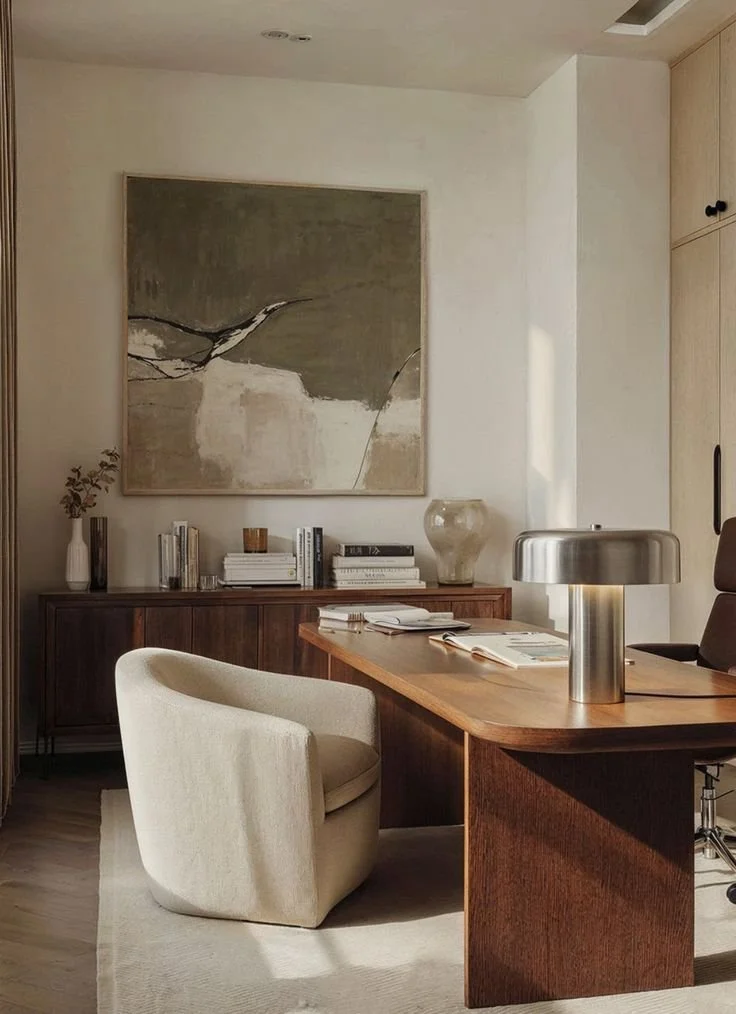
For homeowners who want to remove the stress, time burden, and trial-and-error from the process, investing in full property styling can be a high-leverage decision. Professional stylists bring an objective eye, an understanding of what your target buyer expects, and access to furnishings that suit the home’s architecture, price bracket, and local market preferences. The goal is not to make your home look like a showroom; it is to make it feel like a refined, liveable sanctuary that photographs with clarity and warmth.
Core principles of an aspirational, market-ready look
Consistency across rooms, so the home feels cohesive in online galleries
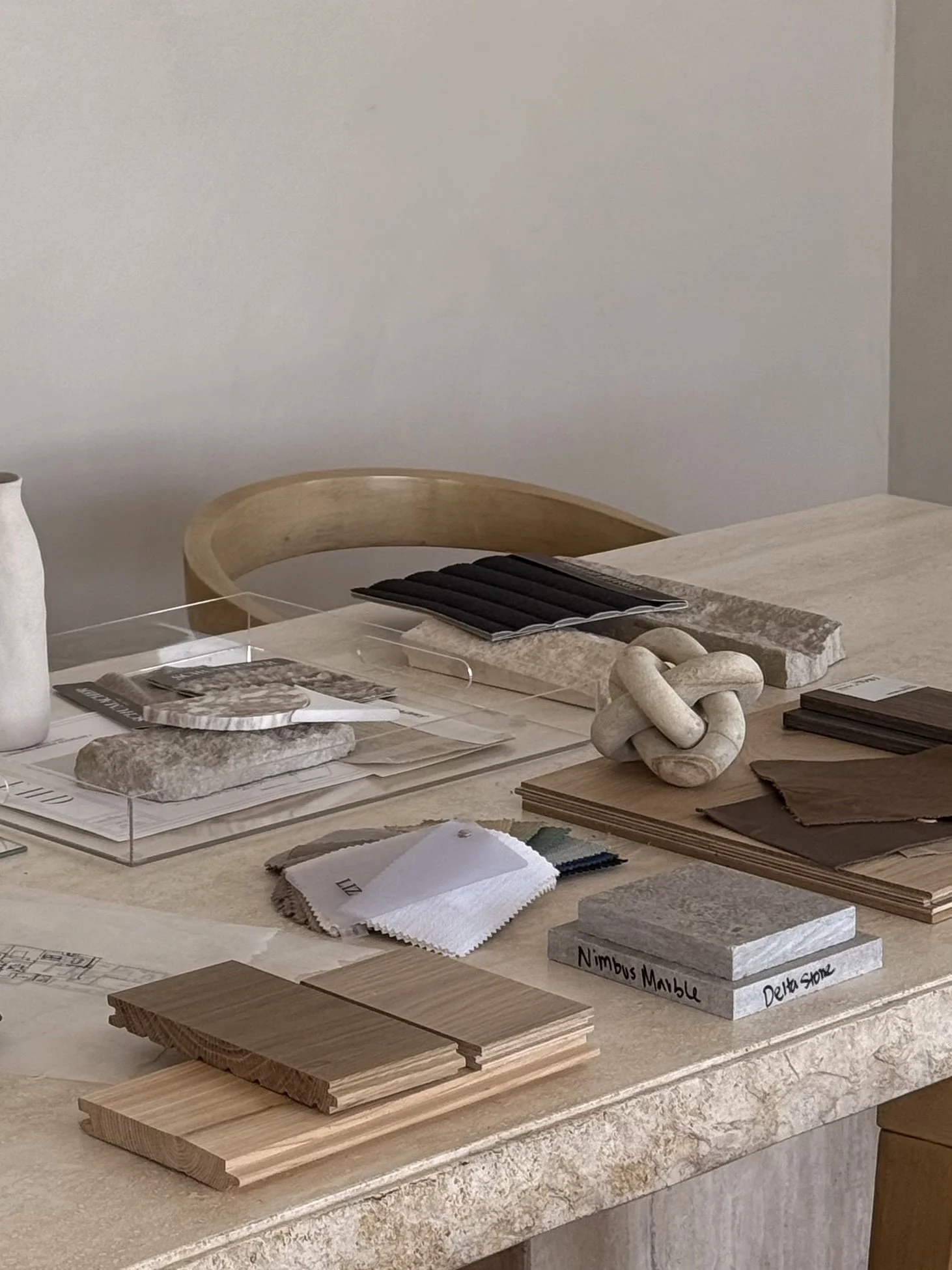
Neutral foundations with layered textures, so spaces feel calm but not flat
Clear focal points, such as a bedhead, dining setting, or sofa arrangement, to guide the buyer’s eye
“Just enough” décor, where every piece supports the story of the room rather than competing for attention
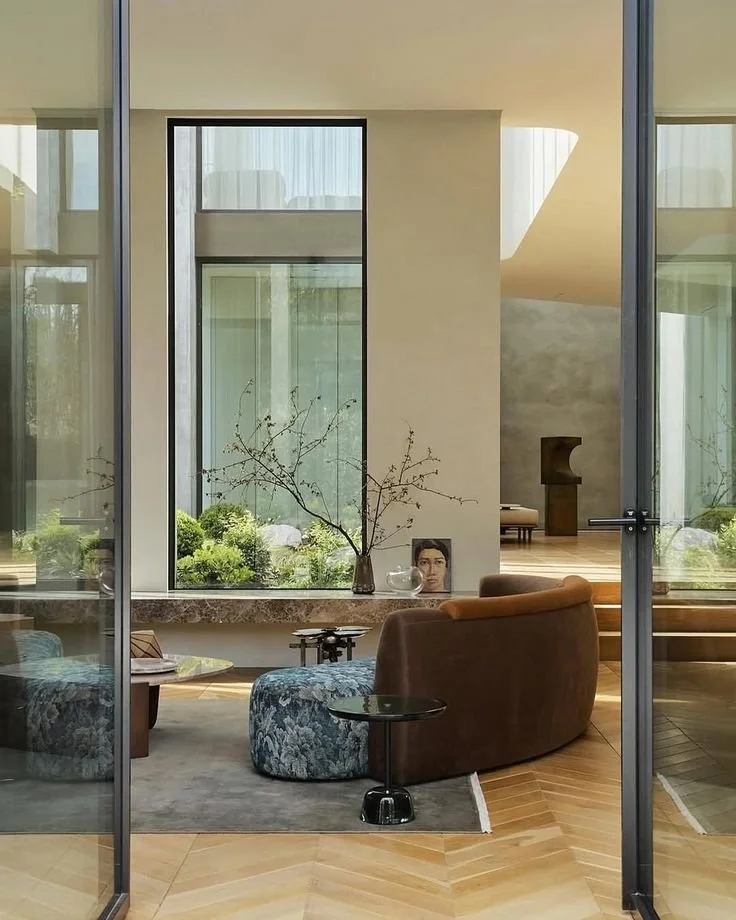
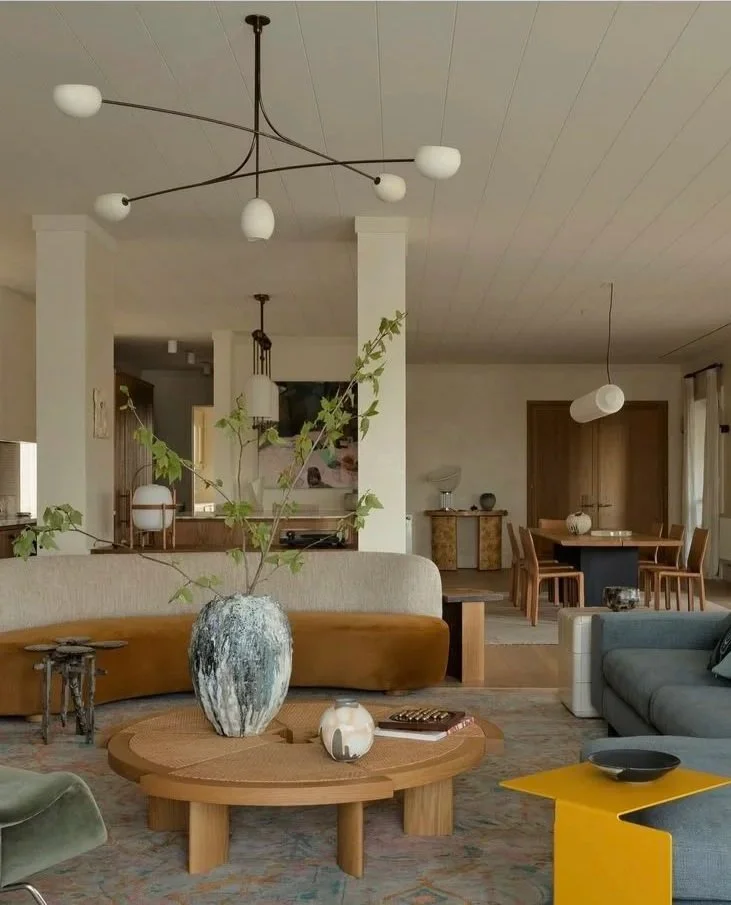
Current interior design directions that support a serene sanctuary
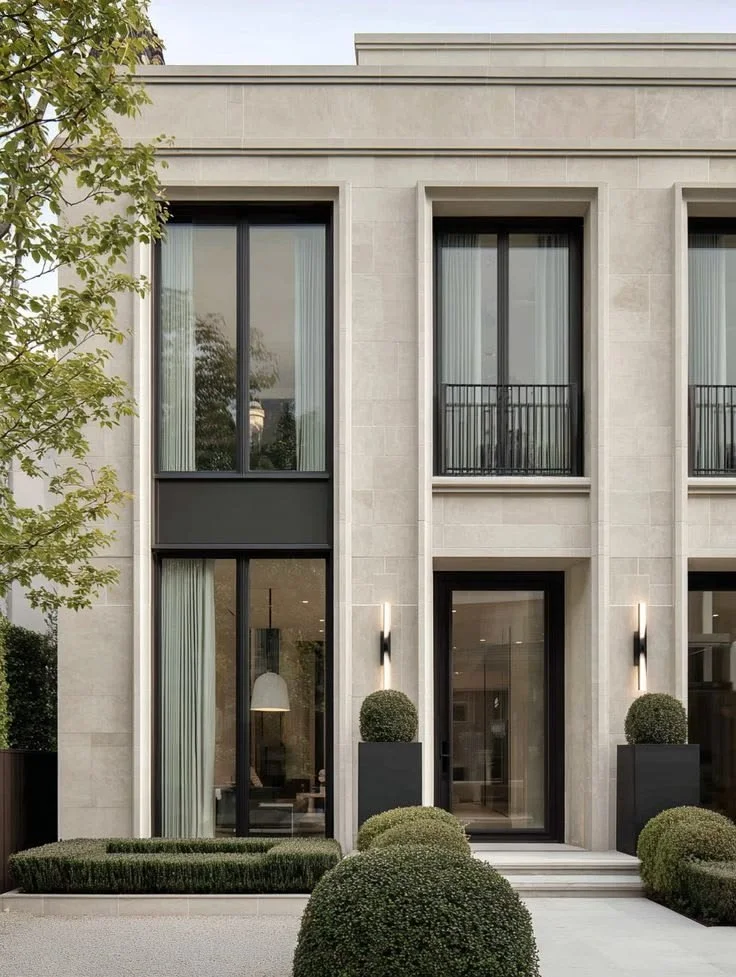
Quiet luxury
Focus on fewer, better-quality pieces with subtle detail and tactile richness
Replace loud décor with elevated basics, such as a structured sofa, quality linens, and refined lighting
Biophilic design
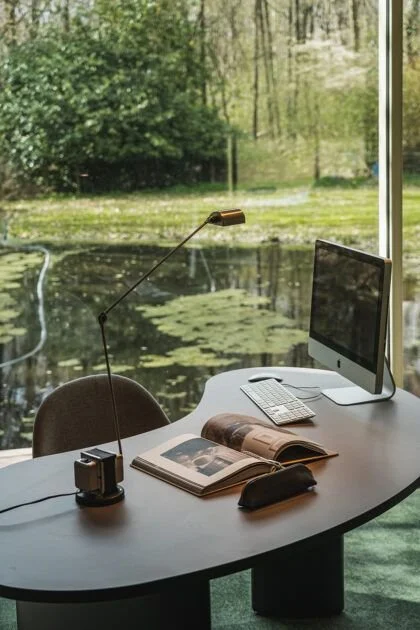
Bring nature indoors with greenery, natural fibres, and maximum daylight
Prioritize healthy-looking plants and simple ceramic planters over cluttered arrangements
Earthy color palettes
Move away from icy greys toward warm neutrals and grounded tones
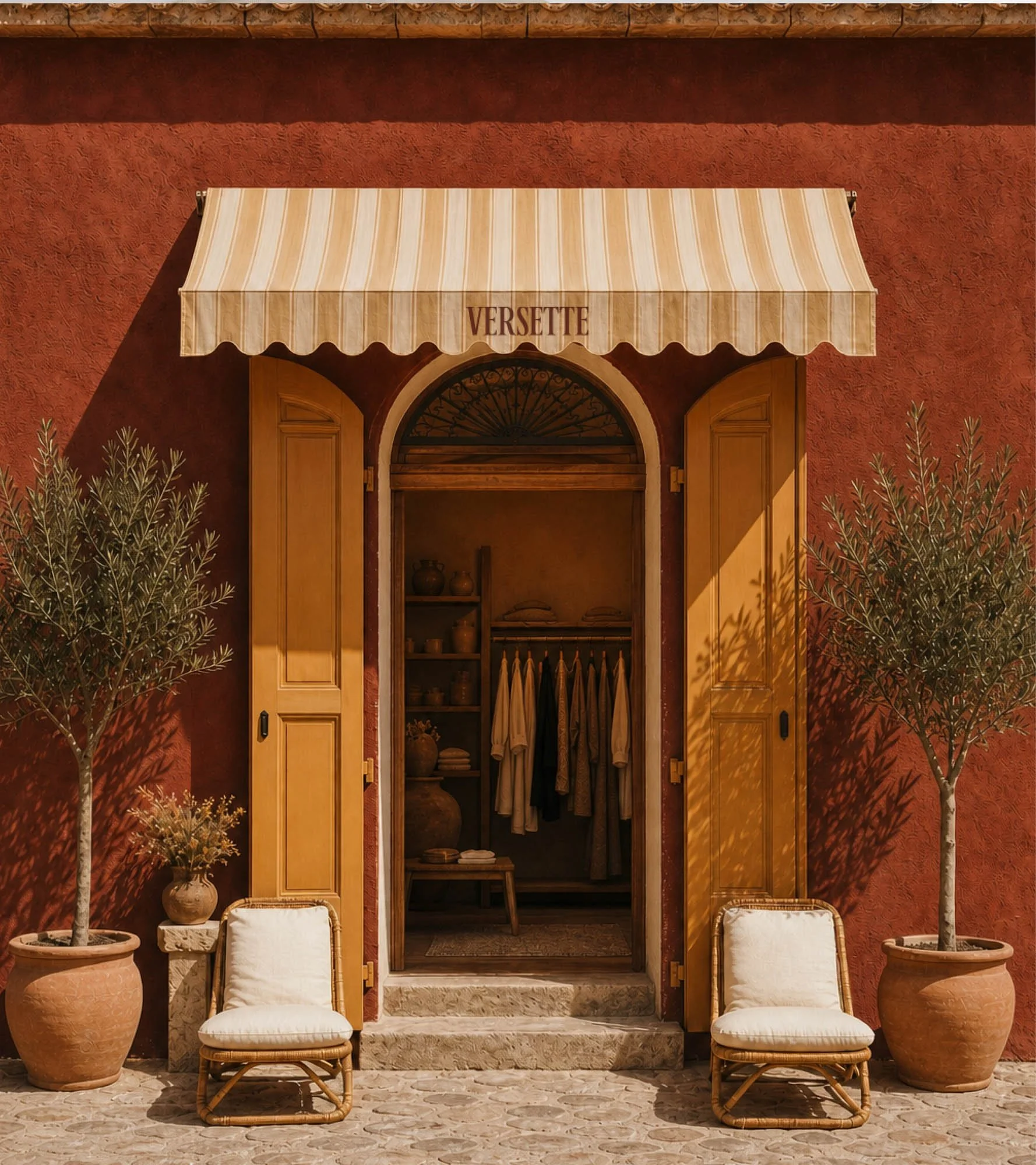
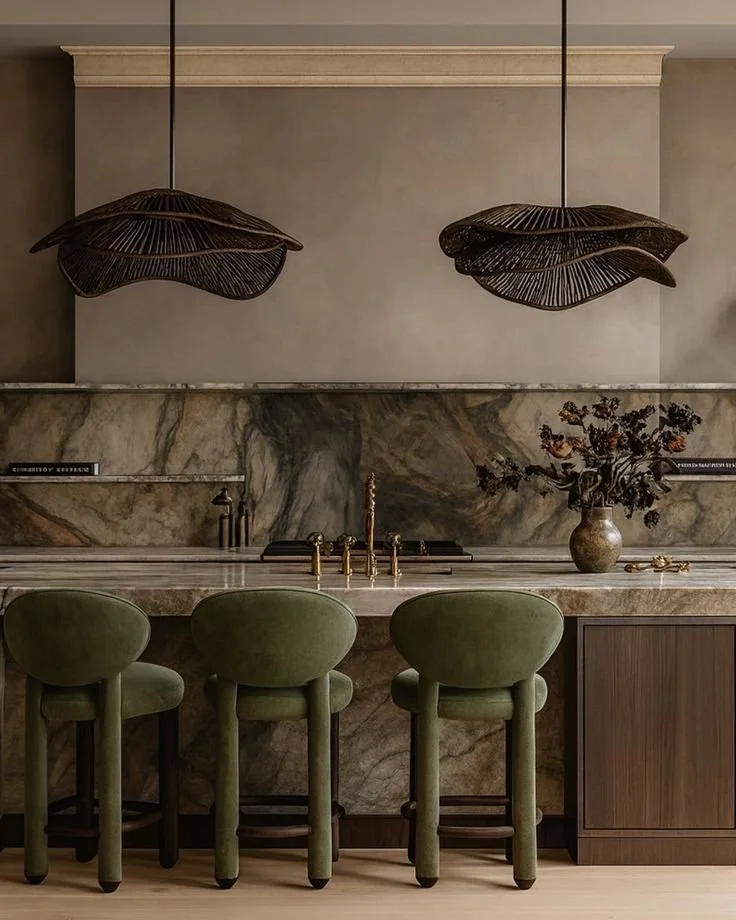
Consider soft beige, sand, olive, warm whites, and clay accents to create emotional warmth
Softer architectural lines
Add curves to reduce harshness and increase perceived comfort
Use rounded coffee tables, curved chairs, or an arched mirror to soften rigid layouts
Layered natural materials
Introduce linen, timber, woven textures, and handmade-style ceramics
Use texture to create depth in photos without relying on strong color
No. 3
Styling Each Space With Purpose and Buyer Psychology
Once you have a direction, apply it with intent. Styling is most effective when it clarifies function, improves perceived proportions, and subtly suggests daily life. Buyers want to know how they will live in the home: where they will gather, work, relax, and store things. If a space feels ambiguous, it feels risky.
Living areas: build flow, conversation, and comfort
Position seating to create a defined zone with a clear focal point (fireplace, view, or TV wall)
Leave consistent walkways, especially between entry points and outdoor access
Use a rug large enough to anchor the furniture; undersized rugs make rooms feel smaller
Add one or two layered accessories only, such as a tray on a coffee table and a throw on the sofa
Bedrooms: emphasize serenity and hotel-like simplicity
Use crisp, neutral bedding with one tonal accent cushion for depth
Keep bedside tables mostly clear, with a lamp and one simple object
Remove excess furniture that narrows circulation, especially around beds
Ensure wardrobes look spacious by reducing contents and using uniform hangers
Kitchens and bathrooms: communicate cleanliness and ease
Keep benchtops minimal, with one styled element such as a bowl of fruit or a timber board
Replace mismatched containers with streamlined dispensers and folded towels
Remove magnets, notes, and paper clutter from fridges and noticeboards
Highlight storage by ensuring drawers and cupboards close smoothly and look tidy
Outdoor areas: sell lifestyle, not just square metres
Create a simple dining moment outdoors, even if it is compact
Add greenery to soften edges and improve photography, but avoid overfilling small patios
Clean hard surfaces thoroughly; outdoor grime is very visible in listing images
Add lighting touches for evening ambience if twilight photography is planned
No. 4
Light, Texture, and Scent: The Sensory Layer That Sells
Photos attract clicks, but inspections seal decisions. Beyond furniture placement, buyers respond strongly to the sensory “feel” of a home. A sanctuary is not only seen; it is experienced. This is where lighting, textiles, and subtle fragrance can elevate perceived quality without major cost.
Lighting upgrades with high visual return
Use warm-white globes consistently throughout the home for a cohesive mood
Replace dated shades or harsh fittings in key zones such as entryways and dining areas
Add lamps to create layered light, which makes rooms feel more premium and welcoming
Open curtains fully for photos and inspections, and clean windows to maximize brightness
Texture choices that create calm and depth
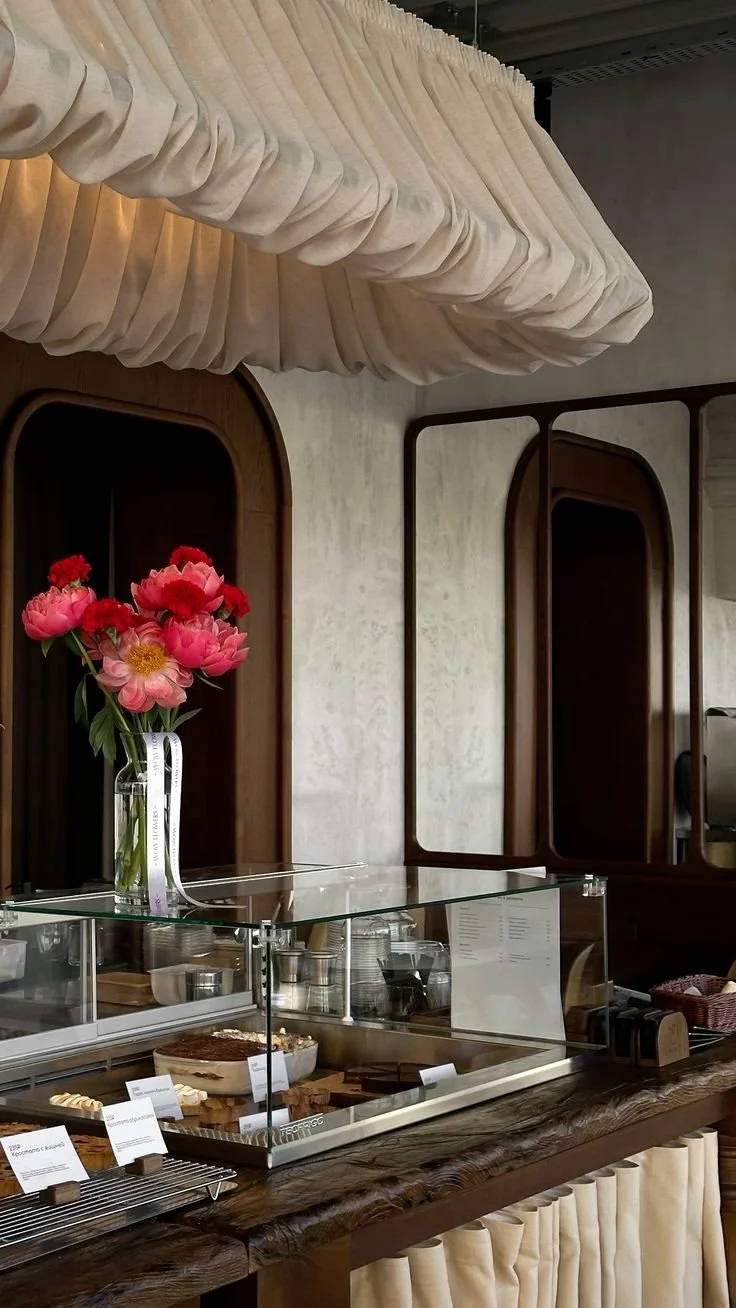
Choose linen-look or cotton curtains for softness rather than shiny synthetics
Add one or two tactile elements per room: a throw, a woven basket, or a textured cushion
Use timber and ceramic accents to bring warmth into modern interiors
Fragrance and freshness without overpowering buyers
Prioritize ventilation and cleanliness before adding any scent
Keep fragrance subtle and consistent; avoid strong diffusers or competing candles
Remove pet odours proactively through fabric cleaning and airflow, not masking sprays
No. 5
The Tangible Impact of Intentional Design on Sale Results
A beautiful home is personally satisfying, but in a sales campaign it also serves a practical commercial purpose. Buying property is largely emotional, and staging uses lifestyle cues to build attachment first, which buyers then justify with logic. When your home feels calm, bright, and easy to inhabit, buyers are more likely to linger, ask questions, picture future routines, and return for a second look.
The advantage extends beyond listing photography. According to research from the National Association of REALTORS, 83 percent of buyers’ agents report that staging makes it easier for buyers to visualize a property as their future home, directly influencing decisions. That is precisely what a sanctuary approach achieves: it reduces distractions, increases emotional resonance, and makes the property feel immediately compatible with the buyer’s aspirations.
In the Australian market, that emotional connection can translate into measurable returns. Some case studies show styled properties reducing days on market dramatically, including examples dropping from 190 days to 15 days. Professional styling is also reported to generate an estimated return on investment between 7.5 percent and 12.5 percent of a home’s sale value, largely through stronger online engagement, higher inspection attendance, and more competitive buyer behavior.
Why a sanctuary aesthetic performs well online
Cleaner sightlines improve photo clarity and create a sense of space
Warm neutrals read as premium and broadly appealing across buyer segments
Layered texture prevents rooms from looking flat or sterile in galleries
Cohesive styling across the home keeps buyers clicking through the full listing
Takeaways
A serene, market-ready home begins with decluttering that removes visual noise and allows buyers to focus on light, layout, and architectural strengths. When the home feels orderly and calm, it becomes easier for buyers to picture daily life there.
Aspirational styling works best when it is cohesive, neutral, and rich in texture, with furniture placed to clarify scale and purpose. Strategic choices around lighting, soft materials, and outdoor presentation add a premium feel without requiring major renovation.
The sanctuary approach is not only aesthetically satisfying; it supports stronger emotional engagement and can improve sales outcomes through better photography, inspections, and buyer recall. With thoughtful preparation, you can create a home that feels inviting to live in and compelling to buy.
Looking for Business resources?
Are you seeking ways to elevate your business to new heights? Dive into the array of resources provided by our esteemed business partners designed to empower your ventures.