How To Make Visiting Your Business Hassle-Free For Customers
Opening a dream business is often driven by vision: the perfect color palette, thoughtfully placed shelves, a logo that feels “just right,” and small details that make the space memorable. Yet the customer experience begins long before anyone admires the décor. It starts outside—when people try to find your entrance, figure out where to park, and decide whether walking in feels easy or frustrating.
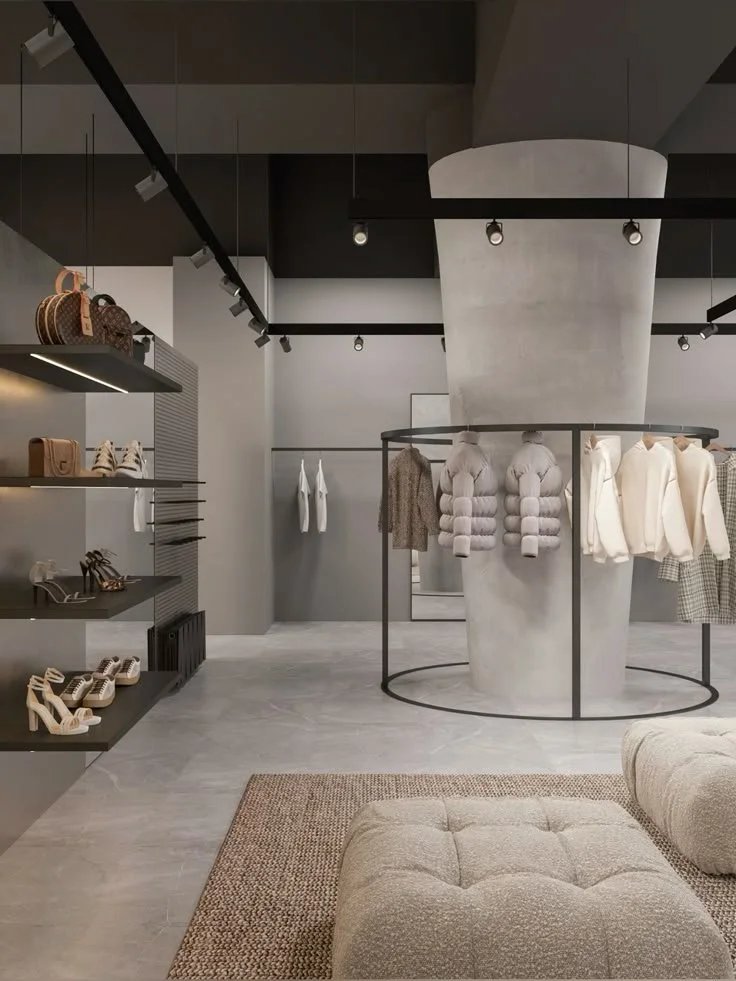
Convenience is a form of hospitality. When visiting your location feels simple, customers arrive in a better mood, stay longer, and are more likely to return. Conversely, confusion and friction—unclear signage, cramped aisles, awkward checkout lines—can quietly reduce sales even if your products and service are excellent.
In this article, you’ll learn practical, high-impact ways to reduce stress points across the entire customer journey, from the curb to checkout. You’ll also see how a few operational habits and small upgrades can make your business feel welcoming, intuitive, and effortless to navigate.
No. 1
Make the Entrance Easy to Find
Your business should be easy to locate from the moment a customer searches for it and pulls up nearby. Even loyal customers can miss an entrance if it blends into the building façade, is blocked by landscaping, or isn’t visible at driving speed. If people have to circle the block, second-guess themselves, or wander around the building, the visit begins with mild frustration—and some visitors will simply leave.
Boost visibility and make your entry unmistakable:
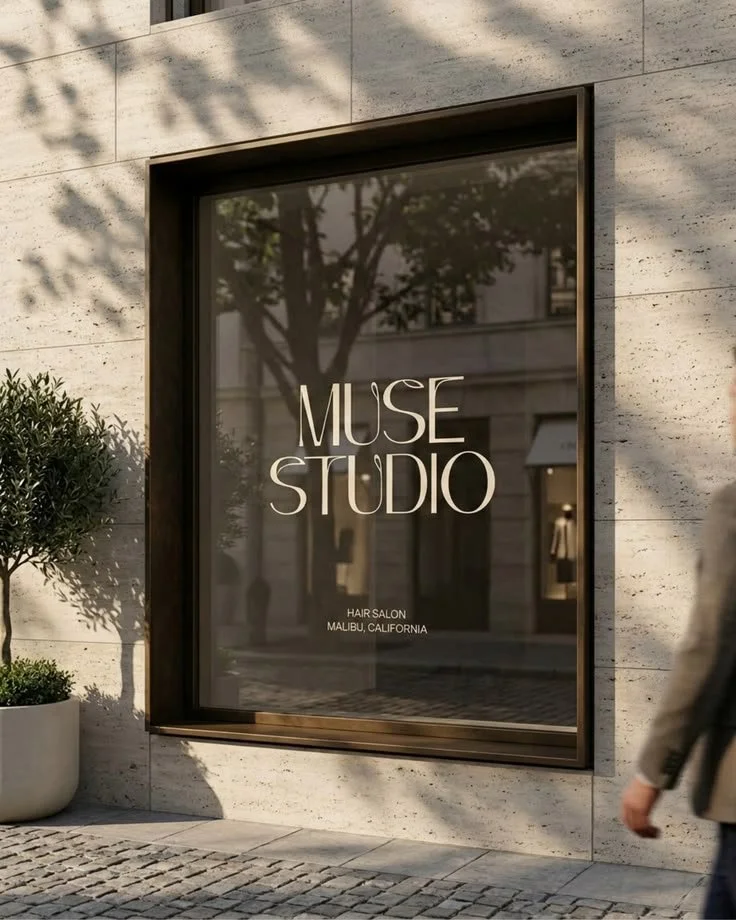
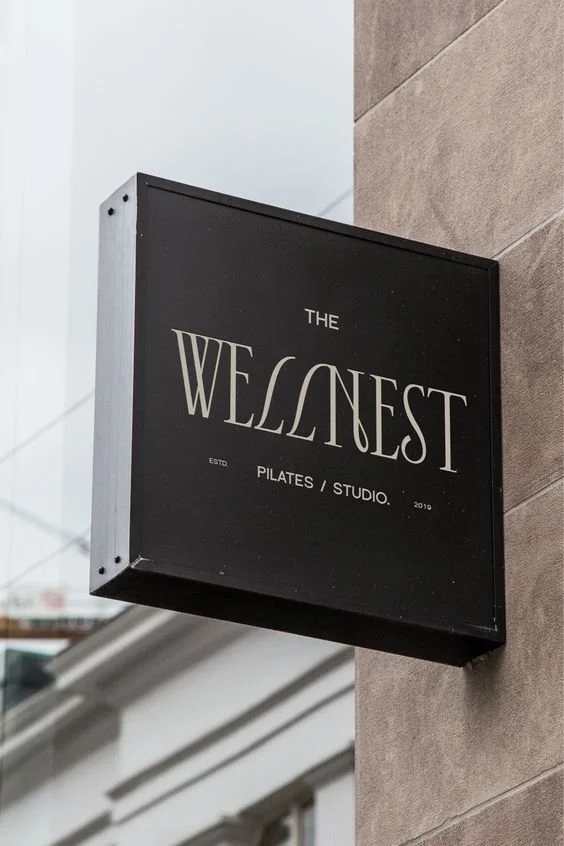
Use clear signage in your brand colors with high contrast (dark text on light background, or the reverse).
Ensure the sign is readable from a distance and at night (good lighting matters as much as design).
Place directional signage where decisions happen—near the driveway entrance, parking lot turns, or sidewalk approach.
Keep the door area visually “active” with a tasteful display, seasonal element, or window feature that signals, this is the place.
Small details that reduce confusion:
If your suite number is hard to see, add it to the door and front window.
If you share a building, add a simple wayfinding sign from the main lot.
If customers commonly enter from a side street, make sure that approach is just as clear.
No. 2
Make the Shop Layout Simple and Intuitive
A beautiful store can still feel stressful if customers don’t know where to go. When shoppers feel uncertain—about where to start, where key products are, or where checkout is—they browse less, ask fewer questions, and often leave earlier than you’d like.
A simple layout lowers mental effort. That matters because people make better purchasing decisions when they feel relaxed, not rushed or lost.
Common layout styles that work well:
Straight path layout: A gentle “guide” from front to back that naturally exposes visitors to key categories.
Open browse layout: A more flexible plan where customers can wander, linger, and discover.
Zone-based layout: Clear sections (new arrivals, best sellers, essentials, seasonal items) that are easy to understand at a glance.
Make navigation effortless:
Group similar items together so shoppers don’t need to hunt.
Keep checkout visible (or clearly indicated) from multiple points in the space.
Avoid creating dead ends or tight corners that cause awkward traffic jams.
Use subtle cues—rugs, lighting, signage, or shelf orientation—to guide flow without being pushy.
A helpful standard: If two people can’t comfortably pass each other in an aisle, the aisle is likely too tight for peak times.
No. 3
Train Staff to Be Genuinely Helpful (Not Overbearing)
Even with the best layout, customers will still need guidance—especially first-time visitors. Staff behavior can either remove friction or add to it. The ideal approach is attentive and supportive without hovering.
Train your team to:
Offer a warm greeting within a few seconds of entry.
Ask an open-ended question (e.g., “What brings you in today?”) instead of a yes/no prompt.
Give simple directions (“Checkout is right up front on the left”) proactively.
Watch for nonverbal cues—wandering eyes or repeated looping often indicate confusion.
Respect browsing time; some customers want help immediately, others want space.
When staff feel confident and empowered to solve small problems—finding an item, explaining options, helping carry purchases—the entire visit becomes smoother and more memorable.
No. 4
Maintain Cleanliness and Clear Pathways
Clutter is one of the fastest ways to make a business feel difficult to navigate. Even if customers don’t consciously notice what’s wrong, they feel it: tight walkways, boxes near displays, and “temporary” storage that never moves.
Keep your space easy to move through:
Remove boxes, restock carts, and extra inventory from customer pathways.
Keep corners and endcaps tidy; these are visual focal points.
Do quick “reset” checks during the day—especially after rush periods.
Make sure the entrance area stays open and welcoming, not crowded with signage stands or random items.
Cleanliness also signals competence. A well-maintained space tells customers you care about details—and that care builds trust.
No. 5
Offer Fast, Flexible Payment Options
Checkout is the final impression of a visit. Long lines, slow card readers, or limited payment methods can undo a great shopping experience in minutes. Customers remember friction at the end because it’s the last thing they feel before leaving.
Reduce checkout hassle by:
Accepting multiple payment methods: cards, tap-to-pay, and mobile wallets.
Ensuring your point-of-sale system is reliable and updated.
Training staff to handle common issues quickly (returns, split payments, discounts).
Keeping a clear queue area so customers know where to line up.
Using small counter signage to answer frequent questions (“Returns within 30 days with receipt”).
If your business gets busy at certain hours, consider a second register, mobile checkout, or a simplified “express” approach for small purchases.
No. 6
Offer Places to Sit (Comfort Is a Competitive Advantage)
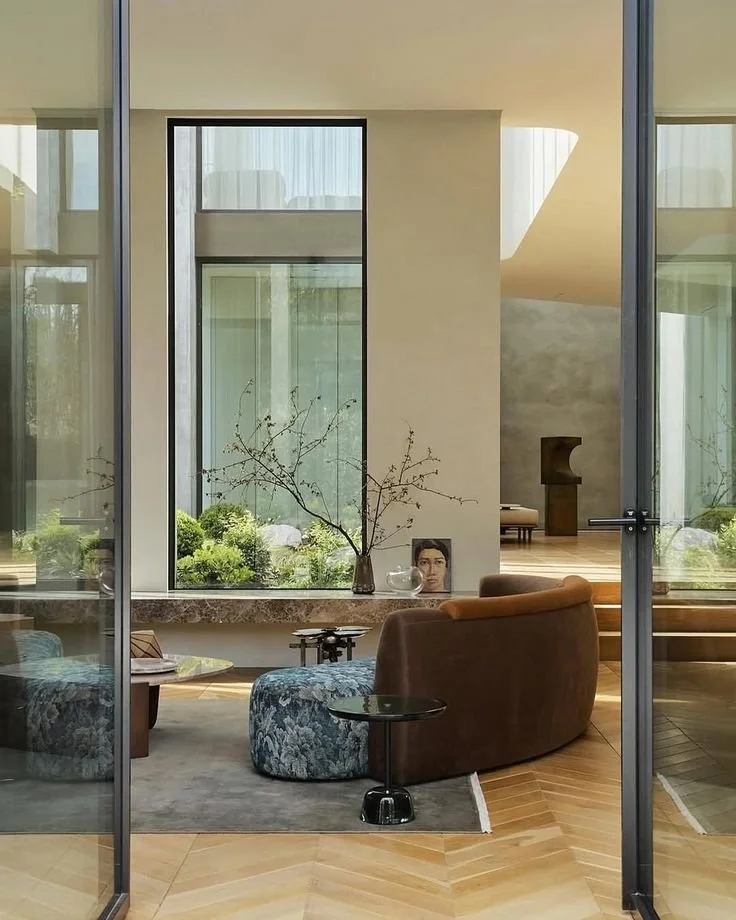
Shopping can be tiring—especially for parents with children, older customers, and anyone with mobility concerns. A small seating area signals that you respect customer comfort and want them to stay.
Simple seating ideas:
A bench near the entrance or fitting rooms (if applicable)
A small chair in a corner with good lighting
A “waiting spot” for companions near checkout
This isn’t just kindness; it’s practical. When one person can rest comfortably, the rest of the group is more likely to keep browsing, which often increases purchase size and time spent in the store.
No. 7
Keep Your Parking Area Organized and Easy to Navigate
The customer experience begins in the parking lot. If parking feels chaotic—unclear spots, confusing flow, potholes, or faded striping—customers arrive stressed before they ever touch the door handle.
A clean, organized exterior creates a strong first impression and reduces safety risks. It also improves traffic flow during peak hours and makes it easier for new visitors to understand where to go.
Ways to improve the parking experience:
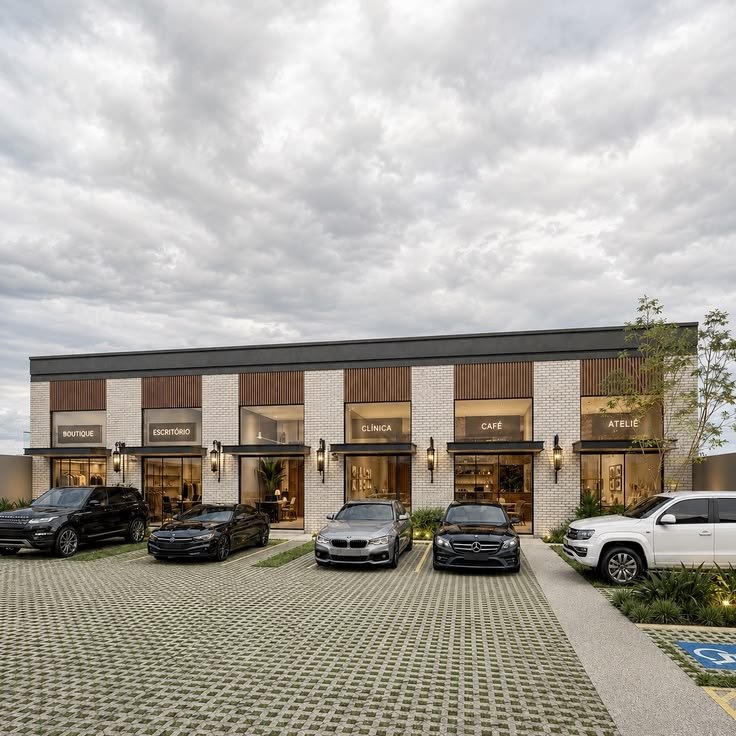
Clearly define parking spaces, driving lanes, and pedestrian paths.
Ensure signage is visible for entrances and exits.
Keep walkways free from debris and standing water.
Upgrade the surface and visibility with improvements such as parking lot paving and markings.
When parking is simple and predictable, customers walk in calmer—and that positive mood carries into the shopping experience.
Takeaways
A hassle-free visit is not an accident; it’s the result of thoughtful design and consistent operations.
In this article, we covered how to make your business easier to visit by improving entry visibility, creating a simple store layout, training staff to assist with confidence, maintaining clutter-free pathways, speeding up checkout with flexible payment methods, offering seating for comfort, and keeping the parking area organized—potentially through upgrades like parking lot paving and markings.
When you remove friction from the customer journey, you communicate respect for people’s time and comfort—and you give them more reasons to return.
Looking for Business resources?
Are you seeking ways to elevate your business to new heights? Dive into the array of resources provided by our esteemed business partners designed to empower your ventures.