How Your Storefront Shapes Loyalty Before Customers Step Inside
Before a customer ever touches a product or greets your staff, they have already formed an opinion about your store. That judgment happens in seconds—while walking past, glancing at your window, or stepping out of their car. Something either draws them in or subtly pushes them away.

Those first impressions don’t just influence a single visit; they shape whether the visit becomes a habit. The look and feel of your storefront, the sense of order, and the small details people barely notice all work together to create a mood. That mood strongly affects whether someone becomes a returning customer or a one-time passerby.
In this article, you’ll learn how first impressions are created outside your store, why they matter psychologically, and what practical elements—design, cleanliness, signage, flow, and consistency—help turn curb appeal into long-term loyalty. The goal is not perfection; it’s coherence: a clear, intentional signal that tells customers what kind of experience they can expect once they step inside.
No. 1
Storefront Design That Feels Like a Lifestyle (Not Just a Display)
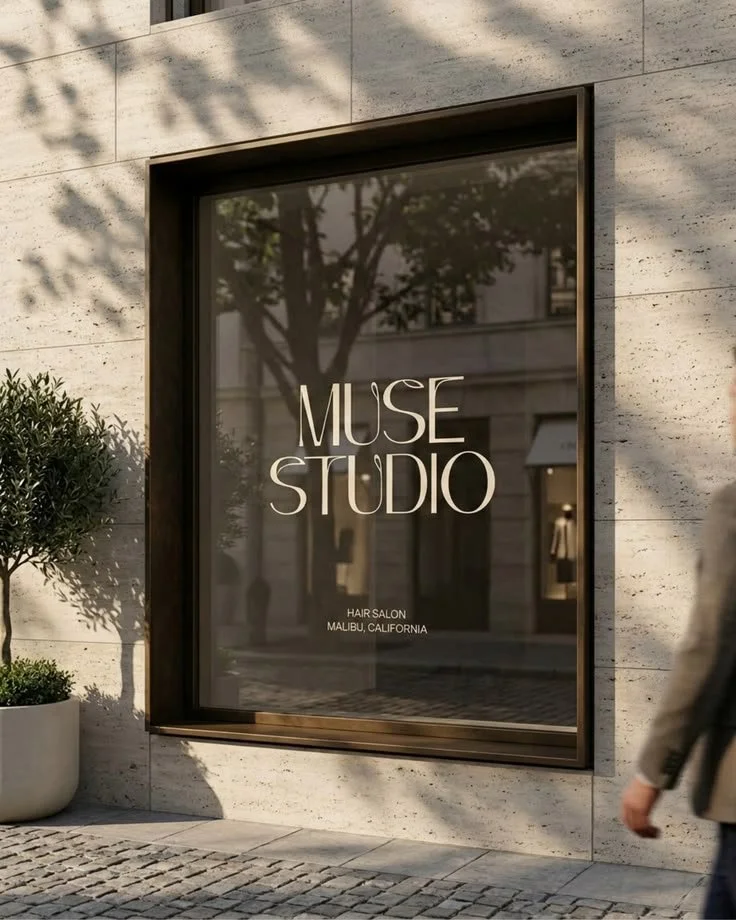
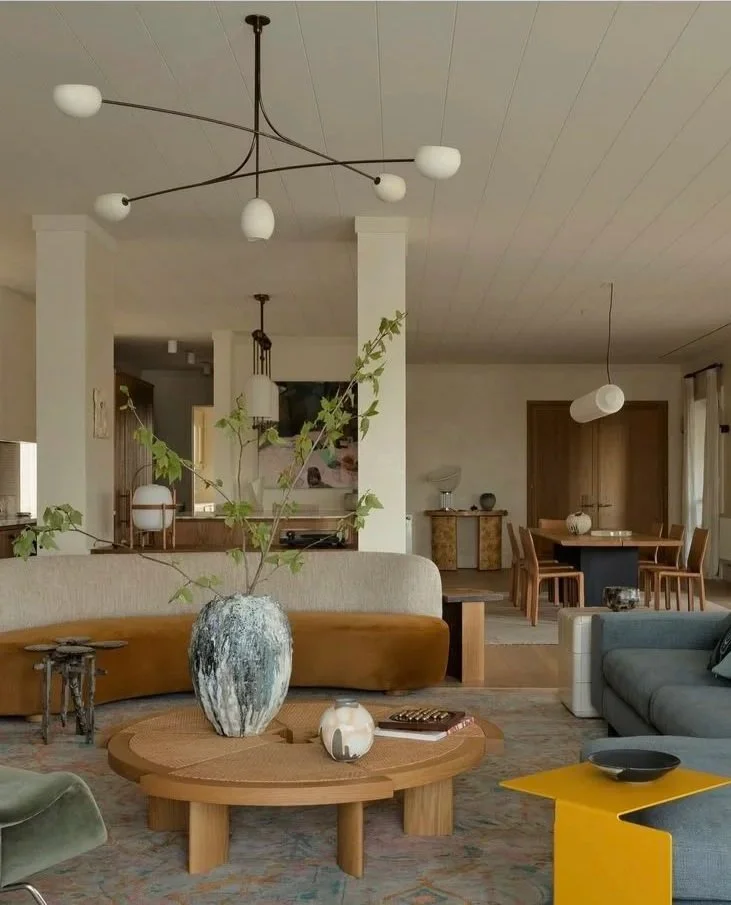
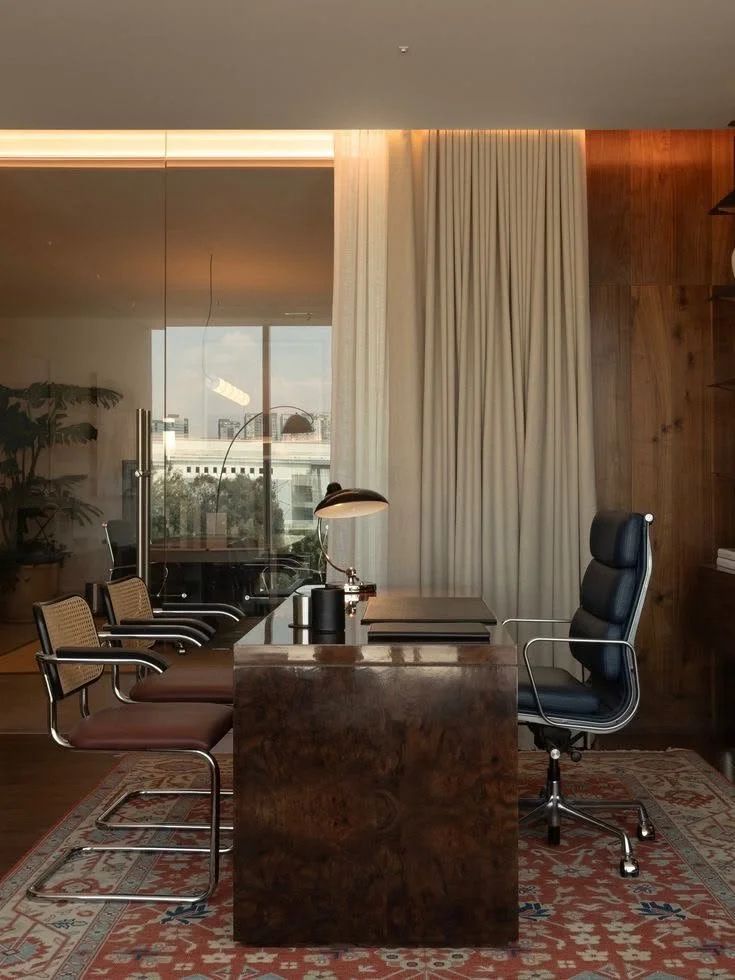
A storefront is not simply a place to show products. At its best, it works like a “preview” of what it feels like to shop with you—your taste, your tone, your standards, and your identity. People are drawn to places that feel aligned with who they are or who they want to be. That’s why the most effective storefronts often communicate a lifestyle rather than a sales pitch.
Your design choices—colors, materials, textures, signage style, lighting temperature, even the negative space around displays—send messages quickly. Customers may not consciously articulate those messages, but they feel them.
Here’s how different choices can shape perception:
Soft neutrals and natural textures can signal calm, simplicity, and premium restraint.
Bold contrast and saturated color often suggest creativity, energy, and trend-forward offerings.
Minimalist storefronts imply clarity, efficiency, and modern sensibility.
Warm, layered visuals can communicate comfort, community, and approachability.
The key is alignment. What you promise outside must match what you deliver inside. If your storefront looks high-end and curated but the interior feels cluttered or poorly organized, the customer experiences a mismatch. Mismatch creates doubt. And doubt is one of the fastest ways to lose trust.
To make your storefront feel cohesive and lifestyle-oriented, focus on:
One clear message: what do you want people to feel in three seconds?
Consistent brand cues: typography, colors, and materials should repeat in subtle ways.
A deliberate focal point: a hero product, seasonal theme, or signature visual that anchors attention.
Simplicity over noise: too many signs, posters, or decals can create “visual fatigue.”
When customers resonate with the story your storefront tells, they begin to imagine themselves as part of it. That mental participation is a powerful step toward purchase—and toward returning.
No. 2
Cleanliness Is a Trust Signal Customers Read Instantly
Cleanliness is one of the fastest trust filters in retail. Smudged windows, dusty signage, litter near the entrance, grimy door handles, or overflowing exterior trash bins create friction. It may not always scare someone away on the spot, but it plants doubt—and doubt quietly reduces retention.
Customers often make a simple leap in logic:
If the outside is neglected, what else might be neglected?
If the entrance is dirty, what does that say about the products?
If the details aren’t cared for, will the service be careless too?
On the other hand, a clean entryway signals attention and competence. It implies that you maintain standards, and that the customer can expect a well-managed environment.
A customer-friendly cleanliness strategy doesn’t require obsessive polishing. It requires consistency and visible care. Consider building a routine around:
Daily quick checks: windows, door, sidewalk, entry mats, and trash.
Weekly deeper cleaning: signage wipe-down, exterior fixtures, corners, baseboards near the entrance.
Seasonal refreshes: paint touch-ups, landscaping trimming, power washing as needed.
Even small changes—like replacing a worn mat or cleaning fingerprints off the door—can noticeably improve the emotional “signal” your storefront sends.
No. 3
The Psychology of Small Details: Order Creates Comfort
Many customers can’t explain why one store feels pleasant and another feels chaotic. Often, the difference is not the product—it’s the micro-experience of arriving. Small details create an unconscious sense of order, and order tends to feel safe.
These details include:
the alignment and readability of signage
the symmetry (or intentional asymmetry) of displays
the ease of navigating the entrance
the lack of physical obstacles near the doorway
the clarity of where to walk, where to pause, and where to enter
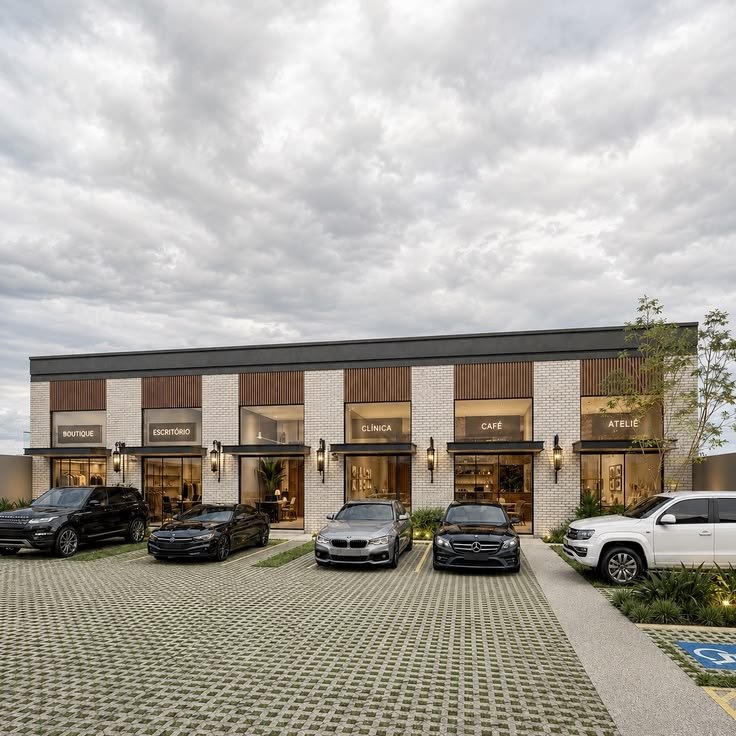
Even “functional” exterior choices—like clearly marked parking spaces and organized striping—contribute to the customer’s perception that the business is well-run. These details rarely stand out individually. But together, they create rhythm: a feeling that everything is intentional, and that the customer can relax.
Order reduces cognitive load. When customers don’t have to think hard about where to go, what to do, or whether they’re in the wrong place, they have more mental energy available for browsing and buying.
To strengthen that feeling of order, prioritize:
Clear pathways from parking or sidewalk to entrance
Uncluttered entry zones (avoid stacked promotional stands blocking movement)
Readable, consistent signage (fewer signs, better placed)
A predictable flow (customers should intuitively know where to start)
Small frictions at the threshold—confusing entrances, cluttered doors, unclear hours—create hesitation. And hesitation is often where customers decide, quietly, to keep walking.
No. 4
First Impressions Shape Emotional Memory (More Than Product Memory)
Customers don’t remember every product they see, but they do remember how a place made them feel. That feeling begins forming seconds before they enter. If the first impression feels welcoming, calm, and aligned with their taste, they carry a positive bias throughout the visit.
That positive bias has real behavioral effects:
they browse longer because they feel comfortable
they ask questions more easily because the environment feels safe
they tolerate minor inconveniences because trust is already forming
they are more likely to buy because their mood supports decision-making
But if the first impression feels cluttered, confusing, neglected, or inconsistent, the bias works against you. The customer becomes more sensitive to issues, less patient, and less willing to explore. Even if your products are strong, the customer’s emotional state may not support engagement.
This is one reason storefront improvements often outperform purely promotional tactics. Discounts bring people in once; atmosphere can bring them back.
If you want a practical way to evaluate the emotional impact of your exterior, try this:
Stand across the street (or in the parking lot) and look at your store as a first-time visitor.
Ask: What do I feel? (Not what do I think—what do I feel?)
Ask: What would I expect the prices to be? The service to be like? The product quality to be?
Compare those assumptions with what you actually offer.
Even something as functional as clearly marked spaces or subtle cues like organized parking lot striping contribute to a sense of order before a customer even reaches your door. When your exterior and interior agree, your brand becomes believable. Believability is a major driver of repeat visits.
No. 5
Consistency Builds Loyalty Over Time: Familiarity Is a Form of Value
A single good first impression is powerful. Consistent good first impressions are transformative.
Customers return not only because they liked your store once, but because they trust the experience will feel the same—or better—each time. That consistency begins outside and flows inward. If your exterior appearance fluctuates (sometimes clean, sometimes messy; sometimes inviting, sometimes neglected), it creates uncertainty. And uncertainty is the enemy of loyalty.
Consistency doesn’t mean staying static or never updating. It means maintaining standards regardless of season, weather, staffing changes, or busy periods. People build habits around places that feel stable. The more stable the experience, the easier it is for customers to choose you without overthinking.
To create exterior consistency, define a few non-negotiables:
windows are always clean enough to be transparent (not hazy)
signage is readable and never faded or peeling
the entrance area is never blocked or cluttered
lighting works reliably in the evening
landscaping (if applicable) looks intentional, not accidental
Then make those standards routine. A simple checklist, assigned responsibilities, and quick weekly reviews can protect your first impression even during high-stress weeks.
No. 6
Turn the “Outside Experience” into a Repeatable System
The most effective retail operators treat first impressions like a system, not a one-time project. It’s tempting to refresh the storefront once a year and hope it carries the brand the rest of the time. In reality, first impressions are built through repetition: the daily accumulation of small signals that tell customers what kind of business you are.
A practical approach is to break the storefront experience into zones:
Approach zone (street view, parking lot, sidewalk visibility)
Threshold zone (door area, hours signage, entry mat, immediate cleanliness)
Preview zone (window display, lighting, brand cues, “what’s inside” feeling)
For each zone, ask:
What is the customer trying to do here?
What could confuse them?
What could make them feel cared for?
What suggests quality without saying a word?
This mindset turns curb appeal into a strategic asset rather than a cosmetic concern.
Takeaways
First impressions in retail are rarely about perfection; they are about coherence.
In this article, we explored how storefront design can communicate a lifestyle that customers want to join, why cleanliness acts as an instant trust signal, and how small details create a sense of order that reduces friction. We also examined how first impressions shape emotional memory—often more strongly than product memory—and why consistency across days and seasons builds loyalty over time.
When your exterior experience is intentional, stable, and aligned with what you deliver inside, customers don’t just visit; they return, because the store feels like a reliable part of their routine.
Looking for Business resources?
Are you seeking ways to elevate your business to new heights? Dive into the array of resources provided by our esteemed business partners designed to empower your ventures.