Planning A Commercial Renovation: What Business Owners Should Prioritize First
A commercial renovation is more than a visual refresh—it is an operational decision that affects safety, customer perception, staff productivity, and the long-term value of your property. Whether you manage a retail storefront, an office suite, a restaurant, a medical practice, or a hospitality venue, renovation work can either remove friction from daily operations or introduce costly disruption if the fundamentals are overlooked.

In this article, we’ll break down what business owners should prioritize first when planning a commercial renovation, starting with structural and systems assessments and moving through workflow, exterior impact, brand alignment, budgeting, and compliance. The goal is to help you make decisions in the right order—so your renovation improves performance, protects your investment, and supports growth rather than creating avoidable setbacks.
No. 1
Assess Structural Integrity and Building Systems First
Before selecting paint colors, fixtures, or finishes, confirm that the building can support your renovation plans safely and reliably. Structural integrity and core systems are the “non-negotiables” that determine whether everything else you invest in will hold up.
Start with professional evaluations of:
Roofing and water intrusion risks (leaks, drainage issues, membrane failure)
Foundation and structural framing (cracks, settlement, load-bearing changes)
Plumbing (pipe condition, pressure, drainage, restrooms, code compliance)
Electrical (panel capacity, wiring safety, modern load requirements)
HVAC (sizing, efficiency, indoor air quality, zoning, ventilation)
Fire protection systems (sprinklers, alarms, egress requirements)
Addressing these items early prevents the classic renovation problem: you finish a beautiful interior only to open up a wall later and discover outdated wiring, deteriorated plumbing, or moisture damage that forces rework. It also reduces schedule risk, because structural and MEP (mechanical, electrical, plumbing) issues are among the most common causes of surprise change orders.
Just as importantly, starting with structural and systems assessments protects people. Safety is not only an ethical responsibility; it also reduces liability exposure and helps maintain business continuity.
No. 2
Prioritize Functionality, Workflow, and Operational Efficiency
A successful commercial renovation should make the space work better—not merely look better. That begins with an honest evaluation of how employees and customers move through the environment each day.
Ask practical questions such as:
Where do customers hesitate, get confused, or form lines?
Are there bottlenecks at entrances, check-in points, or restrooms?
Do employees have the right back-of-house space for storage and prep?
Is there adequate lighting for the tasks performed in each zone?
Are staff areas separated appropriately from customer-facing areas?
Does the layout reduce unnecessary walking and wasted motion?
Functionality improvements often produce measurable returns: faster service, fewer errors, higher productivity, and better customer satisfaction. Even modest changes—like relocating a counter, widening a corridor, improving signage, or upgrading task lighting—can dramatically affect daily operations.
Common workflow-driven upgrades include:
Reconfiguring floor plans for clearer circulation paths
Improving storage design to reduce clutter and time spent searching
Enhancing lighting (ambient, task, and accent layers) for comfort and performance
Acoustic improvements in offices or hospitality spaces to reduce noise fatigue
Accessibility updates that make the space navigable for everyone, including people with mobility aids
When workflow is improved first, design choices become easier because you’re designing around purpose. A renovation that looks impressive but functions poorly will frustrate customers and staff, undermining the value of the investment.
No. 3
Upgrade the Exterior and Protect the First Impression
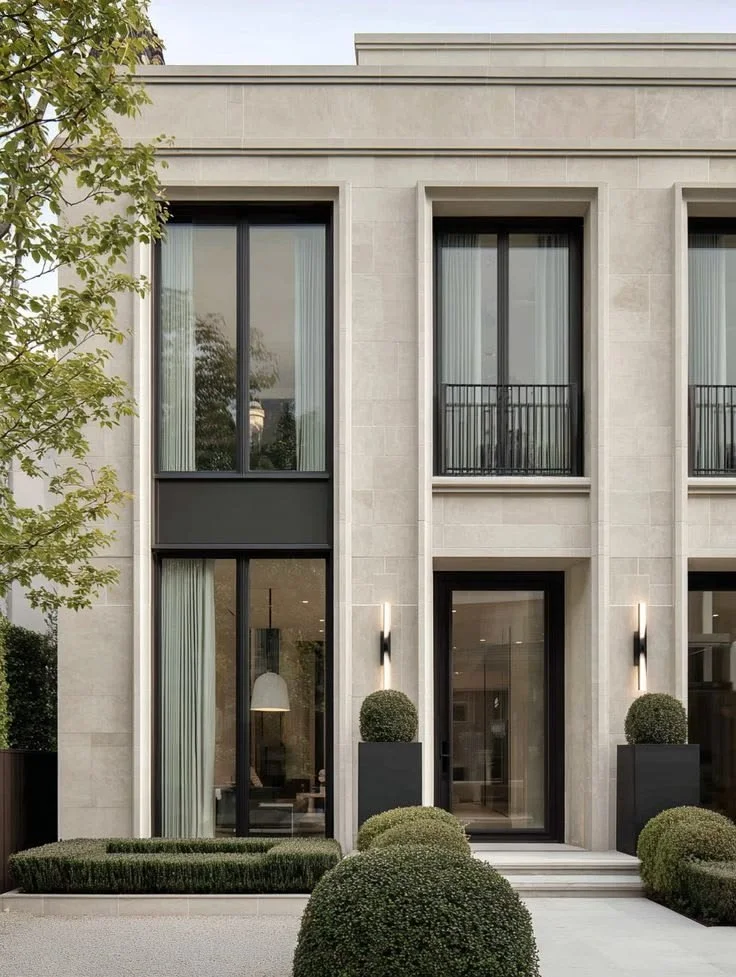
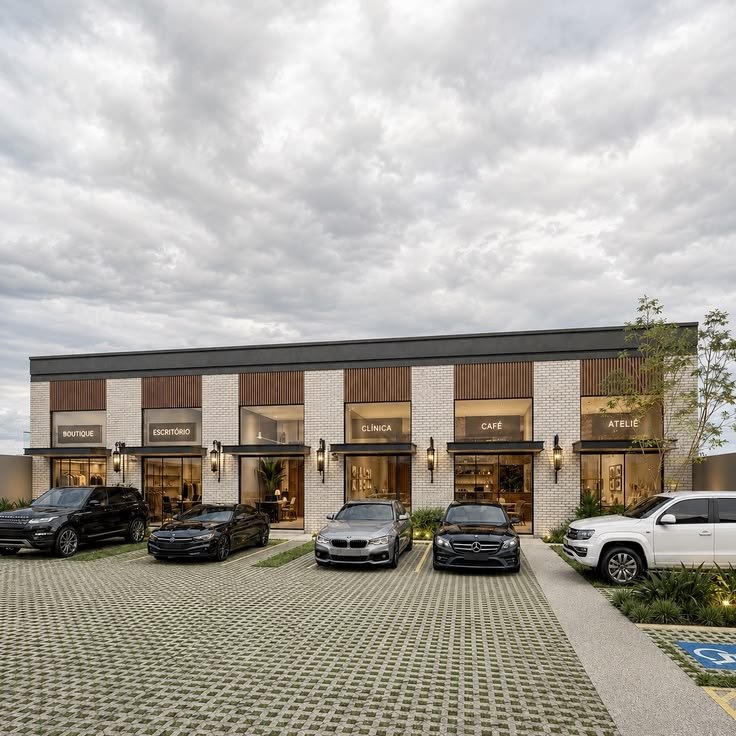
The exterior of your property is often the first—and sometimes the only—chance to shape customer perception. Before anyone experiences your product, service, or atmosphere, they experience arrival: parking, pathways, lighting, signage, and overall upkeep.
Exterior priorities to evaluate include:
Parking lot condition and striping
Walkways and entry paths (cracks, uneven surfaces, drainage issues)
Signage visibility and brand consistency
Exterior lighting for safety and nighttime appeal
Landscaping and cleanliness (including waste areas and service zones)
ADA access routes from the parking to the entry
For businesses in Georgia, particularly in Savannah, working with a reliable concrete paving contractor in Savannah GA can help ensure that driveways, parking lots, and pathways are both durable and visually appealing. Quality paving improves safety by reducing trip hazards, supports better water management, and lowers long-term maintenance costs—making it a smart early investment in many renovation plans.
Curb appeal is not just “nice to have.” It can influence:
whether customers choose to walk in
how premium your business feels
how safe people feel arriving after dark
your exposure to slip-and-fall claims
how well the property holds value over time
If your interior renovation is strong but the exterior is neglected, customers may never get far enough to appreciate what you improved.
No. 4
Align Interior Design With Brand Identity (Without Sacrificing Practicality)
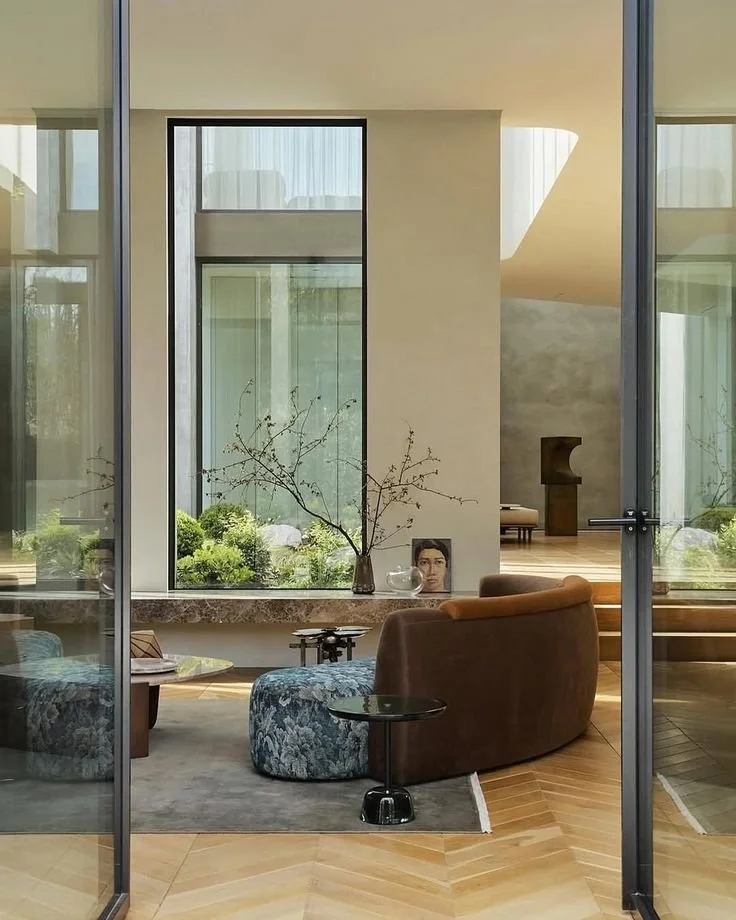
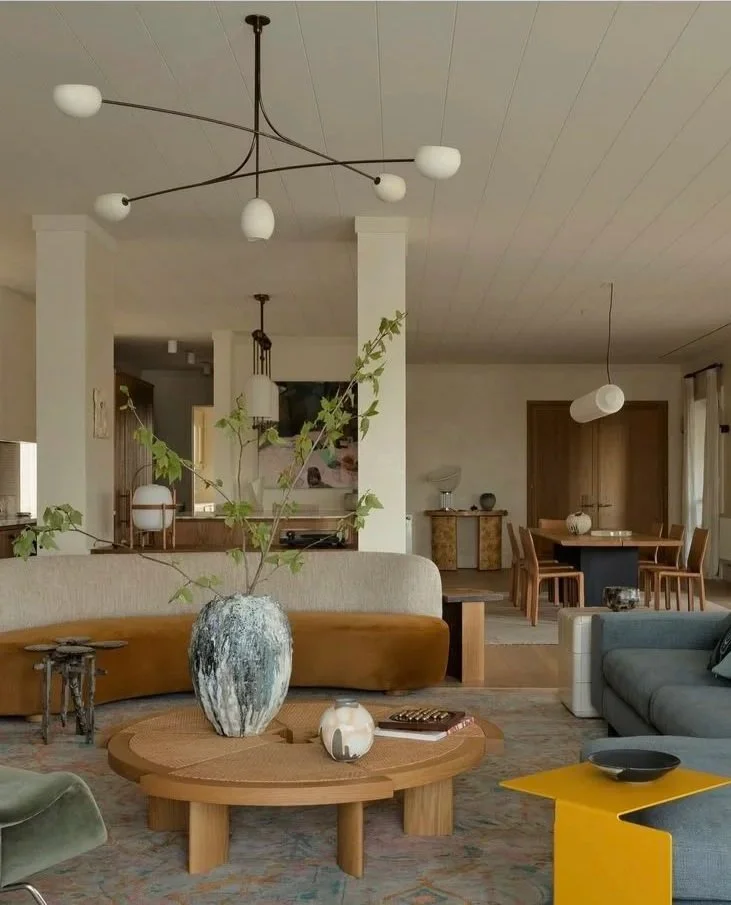
Once you’ve ensured the building is sound and the space functions well, design becomes far more than decoration—it becomes communication. Your environment should reflect your brand’s personality and reinforce what customers should expect from the experience.
A cohesive brand-aligned renovation typically considers:
Color palette and emotional tone (calm, energetic, premium, approachable)
Materials and finishes (durable where needed, elevated where it matters)
Furniture and fixtures that match service style and traffic patterns
Consistency across touchpoints (front desk, waiting area, restrooms, signage)
Lighting design that supports both comfort and brand aesthetic
All elements contribute to the business atmosphere you create.
One important correction many business owners make mid-renovation is realizing that branding is not only visual—it’s behavioral. If your brand promise is “fast and convenient,” your layout must support speed. If your brand is “luxury and calm,” acoustics, lighting temperature, and spatial density matter as much as finishes.
Also, watch for a common pitfall: prioritizing fragile materials in high-traffic zones. A beautiful surface that scratches, stains, or chips easily can quickly make a newly renovated space look worn. Brand expression should be paired with durability, maintenance realism, and lifecycle cost thinking.
No. 5
Build a Strategic Budget (and Fund the Right Things First)
Budgeting is not simply setting a number—it is deciding what you will protect when tradeoffs arise. Most renovations involve constraints, and the best outcomes come from allocating resources in a sequence that reduces risk.
A practical budgeting approach often looks like:
Life-safety and compliance (egress, fire protection, ADA)
Structural and core systems (roof, foundation, electrical, plumbing, HVAC)
Workflow and operational upgrades (layout, storage, lighting, critical equipment)
Exterior first-impression items (paving, signage, lighting, landscaping)
Finishes and decorative elements (paint, feature walls, premium materials)
Additionally, include a contingency fund. Renovations regularly uncover hidden conditions—especially in older buildings—and a contingency prevents those surprises from disrupting your operating cash flow.
Typical contingency ranges vary by scope and building condition, but many owners plan for a meaningful buffer so decisions aren’t forced under pressure. The point is not to spend the contingency; it’s to avoid being cornered by unknowns.
To strengthen budget control:
define scope clearly before construction begins
avoid frequent late-stage design changes
select materials with known lead times (or plan for delays)
get contractor input early to validate feasibility and cost assumptions
document decisions to reduce miscommunication
A budget is also a communication tool. When everyone understands what is prioritized—and why—projects run with fewer conflicts and fewer costly last-minute pivots.
No. 6
Ensure Compliance, Risk Management, and Future-Proofing
Regulatory compliance is not optional, and it should be addressed early rather than treated as a final checklist item. Requirements vary by jurisdiction and building type, but commonly include:
local building codes and permitting requirements
fire safety standards, alarms, sprinklers, and egress rules
accessibility requirements (ADA routes, restrooms, signage, door clearances)
occupancy limits and use classifications
health-related requirements for food service or medical settings
Beyond compliance, a smart renovation is also a future-proofing exercise. If you’re already opening walls, ceilings, floors, and exterior surfaces, consider upgrades that reduce future disruption and cost.
Forward-looking investments may include:
energy-efficient HVAC and lighting to reduce operating costs
flexible layouts that can adapt to staffing changes or new services
durable, maintainable materials to slow wear and reduce replacement cycles
technology readiness (power capacity, data cabling, security systems)
improved indoor air quality for comfort and employee well-being
Future-proofing is especially important for growing businesses. If you expect to expand services, add staff, or adjust your customer experience, design with that evolution in mind rather than building a space that only fits today’s snapshot.
No. 7
Plan Phasing and Business Continuity to Minimize Disruption
Even a well-funded renovation can go wrong if the work disrupts revenue too severely. For many business owners, the biggest risk isn’t construction itself—it’s downtime, customer confusion, and operational friction during the project.
Business continuity planning should cover:
whether work will occur after hours or in phases
how to maintain safe customer pathways and clear signage
dust, noise, and odor management (especially for hospitality or healthcare)
temporary service points (pop-up counters, alternate entrances)
communication plans for staff and customers
delivery and contractor access that doesn’t block operations
If the renovation is extensive, phasing becomes a strategic tool. A phased approach can keep parts of the business open, reduce all-at-once disruption, and help preserve customer habits—so you’re not rebuilding demand after construction ends.
Takeaways
A commercial renovation delivers the best return when business owners prioritize decisions in the right order. In this article, we emphasized starting with structural integrity and core building systems to protect safety and prevent expensive rework.
We then covered why workflow and functionality should guide layout choices, ensuring the renovated space supports staff productivity and customer experience. Next, we highlighted the importance of exterior improvements—especially paving, walkways, signage, and lighting—because first impressions directly influence foot traffic and perceived professionalism, including the value of working with a concrete paving contractor in Savannah, GA, when applicable.
Finally, we outlined how brand-aligned design, disciplined budgeting with contingency planning, strict compliance, and future-proofing choices help create a space that performs well not only at reopening but for years to come.
Looking for Business resources?
Are you seeking ways to elevate your business to new heights? Dive into the array of resources provided by our esteemed business partners designed to empower your ventures.