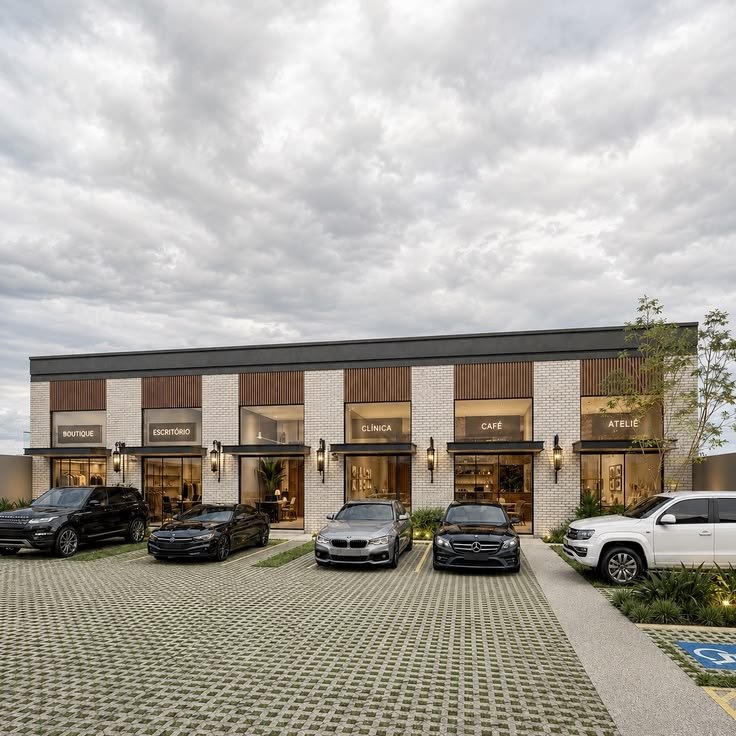
6 Essentials For A Customer-Friendly Parking Lot At Your Small Business
Running a small business means juggling a long list of priorities—training staff, managing inventory, handling customer concerns, and keeping marketing strategies consistent. With so much happening inside your store, it’s easy to overlook the first place customers form an impression: your parking lot. Yet the condition and layout of that space can shape how visitors feel before they ever touch the door handle.

In this article, you’ll learn six practical essentials for creating a customer-friendly parking lot that supports safety, accessibility, and a smoother overall visit. From paving quality and line striping to lighting and drainage, these improvements help you reduce customer frustration, prevent avoidable hazards, and communicate a quiet but powerful message: you care about people’s experience from the moment they arrive.
No. 1
Smooth Paving: Make the First Impression Feel Effortless
A rough, uneven parking lot makes a simple task—parking—feel unnecessarily stressful. Potholes, cracked asphalt, and sunken areas can cause customers to drive more cautiously, second-guess where to pull in, or avoid certain spaces altogether. Over time, poor paving can also contribute to tire wear, alignment issues, and trip hazards for pedestrians moving from their cars to your entrance.
Smooth paving is about more than aesthetics.
It creates:
Safer footing for customers, especially those carrying bags or walking with children
Better traffic flow, since drivers don’t have to weave around damaged areas
Lower liability risk, because fewer hazards exist for slips and falls
A more professional appearance, which subtly reinforces trust in your business
This is why it’s worth investing in a local contractor who understands how asphalt performs in your climate. For example, if your business is in northern Georgia, work with a reputable Atlanta paving contractor. A contractor familiar with local weather swings, rainfall patterns, and traffic conditions can recommend the right materials, thickness, and maintenance approach so your lot holds up longer.
To keep paving in good condition after repairs or installation, consider a basic maintenance rhythm:
inspect quarterly for cracks and low spots
sealcoat periodically (based on contractor guidance and traffic volume)
patch small issues early before they expand
No. 2
Clear Parking Lines: Reduce Confusion and Prevent Minor Accidents
Fresh, visible striping is one of the simplest upgrades you can make—and one of the most impactful. Customers rely on parking lines to judge spacing, align their vehicles, and share the lot comfortably with others. When lines fade, drivers improvise. That can lead to crooked parking, blocked spaces, and frustrating bottlenecks.
Clear markings improve the experience by:
helping drivers park quickly and correctly
preventing door dings and “too-close” parking conflicts
maximizing the usable capacity of your lot
creating predictable movement for both cars and pedestrians
Use durable, weather-resistant paint designed for parking lots, especially if your area experiences heavy rain, extreme heat, or frequent freeze-thaw cycles.
It’s also wise to add:
Directional arrows to guide flow through lanes
“No Parking” zones near fire lanes, delivery areas, or tight corners
Crosswalk markings where foot traffic is highest
If you want to be especially customer-friendly, consider whether your space sizes match how people actually drive today. Many modern vehicles are larger than they were years ago, and overly narrow spaces increase frustration and risk.
No. 3
Easy-to-Read Signs: Help Customers Navigate Without Hesitation
Signage is often overlooked until something goes wrong: a near miss in a tight lane, a customer entering through an exit, or a delivery vehicle blocking access. Good signs quietly prevent these issues by setting expectations before confusion happens.
Customer-friendly signage should be:
Simple: short wording, clear purpose
Visible: placed at driver's eye level with unobstructed sight lines
Consistent: one style and logic throughout the lot
Universal: using widely recognized symbols where possible
At a minimum, most lots benefit from clearly marked:
Entrance / Exit
One-way indicators (if applicable)
Speed reminders in pedestrian-heavy areas
Customer parking vs. employee parking (if you separate them)
Pickup zones for quick in-and-out visits
The goal is to reduce hesitation. When drivers hesitate, they stop unexpectedly. And when cars stop unexpectedly, traffic stacks up, and risk increases.
No. 4
Handicap Accessibility: Make Your Lot Welcoming to Everyone
Accessibility is not just a code requirement—it’s a core part of customer respect. A visitor who uses a wheelchair, walks with a cane, or travels with an elderly parent should not feel like your location is difficult to access or stressful to navigate.
A customer-friendly approach to accessibility includes:
Clearly marked accessible parking spaces close to the entrance
Adequate space width for safe vehicle exit and mobility devices
Curb ramps where needed, aligned with accessible spaces
Smooth, stable walkways from parking to entry
Visible signage that makes accessible routes obvious
Even if you already meet basic legal standards, it’s worth evaluating whether the experience is genuinely easy. For example: Are the accessible spaces frequently blocked? Are ramps placed where people actually need them? Do customers have to travel behind parked cars to reach the entrance?
Small adjustments—like improving paint visibility, adding textured walkways for traction, or clearing obstacles—can significantly improve comfort and independence for many visitors.
No. 5
Good Lighting: Increase Safety, Comfort, and Confidence After Dark
Lighting affects how safe people feel—and how safe they actually are. A dim parking lot can create anxiety, particularly in the evening or early morning. Poor lighting also makes it easier for customers to trip on uneven pavement, miss a curb, or struggle to locate their car.
Strong lighting supports:
Personal safety for customers walking to and from vehicles
Property protection, discouraging vandalism or theft
Better visibility, reducing the chance of minor collisions
A smoother close-up experience, especially for staff locking up
For best results:
Install evenly spaced lights to reduce dark pockets
Prioritize walkways, entrances, and crosswalk areas
Use lighting that minimizes harsh glare while still being bright enough
Consider motion-activated features where appropriate to improve visibility and reduce energy use
Maintenance matters here, too. A single dead fixture can create a shadowed zone that makes customers uneasy. Build light checks into your routine property walk-throughs.
No. 6
Proper Drainage: Prevent Puddles, Damage, and Slips
Drainage problems are often mistaken for “minor inconvenience” issues—until they create real hazards or expensive repairs. When water pools in random areas, customers may step into puddles, slip on algae growth, or be forced to walk in driving lanes to avoid wet spots. Over time, standing water also accelerates pavement deterioration, contributing to cracks, potholes, and base failure.
A customer-friendly drainage setup helps you:
reduce slip-and-fall risk
protect the lifespan of asphalt or concrete
prevent ice patches in colder months
keep walkways and parking spaces usable after storms
Practical drainage actions include:
ensuring the lot is properly sloped toward drains
inspecting after heavy rain to identify pooling areas
clearing debris from grates and channels
repairing low spots promptly before they worsen
If puddles persist in the same areas, it may indicate grading issues that require professional correction. Fixing drainage early is often far less expensive than rebuilding damaged pavement later.
Takeaways
Your parking lot is not just a functional surface—it’s the first chapter of the customer experience.
In this article, we covered six essentials that make a small business parking lot more customer-friendly: smooth paving, clear parking lines, readable signage, genuine handicap accessibility, strong lighting, and reliable drainage. Together, these improvements reduce confusion, increase safety, and reinforce trust before customers even walk inside.
When you treat the parking lot as part of your service—not an afterthought—you make every visit feel easier, safer, and more welcoming from the moment people arrive.
Looking for Business resources?
Are you seeking ways to elevate your business to new heights? Dive into the array of resources provided by our esteemed business partners designed to empower your ventures.