7 Simple Outdoor Upgrades That Make Your Commercial Space More Inviting
Whether you manage an office building, retail storefront, medical practice, hospitality site, or rental property, the exterior of your commercial space matters far more than many owners realize. Before anyone reads a sign, meets your staff, or experiences your services, they form an opinion based on what they see outside: the lighting, the walkways, the landscaping, and how easy it feels to arrive and navigate.

A welcoming exterior doesn’t just “look nice.” It signals professionalism, improves safety, supports accessibility, and can even influence how long people stay on-site and how likely they are to return. The best part is that you don’t need a full-scale renovation to achieve meaningful results.
In this article, you’ll find seven practical, budget-conscious outdoor upgrades that can significantly improve curb appeal and function—helping customers, tenants, and visitors feel comfortable from the moment they arrive.
No. 1
Create Comfortable Waiting or Break Areas
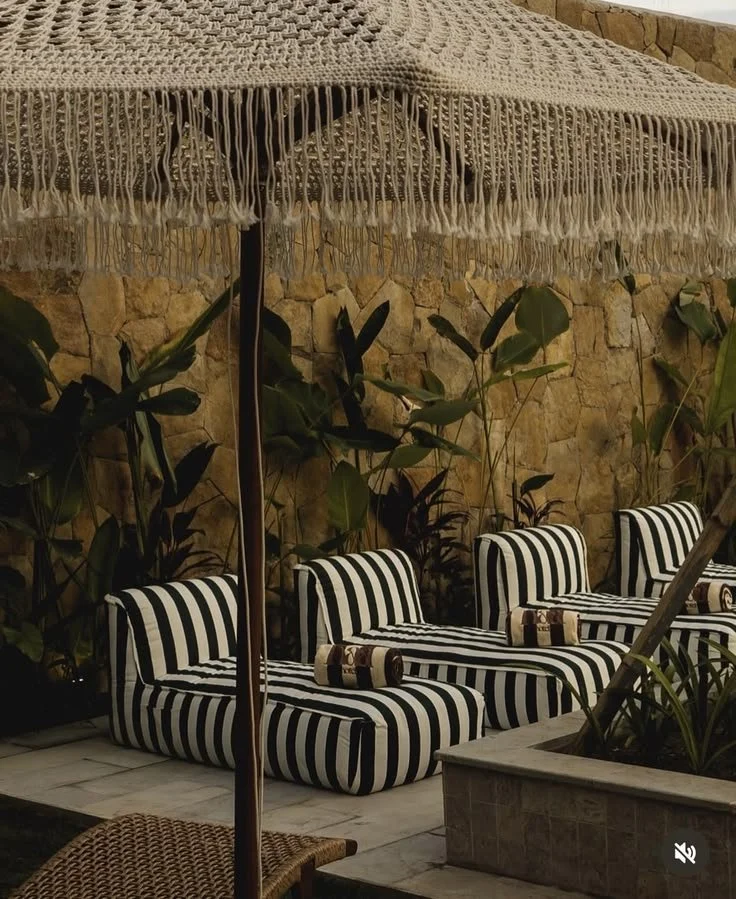
Even modest outdoor seating can add real value to a commercial property. A well-placed bench, a compact patio set, or a small break area communicates that the space is designed for people—not just for transactions. For customers, it creates a more relaxed arrival experience. For employees and tenants, it becomes a functional amenity that can improve satisfaction and day-to-day comfort.
This is particularly effective for:
medical and professional offices where visitors may arrive early
retail spaces where companions wait while others shop
multi-tenant buildings where employees appreciate an outdoor break option
service businesses (salons, repair centers) where short waits are common
How to make it work without overbuilding
You don’t need a complex outdoor lounge to see benefits.
Focus on details that make the space feel intentional:
Choose seating that is durable, stable, and easy to clean
Place seating near entrances—but not where it blocks foot traffic
Add a small trash receptacle nearby to keep the area tidy
Consider a few planters or a simple backdrop to make it feel inviting
A comfortable waiting or break area is one of the fastest ways to make a property feel more “human,” and that perception often carries into how people feel about the business itself.
No. 2
Add Clean, Low-Maintenance Landscaping
Landscaping is one of the simplest ways to improve curb appeal, and it often offers one of the highest returns in visual impact. You don’t need elaborate designs or high-maintenance plantings to create a polished, professional look. In fact, in commercial settings, restraint usually looks better: clean edges, healthy greenery, and consistent maintenance.
Well-executed landscaping helps:
frame entrances and signage so they stand out
soften hardscape areas like parking lots and walkways
make the property feel cared for and higher quality
improve tenant and visitor perception before they even park
Low-maintenance improvements that still look premium
Mulch refresh for beds and tree rings
Simple shrubs that hold shape well with minimal trimming
Seasonal flowers in contained planters for controlled color
Defined borders along walkways and curbs for crisp lines
Removal of dead plants and replacement with hardy varieties
The goal is not complexity—it’s consistency. A clean, low-maintenance landscape plan helps your property stay presentable without constant attention.
No. 3
Improve Exterior Lighting for Safety and Ambience
Good exterior lighting is both a practical and aesthetic upgrade. It affects how safe people feel walking to their car, approaching an entryway, or navigating steps and ramps—especially during winter months or evening hours. Poor lighting can create liability risks and reduce foot traffic comfort, while good lighting can make the entire property feel more secure and more welcoming.
Lighting upgrades are especially important for:
businesses operating after dusk
properties with high pedestrian movement
areas with stairs, ramps, or uneven surfaces
parking lots and side entrances that people use regularly
What to focus on
Bright, consistent lighting at entry points
Well-lit walkways that minimize shadows and blind spots
Parking area lighting that supports visibility and comfort
Fixtures that match your building’s style (clean design matters)
If you want to elevate the look further, consider warmer-toned lighting near entrances and more functional, brighter lighting for parking and perimeter zones. Done correctly, lighting increases perceived safety and helps the space feel active and well-managed.
No. 4
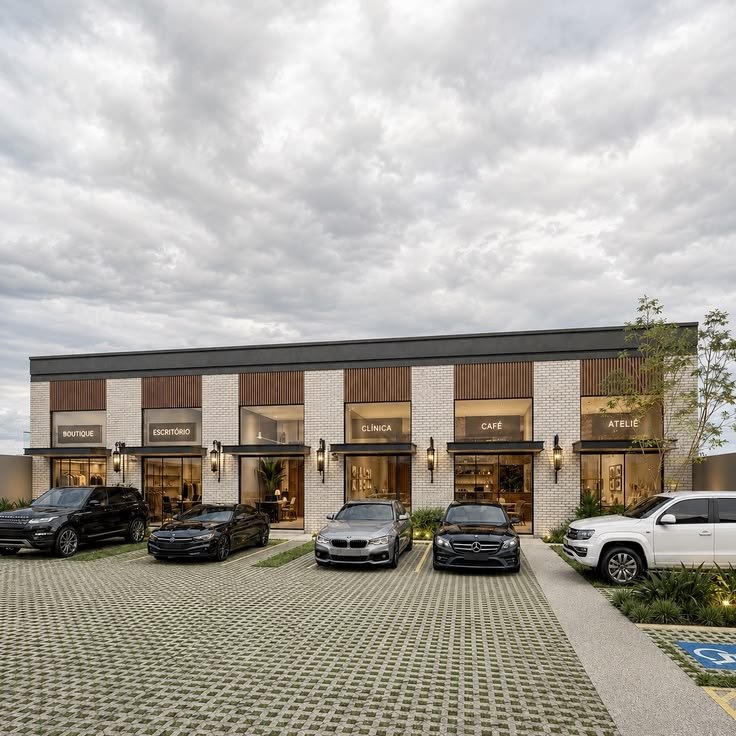
Upgrade Walkways and Parking Areas
The condition of your walkways, curbs, and parking areas directly shapes the arrival experience. Cracks, potholes, uneven pavement, and failing edges don’t just look bad—they can cause trips, falls, and vehicle damage. They also create a subtle message that maintenance is reactive instead of proactive.
Improving pavement and pedestrian surfaces helps:
reduce liability exposure
improve accessibility for strollers, carts, and mobility devices
make traffic flow smoother and less confusing
strengthen curb appeal immediately
If you’re planning a surface upgrade, investing in professional services like asphalt paving Columbia MD can help ensure the property remains safe, accessible, and visually appealing. Experienced crews can deliver durable paving solutions designed for regular traffic while maintaining a clean, finished look that supports a strong first impression.
High-impact pavement improvements to consider
Repair potholes and failing sections before they spread
Seal cracks to limit water intrusion and freeze-thaw damage
Resurface worn areas that have widespread deterioration
Refresh striping and directional markings after repairs
When walkways and parking areas are smooth and clearly maintained, the entire property feels more organized and more trustworthy.
No. 5
Add Shade and Weather Protection
Exterior comfort drops quickly when visitors are exposed to harsh sun, wind, or rain. Shade and weather protection make a property more usable and more considerate—particularly for customers with children, older visitors, or anyone carrying items to and from their vehicle.
Even small additions can improve the experience:
awnings at entrances
covered walkways or canopies
shaded seating zones
strategic tree placement (where appropriate and safe for roots)
Why shade matters beyond comfort
Shade also protects materials. It can reduce heat buildup on certain surfaces, slow fading of signage, and make outdoor waiting areas more viable during warm seasons. For businesses in climates with unpredictable weather, adding protection can increase accessibility and reduce complaints related to unpleasant entry conditions.
No. 6
Design Clear and Functional Layouts
A welcoming property is easy to understand. Visitors should immediately know where to park, where to walk, and where to enter—without second guessing or feeling awkward. Confusing layouts create friction, and friction reduces satisfaction before the customer even reaches your front door.
Clear layouts support:
smoother traffic flow
fewer near-misses and bottlenecks in parking areas
easier access for deliveries and service vehicles
a calmer, more professional arrival experience
Practical layout upgrades
Improve directional signage and entry markers
Repaint faded striping and add arrows where needed
Separate pedestrian paths from vehicle movement where possible
Use landscaping or curbing to guide movement naturally
Confirm accessible parking and routes are clearly designated
A clean layout isn’t just good design—it’s operational efficiency. It reduces confusion, saves time, and improves safety.
No. 7
Focus on Low-Maintenance, Durable Materials
Commercial properties live or die by long-term upkeep costs. The best exterior upgrades aren’t only attractive on day one—they continue to look professional with minimal ongoing effort. Choosing durable materials for outdoor surfaces and fixtures helps reduce repair cycles, control maintenance budgets, and keep the property presentable across seasons.
Low-maintenance choices are especially important for:
multi-tenant sites where wear is constant
retail lots with heavy turnover and traffic
properties with limited on-site maintenance staff
owners who want predictable operating costs
Examples of smart material decisions
Durable, well-installed asphalt that balances performance and cost
Commercial-grade exterior seating and fixtures designed for weather exposure
Landscape selections that don’t require weekly intensive care
Lighting fixtures built for longevity and easier servicing
When you plan upgrades with durability in mind, you avoid the trap of “cosmetic fixes” that look good briefly but become expensive headaches later.
Takeaways
Improving your commercial property’s exterior doesn’t require a full renovation. Strategic, practical upgrades—like adding comfortable seating, choosing clean low-maintenance landscaping, improving exterior lighting, and upgrading walkways and parking areas—can dramatically increase how welcoming your space feels.
In this article, we also covered the value of shade and weather protection, clear functional layouts, and durable low-maintenance materials that keep your property looking professional over time. With thoughtful planning and consistent upkeep, your exterior can enhance safety, strengthen curb appeal, and reflect the quality of your business from the moment someone arrives.
Looking for Business resources?
Are you seeking ways to elevate your business to new heights? Dive into the array of resources provided by our esteemed business partners designed to empower your ventures.