Custom Recreational Spaces Boost Commercial Property Value
Commercial properties are evolving in ways that would have felt ambitious just a decade ago. Today, success is no longer measured only by location, square footage, and baseline functionality; it is increasingly tied to how a property makes people feel and what it enables them to do. Guests want places that feel like destinations, residents want communities that support their lifestyle, and employees want environments that make the workday more enjoyable and sustainable.
In this article, we will explore why custom recreational spaces are in growing demand across commercial real estate, with particular attention to markets like Tampa, Florida. We will also break down which sectors are driving the trend, what “customization” really means in practice, and how developers can design amenities that are attractive, durable, and financially strategic.
No. 1
Why Commercial Properties Are Investing in Custom Recreation
The demand for higher-quality recreational space is driven by a simple reality: people value experiences, and they increasingly choose properties based on how well those properties enhance daily life. Amenities have become a decision factor rather than a nice extra, influencing booking rates, lease renewals, and brand perception.
From a business standpoint, recreational features can do more than beautify a property. They can increase dwell time, improve satisfaction, and create marketing assets that travel organically through photos, reviews, and social media.
Key business benefits for owners and operators
Stronger first impressions
Visitors make quick judgments, and outdoor amenities shape those perceptions immediately
Increased on-site engagement
Recreational zones encourage people to stay longer, gather more often, and use more services
Differentiation in crowded markets
When nearby properties offer similar units and pricing, amenities become the tie-breaker
Higher retention and repeat usage
Tenants renew more often, and guests are more likely to return when amenities feel memorable
Potential revenue opportunities
Cabana rentals, private event bookings, food and beverage sales, and premium unit pricing
Swimming pools remain one of the most requested and high-impact amenities in many commercial developments. However, owners are moving well beyond standard rectangles with a few lounge chairs. More projects are prioritizing distinctive, brand-aligned outdoor environments, which is why many Florida developers partner with a custom pool builder in Tampa to create aquatic spaces that balance aesthetics, function, and long-term value.
No. 2
Why Tampa Is a Case Study for This Trend
Tampa is an especially clear example of where and why custom recreational amenities are accelerating. The region’s warm climate, strong tourism economy, and growing population all amplify the value of outdoor living. In a market where people can enjoy outdoor spaces for much of the year, recreational amenities are not seasonal extras; they are central to the property’s appeal.
Market factors making Tampa ideal for outdoor amenity investment
Climate supports year-round usage
Pools, courtyards, and outdoor lounges become everyday features rather than occasional perks
Tourism raises hospitality standards
Guests compare properties quickly and often choose based on amenity experience
Population growth increases competition
As new developments enter the market, standing out becomes more difficult without unique features
Lifestyle expectations are outdoors-oriented
Residents and visitors look for relaxation, social interaction, and wellness opportunities
In practical terms, Tampa developments that treat outdoor space as a core asset often compete more effectively than those that treat it as leftover square footage.
No. 3
Hospitality Properties Are Leading the Amenity Race
Hotels and resorts have long understood that amenities shape reviews, ratings, and return visits. What has changed is the level of expectation. Many travellers now assume they can get a clean room and decent service almost anywhere; what they want is an experience worth paying for and remembering.
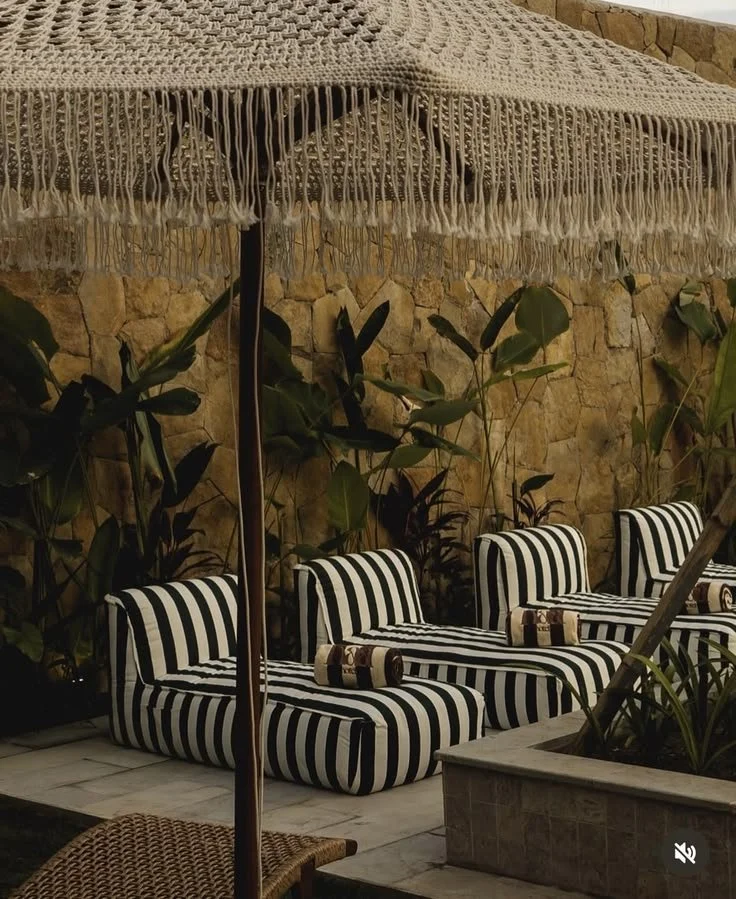
Custom recreational spaces help hospitality brands create a distinct identity. A pool deck can become a signature setting, and outdoor features can reinforce a property’s positioning, whether that means family-friendly, wellness-focused, luxury, or entertainment-oriented.
Recreational features gaining traction in hospitality
Custom pool concepts
Resort-style layouts, unique shapes, integrated spas, or design-forward finishes
Outdoor lounges and social zones
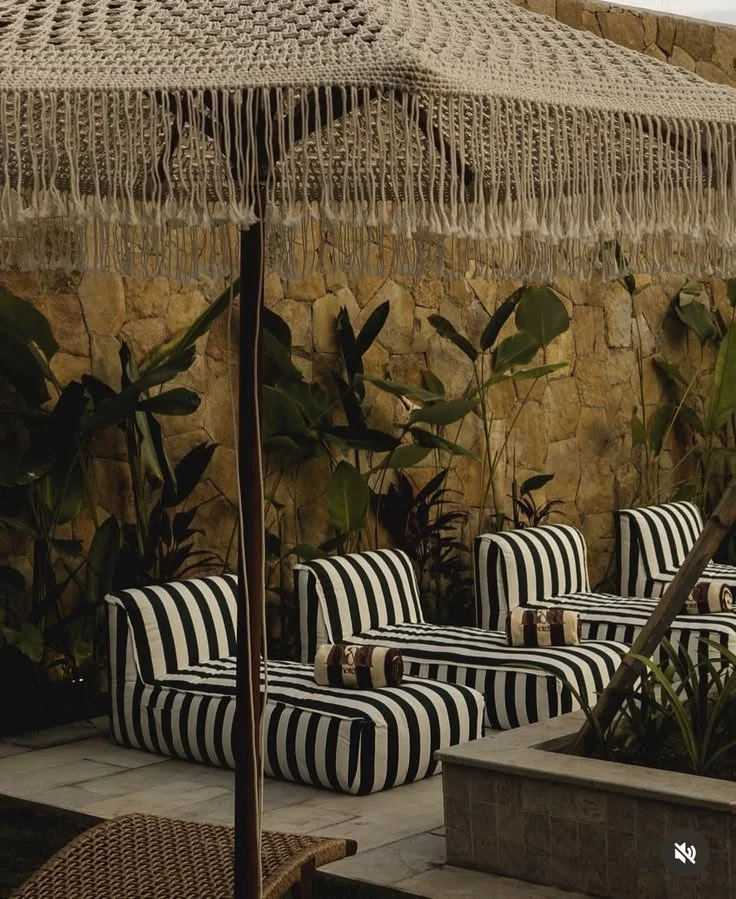
Fire features, shaded seating, conversation pits, and flexible gathering areas
Cabanas and premium experiences
Bookable spaces that can create incremental revenue while elevating perceived value
Water features and visual focal points
Elements that improve ambience and provide strong photo opportunities
Entertainment-friendly layouts
Space for live music, events, movie nights, or group activities
Vacation rental communities are also leaning into this trend as competition increases. In many markets, unique amenities are the deciding factor that turns a listing into a booking, particularly for groups and families searching for a “stay that feels like a destination.”
Why custom amenities influence reviews and occupancy
They create “shareable” moments guests post online
They support relaxation and leisure without leaving the property
They help justify premium rates when the experience feels elevated
They reduce the risk of negative comparisons to nearby alternatives
No. 4
Multifamily Developments Are Raising Amenity Standards
Multifamily housing has shifted from a purely functional offering to a lifestyle product. Renters increasingly evaluate communities based on how well they support daily routines: working out, meeting neighbours, hosting friends, and decompressing after work.
As a result, recreational amenities have become central to leasing strategy. A well-designed outdoor area can create a community identity, improve resident satisfaction, and elevate a property’s competitive position.
Popular recreational amenities in apartment communities
Resort-style pools and sun shelves
Features that signal “vacation at home” and elevate the property’s perceived quality
Outdoor kitchens and grilling areas
Social, practical, and highly used for gatherings
Shaded seating and co-working-adjacent outdoor space
Useful for residents who want fresh air without losing comfort
Fitness zones beyond the indoor gym
Turf areas, stretching zones, or wellness-focused outdoor layouts
Pet-friendly recreational areas
Dog runs, wash stations, and shaded seating for pet owners
For owners, these features are not just visual upgrades. They can reduce vacancy, shorten lease-up timelines, and support higher renewal rates by improving daily livability.
Operational and financial impacts for multifamily owners
Improved occupancy through stronger first impressions during tours
Higher retention due to community satisfaction and lifestyle alignment
Better tenant quality fit when the amenities match the intended demographic
Potential for premium pricing when the property experience feels distinct
No. 5
Customization: What It Really Means (and Why It Matters)
Customization is often misunderstood as purely aesthetic. In reality, the strongest projects use customization to align outdoor space with a specific audience, operational plan, and brand identity. Generic amenity packages can feel interchangeable; customized environments create a more deliberate experience.
A luxury property may prioritize refined finishes and privacy, while a family-oriented development may focus on interactive zones and safe visibility. The key is that customization allows a property to make intentional choices rather than defaulting to what competitors are doing.
Examples of customization by audience type
Luxury or boutique positioning
Elevated materials, quieter seating zones, integrated lighting, refined landscaping
Family-oriented communities
Shallow play areas, open sightlines, flexible seating clusters, durable surfaces
Young professionals
Social layouts, photo-friendly design, outdoor work zones, event-ready spaces
Wellness-focused concepts
Calm water features, spa elements, shaded relaxation zones, movement-friendly pathways
No. 6
Balancing Aesthetics with Durability and Maintenance
Great recreational spaces must work operationally, not just photograph well. Commercial environments require durability, code compliance, and long-term maintainability. If an amenity is expensive to maintain or frequently out of service, it becomes a liability rather than a competitive advantage.
Thoughtful design considers how the space will be used daily, how staff will maintain it, and how it will perform over time in local conditions.
Practical considerations that protect long-term value
Material selection and wear resistance
Choose surfaces that handle heavy foot traffic and weather exposure
Safety and compliance
Ensure appropriate slip resistance, visibility, and code-aligned layout decisions
Maintenance planning
Account for cleaning access, equipment placement, and repair practicality
Shade and comfort
Comfortable outdoor spaces require sun management through structures and landscaping
Flow and capacity
Design for peak usage so the space does not feel cramped or chaotic
Custom design plays a critical role here because it allows owners to prioritize both experience and operations, rather than sacrificing one for the other.
No. 7
Designing Recreational Spaces That Improve Profitability
To create real ROI, amenities should support a property’s broader business goals. That means connecting design decisions to measurable outcomes such as retention, reviews, revenue, and brand visibility.
Amenity strategies that typically support ROI
Create focal points that strengthen marketing
Signature pools, unique lounge zones, and photogenic design features often become key selling assets
Offer tiered experiences
Premium cabanas, reservable spaces, or event add-ons can generate incremental income
Support community programming
Spaces designed for events make it easier to host gatherings that improve satisfaction and engagement
Integrate amenities with nearby revenue centres
Bars, cafés, retail, or concierge services benefit when recreational zones increase foot traffic
The most profitable recreational environments are those that are intentionally designed, actively used, and easy to maintain.
Takeaways
Custom recreational spaces are becoming a defining feature in commercial real estate because people increasingly choose properties based on experience, not just function. In this article, we will explore how this shift impacts hospitality, multifamily housing, and mixed-use developments.
Markets like Tampa highlight the value of outdoor amenities due to climate, tourism, and competitive development activity. Custom features, especially well-designed pool environments, help properties stand out, improve satisfaction, and support stronger retention and pricing.
The best results come from thoughtful customization that matches the target audience while balancing aesthetics with durability and maintenance needs. When designed strategically, recreational amenities can strengthen brand identity, increase engagement, and improve long-term profitability and property value.
Looking for Business resources?
Are you seeking ways to elevate your business to new heights? Dive into the array of resources provided by our esteemed business partners designed to empower your ventures.