Why The Best Business Proposals Feel Personal
A strong business proposal can be a thing of beauty, explaining numbers, timelines, and deliverables in a way that is memorable and easy to understand. The best proposals do more than outline what will happen; they help the reader feel why it matters and why you are the right person or team to deliver it. When the stakes are high and the options are many, clarity is not enough on its own.

In this article, we will explore how storytelling strengthens business proposals, why presentation influences perception, and how consistency builds trust from the first page to the final signature. You will also find practical ways to structure your narrative, tighten your messaging, and present your materials in a way that feels intentional and credible.
No. 1
People Connect with Meaning, Not Just Details
Facts do matter. Clear pricing, realistic timelines, and technically sound proposals are not a “nice to have”; they are essential. Yet even the most accurate information can be ignored if the reader cannot quickly understand the purpose behind it, the problem it solves, and the outcome it enables.
Storytelling does not mean turning a proposal into a dramatic performance. It means arranging information so the reader can follow a logical journey: what is happening now, what needs to change, what success looks like, and how you will get there. When people emotionally understand the value of the future you are describing, they become more willing to engage with the specifics that support it.
What “story” means in a proposal
A clear context that shows you understand the current situation
A defined challenge that the reader recognises as real and urgent
A vision of success that feels concrete and measurable
A plan that explains how the vision becomes reality
A reason to trust you as the guide for that journey
Why meaning makes details more persuasive
It reduces cognitive load by giving the reader a framework
It makes trade-offs easier to accept, such as budget or timeline choices
It helps stakeholders explain the decision internally to others
It creates momentum, turning the proposal into a shared direction rather than a list of tasks
A thoughtfully managed proposal helps someone imagine the future you are describing. It creates a sense of direction rather than simply listing services or objectives.
No. 2
Subtle Storytelling Is Often the Most Effective
Many people resist storytelling because they picture something overly emotional, theatrical, or vague. In business communication, the best narrative is usually quiet and structured. It shows up in the order you present ideas, the way you frame the client’s needs, and how you move from problem to solution without forcing the reader to connect the dots.
Subtle storytelling also protects credibility. It allows your proposal to feel confident, grounded, and professional while still being engaging and human.
Techniques that create a narrative without “fluff”
Lead with a short situation summary that proves you listened
Use cause-and-effect language to connect recommendations to outcomes
Replace generic promises with specific results and constraints
Use consistent terms for the same concepts so the reader never has to guess
Tie each deliverable to a problem it solves
A simple narrative structure you can reuse
The present: what is happening and what it is costing the business
The goal: what the future should look like and how it will be measured
The plan: your approach, phases, and responsibilities
The proof: examples, case studies, or relevant experience
The next step: decision process, timelines, and onboarding
When people feel connected to the vision, they pay closer attention to the mechanics. The numbers start to feel like enabling factors rather than obstacles.
No. 3
Presentation Shapes Perception More Than Many Teams Realise
The way information is delivered influences how it is received. A rushed or disorganised presentation can unintentionally undermine a proposal that is otherwise strong. Even if your strategy is solid, confusion in the document signals risk, and risk is what decision-makers try to reduce.
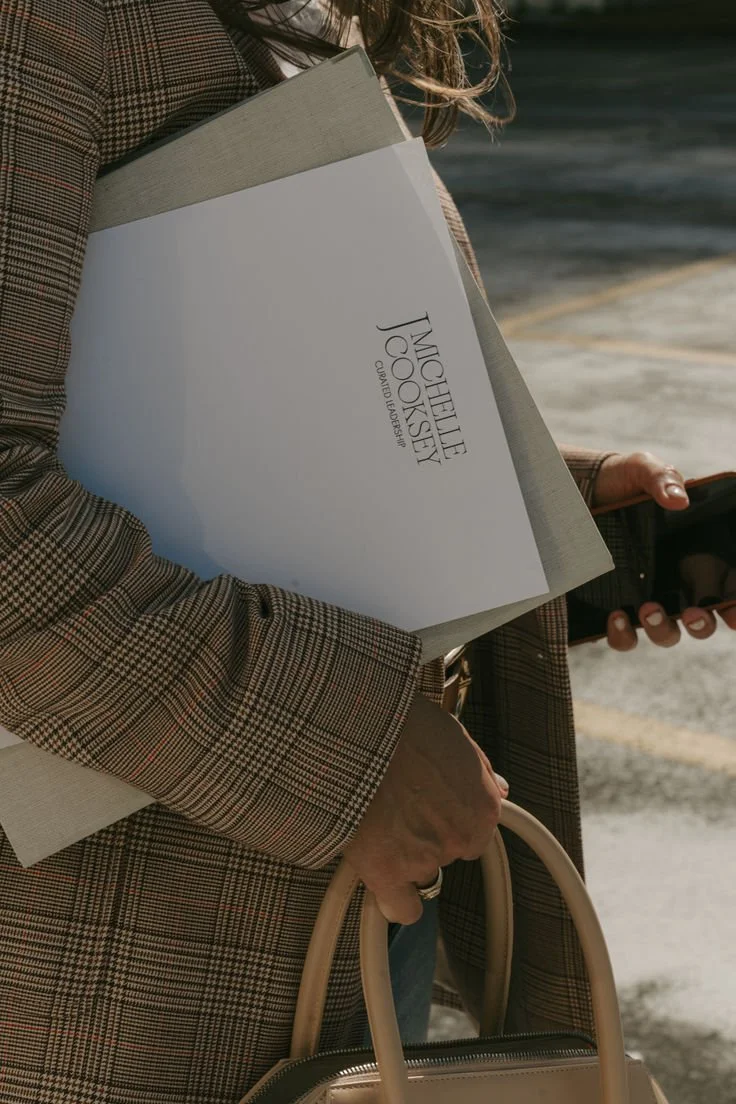
Carefully prepared materials, on the other hand, communicate thoughtfulness before a single word is spoken. Many businesses go to the lengths of investing in custom presentation folder printing because physical materials create a more intentional, more memorable experience during important conversations. If a document or folder has clearly had some thought put into it, it creates a kind of bond that can make people go back to it again and again, and really think about what’s inside.
Presentation alone will never replace the substance of a message. But when meaningful ideas are paired with organised, professional materials, the message becomes clearer and more impactful. People also remember experiences that feel considered, especially when they are making decisions involving money, reputation, or long-term partnership.
Presentation signals you are safe to work with
Organization suggests you can manage complexity
Clean formatting suggests attention to detail
A logical flow suggests you can lead a process
Consistency suggests reliability over time
A polished delivery suggests you value the relationship
Proposal formatting choices that improve readability
Use clear section headings that match the decision-making flow
Keep paragraphs short and focused on one idea
Use bullet points for requirements, inclusions, and assumptions
Add whitespace so the document feels calm rather than crowded
Ensure tables and timelines are easy to scan on screen and on paper
No. 4
Trust Is Built Through Consistency, Not Persuasion
One of the most overlooked elements of business communication is consistency between message and presentation. If a company speaks about care, attention to detail, and professionalism, people will expect these qualities to appear throughout the proposal. That includes your scope of work, your visuals, your follow-up emails, and even small details like naming conventions or how you label attachments.
This is where many proposals quietly fail. They may sound confident, but the details feel improvised. Or the design looks expensive, but the thinking is unclear. In both cases, inconsistency creates friction, and friction slows decisions.
Areas where consistency matters most
Voice and tone: the same level of professionalism throughout
Terminology: one label per concept, used consistently
Numbers: alignment between pricing, scope, and timelines
Visual identity: consistent fonts, spacing, and layout choices
Process: clear handoffs, responsibilities, and communication cadence
How to make the proposal feel like a relationship, not a transaction
Write in a collaborative tone that still preserves authority
Show you understand stakeholder concerns, not just project tasks
Include assumptions and boundaries to prevent future misunderstandings
Define success metrics so everyone agrees on what “good” means
Outline a clean next step that reduces decision fatigue
In many ways, proposals work best when they feel less like a transaction and more like the beginning of a relationship. A clear story, supported by thoughtful materials and genuine intention, helps create that feeling in a natural way.
No. 5
Practical Ways to Add Storytelling Without Making It Longer
A common concern is that storytelling will expand the proposal and overwhelm the reader. In practice, a good narrative often reduces length because it forces clarity. When you know what story you are telling, you stop including sections that do not serve the outcome.
The key is to add meaning through structure, not through extra paragraphs.
High-impact additions that barely add word count
A one-paragraph executive summary that states the problem and outcome
A short “Why this matters now” section to create urgency
A simple phased roadmap that shows how progress will be delivered
A “What success looks like” list with measurable indicators
A brief risk and mitigation section to show foresight
Questions to test whether your proposal has a clear story
Can a reader explain the goal after one minute of scanning?
Is the problem described in the client’s language rather than yours?
Does every deliverable map to a business outcome?
Are the next steps obvious and easy to follow?
Does the tone match the level of investment and responsibility?
The strongest presentations do not rely on persuasion alone. They create trust by helping people feel confident in, and ready to sign up to, the message and the people behind it.
Takeaways
A compelling business proposal combines accurate details with a clear narrative that helps the reader understand the why behind the work. When meaning leads, timelines and pricing feel like logical steps toward a shared outcome.
Presentation influences credibility because it signals organisation, care, and professionalism before the reader evaluates the substance. Thoughtful materials, including options like custom presentation folder printing, can make the experience feel more intentional and memorable.
Consistency across message, structure, and delivery is what ultimately builds trust. When your proposal reads like the start of a relationship rather than a one-off transaction, decision-makers feel safer saying yes.
Looking for Business resources?
Are you seeking ways to elevate your business to new heights? Dive into the array of resources provided by our esteemed business partners designed to empower your ventures.