Small Space Living: Creative Solutions For Your Home
Living in a smaller home does not mean sacrificing comfort, personality, or good design. In fact, compact spaces often feel warmer and more intentional because every item has a purpose and every surface contributes to the overall look. The key is to stop thinking in terms of “not enough room” and start thinking in terms of “better use of room.”
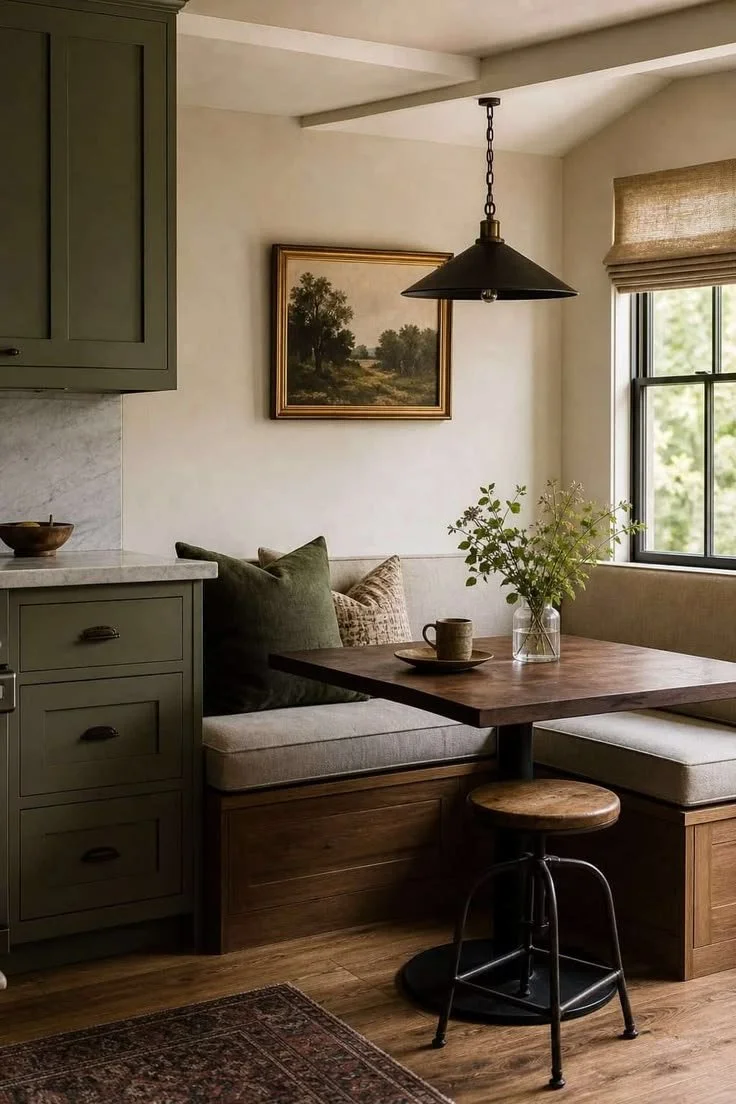
In this article, we will explore practical, design-forward strategies that help you maximize a small space without making it feel cramped. From using overlooked corners to choosing multi-functional furniture, building vertical storage, and keeping clutter under control, these ideas are meant to make your home easier to live in every day while still reflecting your style.
No. 1
Make Every Corner Count
Small homes rarely lack space entirely; they lack usable space. The difference often comes down to corners, nooks, and awkward zones that are ignored because they do not fit standard furniture sizes. When you learn to treat these spots as opportunities, the room becomes more functional without adding a single square foot.
Before purchasing anything, do a slow walk-through and identify areas that are not pulling their weight. Corners, window walls, the space behind doors, and narrow strips beside large furniture are common “dead zones” that can be turned into storage or comfort features.
High-Impact Places to Reclaim Space
Look for these underused areas and consider how they could work harder:
Odd corners that could fit floating shelves or a narrow corner cabinet
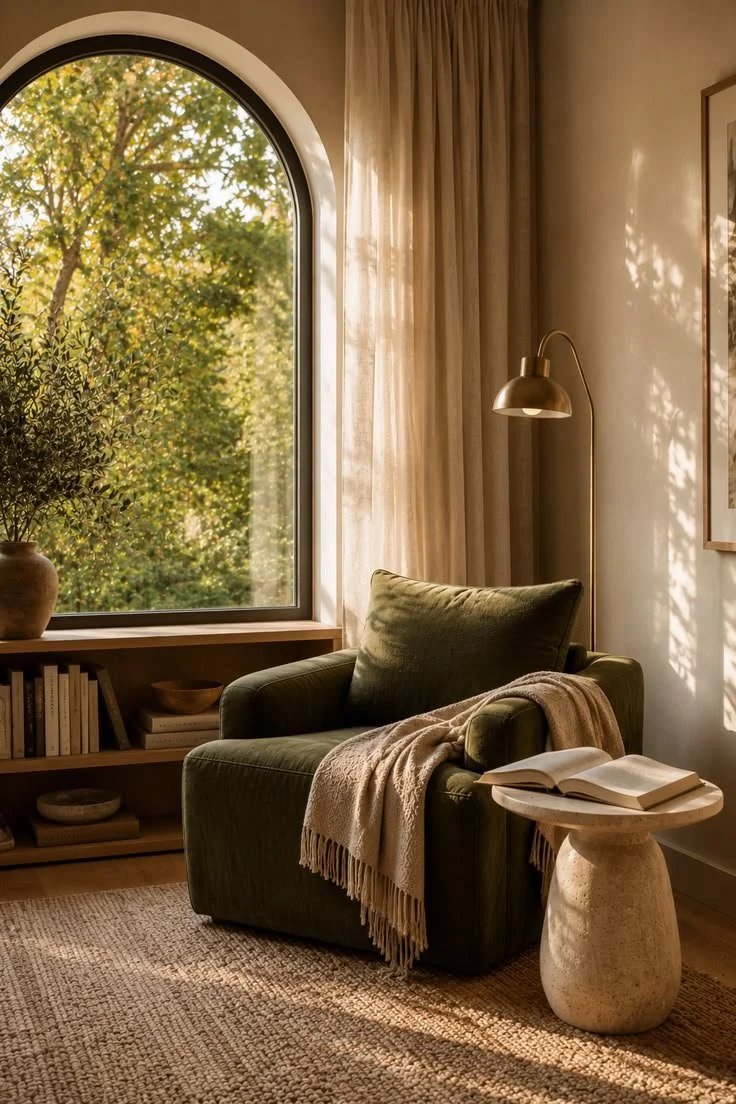
The space under windows that could become a reading bench or low storage
Wall space above radiators where heat-safe shelving can hold lightweight items
Narrow gaps between furniture and walls that could house a slim rolling cart
The area behind a door that can hold hooks, a hanging organizer, or a shallow shelf
Small Design Moves That Make a Room Feel Larger
In compact rooms, perception matters as much as storage.
These clever small space design ideas can make your space feel more open:
Place taller items near corners to draw the eye upward and increase visual height
Keep pathways clear and avoid blocking natural walking lines through the room
Use fewer, larger decorative items rather than many small ones that create “visual clutter”
Choose furnishings with legs or open bases so more floor area remains visible
When “problem areas” are treated as design features, your home begins to feel custom rather than constrained.
No. 2
Try DIY Space-Saving Projects for Custom Fit
Sometimes, the right piece for your home does not exist in a store because your space has very specific dimensions. That is where do-it-yourself solutions become especially valuable. DIY projects can help you build pieces that fit precisely, cost less than custom furniture, and look more cohesive than temporary fixes.
These projects do not need to be complicated. Simple framing and basic materials can create functional, clean-looking furniture that feels intentionally designed.
Beginner-Friendly DIY Builds for Small Homes
Consider these projects if you want high utility with manageable effort:
A narrow console table for an entryway or hallway
Floor-to-ceiling open shelving that uses vertical space efficiently
A slim bench with storage inside for shoes, bags, or linens
A wall-mounted fold-down desk for work-from-home needs
Over-the-toilet shelving or a recessed-style cabinet look using shallow frames
Planning Tips That Prevent DIY Regrets
Before you cut wood or buy hardware, make sure the project solves the right problem:
Measure the space twice, including baseboards, trim, and door swing clearance
Decide what the piece must store and how frequently you will access those items
Prioritize safety, including wall anchors for tall furniture and proper weight support for shelves
Match finishes to existing elements so the piece feels “built in,” not added on
A well-chosen DIY project gives you storage and function, but it also adds character. In a small home, that combination is what makes a space feel complete.
These projects don't have to be hard. With simple materials like sturdy 4x2 timber, you can build easy, nice-looking frames for shelves or a slim bench. A DIY project not only solves a storage problem but also adds a personal touch to your home that you can't buy.
No. 3
Choose Multi-Functional Furniture That Earns Its Place
In a small home, every item should contribute more than one benefit whenever possible. Multi-functional furniture reduces clutter, improves circulation, and makes rooms easier to reconfigure for different needs such as working, hosting, or relaxing.
This does not mean your home has to feel like a set of transforming gadgets. The best pieces look normal, but they quietly do more behind the scenes.
Furniture Ideas That Do Double Duty
Look for items that combine comfort, storage, and flexibility:
An ottoman with internal storage for blankets, games, or seasonal décor
A lift-top coffee table that can serve as a dining surface or work desk
A sofa with a pull-out bed for guests, especially in studio layouts
Nesting tables that expand when needed and tuck away afterward
A storage bed with drawers underneath to replace a dresser in tight bedrooms
What to Check Before You Buy
Functional furniture is only helpful if it is easy to use.
Evaluate these details:
Does it open smoothly and safely without needing to move other furniture first?
Is the storage space truly usable, or is it too shallow or awkwardly shaped?
Will it be comfortable enough for everyday use, not just occasional use?
Does it fit through your doorways and stairwells during delivery?
The goal is to reduce the total number of items you need while keeping your space comfortable and functional.
No. 4
Use Vertical Storage to Keep Floors Clear
When you cannot expand outward, the smartest move is to build upward. Walls are your most underused asset in small-space living, and vertical storage makes rooms feel lighter because it frees floor space and reduces surface clutter.
Vertical organization also helps you create “zones,” which is essential in open or compact layouts. When everything is at one level, the room can feel busy. When items are distributed thoughtfully, the space feels calmer and more intentional.
Vertical Storage Options That Work in Most Rooms
These ideas are versatile and can be adapted to different aesthetics:
Tall, narrow bookcases instead of short, wide units
Floating shelves for books, décor, and everyday items
A pegboard for kitchens, offices, or craft areas
Wall-mounted nightstands or shelves to replace bulky bedside tables
Hooks and rails for bags, coats, towels, or frequently used tools
How to Make Vertical Storage Look Clean, Not Crowded
Vertical solutions can become visually messy if they are not curated.
To keep them stylish:
Group items in threes or simple clusters rather than scattering objects
Leave intentional empty space on shelves to avoid a cluttered look
Use matching containers or baskets to create consistency
Keep the most frequently used items at easy reach and store backups higher up
A vertical approach keeps your home functional while maintaining breathing room in the layout.
No. 5
Declutter to Reduce Stress and Increase Usable Space
A small home can feel peaceful and spacious when it is well edited, but it can feel overwhelming if clutter builds up. Decluttering is not about being extreme; it is about removing friction from everyday life. When you have fewer unnecessary items, you spend less time cleaning, searching, and reorganizing.
If you want an immediate improvement without buying anything, decluttering is the highest-return change you can make.
Practical Decluttering Rules That Actually Stick
Instead of trying to purge everything at once, use simple systems:
One in, one out: for every new item, remove one item you no longer need
The “use it or store it” rule: if it lives on the counter, it must be used often
The “one-touch” habit: put items back immediately rather than creating piles
A seasonal review: reassess clothing, décor, and supplies every few months
Make Organization Easy to Maintain
Once you declutter, the next step is keeping what remains easy to manage:
Assign each category a home, such as cables, papers, tools, or toiletries
Store items close to where you use them to reduce daily mess
Use bins and containers to prevent drawers from becoming catch-all zones
Label storage in shared spaces so other household members can help maintain order
Minimalism is not about having less for the sake of it. It is about making space for what you actually use, enjoy, and value. It’s about being thoughtful about what you own, even when choosing a stylish dog crate.
Takeaways
Small-space living becomes dramatically easier when you treat overlooked areas as functional zones rather than wasted gaps. By reclaiming corners, window walls, and narrow strips of space, you can increase usability without changing your home’s footprint.
DIY projects and multi-functional furniture reduce the need for extra pieces, helping rooms feel calmer and more flexible. Vertical storage completes the strategy by freeing floor space and creating cleaner, more organized sightlines.
Decluttering is the foundation that makes every other improvement work better. When you maintain simple routines and give items clear “homes,” even a tiny space can feel open, comfortable, and beautifully intentional.
Looking for Home resources?
Looking to enhance your living space and create a sanctuary that supports your well-being? Explore our home partners who offer a wide range of resources to elevate your home environment.