Planning A Corporate Event: Three Key Considerations To Ensure Success
Organizing a corporate event is an exciting opportunity to bring people together, showcase your company’s vision, and create lasting impressions. However, it can also be a source of stress—especially if it’s your first time managing such a project. From selecting the right venue to coordinating logistics and ensuring everything runs smoothly, the process can feel overwhelming.
In this article, we’ll walk you through three essential considerations that will help you plan a successful corporate event with confidence. By focusing on your objectives, choosing the right venue, and structuring the day effectively, you’ll be well on your way to hosting a memorable and impactful event.
No. 1
Clearly Define Your Objective
One of the most common mistakes in planning a corporate event is skipping the foundational step of defining the event’s purpose. Without a clear objective, it becomes difficult to make informed decisions about the format, content, and logistics.
Ask the Right Questions:
What is the primary goal of the event?
Are you launching a new product, celebrating a milestone, or fostering team engagement?
Who is your target audience—employees, clients, stakeholders, or a mix?
You may have been assigned the task without much direction, or perhaps you have a vague idea of the event’s purpose. Either way, take the time to clarify the “why” behind the event. Once your objective is well-defined, every other decision—from the venue to the agenda—will become much easier to manage.
A well-articulated goal serves as your event’s compass, guiding every planning decision and ensuring alignment with your company’s broader vision.
No. 2
Choose the Right Venue
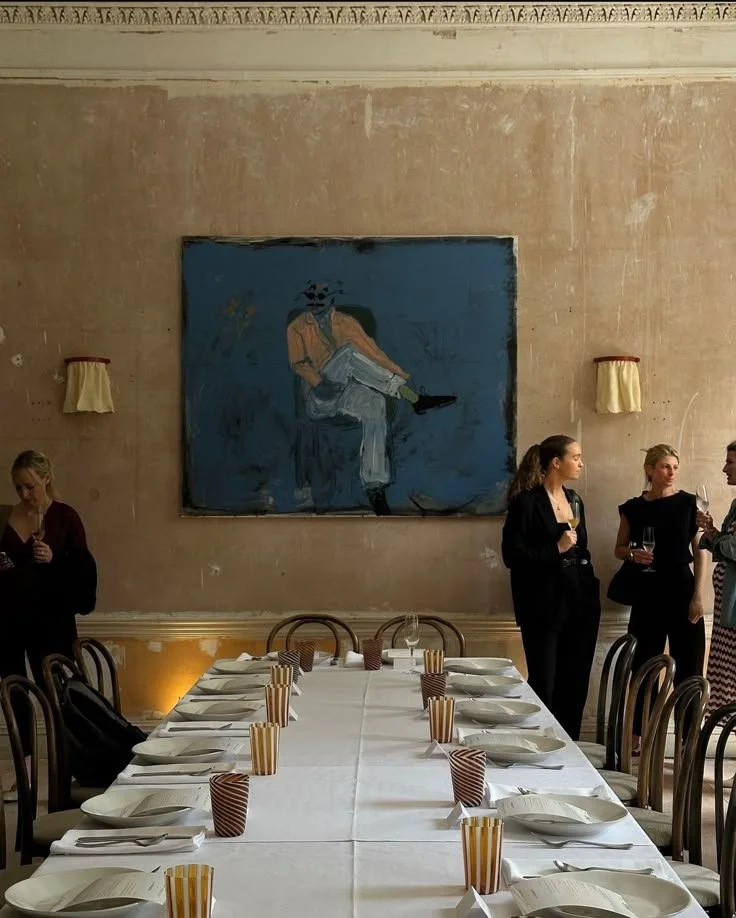
Selecting the right venue is more than just finding a great space for a team meeting—it’s about ensuring the location aligns with your event’s needs and enhances the overall experience.
Key Venue Considerations:
Functionality: Does the space support your planned activities? For instance, if you’re hosting guest speakers, ensure there’s a stage, proper lighting, and audio-visual equipment.
Catering Options: Clarify what’s included in the venue’s package. Will they provide food and beverages, or will you need to hire external caterers?
Accessibility: Choose a location that’s convenient for attendees. Avoid venues that are too far away unless there’s a compelling reason.
The right venue sets the tone for your event. It should be practical, comfortable, and conducive to achieving your event goals.

Ergonofis
Office furniture and accessories designed in Canada. Discover high-end standing desks equipped with groundbreaking Swipe technology.
No. 3
Plan the Day’s Schedule
Once your goals are clear and the venue is secured, it’s time to plan the day itself. This is where your organizational skills will shine.
How to Structure the Day:
Set Arrival and Departure Times: Establish clear start and end times to help attendees plan their day.
Create Time Blocks: Divide the day into manageable segments—typically one to two hours each.
Schedule Breaks: Include time for lunch and one or two shorter breaks to keep energy levels high.
Slot in Activities: Based on your objectives, insert presentations, workshops, networking sessions, or entertainment into the appropriate time blocks.
Make sure to distribute the schedule to all participants well in advance. This transparency allows attendees to prepare and ensures everyone is on the same page.
A well-planned schedule keeps your event on track and helps create a seamless experience for everyone involved.
No. 4
Prepare Supporting Materials
Your event materials should be just as organized as the day itself. From printed agendas to speaker notes and branded signage, these details help attendees follow along and understand the purpose of each session. If your event includes updates, training, pitches, or product demonstrations, strong presentations can help make your message clearer, more engaging, and easier to remember.
Materials to Prepare:
Agendas: Provide a simple overview of the day so attendees know what to expect.
Speaker Notes: Make sure presenters have the information they need to stay focused and on track.
Branded Materials: Use signage, handouts, or digital resources to create a polished and professional impression.
Well-prepared materials help support your message and create a more organised experience for everyone attending.
TAkeaways
Planning your first corporate event might feel daunting, but with the right approach, it can be a rewarding and even enjoyable experience. In this article, we covered three foundational pillars for event success: defining your objective, selecting the right venue, and planning a clear, structured schedule.
These steps won’t cover every detail, but they provide a strong starting point. Once these core elements are in place, you’ll find that the rest of the planning process becomes far more manageable.
So take a deep breath, trust the process, and remember—you’ve got this. With thoughtful preparation and a clear vision, your event will not only run smoothly but also leave a lasting impression on your attendees.
Good luck, and here’s to a successful and stress-free corporate event!
Looking for Business resources?
Are you seeking ways to elevate your business to new heights? Dive into the array of resources provided by our esteemed business partners designed to empower your ventures.