Occupational Therapy Vs Physical Therapy: What’s The Difference?
When you’re recovering from an injury, managing chronic pain, or trying to improve how you function day to day, it’s common to be referred to either occupational therapy (OT) or physical therapy (PT). Because both are rehabilitation services—and both aim to improve quality of life—many people assume they’re basically the same. In reality, they differ in focus, methods, and goals, and understanding those differences can make your recovery plan far more effective.
In this article, you’ll learn what separates OT from PT, how each discipline approaches evaluation and treatment, what conditions each one commonly treats, and how to decide which therapy (or combination) best fits your needs. You’ll also see real-life examples to make the distinctions clear, and you’ll leave with practical questions you can ask your provider so you can start treatment with confidence.
No. 1
A Quick Definition: What PT and OT Have in Common
Before getting into the differences, it helps to clarify what OT and PT share.
Both occupational therapists and physical therapists:
use evidence-based interventions to improve function
create individualized plans based on evaluation findings
track progress with measurable goals
educate patients on body mechanics, habits, and self-management
work across settings such as clinics, hospitals, schools, home health, and rehabilitation centers
Both fields are patient-centered and goal-driven. The main difference is what “function” means in each discipline.
No. 2
Key Differences Between OT and PT
Physical therapy: restoring movement and reducing pain
Physical therapy primarily focuses on improving movement quality, strength, mobility, balance, and physical performance. PT is often recommended after orthopedic injuries, surgeries, or any condition that limits how well you move.
Physical therapists typically address:
joint mobility and range of motion
muscle strength and endurance
balance, gait (walking), and coordination
posture and movement mechanics
pain management and symptom reduction
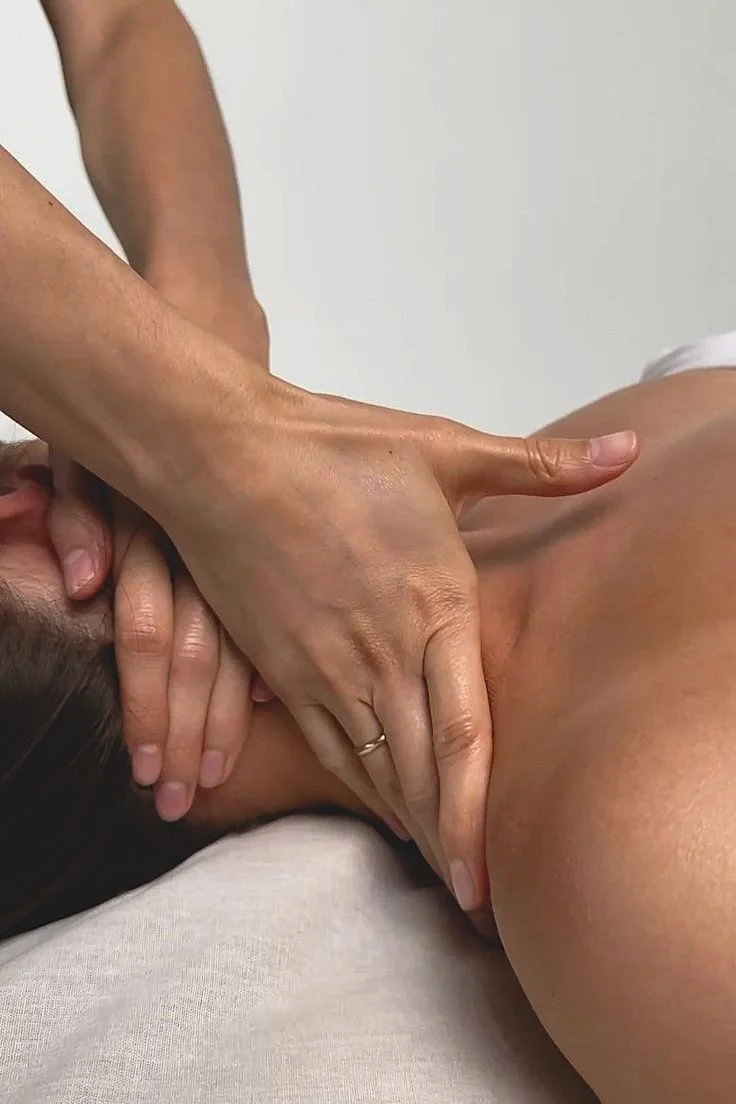
Treatment plans commonly include therapeutic exercise, manual therapy, stretching and mobility work, neuromuscular re-education, and movement correction. For example, someone experiencing chronic discomfort may seek care like neck pain treatment to improve mobility and reduce stiffness. In that scenario, PT often focuses on restoring cervical range of motion, improving postural control, and reducing the mechanical contributors to pain.
In simple terms: PT helps your body move better so you can do what you need and want to do.
Occupational therapy: improving daily life skills and independence
Occupational therapy focuses on helping people participate more fully and safely in the activities that make up everyday life. Those “occupations” are not limited to paid work; they include anything that occupies your time and gives your day structure and meaning.
OT commonly supports:
dressing, bathing, grooming, and toileting
cooking, cleaning, and home management tasks
school tasks and handwriting (pediatric OT)
workplace tasks and ergonomic strategies
driving readiness and community mobility
memory, planning, attention, and other cognitive skills
fine motor coordination and hand function
OT is especially valuable when an injury, disability, surgery, or neurological condition makes daily activities difficult—even if overall strength is improving.
If you are wondering what is occupational therapy, it is best understood as therapy designed to improve how you function in your daily life—not just how your body moves. OT may involve building skills, practicing tasks in a structured way, recommending adaptive tools, and modifying the environment so you can be independent and safe.
In simple terms: OT helps you do the tasks of life with more independence, safety, and confidence.
No. 3
The Most Important Difference: Treatment Goals
A useful way to distinguish PT from OT is to look at the “end goal” each discipline prioritizes.
PT goals often center on physical impairments
Physical therapy frequently targets underlying impairments such as:
reduced range of motion
weakness after immobilization or surgery
poor movement mechanics causing recurring pain
difficulty walking, climbing stairs, or returning to sports/fitness
The PT plan is often structured around physical milestones (e.g., “restore shoulder flexion to X degrees,” “walk without an assistive device,” “improve quad strength,” “reduce pain from 7/10 to 2/10”).
OT goals often center on real-world task performance
Occupational therapy goals focus on how well you can perform specific daily activities, for example:
preparing meals safely with limited hand strength
getting dressed independently after a stroke
returning to typing and mouse use after wrist surgery
managing fatigue and pacing with a chronic condition
using adaptive equipment to reduce strain and improve safety
OT goals often sound like: “independently complete morning routine,” “return to work tasks with modifications,” or “safely manage medications and scheduling.”
They frequently overlap—and that’s a good thing
Both disciplines often work together in comprehensive rehabilitation plans. Many patients need both: PT to rebuild physical capacity and OT to translate that capacity into real-life function.
No. 4
What a Typical OT vs PT Session May Look Like
Because they target different outcomes, OT and PT sessions can feel different even when they share some tools (exercise, education, home programs).
A PT session might include:
mobility drills for stiff joints
strengthening for key muscle groups
manual therapy to address soft tissue restrictions
gait training or balance work
technique coaching (lifting, posture, movement patterns)
pain education and self-management strategies
An OT session might include:
practicing daily tasks (dressing, showering strategies, meal prep)
hand therapy for grip strength, dexterity, and fine motor control
training in adaptive equipment (splints, reachers, ergonomic tools)
cognitive strategies for attention, planning, and memory
energy conservation techniques
workplace or home setup recommendations
In both settings, the best care is collaborative: your therapist should explain why you’re doing something and how it connects to your goals.
No. 5
Conditions Commonly Treated by PT vs OT
While there is overlap, some conditions more commonly lead to one referral than the other.
PT commonly treats:
back pain, neck pain, and joint pain
post-surgical rehabilitation (ACL repair, joint replacements, rotator cuff repairs)
sports injuries and overuse conditions
balance disorders and fall risk
mobility limitations after illness or hospitalization
OT commonly treats:
stroke recovery (especially upper extremity function and daily task training)
hand and wrist injuries (fine motor skills, coordination, splinting)
arthritis management for daily function and joint protection
neurological conditions affecting daily participation
sensory processing and developmental concerns (especially in pediatrics)
Again, many patients benefit from both. A stroke survivor, for instance, may work with PT on gait and balance while working with OT on dressing, cooking, handwriting, and upper-extremity coordination.
No. 6
How To Determine Which Therapy You Need
Choosing between occupational therapy and physical therapy depends on your symptoms, diagnosis, and the functional problems you want to solve.
Consider PT if your main challenges involve:
pain that limits movement
difficulty walking, climbing stairs, or standing for long periods
weakness after an injury or surgery
reduced range of motion or stiffness
returning to sport, exercise, or physically demanding work
Physical therapy is often the best starting point when mobility, strength, alignment, and pain are the central barriers. PT can help restore physical capacity so daily activity becomes possible again.
Consider OT if your main challenges involve:
difficulty completing daily tasks (dressing, cooking, bathing)
hand weakness, poor coordination, or fine motor limitations
difficulty returning to work duties (especially upper extremity or task-specific needs)
fatigue management, pacing, or adapting routines
needing assistive devices or environmental modifications for safety
OT is often ideal when independence and practical daily performance are the biggest concerns—even if you can “move” reasonably well in a clinical sense.
Consider both if you need full-spectrum rehab
Many recovery plans are strongest when OT and PT work together. For example:
After surgery: PT rebuilds strength and movement; OT helps you safely manage bathing, dressing, cooking, and work tasks while you heal.
After injury: PT restores mechanics and mobility; OT helps you return to job tasks, tool use, or fine motor activities.
With chronic conditions: PT supports strength, conditioning, and pain management; OT supports pacing, routine design, and adaptive strategies that make life sustainable.
Consulting with a healthcare provider can help determine the right combination based on your needs, your medical history, and your environment.
No. 7
Long-Term Outcomes: What Success Looks Like in OT and PT
It’s also important to think beyond short-term symptom relief. Both therapies are designed to evolve as you progress.
PT success often looks like: moving with less pain, improved strength and endurance, better balance, and returning to activity with fewer flare-ups.
OT success often looks like: increased independence, safer and easier routines, improved hand function and coordination, and returning to meaningful roles (parent, worker, student, caregiver) with greater confidence.
For those interested in the field, exploring opportunities like physical therapist jobs can offer insight into the growing demand for rehabilitation professionals and the expanding role of therapy in preventive care and long-term wellness.
No. 8
Practical Questions to Ask Your Provider or Therapist
If you’re unsure where to start, these questions can clarify the best direction:
What is the primary limitation—pain and mobility, or daily task performance and independence?
Do I need therapy for lower body function (walking, balance) or upper body function (hands, coordination), or both?
Would I benefit from OT, PT, or a combined plan?
What are the short-term goals for the first 2–4 weeks?
What should I be able to do at discharge that I can’t do today?
Clear goals help ensure therapy is not just “exercise,” but purposeful rehabilitation tied to your life.
Takeaways
Occupational therapy and physical therapy both play essential roles in recovery, function, and long-term wellness—but they’re not interchangeable. Physical therapy focuses on restoring movement, strength, and mobility while reducing pain. Occupational therapy focuses on helping you regain independence in daily tasks through skill-building, adaptive strategies, and environmental modifications.
When you understand how OT and PT differ—and how they can work together—you can make more informed decisions about your care, ask better questions, and pursue a treatment plan that supports not only healing, but lasting, results.
Looking for Wellness resources?
Are you looking to enhance your wellness routine? Explore our wellness partners who offer a wide range of resources to support your journey toward holistic living and well-being.