Exterior Home Maintenance After Moving In: 8 Essentials To Protect Your New Property
Moving into a new home is one of those rare life moments that feels both exhilarating and exhausting. After weeks (or months) of paperwork, packing, negotiations, and the emotional weight of leaving your old place behind, it’s hard to beat that first evening when you finally sit down, look around, and think: We made it.

That relief is well-earned—but it can also be misleading. Once the boxes are unpacked and the rooms begin to feel familiar, it’s easy to focus solely on the interior because that’s where you spend most of your time. Meanwhile, the exterior quietly takes the full force of weather, moisture, temperature swings, pests, and general wear. Many expensive home issues start outside first and only become obvious when they’ve already developed into larger problems.
In this article, you’ll find a clear, practical guide to the eight most important elements of exterior home maintenance to prioritize after moving in. The goal isn’t to overwhelm you or push you into nonstop projects. It’s to help you build a smart, repeatable system—one that keeps your home safe, attractive, and structurally sound for years.
No. 1
The Foundation
It makes sense to start from the ground up. Your foundation supports everything: your walls, floors, framing, and—ultimately—your sense of security in the home. Foundation problems can remain subtle for a long time, which is why routine visual checks are so valuable.
What to do every couple of months:
Walk slowly around the perimeter of your home.
Look for visible cracks near the base (especially new ones or ones that appear to be widening).
Check for moisture, damp spots, or pooling water near the foundation.
Pay attention to soil that slopes toward the house rather than away from it.
Even small issues can worsen if drainage is poor or water is collecting where it shouldn’t. If you notice anything concerning, contact a contractor who specializes in foundation work. Many foundation-related problems are manageable when caught early, but costly when ignored.
No. 2
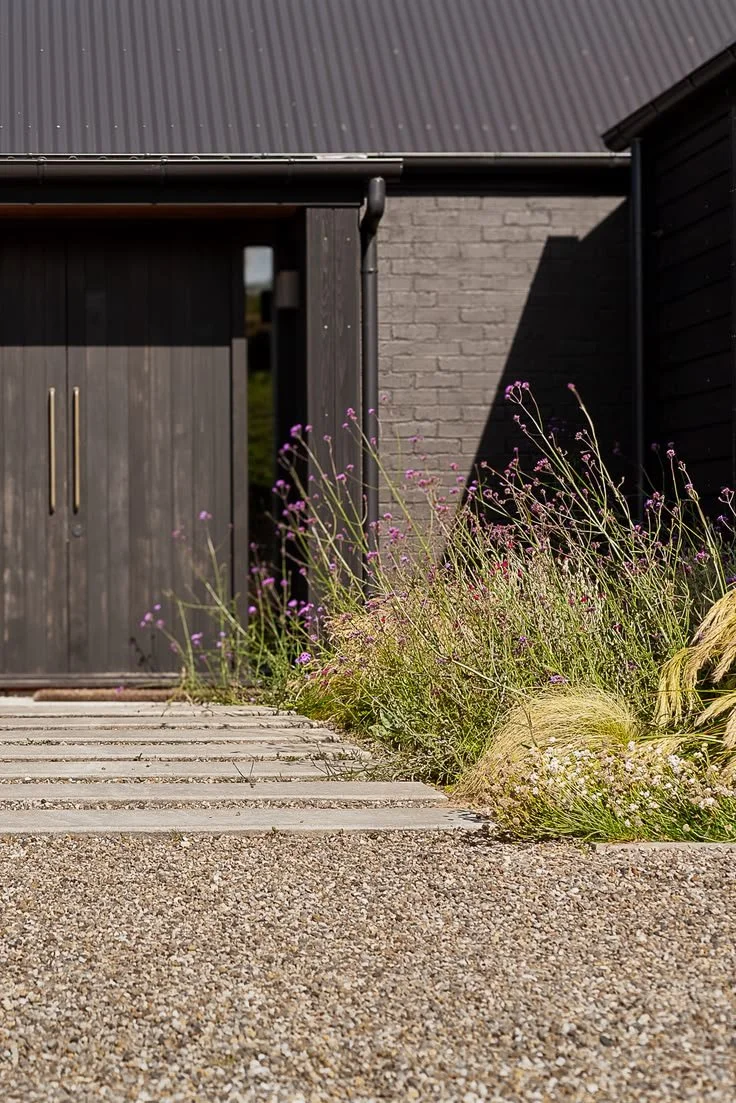
Driveways and Paths
Driveways and paths take daily punishment. The driveway supports vehicle weight, changing temperatures, and sometimes oil or chemical drips. Paths endure constant foot traffic and weather exposure. Over time, it’s common for both to crack or become uneven.
Maintenance priorities:
Inspect for cracks and fill them promptly using an appropriate sealant for your surface (concrete, asphalt, pavers).
Remove weeds growing between pavers or along edges—they can worsen separation and unevenness.
Wash surfaces every few months using a power washer (or a strong hose with a good nozzle).
A clean, intact driveway and walkway also improve curb appeal immediately. It’s one of the simplest exterior upgrades because it’s highly visible and relatively straightforward to maintain.
No. 3
Windows and Doors
Windows and doors are functional and aesthetic workhorses. They affect insulation, energy efficiency, noise, security, and the overall look of the home. They’re also common entry points for drafts and water if seals fail.
What to focus on:
Touch up flaking paint or varnish quickly. Exposed wood can absorb moisture and deteriorate.
Inspect the frames for soft spots, swelling, or signs of rot.
Check weather stripping and seals routinely—these degrade over time.
If you find gaps or failing sealant, you can usually fix it yourself with standard caulk and a caulk gun from a local hardware store. This small task can prevent water intrusion and improve energy efficiency, especially in extreme seasons.
Annual quick win: remove door hardware (if appropriate), clean it, and polish it. It’s a minor detail, but it can make entryways look remarkably refreshed.
No. 4
Exterior Walls
Exterior walls protect the structure and define the home’s style. Because they cover the largest surface area outside, they’re also the most exposed to dirt, algae, mildew, wind, and sun fading. Neglect here doesn’t just affect appearance—it can invite moisture-related issues if paint or finishes fail.
A smart approach:
Wash siding and exterior surfaces periodically with a power washer to remove grime and buildup.
Look for peeling paint, cracks in stucco, or loose siding panels.
Keep an eye out for mildew or green staining, especially in shaded or damp areas.
When it’s time to repaint, hiring a professional decorator is often worth it. Exterior painting can require ladders, scaffolding, surface prep, and weather timing—and safety matters. A professional will also usually spot small issues (like hairline cracks or early material failure) before they become major repairs.
No. 5
Gutters
Gutters are not glamorous, but they are essential. They manage roof runoff by directing water away from the roofline, exterior walls, and foundation. When gutters clog, water can overflow and cause staining, rot, erosion, basement dampness, and foundation stress.
Common causes of gutter blockages:
Leaves (especially if you have nearby trees)
Small branches and seed pods
Dirt, soil, and shingle grit
Occasional stones or debris blown in during storms
What you should do:
Schedule periodic inspections and cleaning, especially in the fall and spring.
After heavy storms, do a quick visual check for sagging sections or overflow marks.
Calling a gutter company to inspect, clear, and repair the system is usually inexpensive compared to the cost of fixing water damage. Gutters are a classic example of “small maintenance, big savings.”
No. 6
Fences and Gates
Fences and gates provide privacy, safety, and boundary definition. They also take constant exposure from rain, sun, freezing temperatures, and wind—so deterioration is normal. The key is handling it early.
For metal fences and gates:
Watch for rust spots.
Sand and remove rust promptly, then repaint or seal to prevent spread.
Check hinges and latches; lubricate or tighten as needed.
For wood fences and gates:
Inspect for broken boards, warping, and loose posts.
Look for signs of wood rot near the base where moisture collects.
Consider sealing or staining periodically for weather resistance.
Many small repairs can be DIY-friendly. However, if posts are leaning, sections are failing, or rot is widespread, it’s often more efficient (and safer) to call in a professional—especially when structural stability is compromised.
No. 7
Landscaping
Landscaping is where maintenance can quietly become a part-time job—particularly if you inherit a mature garden, a large lawn, or established trees. The good news is that a consistent routine makes it manageable, and landscaping care prevents damage to the home itself.
Core landscaping tasks:
Mow and edge regularly during growing seasons.
Keep flower beds defined and weeded to prevent spread into paths and siding.
Monitor drainage patterns—standing water in the yard can eventually affect the foundation.
Tree care matters more than many homeowners realize:
Prune branches every few months to keep them away from the roof and siding.
Prevent branches from scraping the home or dropping heavy debris during storms.
Reduce leaf drop into gutters (a major cause of blockages).
If you’re unsure about safe pruning—especially near power lines or high limbs—hire an arborist. Tree work can be dangerous and is one of the areas where professional help is usually the smartest option.
No. 8
Exterior Lighting
Exterior lighting is often forgotten until the first time you come home after dark with your hands full. It’s also one of the best ways to boost both curb appeal and safety with relatively minimal effort.
Lighting supports:
Safer entry and exit (reducing trips and falls)
Better visibility for steps, paths, and driveways
Added security through deterrence
A more welcoming look at night
Ideas worth considering:
Wall sconces to highlight exterior walls and entryways
Solar-powered LED path lights for walkways and garden borders
Motion-activated lights near garages, side yards, and back doors
Because there are so many styles and price points, it’s worth visiting your local hardware store or garden center to compare options in person. Even small upgrades—like clearer lighting near the front door—can make the home feel more finished and secure.
Takeaways: Build a Simple Plan You Can Actually Maintain
Exterior home maintenance doesn’t need to be complicated, but it does need to be consistent. The most expensive home problems often come from small issues that were easy to miss—or easy to delay—until they grew into something disruptive.
By prioritizing the essentials—your foundation, drainage and gutters, entry points like doors and windows, and the high-wear areas like driveways, paths, and fencing—you create a protective baseline for your entire property. Add in steady landscaping and thoughtful lighting, and you’ll not only prevent problems but also improve comfort, appearance, and daily functionality.
Take your well-deserved break after moving in—then choose one exterior category at a time and create a routine you can repeat. Once the system is in place, maintenance stops feeling like chaos and starts feeling like control.
Looking for Home resources?
Looking to enhance your living space and create a sanctuary that supports your well-being? Explore our home partners who offer a wide range of resources to elevate your home environment.