Why Reliable Plumbing Matters More Than You Think
Most parts of your home work quietly in the background. You turn on the tap, run the shower, flush the toilet—without thinking much about what makes all of it possible. Plumbing is one of those essential systems that tends to go unnoticed until something goes wrong. And when an issue does arise, it becomes immediately clear how much your comfort, hygiene, and daily routine depend on reliable water flow and proper drainage.
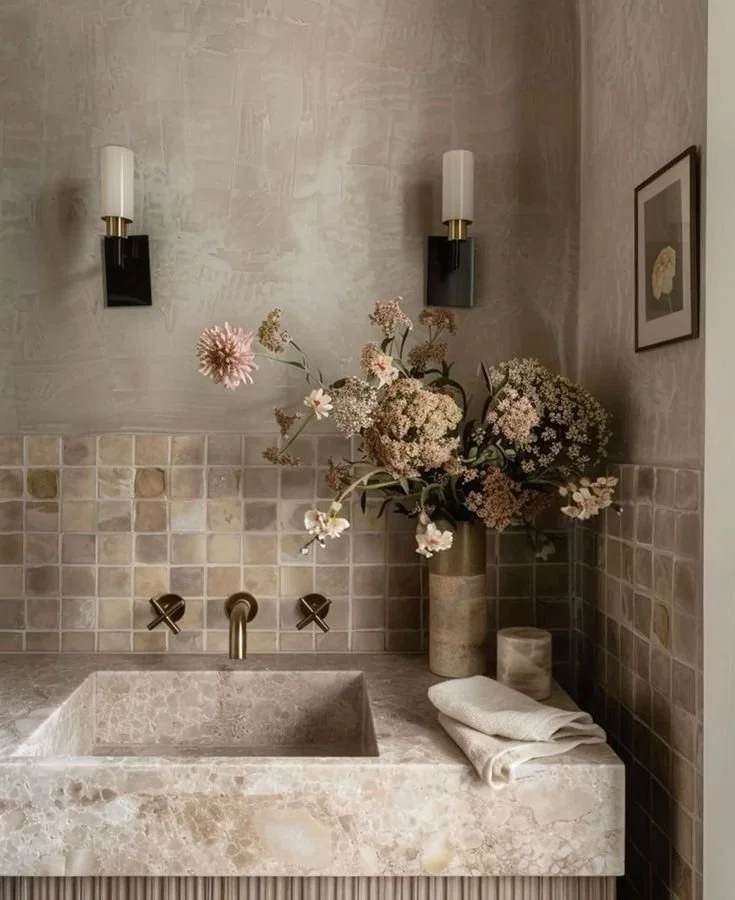
In this article, we’ll look at the role plumbing plays in everyday life, why small issues can quickly turn into expensive disruptions, how professional support protects your home, and what preventative maintenance habits make the biggest difference over time. The goal is simple: help you keep your plumbing system dependable, so your home remains easy to live in—day after day.
No. 1
The Role of Plumbing in Daily Life (More Than You Think)
From the moment you wake up, plumbing supports your routine. It provides clean water for basic hygiene, enables cooking and cleaning, removes waste safely, and helps keep your living environment sanitary. It’s not an overstatement to say that plumbing is one of the foundations of modern comfort.
Think about how many times you rely on it in a normal day:
Washing hands, brushing teeth, and showering
Making coffee, boiling water, and rinsing produce
Running the dishwasher, doing laundry, and cleaning surfaces
Flushing toilets and keeping bathrooms functional
Watering gardens or filling pet bowls
When everything works as it should, your home feels stable and manageable. But if water pressure drops, drains slow down, or a toilet begins to run continuously, even simple tasks become inconvenient—or impossible.
Because plumbing is mostly hidden behind walls, under floors, and beneath fixtures, it’s easy to forget it needs care. That “out of sight, out of mind” dynamic is exactly why plumbing maintenance matters. Your system can be deteriorating slowly long before it becomes a visible problem.
No. 2
Why Small Plumbing Problems Escalate So Quickly
A minor leak, a slow drain, or a toilet that occasionally struggles to flush might not seem urgent. Many homeowners postpone repairs because the issue feels manageable—or because they assume it can wait until it gets worse.
The problem is: plumbing rarely fails in a neat, predictable way. Small issues tend to worsen quietly, and they often cause damage that is far more costly than the original repair.
Common “small” issues that can become major disruptions
Tiny leaks under sinks or behind appliances can lead to mould, warped cabinetry, and damaged flooring.
Slow drains can indicate a growing blockage, which may eventually back up into sinks, showers, or toilets.
Dripping taps waste water continuously and can signal worn seals or corrosion.
Running toilets can drive up water bills and may indicate failing internal components.
Low water pressure can be a symptom of mineral buildup, a hidden leak, or issues with the supply line.
What makes plumbing problems particularly risky is the relationship between water and building materials. Water damage spreads. Moisture compromises timber, plaster, paint, and insulation. And once dampness becomes persistent, it can introduce odors, allergens, and long-term structural issues.
Addressing problems early is not just about convenience—it’s a form of protection.
Early intervention can prevent:
Larger repairs that require demolition or replacement
Extended disruption to bathrooms, kitchens, or laundry areas
Secondary damage (mould growth, swelling, rot, stains)
Unexpected emergency call-outs at inconvenient times
No. 3
The Value of Professional Support (When DIY Isn’t Enough)
There are maintenance tasks you can handle on your own—like keeping an eye on visible pipework, noting water pressure changes, or using drain strainers to reduce buildup. But plumbing systems are complex, and many issues are hidden or misdiagnosed when treated as surface-level problems.
An experienced plumber doesn’t just fix what’s visible—they identify the source, assess the broader system, and help prevent repeat failures.
Professional plumbers can provide:
Accurate diagnosis, including for issues behind walls or under floors
Correct repairs that meet safety and compliance standards
Tools and expertise for blockages, leaks, and pressure issues
Advice on upgrades that improve reliability and efficiency over time
Working with a service such as Evolution Plumbing can help ensure issues are handled correctly and efficiently. Professional guidance may not only solve the current problem, but also reduce the likelihood of future concerns—especially when the underlying cause is identified early.
Just as importantly, reliable plumbing support provides peace of mind. When you’re dealing with a system that is essential to your household’s function, knowing who to call—and knowing the job will be done properly—matters.
No. 4
Preventative Maintenance: The Best Way to Avoid Major Plumbing Issues
One of the smartest ways to avoid expensive repairs is to treat plumbing like other essential home systems: it needs routine attention. Preventative maintenance doesn’t have to be complicated. It’s often a collection of small checks and habits that help you catch problems early—before they become emergencies.
Simple preventative checks that make a difference
Monitor water pressure: sudden changes can signal a leak, blockage, or supply issue.
Pay attention to drainage speed: slow drains are often early warning signs.
Watch for stains or damp patches: discoloration on walls, ceilings, or cabinetry can indicate hidden leaks.
Listen for unusual sounds: banging pipes, gurgling drains, or persistent toilet refills deserve attention.
Check under sinks and around appliances: a quick glance can catch moisture before it spreads.
Everyday habits that protect your plumbing system
Avoid pouring fats and oils down the sink (they solidify and build blockages).
Use drain strainers to catch hair and food particles.
Don’t treat toilets like bins—flush only toilet paper.
Run water through infrequently used drains to reduce odours and trap drying.
Address minor issues promptly instead of “waiting to see if it stops.”
Preventative maintenance is not just about reducing repair costs—it’s also about preserving your home’s comfort. When plumbing is reliable, your home feels effortless to run. When it isn’t, daily routines become stressful and unpredictable.
No. 5
Comfort, Hygiene, and Home Value: What a Healthy Plumbing System Really Provides
Plumbing affects far more than convenience. It supports hygiene, protects your property, and contributes to the long-term value of your home. Even if you’re not planning to sell, your plumbing system is still a core asset—because damage caused by leaks or poor drainage can be expensive and invasive to repair.
A well-maintained plumbing system helps deliver:
Consistent comfort: hot showers, reliable water pressure, working fixtures
Health protection: clean water, proper waste removal, reduced mould risk
Lower costs over time: fewer emergencies, less secondary damage, better efficiency
Property protection: reduced risk of rot, swelling, and structural moisture damage
Confidence: fewer surprises, less household disruption
When plumbing works properly, it fades into the background—as it should. Your home becomes a space you can move through without worrying about unexpected interruptions.
Takeaways
Plumbing is one of the most important systems in your home, even though it’s easy to overlook because it operates behind the scenes.
In this article, we explored how plumbing supports everyday routines, why small issues like leaks and slow drains can escalate quickly, and how professional support—such as Evolution Plumbing—can ensure problems are handled correctly and help prevent repeat concerns. We also covered practical preventative maintenance habits that reduce the risk of major disruptions.
If you take only one step, make it this: pay attention to small changes in water pressure, drainage speed, or unusual dampness, and address issues early. A little attention now can protect your comfort, your budget, and your home for years to come.
Looking for Home resources?
Looking to enhance your living space and create a sanctuary that supports your well-being? Explore our home partners who offer a wide range of resources to elevate your home environment.