Smart Steps To Buying A Home Without Regret
Buying a home is exciting, but it can also feel pressured, especially when you see prices rising or properties moving quickly. Many buyers make the mistake of settling for “good enough” simply because it fits the budget and is available now, only to discover later that the layout, location, or ongoing costs do not suit their real life. That can lead to stress, expensive changes, and the uncomfortable feeling that your home is working against you rather than for you.

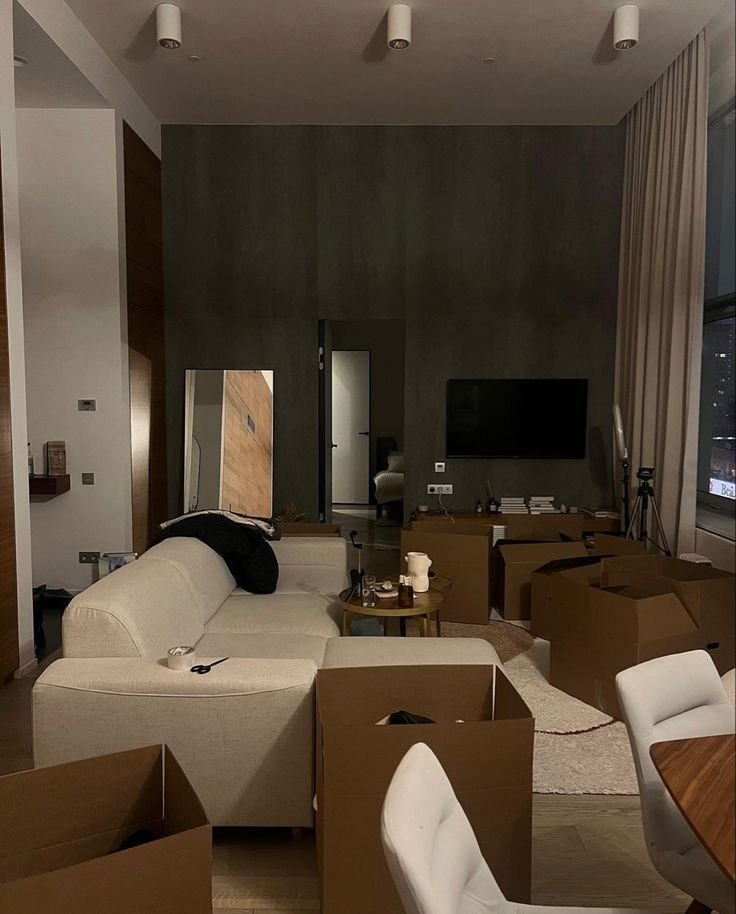
In this article, we will explore the most practical steps you can take to buy a home with confidence, from building a deposit and securing a mortgage to defining your must-haves, researching the area, and involving the right professionals. The goal is not just to purchase a property, but to choose a home you will still feel good about after the moving boxes are gone.
No. 1
Save for a Deposit
A deposit is more than a tick-box requirement; it is one of the biggest levers you have for shaping your mortgage options and long-term affordability. While many lenders may accept smaller deposits in certain circumstances, the general rule is that the larger your deposit, the stronger your position as a buyer.
A healthy deposit can help you access better interest rates, reduce monthly payments, and limit how much you pay over the life of the mortgage. If you would like to live somewhere that is known for being expensive, you’re going to need more money. It can also make you more attractive to sellers, particularly in competitive markets where buyers with stronger financing are preferred.
Why a larger deposit helps in real terms
A bigger deposit typically improves your finances in several ways:
Lower monthly payments because you borrow less
Better mortgage rates due to reduced lender risk
Greater chance of approval if affordability is tight
More flexibility to handle unexpected costs after purchase
Practical ways to build your deposit faster
Saving is challenging when you already have rent and living expenses, so it helps to use a system rather than relying on willpower.
Consider strategies such as:
Automating savings on payday so it never sits in your spending account
Separating the deposit fund into a dedicated savings account
Reducing large, recurring costs rather than only cutting small purchases
Reviewing subscriptions, insurance, and utility tariffs for quick wins
Setting a realistic timeline that keeps you motivated without burnout
Don’t forget upfront buying costs
A deposit is not the only cash you need. Buyers often underestimate the “buying day one” costs, which can include:
Legal fees and conveyancing
Surveys and inspections
Moving costs
Immediate repairs or replacements
Mortgage arrangement or valuation fees, if applicable
Planning for these early reduces the risk of draining your emergency fund the moment you close on your property.
No. 2
Secure a Mortgage
Unless you are buying outright, securing a mortgage is the backbone of your purchase. The most important part is not just getting approved; it is getting approved for a mortgage you can comfortably sustain, even if your circumstances shift.
Many buyers benefit from working with a mortgage broker. Brokers can compare a wider range of products, explain the trade-offs between deals, and help you prepare your application so you do not lose time during the buying process. In some cases, they may also have access to rates that are not available directly to the public.
What lenders typically look for
While each lender has its own criteria, most will assess:
Your income and employment stability
Your existing debts and monthly obligations
Your credit history and overall credit profile
Your deposit size and the property value
Your spending patterns through bank statements
Steps that can improve approval chances
Before you apply, it helps to tighten anything that could weaken your file.
Useful actions include:
Checking your credit report and correcting errors
Reducing outstanding debt where possible
Avoiding new credit applications close to mortgage time
Keeping bank statements tidy and consistent for a few months
Gathering documents early, such as payslips and proof of deposit
Choose affordability over maximum borrowing
Just because a lender offers a high maximum does not mean it is wise to accept it. A mortgage should fit into your life without forcing you to sacrifice essentials or rely on constant overtime.
A helpful way to pressure-test affordability is to estimate your payment at a higher interest rate than today. If that figure would cause financial strain, consider borrowing less or increasing your deposit target.
No. 3
Think About What You Want
A successful home purchase starts with clarity. Without clear criteria, it is easy to be swayed by surface-level features, staging, or a “nice feeling,” then realize later that you compromised on things that matter every single day.
You need to define what you want from the property itself and how you want to live inside it. That includes space, layout, storage, and your non-negotiables.
Create a must-have vs nice-to-have list
Start by separating essentials from extras. This prevents you from rejecting good homes for minor reasons or accepting poor-fit homes because of one attractive feature.
Must-haves could include:
Minimum number of bedrooms or bathrooms
Commute limits and transport access
Safe parking or a garage if needed
Outdoor space for children or pets
A layout that supports working from home
Nice-to-haves could include:
A second reception room
A larger garden than you technically need
A utility room, pantry, or walk-in wardrobe
A renovated kitchen rather than a functional one
A specific style or period of home
Think about the type of home that fits your lifestyle
Beyond features, consider which property type suits your preferences and future plans. Options often include detached, semi-detached, terraced, flats, and newer builds.
You may also come across the concept of an infill home. The article currently suggests searching “what is an infill home?” and while the phrase appears as plain text here, the concept is worth understanding. In short, it generally refers to a newly built home constructed on an existing lot within an established area, often where an older property once stood. This can appeal to buyers who want modern finishes without moving far from amenities.
Plan for how your needs could change
Even if you are buying for today, your home should still fit you tomorrow.
It helps to consider:
Family growth or caring responsibilities
Work-from-home needs becoming more permanent
Storage needs over time
Accessibility if mobility becomes a concern later
Potential for renovation or extension if space becomes tight
No. 4
Research the New Area
A home can be perfect on paper and still feel wrong if the surrounding area does not support your daily life. Location influences your routine, safety, commute stress, lifestyle options, and long-term resale prospects.
Researching the new area is not just a formality. It is how you avoid discovering major deal-breakers after you move in.
Key factors to investigate before you commit
To build a clearer picture, look into:
Local amenities such as supermarkets, healthcare, and gyms
Transport links and typical commute times at peak hours
School options, if relevant, including catchment boundaries
Crime rates and general safety perceptions
Noise factors like main roads, nightlife, or flight paths
Green space, parks, and family-friendly activities
Do in-person checks, not only online research
Online research is helpful, but it cannot replace seeing a place in real life.
If possible:
Visit at different times of day and on weekends
Park nearby and walk around to gauge noise and foot traffic
Try the commute route during typical work hours
Check mobile signal strength and broadband availability
Notice the general upkeep of neighbouring properties
Look forward: how the area might change
Ask questions about planned developments, infrastructure projects, or zoning changes. A new transport link might raise value, but construction work or major changes in traffic patterns could affect day-to-day comfort.
No. 5
Speak to Professionals
Buying a home involves legal, financial, and structural details that most people do not deal with often. Relying entirely on your own judgement can be risky, even if you are a confident researcher.
Speak to professionals to help you avoid costly mistakes, negotiate more effectively, and move through the process with fewer surprises.
Who to involve and what they do
Professionals you may want on your side include:
Real estate agent to help you understand pricing, market conditions, and comparable sales
Mortgage broker to source suitable deals and guide your application
Solicitor or conveyancer like Entry Conveyancing to handle contracts, searches, and the legal transfer
Surveyor to inspect the property and highlight structural concerns
Specialist tradespeople, if you need estimates for repairs or renovations
Why surveys and inspections are worth it
Many buyers see surveys as an optional cost. In reality, they can protect you from buying a property with expensive hidden issues.
A survey can identify problems such as:
Damp, mold, or ventilation issues
Roofing and structural movement concerns
Electrical and plumbing risks
Poor insulation or outdated heating systems
Signs of previous DIY work that need correction
Even when issues are manageable, having them documented can strengthen your negotiation position or help you plan upgrades responsibly.
Budget for professional support early
Professional fees add up, but they are part of buying well. It helps to treat them as essential costs rather than “extras,” especially because they can prevent far larger expenses later.
No. 6
Stay Grounded During Viewings and Offers
It is easy to fall in love during a viewing, especially when a home is staged beautifully or fits your aesthetic. Emotional reactions are normal, but they should not override the practical checks that protect your long-term satisfaction.
Use a viewing checklist to stay objective
A structured checklist keeps you focused on what matters:
Natural light and ventilation in main rooms
Storage space that matches your lifestyle
Condition of windows, doors, floors, and ceilings
Signs of damp, cracks, or unusual smells
Heating system age and general energy efficiency
Noise levels inside the property
Think about the total cost, not just the price
A property can be “affordable” and still stretch you if it needs major work or has high running costs.
When assessing value, consider:
Estimated repair and renovation costs
Energy bills and insulation quality
Council tax band and local fees
Maintenance expectations for the property type
Avoid rushing because of pressure
A competitive market can create urgency, but rushing increases the chance of overlooking important details. If you are being pushed to decide quickly, slow down and confirm the facts that matter, especially around legal issues, structural conditions, and financing.
Takeaways
Buying a home successfully starts with preparation, not pressure. A well-planned deposit, realistic budgeting, and a mortgage that fits your life give you the stability to buy confidently rather than impulsively.
Clarity about what you need in a property, paired with careful area research, helps ensure the home supports your daily routine and long-term plans. Using checklists, comparing options, and thinking in terms of total cost protects you from expensive surprises later.
Professional support from brokers, solicitors, and surveyors can reduce stress and prevent avoidable mistakes. With the right process, you are far more likely to buy a home you enjoy living in, not one you grow to regret.
Looking for Home resources?
Looking to enhance your living space and create a sanctuary that supports your well-being? Explore our home partners who offer a wide range of resources to elevate your home environment.