Room By Room Guide To Designing With Natural Stone
Natural stone has long been associated with craftsmanship, permanence, and understated luxury. From sleek contemporary kitchens to spa-inspired bathrooms, it brings texture, depth, and character into the home in a way few other materials can.

The beauty of natural stone lies not only in its appearance but in its versatility. When used thoughtfully, it can elevate every room in the house. In this room-by-room guide, we’ll explore how to design with natural stone in a way that feels cohesive, functional, and timeless.
No. 1
The Kitchen: Statement Surfaces That Work Hard
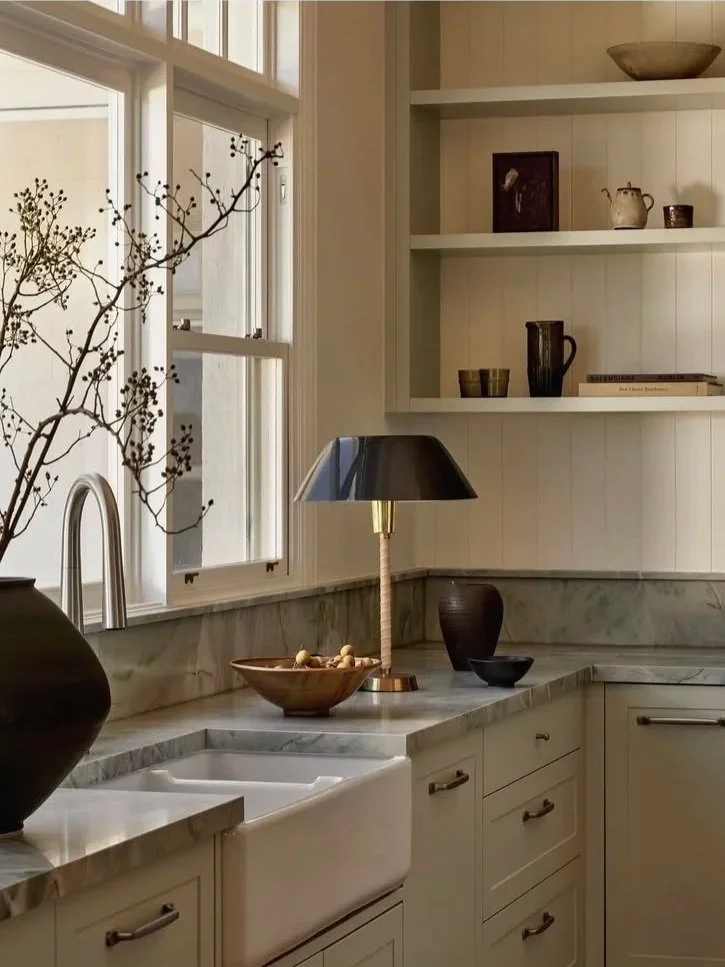
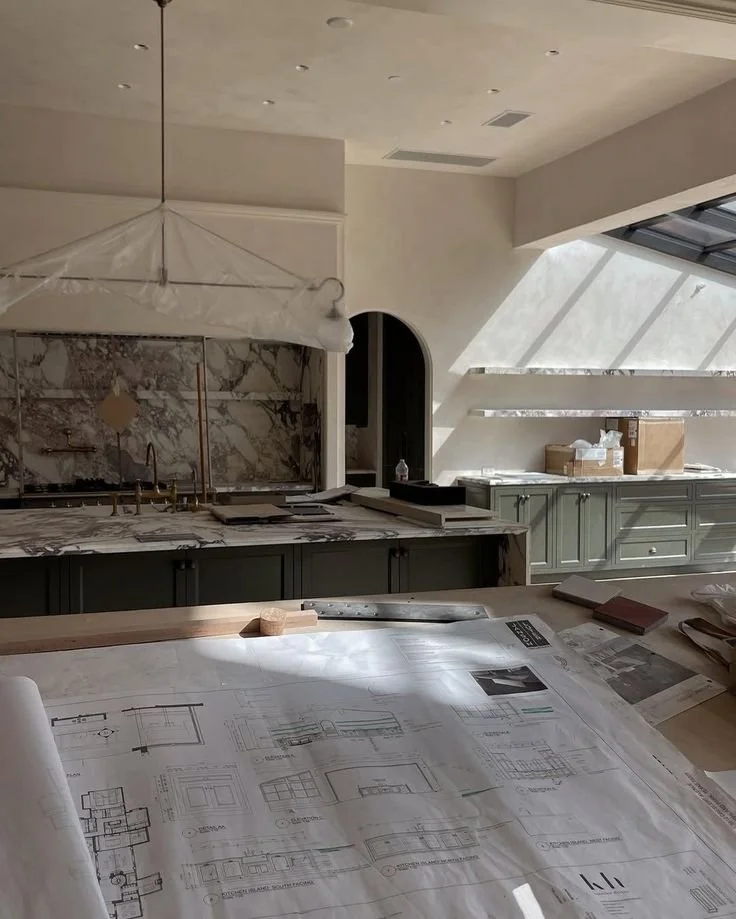
The kitchen is often the heart of the home, making it one of the most impactful spaces to introduce natural stone. Worktops are the obvious starting point. Granite, marble, and quartz-inspired stones each offer distinct aesthetics, from bold veining to subtle, uniform finishes.
When selecting surfaces, consider both design and durability. Kitchens demand resilience against heat, spills, and daily use. Choosing high-quality suppliers for features such as worktops Bristol ensures you achieve a balance between practicality and refined design.
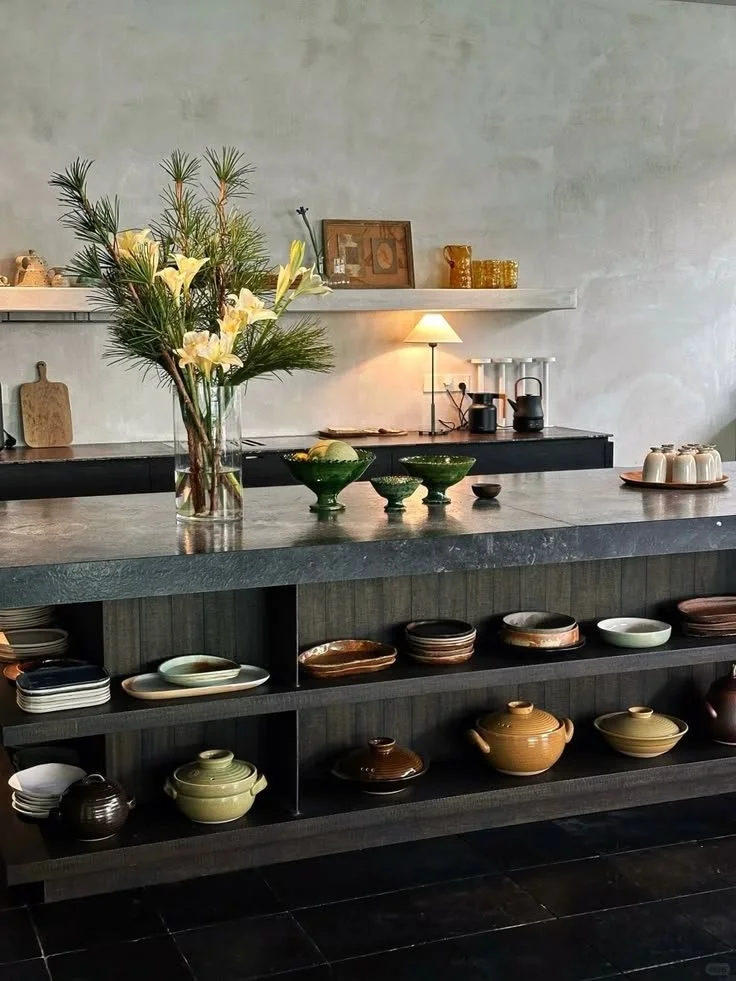
Beyond worktops, natural stone can be used for splashbacks, waterfall islands, and even integrated shelving. For a cohesive look, pair stone with complementary cabinetry tones. Light marble pairs beautifully with warm wood, while darker granite can add contrast to minimalist white kitchens.
Layering lighting thoughtfully will enhance the natural variations and textures within the stone, allowing it to become a focal point rather than just a functional surface.
No. 2
The Bathroom: Spa-Inspired Elegance
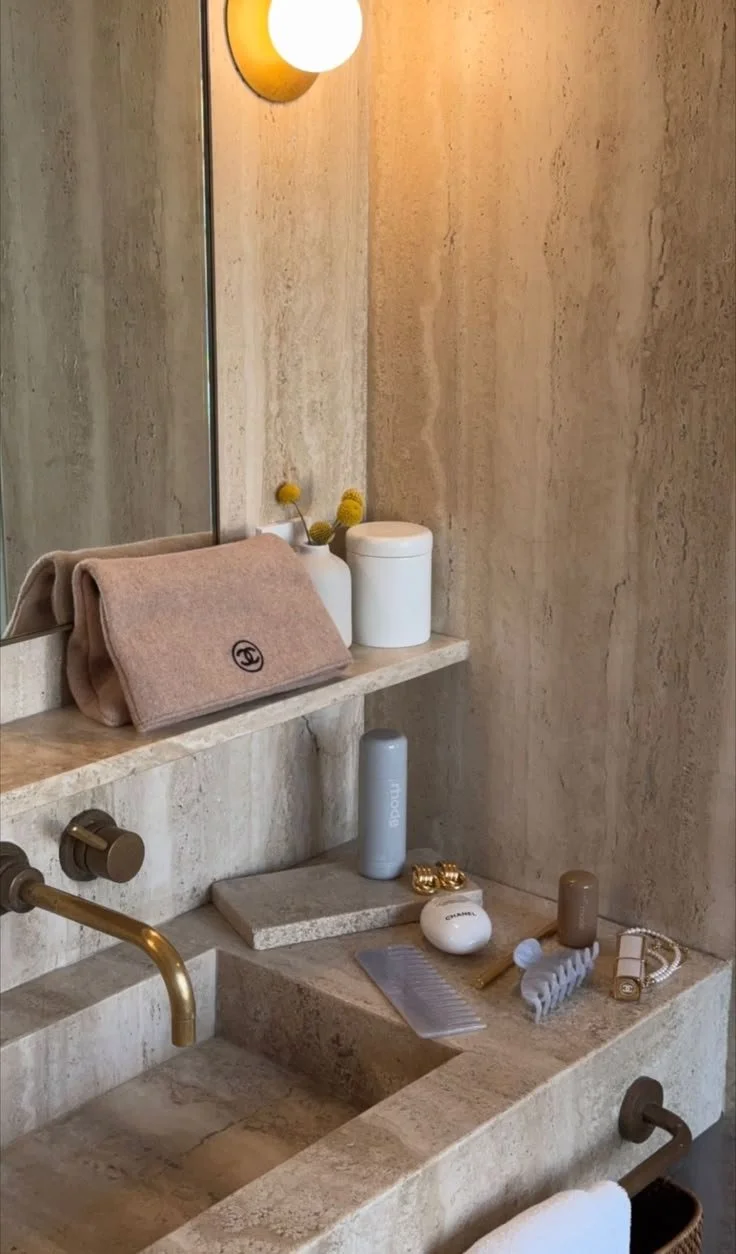
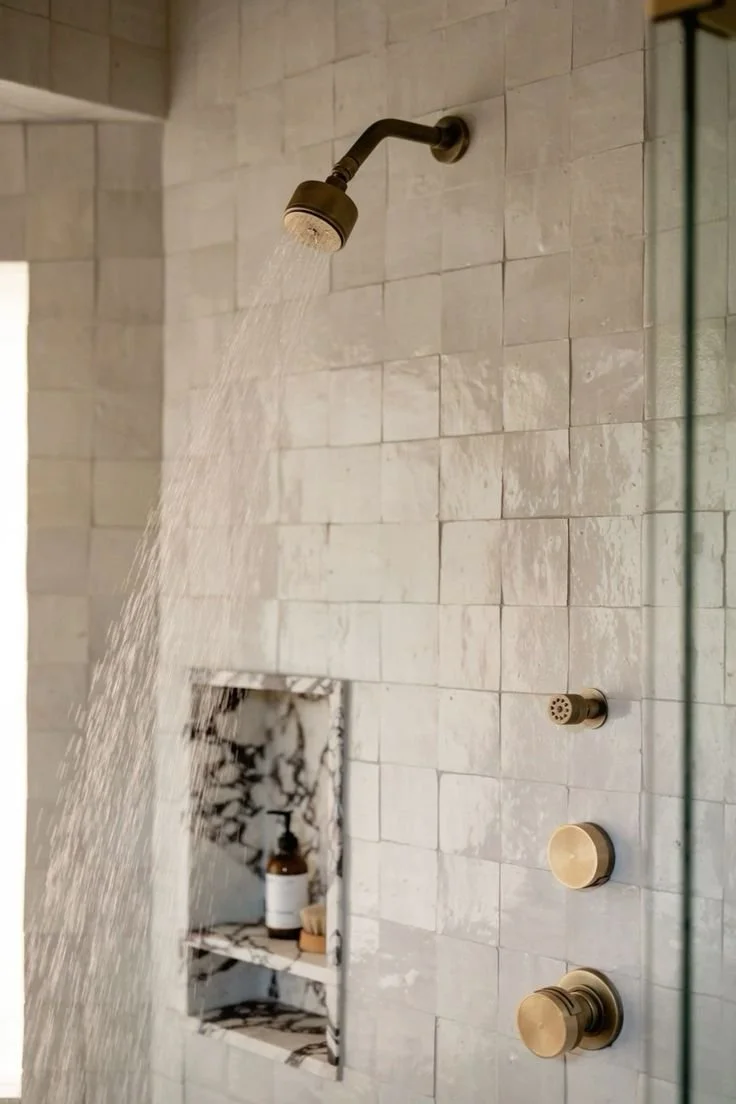
Bathrooms are ideal spaces for natural stone. The cool, tactile qualities of marble and limestone create a calming, spa-like atmosphere.
Consider large-format stone tiles for walls and floors to minimize grout lines and create a seamless look. A marble vanity top or stone basin surround can introduce a sense of luxury without overwhelming the space.
For smaller bathrooms, lighter stones help reflect light and make the room feel more expansive. In larger en-suites, dramatic veining or darker tones can add visual depth and personality.
Practicality is important here too. Ensure the stone is properly sealed and maintained to protect against moisture and everyday use. With the right care, natural stone in bathrooms can age beautifully while retaining its elegance.
No. 3
The Living Room: Subtle Texture and Architectural Impact
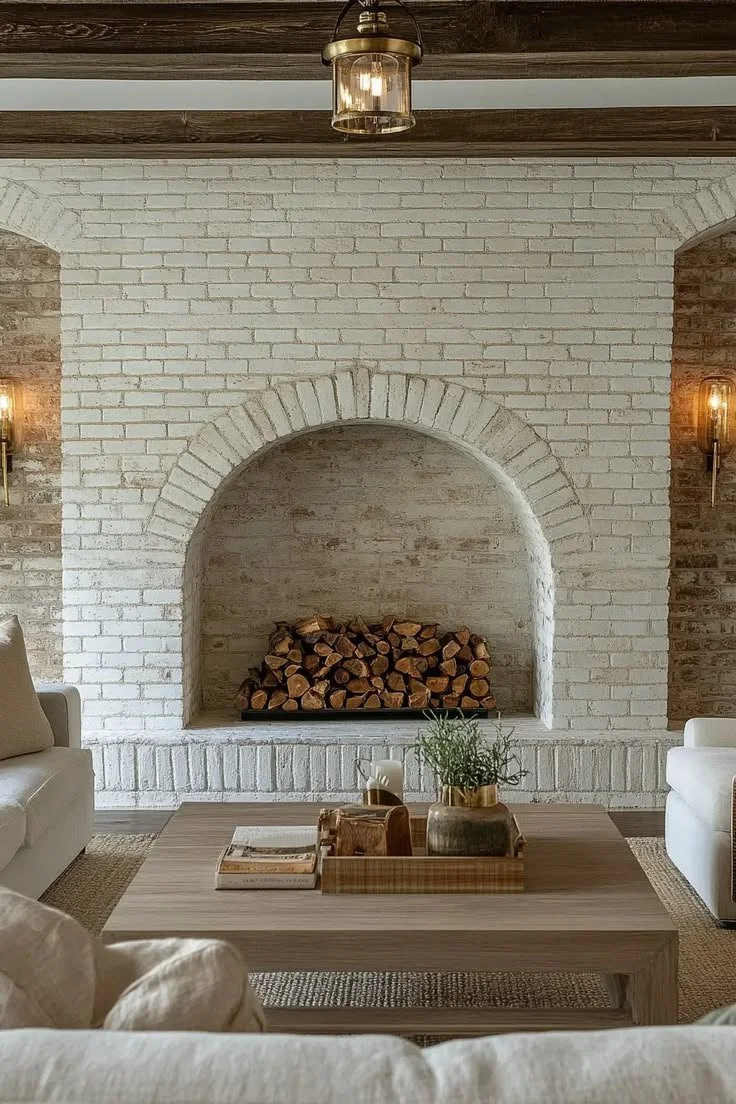
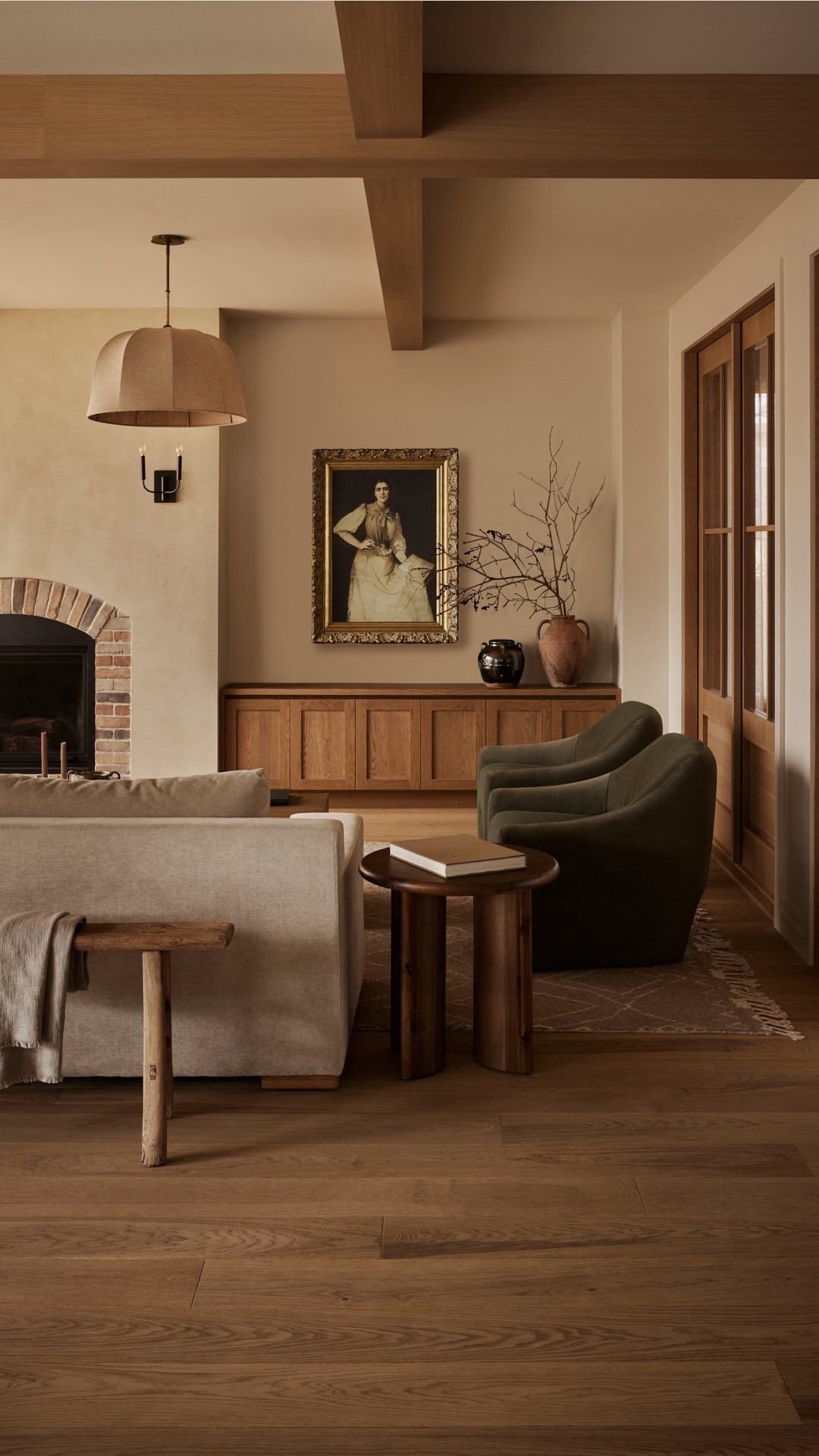
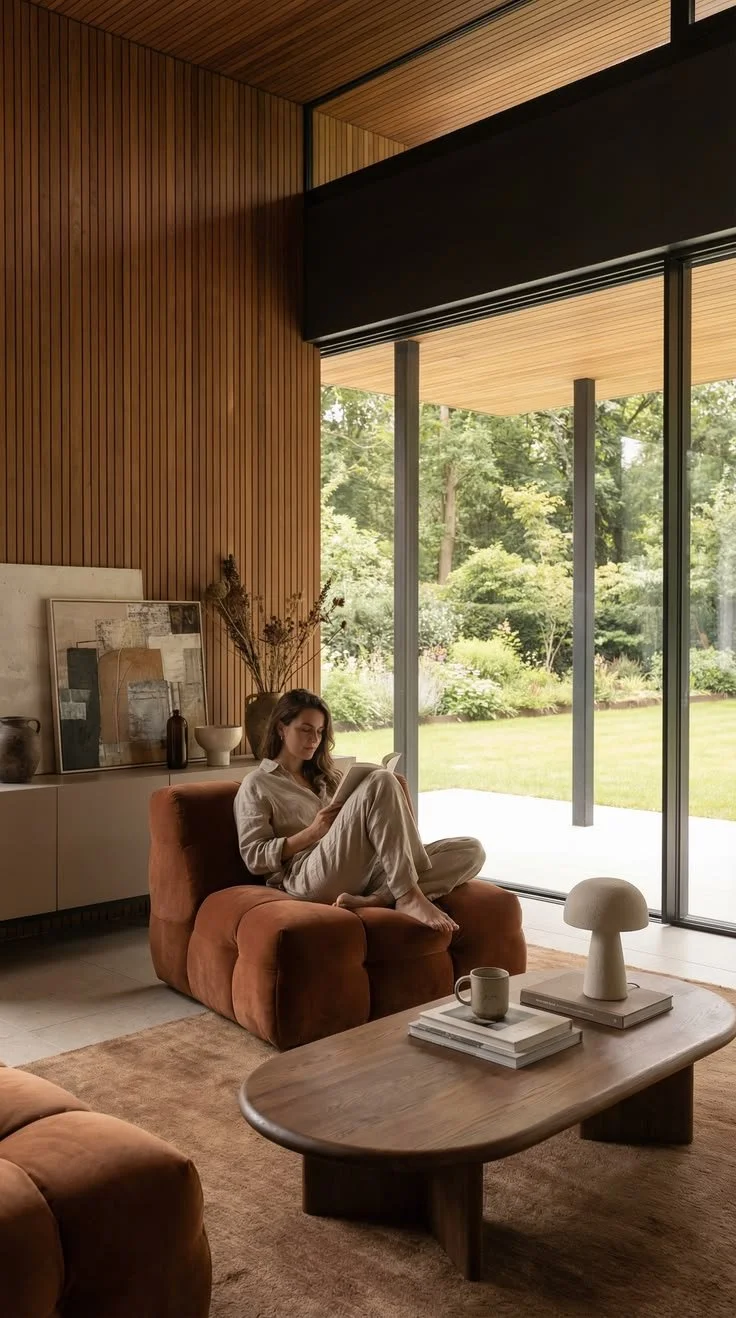
Natural stone in living spaces adds warmth and structure. One of the most popular applications is a stone fireplace surround. Whether traditional or contemporary, a stone-clad fireplace instantly anchors the room and becomes a statement feature.
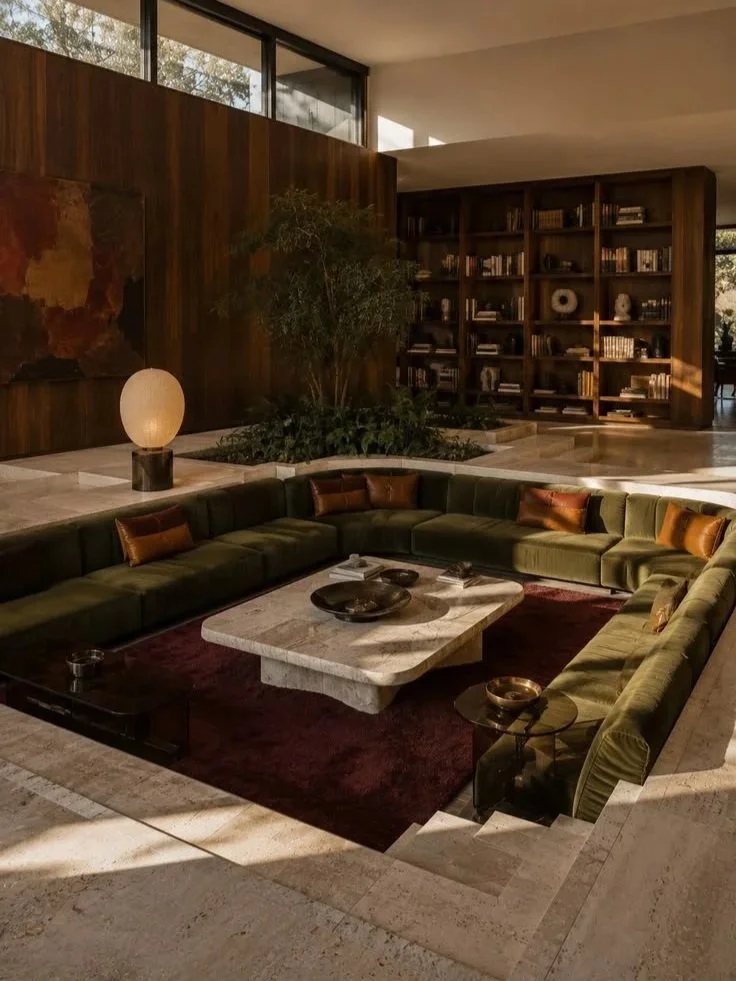
Stone can also be used for feature walls, coffee table tops, or built-in shelving details. In open-plan spaces, it helps define zones while maintaining material continuity throughout the home.
Balance is key. Pair stone with softer furnishings such as textured fabrics, rugs, and warm lighting to prevent the space from feeling overly formal. The goal is to allow the stone’s natural character to enhance the atmosphere rather than dominate it.
No. 4
The Hallway: First Impressions That Last
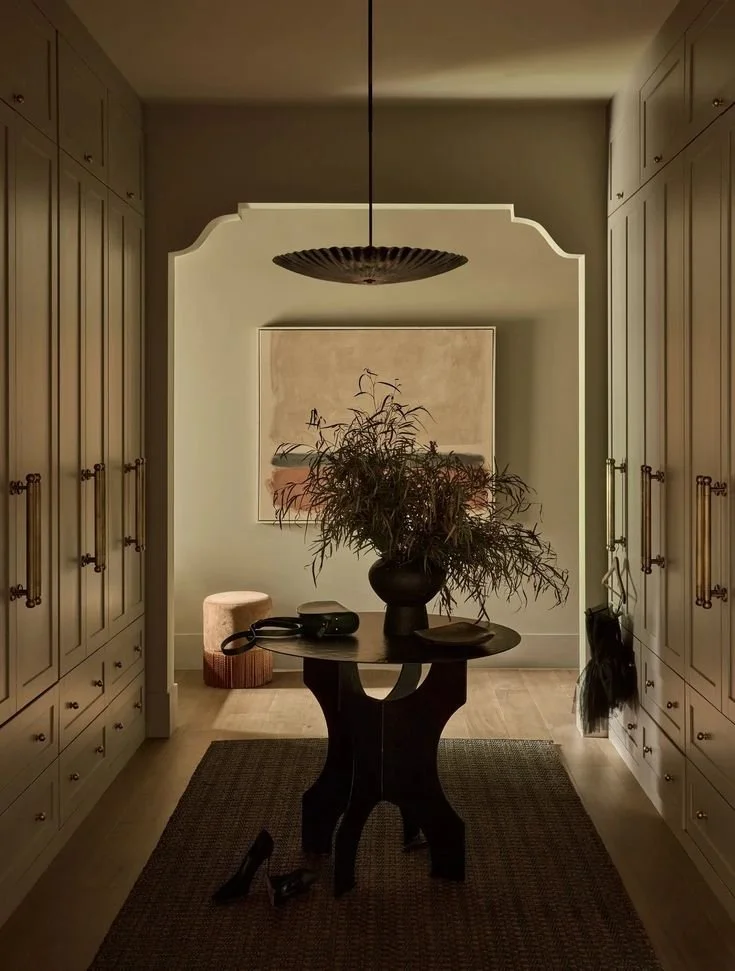
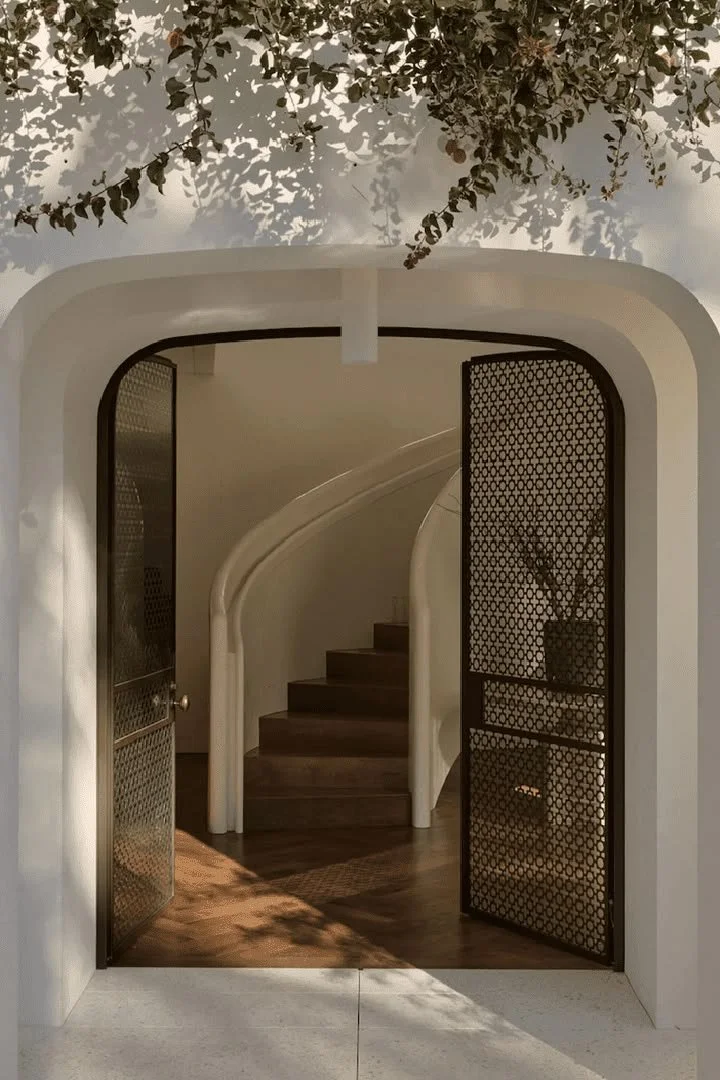
Hallways and entrances set the tone for the rest of the home. Stone flooring in these areas offers both durability and immediate visual impact.
Because entryways experience high foot traffic, robust materials such as granite or dense limestone work well. Natural stone flooring not only withstands wear but also develops character over time.
Consider incorporating stone detailing around staircases or console tables to create a cohesive transition into adjacent rooms. When paired with thoughtful lighting, stone surfaces in hallways can create a welcoming and polished first impression.
No. 5
The Dining Room: Understated Sophistication
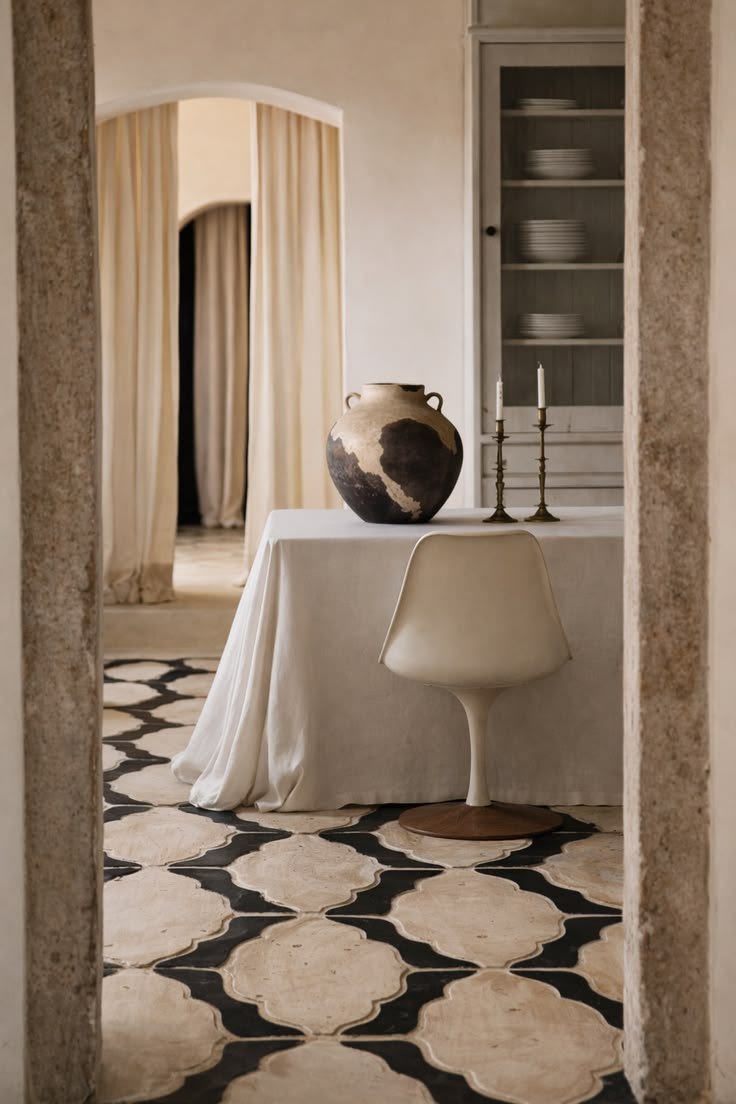
In dining areas, natural stone works beautifully as a tabletop surface or sideboard feature. A marble or quartz-inspired dining table can act as a sculptural centerpiece, particularly when paired with minimalist chairs and subtle décor.
For homes with open-plan kitchen-dining layouts, using the same stone material across worktops and dining surfaces helps maintain continuity and flow. This approach creates a unified design language throughout the space.
Texture matters here. Combining stone with wood, metal, or upholstered elements prevents the room from feeling too rigid while maintaining a sophisticated finish.
No. 6
The Bedroom: Calm, Organic Detailing
While natural stone is less common in bedrooms, it can introduce subtle elegance when used sparingly. Stone bedside tables, feature headboards, or window sills add organic texture and depth.
Lighter stones such as marble or travertine create a calming backdrop that pairs well with soft linens and neutral palettes. In contemporary designs, incorporating slim stone shelving or a stone-topped dresser can add a refined architectural touch without overwhelming the room.
The key in bedrooms is restraint. Let the stone complement the softness of the space rather than compete with it.
Takeaways
Natural stone is one of the few materials that can feel simultaneously timeless and current—grounding a space while adding texture, depth, and quiet sophistication. Whether you’re using it for hardworking kitchen surfaces, spa-like bathroom finishes, or subtle architectural detailing in living spaces and bedrooms, the most successful results come from intentional choices: the right stone in the right place, paired with thoughtful lighting, complementary materials, and proper maintenance. Used with balance and restraint, natural stone can unify your home’s design and elevate each room with lasting character.
Looking for Home resources?
Looking to enhance your living space and create a sanctuary that supports your well-being? Explore our home partners who offer a wide range of resources to elevate your home environment.