How Salt Air Changes The Way Coastal Windows Age Over Time
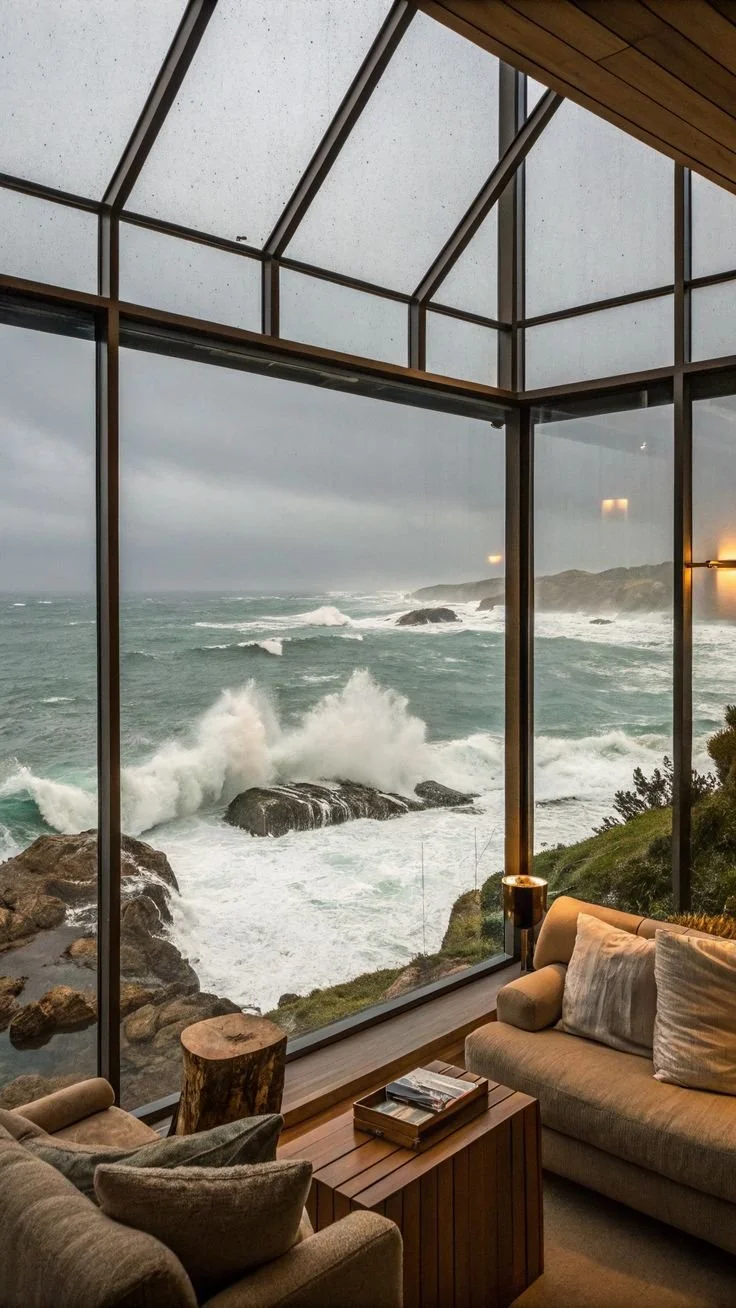
Living near the coast offers breathtaking views, calming ocean breezes, and a lifestyle many homeowners genuinely enjoy. However, beachfront and near-shore environments also create conditions that can quietly accelerate exterior wear on a home, especially on surfaces that face constant wind and moisture. Windows are among the most exposed building components, and their performance can decline faster in coastal climates than many homeowners expect.

In this article, we will explore how salt air changes the way coastal windows age over time, why the damage often appears as haze or stubborn spotting, and what homeowners can do to protect glass, seals, and frames. With the right upkeep and a few preventative choices, coastal windows can retain their clarity, efficiency, and curb appeal far longer.
No. 1
Why Salt Air Is So Damaging to Coastal Windows
Ocean air contains microscopic salt particles that travel inland with wind and humidity. These particles settle on glass, lodge in corners around frames, and mix with moisture to form a thin, stubborn film. Unlike ordinary dust, salt is hygroscopic, meaning it attracts and holds water from the air. That constant dampness creates ideal conditions for corrosion, seal fatigue, and surface etching.
Coastal environments can also intensify aging through other factors that work alongside salt:
Environmental conditions that amplify salt damage
High humidity that keeps residue damp longer
Frequent wind that continuously deposits new particles
Strong UV exposure that breaks down certain finishes and sealants
Temperature swings that stress window seals and frame joints
Airborne sand or grit that can micro-scratch surfaces during cleaning
Over time, these combined stressors can shorten the functional lifespan of windows and increase the likelihood of repairs.
No. 2
Salt Residue Reduces Glass Clarity Over Time
One of the earliest and most noticeable effects of coastal exposure is reduced window clarity. Many homeowners near the ocean find that their windows look cloudy shortly after cleaning, or develop a hazy film that feels impossible to eliminate with basic methods.
This happens because salt residue bonds to glass, then traps moisture and other minerals on the surface. When sunlight hits the film, it can create glare, dullness, and a persistent “foggy” look that reduces the value of one of the biggest benefits of coastal living: the view.
Common signs of salt buildup on glass
A cloudy or dull appearance, especially in direct sunlight
White spotting after rain or morning condensation
Streaks that reappear quickly after cleaning
Rough-feeling patches that suggest mineral deposits
Reduced brightness and natural light entering the home
How salt can permanently affect glass
If salt deposits remain in place for long periods, they may contribute to etching. Etching is not just surface dirt; it is a physical change in the glass caused by prolonged mineral and moisture interaction. Once etching occurs, the window may never return to its original clarity, even with professional cleaning, and replacement could become the only true fix.
No. 3
Coastal Weather Can Accelerate Window Seal Failure
Modern windows rely on seals to block air and moisture, improve insulation, and maintain energy efficiency. In coastal environments, seals are under more stress due to constant humidity, salt exposure, and repeated pressure changes from storms and high winds.
As seals weaken, windows can start to show performance issues that go beyond cosmetic haze.
Symptoms of deteriorating window seals
Condensation or fogging between panes in double-pane windows
Drafts or airflow near the frame
Higher indoor humidity near windows
Noticeable temperature differences close to glass surfaces
Rising heating and cooling costs
Why seal deterioration matters
A compromised seal allows moisture intrusion, which can lead to persistent fogging and may also encourage mold or mildew around frames and sills. It also reduces the window’s insulating value, forcing HVAC systems to work harder and potentially increasing energy bills over time.
No. 4
Window Frames React Differently to Salt and Humidity
The frame material plays a major role in how windows age near the ocean. Even when the glass appears manageable, the frames may be degrading in ways that are less obvious until the damage becomes costly.
How common window frame materials age in coastal air
Metal frames
More vulnerable to corrosion and oxidation
Protective coatings can break down, leading to discoloration and rust
Hardware, fasteners, and tracks may seize or degrade
Wood frames
Absorb moisture in humid air unless properly sealed
Can swell, warp, or soften over time
Increased risk of rot if paint or sealants fail
Vinyl frames
Generally more resistant, but still collect salt film
Can fade or become brittle with strong UV exposure
Tracks can accumulate gritty residue that affects operation
Frame-related issues homeowners often notice
Windows becoming harder to open or close
Flaking paint, bubbling finishes, or surface pitting
Visible rust spots on metal components
Soft or swollen wood near corners and sills
Gaps that allow air infiltration
Because frames are structural, deterioration here can eventually affect water intrusion resistance and overall window stability.
No. 5
Why Rainstorms Do Not Truly Clean Coastal Windows
It is easy to assume rain “washes” windows, but coastal rain is rarely clean. Moisture in coastal air often contains dissolved salt and picks up pollutants, sand, and minerals as it moves. When rain hits the glass, it can spread these materials across the surface, and as the water evaporates, it leaves behind spotting and streaking.
Coastal winds can also blow new debris onto wet windows immediately after storms, increasing residue adhesion.
What rain leaves behind on coastal glass
Salt crystals that dry into visible streaks
Mineral deposits that cause spotting
Grit that can scratch glass during wiping
A thin film that dulls shine and clarity
As a result, homeowners may see windows looking worse after storms, not better, especially when sunlight reveals dried deposits.
No. 6
The Importance of Routine Window Cleaning in Coastal Areas
While no homeowner can eliminate
entirely, consistent cleaning and inspections dramatically reduce its long-term impact. Routine cleaning helps remove corrosive residue before it can etch glass, weaken finishes, or damage seals and hardware.
For many coastal homeowners, the key is frequency and technique. Standard household methods may remove surface dirt, but salt residue often requires more thorough rinsing, careful product choice, and methods that avoid grinding grit into the glass.
Benefits of consistent coastal window cleaning
Preserves glass clarity and maximizes ocean views
Reduces the chance of permanent etching
Helps identify early seal or frame issues before they become major repairs
Improves natural light and interior brightness
Enhances curb appeal and overall exterior appearance
Homeowners searching for the Best window cleaner near Topsail Beach, NC often prioritize services experienced with coastal properties and salt residue removal. Coastal window cleaning is less about making glass look good for a day and more about protecting the window system over the long term.
What to look for in a coastal window cleaning routine
More frequent cleaning during windy or storm-heavy seasons
Gentle, non-abrasive tools that reduce scratching risk
Thorough rinsing to remove salt rather than spread it
Attention to corners, tracks, and frame edges where residue concentrates
Periodic inspection of seals, hardware, and drainage channels
No. 7
Long-Term Prevention Strategies for Coastal Window Protection
Cleaning helps, but preventative measures can further slow window aging and reduce maintenance demands. The best approach is a combination of material choices, protective upgrades, and consistent monitoring.
Practical ways to extend window lifespan near the ocean
Choose corrosion-resistant hardware and components when replacing windows
Consider protective coatings designed to reduce mineral adhesion
Maintain paint, sealants, and exterior finishes on frames and trim
Inspect caulking and weatherstripping regularly and re-seal as needed
Keep tracks clean so windows operate smoothly and drain properly
Address small issues early to avoid moisture intrusion and hidden damage
When replacement may be the smarter option
If windows show repeated seal failure, permanent haze from etching, or structural frame deterioration, repair may become less cost-effective than replacement. In those cases, selecting products designed for coastal climates can reduce repeat problems and improve both energy efficiency and durability.
Takeaways
Coastal windows age differently because salt particles, humidity, wind, and UV exposure combine to speed up wear on glass, seals, and frames. What starts as mild haze or spotting can develop into permanent clarity loss and performance issues if left untreated.
Routine cleaning and early inspections are among the most effective ways to prevent long-term damage. Salt residue is persistent, and coastal rain often adds to the buildup rather than removing it, which is why maintenance must be proactive.
Homeowners can further protect their investment by choosing coastal-appropriate materials, maintaining frame finishes, and addressing seal problems early. With a consistent strategy, it is possible to preserve window clarity, comfort, and curb appeal for years in an oceanfront environment.
Looking for Home resources?
Looking to enhance your living space and create a sanctuary that supports your well-being? Explore our home partners who offer a wide range of resources to elevate your home environment.