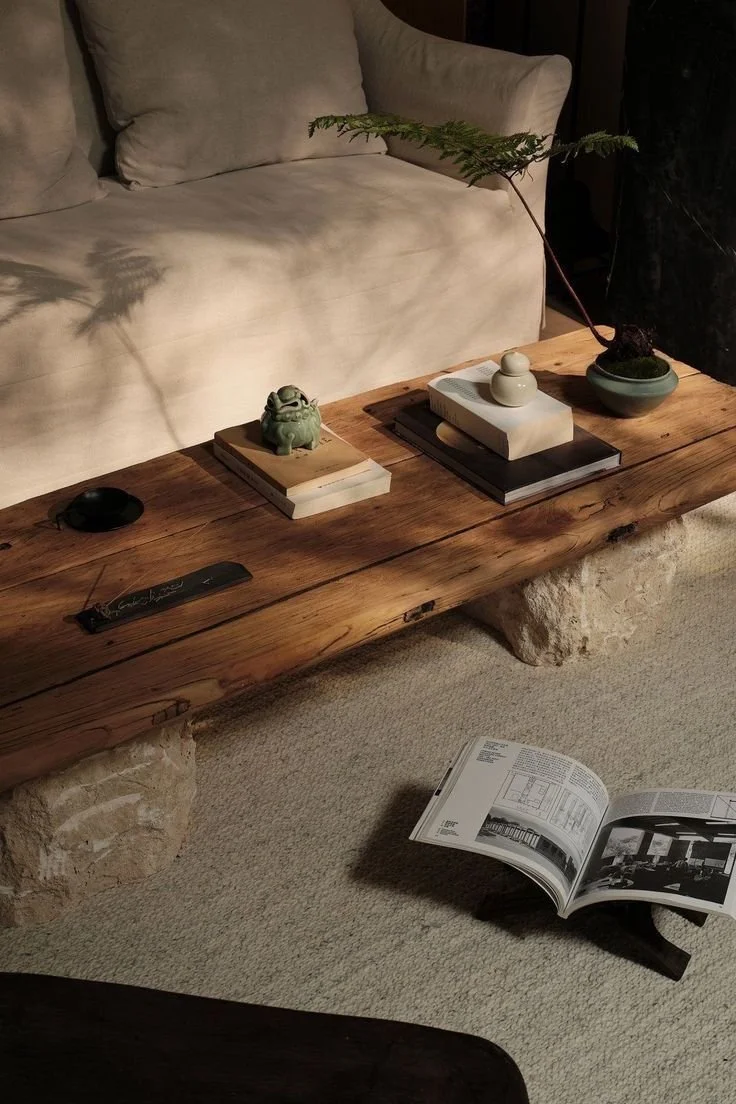
How To Maintain A Clean Home Without The Stress
Keeping a clean home is less about effort and more about consistency. Many people get stuck in a frustrating cycle: they let dishes, laundry, and clutter build up, then lose a weekend trying to reset everything. That pattern creates stress and makes cleaning feel harder than it needs to be.

In this article, we will explore a practical, low-stress approach to keeping your home clean by building a routine you can maintain, reducing clutter, simplifying your tools, cleaning in short sessions, and focusing your time where it matters most. The goal is not perfection; it is control, comfort, and a home that stays “company-ready” without constant pressure.
No. 1
Build a Routine You Can Stick To
You do not need an elaborate system or a color-coded schedule to keep your home clean. You need a repeatable rhythm that fits your life, your energy level, and the reality of your household.
Create simple cleaning categories by frequency
A routine becomes sustainable when you stop treating cleaning as one giant project. Break it into categories based on how quickly tasks become noticeable.
Use these categories as your baseline:
Daily tasks that prevent immediate mess
Dishes and kitchen reset
Wiping counters and high-touch surfaces
Putting items back in place (the “reset”)
Quick sweep in the kitchen or entryway if needed
Weekly tasks that maintain comfort and hygiene
Vacuuming or sweeping the main floors
Bathroom cleaning (sink, toilet, mirror, quick shower wipe-down)
Laundry (wash, dry, fold, and put away)
Trash and recycling reset
Monthly tasks that keep the home from slowly degrading
Appliances (microwave, fridge handles, stovetop)
Baseboards and door frames in high-traffic areas
Dusting blinds, vents, and ceiling fans
Sorting one storage area (linen closet, pantry shelf, or one drawer)
This structure keeps things manageable because you are not guessing what needs attention. You also avoid the burnout that comes from trying to do everything at once.
Choose a routine format you will actually follow
Different households need different systems. The best plan is the one that matches your schedule and reduces decision-making.
Common routine formats that work well:
Daily micro-resets plus one weekly “power hour”
One room per day (light maintenance, not deep cleaning)
A weekend split (Saturday floors and bathrooms, Sunday laundry and reset)
Task batching (all surfaces one day, all floors another)
If you have struggled to stay consistent, start smaller than you think you need. It is easier to add a task later than it is to recover from a plan that feels overwhelming.
No. 2
Reduce Clutter Before You Clean
Cleaning feels difficult when there is too much stuff in the way. Clutter forces you to move items before you can wipe, vacuum, or put anything away, which doubles the time and drains motivation.
Make “less on surfaces” your default standard
You do not have to become a minimalist to benefit from less visual noise. Aim for fewer items on counters, tables, and floors so cleaning can happen quickly.
Focus on these high-impact surfaces:
Kitchen counters
Bathroom vanity
Coffee table and side tables
Entryway drop zone
Floors in bedrooms and hallways
A helpful guideline is to keep only what you use regularly in the open and store the rest. When everything has a home, tidying stops being a major project and becomes a quick habit.
Use prevention to reduce future cleaning
Small preventative choices reduce scrubbing, stains, and buildup later. These changes often take seconds but save time repeatedly.
Examples:
Use items like cork coasters to prevent water rings and surface stains
Place a washable mat near the sink to catch splashes
Keep a small trash bin where clutter collects (bathroom, office, entry)
Use baskets or trays to contain “daily use” items neatly
Prevention works because it reduces the number of problems you must fix later.
No. 3
Keep Cleaning Tools Simple and Accessible
You do not need a cabinet full of specialized products. You need a few dependable tools that are easy to reach, easy to use, and appropriate for your surfaces.
Build a small “core kit” that covers most tasks
A streamlined kit reduces decision fatigue and makes it more likely you will clean immediately rather than postponing it.
A practical core kit:
Microfiber cloths or a durable multi-surface cloth
One gentle general cleaner suitable for most surfaces
Glass cleaner or a vinegar-based option for mirrors
Vacuum and/or broom and dustpan
Toilet brush and bathroom cleaner
Dish soap that can also handle quick spot-cleaning
If you have multiple levels in your home, consider duplicating one or two essentials (like cloths and spray) so you are not running up and down stairs.
Store supplies where you use them
When tools are inconvenient, cleaning gets delayed. When supplies are nearby, cleaning becomes a quick response.
Storage ideas that support consistency:
Keep bathroom supplies under each sink
Store a small kitchen “reset kit” under the counter
Use one portable caddy if you prefer moving supplies from room to room
Keep replacement trash bags near the bin they belong to
Accessibility is one of the simplest ways to improve consistency without adding effort.
No. 4
Clean in Short, Consistent Sessions
Long cleaning sessions are difficult to maintain. They feel heavy, require planning, and often get postponed. Short sessions are easier to start, easier to finish, and more effective at preventing buildup.
Use time blocks instead of “finish everything” goals
A timer makes cleaning feel contained and prevents perfectionism from taking over.
Try time blocks such as:
5 minutes: quick reset of one room
10 minutes: dishes and counter wipe-down
15 minutes: bathroom refresh
20 minutes: vacuum main traffic areas
The benefit is momentum. A short session lowers the barrier to starting, and starting is usually the hardest part.
Tie cleaning to existing daily moments
Cleaning sticks best when it is attached to routines you already do. Instead of waiting for “free time,” integrate small actions into transitions.
Examples of useful transitions:
After breakfast: clear and wipe kitchen surfaces
After cooking: load dishwasher and wipe stovetop
Before bed: quick living room reset and sink check
Before leaving the house: 2-minute entryway tidy
Consistency matters more than intensity. When you stay on top of small tasks daily, you reduce the need for major cleanups.
No. 5
Get Help When It Makes Sense
You do not have to do everything alone, especially during busy seasons of life. Sometimes the most sustainable approach is to get support so your home does not fall behind.
Decide what help is worth paying for
Professional cleaning can be most effective when it targets tasks that are time-consuming, physically demanding, or consistently postponed.
Common “worth it” tasks:
Deep bathroom cleaning
Baseboards and detailed dusting
Full-home floor cleaning
Kitchen deep cleans (appliances, cabinet fronts)
Hiring services like Calgary cleaners can take care of deeper cleaning tasks. This can free you to focus on simple daily maintenance rather than constantly trying to catch up.
Use help as a reset, not a replacement for habits
A professional clean is most powerful when your daily routine is already simple. Think of it as restoring the baseline so your maintenance tasks stay light.
A realistic approach:
Maintain daily resets yourself
Schedule monthly or seasonal deep cleaning support
Adjust frequency depending on pets, kids, allergies, or workload
No. 6
Focus on High-Use Areas First
Not every space needs the same level of attention. If you want your home to feel clean quickly, prioritize the areas that influence your daily comfort and the overall impression of the home.
Clean the areas that create the strongest “clean feeling”
Some spots collect dirt faster and visually signal a mess, even if the rest of the home is fine.
Pay attention to:
Kitchen counters and sink
Bathroom sink, toilet, and mirror
Entryways and main walkways
Dining table and coffee table surfaces
When these areas are clean, your home feels more organized overall, even if you have not touched every room.
Use a “minimum standard” for busy days
Busy days are not the problem; unrealistic expectations are. Define what “clean enough” looks like so you can stay consistent even when time is tight.
A simple minimum standard:
Sink empty or dishes contained
Counters cleared and wiped
Trash not overflowing
Floors clear of clutter in main areas
This keeps the home from sliding into chaos and makes it easier to recover the next day.
No. 7
Make Cleaning Part of Daily Habits
Cleaning works best when it is embedded into your routine rather than treated like a separate event. Habits reduce mental load because you do not need to negotiate with yourself each time.
Build “reset” habits that prevent accumulation
Resets are small actions that restore order quickly. They are especially effective when done repeatedly.
Helpful reset habits:
Put items back in the same place after use
Handle mail immediately: recycle, file, or place in one tray
Empty small trash bins before they overflow
Do a one-basket pickup: collect items that belong elsewhere and return them
Reduce friction with simple household rules
If you live with other people, a few basic standards prevent one person from carrying the entire cleaning load.
Examples of simple standards:
Shoes off at the door (reduces floor dirt significantly)
One load of laundry started daily or every other day
No leaving dishes in the sink overnight
“Close the kitchen” routine after dinner
When these habits become automatic, cleaning takes less effort because mess does not have time to build up.
No. 8
Keep Adjusting as Needed
No system stays perfect forever. Your schedule changes, seasons change, and your home’s needs change. The key is to adjust before you burn out.
Review what is not working and simplify
If tasks feel overwhelming, that is a signal to reduce complexity, not to push harder.
Ways to simplify:
Reduce the number of rooms you “deep clean” each week
Switch to shorter sessions with a timer
Move a task from weekly to biweekly if it is not necessary
Remove clutter hotspots by adding a basket, hook, or tray
Increase attention where problems repeat
If an area keeps getting messy, treat it as a systems issue, not a personal failure.
Common solutions:
Add storage where the clutter is happening
Make the “put away” step easier than the “leave it out” step
Increase frequency for one task until it stops building up
A clean home does not come from doing more. It comes from doing the right things consistently so nothing gets out of control.
Takeaways
A low-stress clean home is built on consistency, not occasional marathon cleaning. Create a routine with daily, weekly, and monthly categories so tasks stay small and predictable.
Reduce clutter before you clean, and make prevention part of your strategy to save time. Keep tools simple and accessible, and rely on short time blocks that fit naturally into your day.
Focus first on high-use areas that shape how your home feels, and adjust your system as life changes. When support would make the difference, consider options like Calgary cleaners to handle deeper tasks while you maintain the baseline.
Looking for Home resources?
Looking to enhance your living space and create a sanctuary that supports your well-being? Explore our home partners who offer a wide range of resources to elevate your home environment.