A Lighter Home: Easy Ways To Reduce Clutter And Gain Comfort
Clutter has a way of creeping in slowly—one extra chair here, a pile of “deal-with-later” items there—until your home starts to feel tighter than it should. That doesn’t mean you’re messy or failing at adulthood. It’s just what happens when life is busy and stuff accumulates faster than we have time (or energy) to sort it.
In many places—including affordable communities like Houghton Lake—it’s usually far simpler to reclaim space than to start thinking about expanding your home. The good news is that you don’t need a dramatic, all-weekend purge to make a noticeable difference. A lighter home isn’t about perfection or minimalism for its own sake; it’s about comfort. When your space feels open and functional, you move more easily, clean more quickly, and relax more fully.
In this article, you’ll learn practical, low-stress ways to reduce clutter in manageable steps—from quick wins (like clearing a single drawer) to bigger impact moves (like relocating bulky items). The goal is simple: help your home feel calmer and more comfortable without turning decluttering into an exhausting project.
No. 1
Start With One Small Area Instead of the Whole House
A common reason people stall is that they try to declutter everything at once. “Whole-house decluttering” sounds inspiring—until you look around, feel overwhelmed, and end up stressed with a half-sorted pile that makes your room look worse than before.
Go smaller. Much smaller.
Choose one of the following:
one drawer (kitchen junk drawer is a great place to start)
one shelf in a closet
one corner of a bedroom
a single countertop zone
Then follow a simple process:
Take everything out.
Throw away obvious trash immediately.
Wipe the surface.
Put back only what truly belongs there.
This approach works because it creates instant, visible results. Small wins build momentum. And momentum is what turns “I should declutter” into “I’m actually doing it.”
No. 2
Move Bulky Items Into a Storage Unit for Instant Space
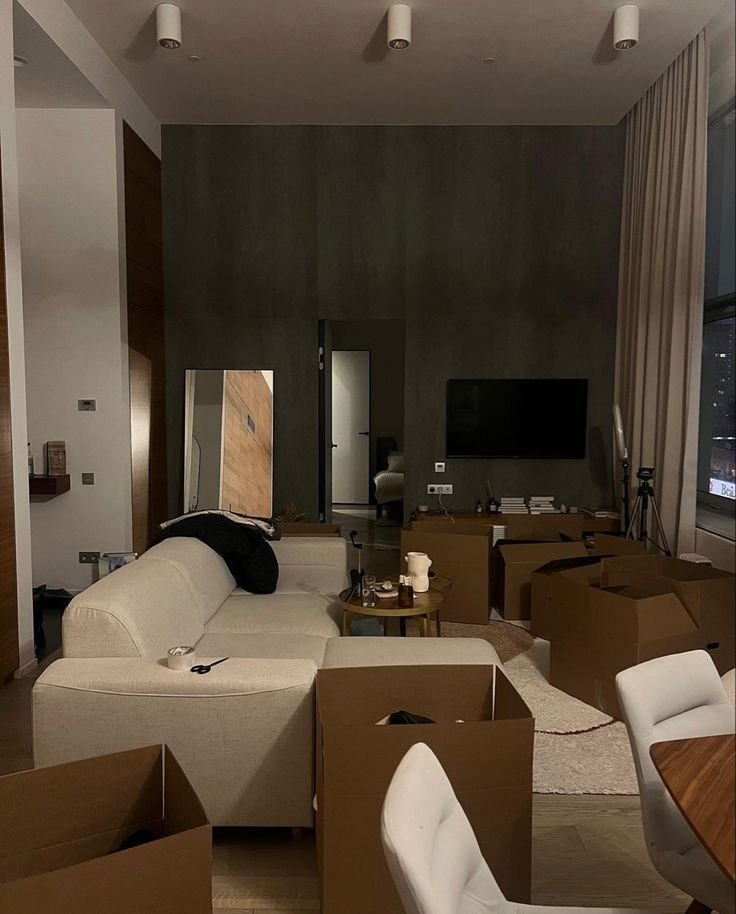
If your home feels cramped, it’s often not the small items causing the biggest squeeze—it’s the large, awkward things that take up disproportionate room. Extra furniture, unused chairs, old tables, seasonal decor, and bulky recreational gear can quietly dominate your living space.
In a place like Houghton Lake, winter adds another layer: coats, boots, snow gear, holiday items, and indoor storage needs tend to expand right when you’re spending more time inside. Even a well-sized home can start to feel packed.
This is where a storage unit can create fast relief.
You can move out:
unused furniture you don’t want to get rid of yet
seasonal items (holiday bins, winter/summer gear)
overflow boxes from closets
extra vehicles or recreational equipment occupying garage space
When it comes to storage units Houghton Lake fortunately offers large-sized options that can hold everything from oversized furniture to trailers. That means you can reclaim daily living space without making rushed decisions about what to keep long-term.
This is an underrated point: you don’t have to get rid of everything to feel better. Sometimes the most effective step is simply removing items from your everyday environment so your home can function comfortably again.
No. 3
Use the “Keep, Donate, Toss” Method
Decluttering becomes dramatically easier once you stop negotiating with every item.
Use three straightforward categories:
Keep
Donate
Toss
That’s it—no “maybe” pile that drags the decision out for weeks.
A practical way to speed decisions:
If you use it, keep it.
If it’s in good condition but you don’t want it, donate it.
If it’s broken, expired, or useless, toss it.
This method prevents mental fatigue. The longer you hold an object, the more stories you attach to it—and the harder it becomes to let go. Quick sorting keeps your brain out of overthinking mode and helps you finish what you start.
To make it even smoother, keep these supplies nearby:
a trash bag
a donation box or tote
a “belongs elsewhere” basket (for items that need to be returned to other rooms)
No. 4
Create Simple Storage Zones That Make Sense
Sometimes the issue isn’t that you own too much—it’s that your stuff has no consistent “home.” When items don’t have assigned spots, they drift. Shoes migrate. Keys vanish. Bags pile up. And suddenly your surfaces become storage.
Create basic “zones” based on how you actually live, not how you think you should live.
Examples of low-effort zones that work:
Entryway: basket for shoes, hooks for coats, tray for keys/wallet
Kitchen: one drawer for daily tools, one bin for snacks, one shelf for lunch supplies
Living room: a small basket for remotes/chargers, a designated place for throw blankets
Bathroom: a bin for backups (toothpaste, soap), a container for daily-use items
These zones don’t need to be Pinterest-perfect. They just need to be obvious and easy—because the easier it is to put things away, the less clutter builds up in the first place.
No. 5
Let Go of Items You Haven’t Used in a Year
This is one of the most effective decluttering rules because it cuts through “someday” thinking.
If you haven’t used something in the last 12 months, ask yourself:
Would I buy this again today?
If I needed this, would I remember I owned it?
Am I keeping it because it’s useful—or because letting go feels uncomfortable?
Common space-stealers include:
appliances you thought you’d use (bread makers, specialty gadgets)
clothes that “almost fit”
random cords that likely belong to devices you no longer own
hobby supplies you no longer enjoy
Keeping “just in case” items can feel responsible—but it often becomes a quiet tax on your comfort. You pay for it in cramped shelves, overflowing closets, and daily irritation.
Donate what still has life. Toss what doesn’t. Keep only what supports your current life—not a hypothetical future version of you.
No. 6
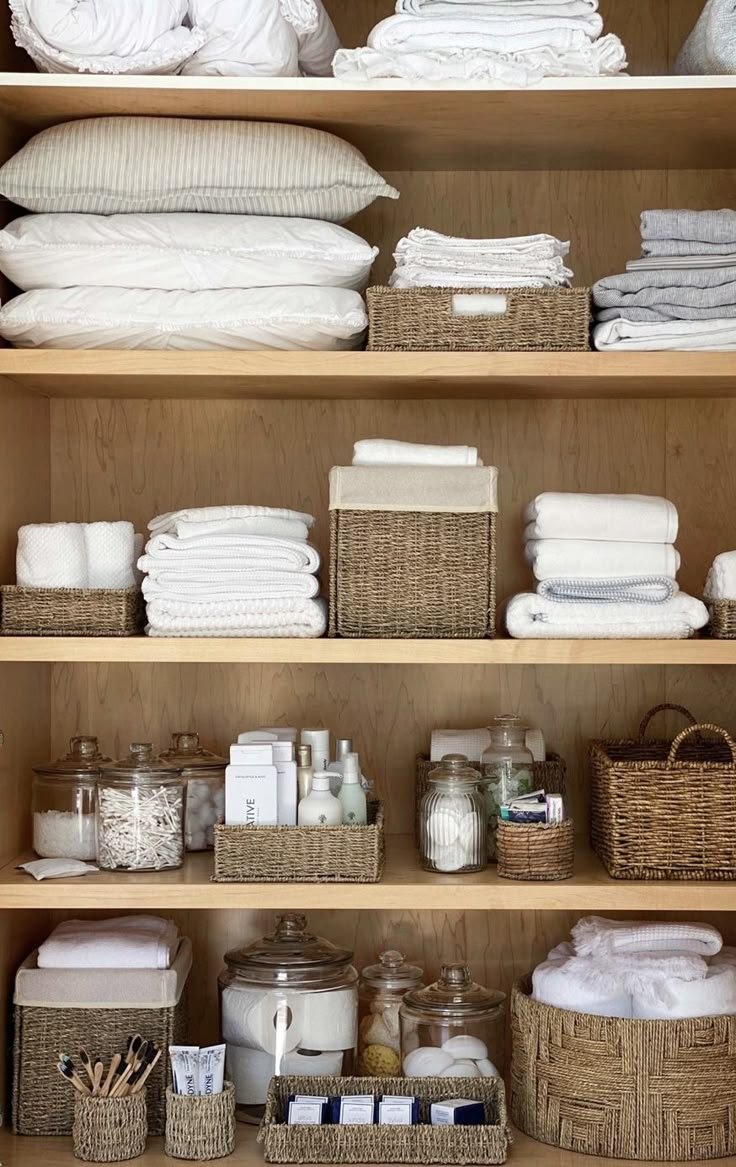
Make Closets Work Better With Easy Organizers
Closets are where clutter goes to hide—until the day you open the door and something falls out.
You don’t need a custom closet system to fix this. A few simple tools can make a big difference:
bins or baskets (labeled if helpful)
shelf dividers to prevent piles collapsing
hooks on the inside of doors for bags, belts, scarves
stacking vertically rather than piling flat
One high-impact habit: store by category, not by “where it fits.”
When you group items (all scarves together, all cleaning supplies together), you reduce re-buying duplicates and you can find what you need quickly.
A closet that functions well does more than look tidy—it reduces daily friction. Getting dressed, grabbing supplies, or finding seasonal items becomes easier, and that ease contributes to a calmer home overall.
No. 7
Cut Down on Duplicates Around the House
Many homes don’t only have clutter—they have multiples: doubles, triples, and “how did we end up with twelve of these?”
Common duplicate categories:
kitchen tools (spatulas, can openers, measuring cups)
mugs and water bottles
towels and extra bedding
pens, scissors, tape measures
half-used toiletries and cosmetics
Declutter duplicates one category at a time:
Pull everything in that category into one place.
Choose your favorites and what you realistically use.
Let the rest go (donate if possible).
You don’t need 20 pens in a drawer. You need a few that work. The reward is immediate: drawers close easily, shelves stop overflowing, and your cabinets feel usable again.
No. 8
Build a Weekly Reset Habit (So Clutter Doesn’t Return)
Decluttering once feels great. Keeping it that way feels even better.
The secret is not motivation—it’s maintenance.
Set aside 10 minutes once a week for a quick reset:
clear the main counter
fold throw blankets
return items to their zones
empty the “belongs elsewhere” basket
take donations to your car (so they actually leave)
This is not deep cleaning. It’s simply preventing clutter from slowly reassembling itself.
Small maintenance beats major overhauls every time. And when you keep up with micro-resets, your home stays consistently more comfortable—without requiring big, exhausting cleanouts.
No. 9
Focus on Comfort, Not Perfection
A lighter home doesn’t mean an empty home. It doesn’t need to look sterile, staged, or like a showroom. Comfort matters more than perfection.
Keep:
the chair you actually sit in every evening
photos that make you smile
the blanket everyone fights over
books you reread, not books you feel guilty about
Decluttering isn’t about stripping personality out of your space. It’s about removing the items that block it—things that create visual noise, steal storage, and make daily life harder than it needs to be.
When your home feels easy to move through, easy to clean, and easy to rest in—that’s the goal.
Takeaways: Make Space for What Actually Matters
At a certain point, clutter becomes background noise. You stop noticing it—until you clear even a small section and suddenly feel the difference. The air feels lighter. The room looks bigger. Your mind feels calmer without you having to force it.
The most sustainable approach isn’t a dramatic purge; it’s a series of simple, repeatable steps: start with one small area, reduce bulky items (using storage when it makes sense), sort with “keep/donate/toss,” create practical zones, let go of what you haven’t used in a year, and maintain your progress with a weekly reset.
You don’t need a perfect home. You need a home that supports you.
And when you make space for what truly belongs in your life, comfort stops being something you chase—it becomes something you live in, every day.
Looking for Home resources?
Looking to enhance your living space and create a sanctuary that supports your well-being? Explore our home partners who offer a wide range of resources to elevate your home environment.