Home Upgrades That Elevate Your Home To A New Level
You don’t always need a full renovation to transform your home. In reality, some of the most meaningful improvements come from small, strategic upgrades—the kind that make your home feel more polished, more comfortable, and more functional without turning your life into a construction zone.
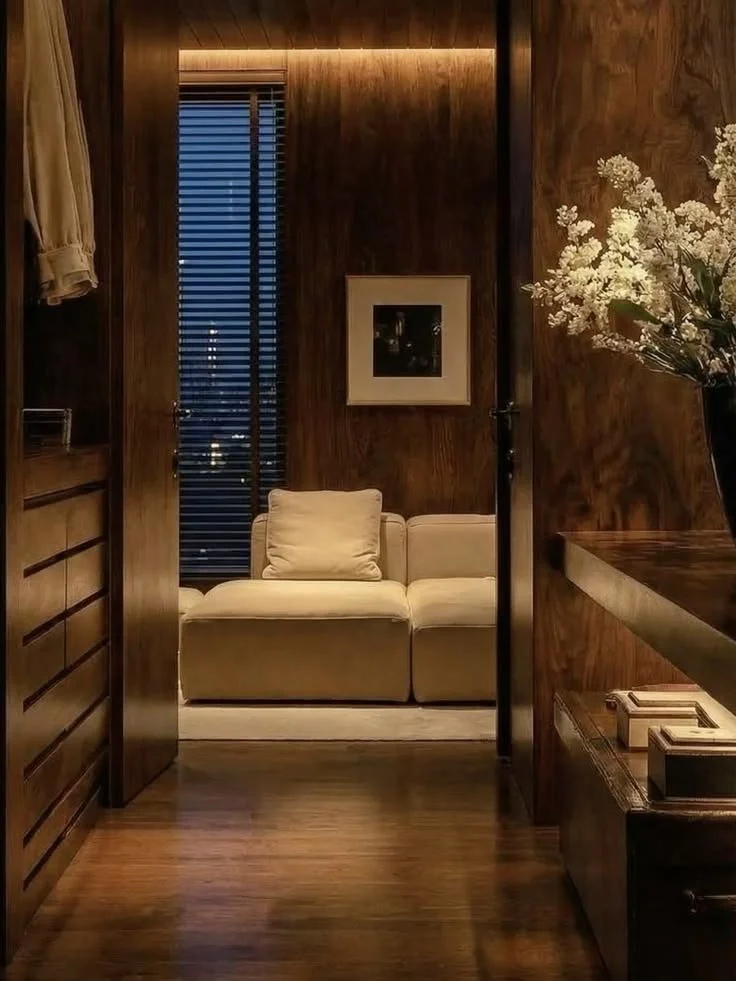
In this article, you’ll find a curated set of minor home upgrades that deliver outsized results. These ideas are designed to help you refresh the look of your space, improve everyday usability, and—when chosen wisely—support long-term property value. Whether you tackle one change this weekend or plan a series of gradual improvements, the goal is the same: create a home that feels intentionally upgraded rather than “kind of fine.”
No. 1
Upgrade Your Doors for Instant Impact
Doors are one of the most underrated elements in a home, largely because you see them every day and stop noticing their influence. But doors set the tone—visually and practically. A worn, dated, or poorly fitted door can quietly pull a space down, while a modern door installation can make the entire home feel more elevated.
Upgrading doors can improve:
First impressions (especially with the front entrance)
Security, with stronger cores, better locks, and improved frames
Energy efficiency, by reducing drafts and improving seals
Noise reduction, particularly with solid-core interior doors
Resale value, because doors signal “well-maintained” to buyers
Even when homeowners choose high-quality materials, the result depends heavily on fit and finish. A door that rubs, sticks, leaks air, or sits unevenly will never feel premium. That’s why many people opt for a professional approach; it saves time and avoids the common alignment and framing issues that can happen with DIY work.
If your home has older, hollow interior doors, mismatched styles, or an entry door that feels thin and insecure, this single upgrade can create a noticeable “new home” effect without requiring a remodel.
No. 2
Refresh Your Walls with Paint (The Highest ROI Visual Upgrade)
A fresh coat of paint is one of the fastest ways to modernize a home. It’s also one of the easiest upgrades to plan in phases—one room at a time—without disrupting the entire house.
Paint improves a space because it changes how light behaves. Walls that are scuffed, yellowing, or unevenly patched tend to make rooms feel dull, even if your furniture is beautiful. New paint can make rooms feel brighter, cleaner, and more cohesive.
Smart approaches that elevate the result:
Choose soft neutrals for a timeless, wide-appeal look
Use a consistent palette across connected spaces for flow
Add a feature wall if you want personality without overpowering the room
Don’t skip prep: fill holes, sand rough patches, and clean walls first
Paint is also one of the easiest ways to “correct” mismatched design eras. If your home has a blend of old and new elements, consistent wall colour creates visual harmony and makes everything feel more deliberate.
No. 3
Update Lighting for a More Modern, Finished Feel
Lighting is often the difference between a home that looks good in daylight and a home that feels warm, stylish, and inviting at night. Outdated fixtures can make a space feel dated, even if everything else has been updated. Conversely, modern lighting can instantly elevate the perceived quality of a room.
A strong lighting upgrade focuses on both fixtures and layering.
Consider these lighting improvements:
Replace dated ceiling fixtures with clean, contemporary designs
Add layered light, combining ambient, task, and accent lighting
Use warm, consistent bulb temperatures (mixing cool and warm bulbs makes spaces feel “off”)
Install dimmers in living rooms, bedrooms, and dining areas for flexibility
Layered lighting examples
Kitchen: ceiling lights + under-cabinet lighting + pendant over island
Living room: overhead + floor lamp + table lamps to reduce harsh shadows
Bedroom: bedside lamps + overhead dimmer for a calmer atmosphere
This is a relatively minor upgrade, but it changes how you experience your home every evening—arguably when you most want it to feel restorative.
No. 4
Improve Energy Efficiency Without Major Construction
Energy upgrades don’t need to be dramatic to be effective. Small improvements that reduce drafts, stabilize indoor temperature, and cut waste can lead to noticeable comfort gains—and steady savings over time.
Even modest efficiency improvements can elevate a home because they reduce “invisible annoyances”: rooms that feel cold, hot spots, window drafts, and HVAC systems that run too often.
High-impact, low-disruption energy upgrades:
Seal gaps around doors and windows with weatherstripping
Re-caulk around trims and frames where air leaks occur
Add attic insulation if it’s thin or uneven
Upgrade older windows when feasible, or use thermal treatments (curtains, blinds) as interim steps
Many homeowners start with the simplest change—draft sealing—and are surprised by how much more comfortable the home feels. Comfort is a form of luxury, and small efficiency upgrades often deliver it.
No. 5
Enhance Curb Appeal with Simple, High-Visibility Changes
Curb appeal isn’t only for selling. It affects how you feel every time you come home. A welcoming exterior creates a subtle sense of pride and calm—while a neglected exterior creates mental clutter before you even step inside.
Easy curb appeal upgrades that make a real difference:
Repaint or refresh the front door
Replace old house numbers with modern, readable ones
Add planters near the entry for colour and balance
Upgrade exterior lighting to improve warmth and safety
Tidy garden edges and refresh mulch for a clean, intentional look
You don’t need a new driveway or a major landscaping redesign. Often, the best result comes from tightening what’s already there: clean lines, healthy greenery, and one or two focal points.
No. 6
Replace Fixtures and Hardware (Small Details, Big “New Home” Energy)
Hardware is one of those details that affects the “feel” of a home more than people expect. When door handles are scratched, cabinet pulls are mismatched, or taps are dated, the home can feel older—even if everything is clean.
Upgrading fixtures and hardware is typically affordable, fast, and highly visible.
Areas to target:
Cabinet handles and drawer pulls (kitchen and bathrooms)
Door handles and hinges (especially if finishes don’t match)
Bathroom taps, showerheads, and towel bars
Light switches and outlet covers (new ones look surprisingly crisp)
Tip: Choose a consistent finish direction (e.g., matte black, brushed nickel, aged brass) and repeat it intentionally. That repetition creates the “designed” feeling people associate with higher-end homes.
No. 7
Declutter and Reorganize to Make Space Feel Bigger (and Easier to Live In)
Decluttering may not sound like an upgrade, but it functions like one. It improves flow, increases usable space, and makes your home feel calmer and more premium—without buying anything new.
Clutter adds visual noise. It also creates friction: you spend more time looking for things, cleaning around things, and managing piles that never resolve. Decluttering removes that drag.
Practical ways to make decluttering stick:
Reduce “flat-surface storage” (counters, dining tables, entry benches)
Create zones: keys, mail, bags, and shoes each get a dedicated home
Use storage that closes (baskets, cabinets) for visual simplicity
Schedule a seasonal reset: one closet, one drawer, one cabinet at a time
If you want the biggest impact, focus on the areas you see and use daily: the entryway, kitchen counters, bathroom surfaces, and bedroom floor space.
No. 8
Add Small Comfort Upgrades That Make the Home Feel More Premium
Once the basics are handled—paint, lighting, doors, and organization—comfort upgrades can push the home into that “new level” feeling. These are not renovations; they are finishing touches that improve daily experience.
Minor upgrades that enhance comfort and polish:
Upgrade towels and bedding (texture makes a surprising difference)
Add quality curtains that frame windows cleanly and improve light control
Use a large area rug to anchor a room and reduce echo
Install soft-close hinges or drawer slides for a smoother feel
Improve sound comfort with fabric elements (rugs, curtains, upholstered pieces)
A home feels elevated when it’s not only visually appealing, but also easy to live in. These upgrades improve the lived experience—the part that matters most.
Takeaways
Minor upgrades can transform your home without the cost and disruption of a full renovation. In this article, we covered practical, high-impact improvements that make a noticeable difference: upgrading doors for immediate visual and functional payoff, refreshing walls with paint, modernizing lighting, improving energy efficiency, enhancing curb appeal, updating fixtures and hardware, decluttering for a calmer and more spacious feel, and adding small comfort-focused touches that elevate everyday living.
If you want the best results, prioritize upgrades that improve both how your home looks and how it functions. A few smart changes—done intentionally—can make your space feel cleaner, newer, and more “yours,” often faster than you expect.
Looking for Home resources?
Looking to enhance your living space and create a sanctuary that supports your well-being? Explore our home partners who offer a wide range of resources to elevate your home environment.