Shower Niche Ideas: Designs, Sizes, And Placement Tips
A beautiful shower is not defined by tile alone. The most functional showers feel effortless to use because every detail, from storage to sightlines, has been planned with intention. That is where a shower niche can make a major difference: it keeps daily essentials tidy, reduces clutter on the floor or corners, and adds a built-in architectural detail that elevates the entire space.

In this article, we will explore shower niche ideas that balance design and practicality, including popular styles, recommended sizes, placement tips, waterproofing essentials, and creative ways to integrate niches into a modern bathroom layout. Whether you are renovating a compact ensuite or designing a spacious walk-in shower, the right niche plan can improve your day-to-day routine while enhancing the overall look of your bathroom.
No. 1
Understanding the Purpose of a Shower Niche
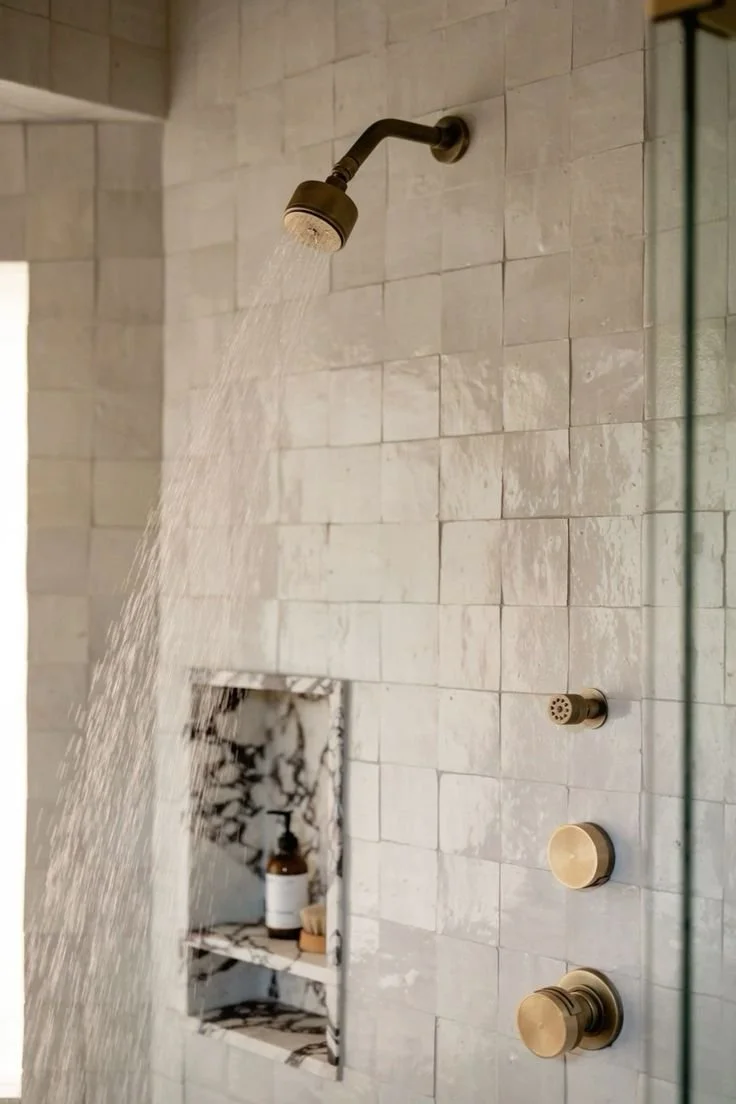
A shower niche is a recessed shelf built into the shower wall. Instead of relying on hanging caddies or corner racks, a niche creates storage that feels integrated, streamlined, and easy to access. When executed correctly, it also minimizes visual noise, helping the shower look clean and intentional.
Why homeowners choose shower niches
Keeps shampoo, conditioner, and body wash within comfortable reach
Reduces trip hazards and clutter from products left on the shower floor
Eliminates the need for bulky storage accessories
Creates a design feature that can blend in or stand out
Helps maintain a more organized, spa-like shower experience
What a niche does better than a corner shelf
It does not protrude into the shower space, which matters in smaller showers
It can be placed exactly where you need it, based on height and layout
It can be sized for your actual products, including tall pump bottles
It can be finished to match or contrast the tile for a more cohesive design
A niche is both functional and architectural. If you think of it as part of the wall design rather than a last-minute add-on, it will look more polished and perform better long-term.
No. 2
Popular Shower Niche Designs and Styles
Choosing a niche design starts with your bathroom style and how much visual contrast you want. Some niches are intended to disappear into the wall, while others are meant to serve as a focal point. Both approaches can work well when the materials and proportions are carefully considered.
Recessed niches for a minimalist look
Recessed niches sit flush within the wall cavity and are the most common option. They are ideal if you want a clean, modern finish that prioritizes practicality.
Best for:
Contemporary bathrooms
Smaller showers where space is limited
Homeowners who want storage without a decorative statement
Framed niches for definition and contrast
Framed niches use trim, edging, or a border detail to outline the niche shape. This creates a crisp, intentional look that pairs well with modern hardware and structured tile layouts.
Common framing options include:
Metal edging in finishes like chrome, brushed nickel, or matte black
Contrasting stone trim for a more classic feel
A border of smaller-format tiles to “picture-frame” the niche
Tiled feature niches as a design focal point
A tiled feature niche uses a different tile inside the niche than the main shower wall. This can be subtle or bold, depending on your palette and pattern choices.
Feature-tile ideas:
Mosaic tiles for texture and detail
Vertical kit-kat or finger tiles for a modern look
A patterned tile that echoes the flooring or vanity backsplash
A darker tone inside the niche for depth and visual interest
Single niche vs. stacked niches
A single, wide niche is often the most versatile, but stacked niches can offer better organization, especially for shared showers.
Consider stacked niches if:
You want separation between tall bottles and small items
Multiple people share the shower and want a designated space
You want a more symmetrical layout on a large wall
No. 3
Choosing the Right Shower Niche Size
Niche sizing is where many showers either become effortless or irritating. If the niche is too small, it will not hold what you use daily. If it is too large or poorly placed, it may disrupt tile alignment or require extra structural work.
Common niche dimensions to consider
While many standard niches measure around 30 to 60 centimeters wide and 30 centimeters high, the best dimensions depend on your wall framing, product sizes, and whether the shower is used by one person or several.
Useful size guidelines:
Small niche: ideal for a compact shower and minimal products
Medium niche: a good fit for most households, holding several bottles comfortably
Wide niche: works well on large walls and can double as a design feature
Depth matters as much as width
Depth affects both usability and cleaning. Too shallow and bottles may tip forward; too deep and it becomes awkward to reach and harder to maintain.
A depth of about 10 to 15 centimeters typically works well for:
Standard shampoo and conditioner bottles
Pump bottles
Soap and razors (especially if you include a small lower shelf)
Plan around your products, not guesswork
Before finalizing niche size, do a quick product audit.
Measure or consider:
Your tallest bottles (especially if you buy salon-size products)
Whether you prefer pump dispensers
If you want space for a loofah, shave gel, or face wash
Whether you want to store bottles upright or laid down
No. 4
Shower Niche Placement Tips for Comfort and Visual Balance
Placement determines how the niche feels in daily use and how it reads visually on the wall. A niche that looks great but forces you to bend awkwardly will quickly become a frustration. Likewise, a niche that is practical but poorly aligned with tile lines can look like an afterthought.
The most practical height for a niche
Many niches are placed around shoulder height, so items are accessible without bending. That said, the best position depends on who uses the shower and how the space is laid out.
Placement considerations:
Shoulder height is convenient for daily bottles
Slightly lower placement can work well for children’s products
If your shower includes a bench, placing the niche above the bench can be highly functional
Avoid common placement mistakes
Placing the niche where the showerhead spray hits directly, which can increase soap buildup
Positioning it too low, forcing constant bending
Cutting into plumbing walls without proper planning
Ignoring the tile layout, leading to awkward cuts and uneven grout lines
Tips for multiple niches and shared showers
If multiple users share the space, dual niches at varying heights can make the shower feel more organized and intentional.
Examples:
Upper niche for tall bottles, lower niche for soap and razors
Two niches at equal height on separate walls for a “his and hers” setup
A long horizontal niche, divided into zones for different users
No. 5
Waterproofing and Drainage: The Details That Protect Your Bathroom
A shower niche is only as good as its waterproofing. Because a niche interrupts the wall plane, it adds corners and seams where water can infiltrate if the installation is not precise. Proper waterproofing protects the structure behind the tile and prevents leaks, mold, and costly repairs.
Waterproofing essentials for a long-lasting niche
Use a waterproof membrane system throughout the shower area, including the niche
Ensure all joints and corners are sealed properly
Use quality grout and sealants suitable for wet areas
Confirm that the niche edges are integrated with the surrounding waterproofing layer
Build in drainage to prevent pooling
The niche base should slope slightly so water drains out rather than sitting in the back corners. Standing water leads to mildew, discoloration, and soap scum buildup.
Maintenance-friendly features include:
A slightly sloped sill
Smooth tile surfaces inside the niche for easier cleaning
Fewer grout lines, if possible, which reduces cleaning effort over time
No. 6
Integrating a Niche With Tiles, Fixtures, and Shower Screens
The most polished niches look like they belong in the original design. That comes from aligning the niche with the tile layout, coordinating finishes, and considering what the niche will look like through the shower enclosure.
Transparent enclosures like those offered through shower screens in Australia highlight the niche design while keeping the space open and bright. Because the niche becomes more visually prominent with clear glass, details like symmetry, grout color, and tile alignment matter even more.
Coordinate your niche with the rest of the shower
Match hardware finishes for a cohesive look
Align niche edges to tile grout lines when possible
Consider whether you want the niche centered on a feature wall
Use consistent grout spacing and clean transitions at corners
Consider the view through the shower screen
If your shower has a clear screen, the niche may be one of the first things you notice when entering the bathroom. This is where a feature tile, a framed edge, or a carefully proportioned niche can elevate the entire design.
No. 7
Creative Uses for Shower Niches Beyond Storage
A niche does not have to be purely utilitarian. It can also be a design element that adds ambiance and personality to a shower, especially in a modern renovation where small details carry the visual impact.
Lighting ideas for a more elevated look
LED strip lighting at the top of the niche for a soft glow
Waterproof recessed micro lighting for a high-end finish
Warm lighting to enhance stone and earthy tile tones
Styling ideas that still feel practical
A small plant that tolerates humidity (if lighting allows)
Minimalist bottles decanted into matching dispensers
A stone or ceramic tray to keep smaller items tidy
The key is restraint. A niche looks best when it is not overcrowded, which is another reason sizing and organization matter.
No. 8
Exploring More Options for Layout and Inspiration
A shower niche should support the way you actually use the shower. That means the best niche is not necessarily the trendiest one; it is the one that fits your routine, your space, and your design style.
For more inspiration on integrating functional storage, explore shower niche ideas that suit various bathroom styles and sizes.
Questions to ask before finalizing your niche design
Who will use this shower daily, and what products do they use?
Do you want the niche to blend in or act as a feature?
Where will the niche be easiest to reach without interrupting the shower flow?
How will the niche align with your tile layout and grout lines?
Are you prepared to prioritize waterproofing and proper slope details?
Takeaways
A shower niche improves both function and appearance by creating built-in storage that reduces clutter and supports a clean, intentional shower design. The best niches feel seamless because they are planned around real product needs, tile layout, and the way the shower is used.
Design choices such as recessed, framed, or feature-tiled niches can complement anything from minimalist bathrooms to statement spaces. Size, depth, and placement are the details that determine whether a niche feels effortless every day or becomes a long-term annoyance.
Waterproofing and drainage are non-negotiable for durability, and integration with surrounding tiles, fixtures, and glass enclosures determines the final visual impact. With thoughtful planning, a shower niche can become one of the most practical and design-forward features in your bathroom.
Looking for Home resources?
Looking to enhance your living space and create a sanctuary that supports your well-being? Explore our home partners who offer a wide range of resources to elevate your home environment.